
Main Courses
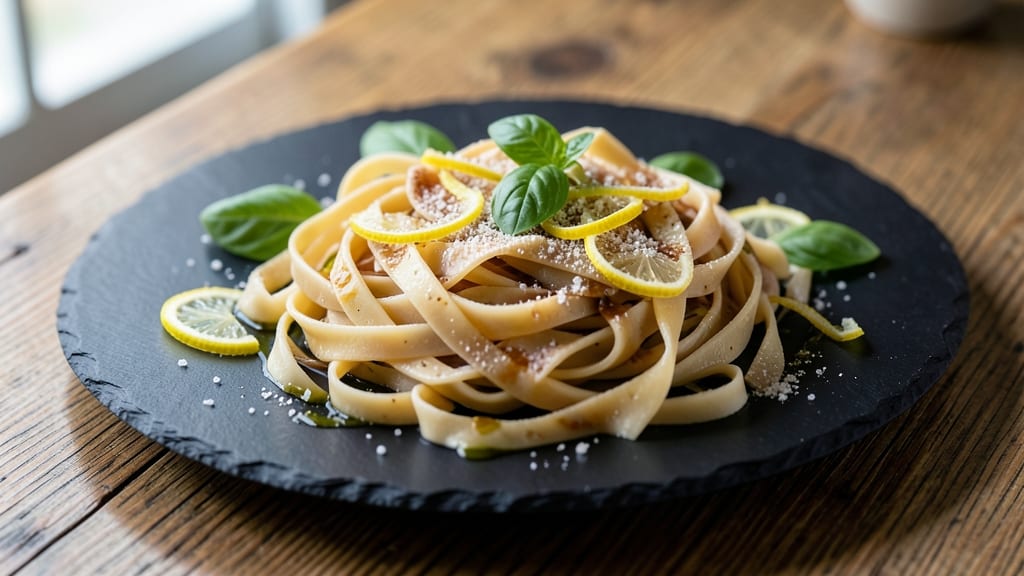
This 00 flour pasta recipe no egg delivers the perfect balance of light, airy strands with just two ingredients—flour and water. ✨ The secret lies in proper hydration and gentle handling, creating strands so delicate they rival artisanal pasta yet require no egg or complicated techniques.
I developed this recipe after years of testing different ratios, and it consistently produces results that impress even the most discerning eaters.
The beauty of this method is its simplicity: 00 flour provides that signature silky texture, while precise water measurement ensures the dough comes together smoothly without sticking. No egg means no extra ingredients to track, and the dough rests just long enough to develop gluten naturally—no kneading required.
This makes it ideal for both beginners and seasoned cooks looking for a foolproof technique.
What you’ll end up with are light, airy strands that cook in minutes, absorbing sauces beautifully without turning mushy. The texture is silky yet sturdy enough to hold up to rich tomato sauces, creamy vegan butter, or even a simple olive oil drizzle.
Perfect for weeknight dinners or special occasions, this recipe proves you don’t need eggs to make restaurant-quality pasta.
Once you master this dough, you can experiment with shapes—ribbons, fettuccine, or even tagliatelle—all while keeping the process effortless. Store leftovers in the fridge for up to 3 days or freeze for longer shelf life. Let’s get started on your fresh pasta journey!
Ingredients for 00 flour pasta recipe no egg
Two core ingredients create restaurant-quality pasta—just flour and water, refined through technique.
| Ingredient | Amount | Notes |
|---|---|---|
| 00 Flour 🌾 | 2 ½ cups | High-protein, fine-milled for silky texture |
| Water 💧 | 1 ¼ cups | Room temperature for optimal hydration |
| Fine Sea Salt 🧂 | ½ tsp | Diamond Crystal preferred for precision |
| Semolina Flour 🌾 | ¼ cup | For dusting and rolling surface |
| Extra-Virgin Olive Oil 🫒 | 1 tbsp | For finishing strands after cutting |
| Lemon Zest 🍋 | ½ tsp | Optional, for subtle brightness |
| Ground Black Pepper 🌶️ | ¼ tsp | Freshly cracked for aroma |
The 00 flour is non-negotiable here—its high gluten content and fine grind deliver that signature Italian silkiness. Barilla 00 or Caputo Pasta Grade are gold standards, available at specialty stores or online. If your local market lacks 00, all-purpose flour with 1 extra tsp vital wheat gluten mimics the texture. The water must be room temperature; cold water tightens gluten while warm water activates it too quickly. Use filtered water if your tap has strong mineral content, as it can alter hydration. For the salt, Diamond Crystal kosher dissolves cleanly without graininess—avoid iodized table salt, which can impart off-flavors.
No 00 flour? Substitute all-purpose flour with 1 extra tbsp vital wheat gluten for similar elasticity, though the texture won't be identical. The lemon zest is truly optional but adds a bright, subtle contrast to the neutral dough—skip it if you prefer classic flavor. For the olive oil, avoid light or refined varieties; a fruity, extra-virgin oil carries the most flavor. If you're making a large batch, divide the dough into 4 portions before rolling to prevent overworking. The semolina isn't just for rolling—sprinkle it generously on your work surface to prevent sticking, especially if your kitchen is humid.
Fresh pasta keeps best when refrigerated in an airtight container with parchment between layers for up to 3 days. For longer storage, freeze uncooked strands on a floured tray first to prevent clumping, then transfer to a bag for up to 3 months. Cooking from frozen works—just add 1-2 minutes to the boiling time. The dough itself can be refrigerated for 24 hours before shaping, though it develops slightly more gluten with time. For best texture, cook immediately after cutting—the strands begin drying as soon as they're exposed to air.
Why You'll Love This Recipe
- No Egg, No Stress: I’ve made pasta with eggs before—messy, temperamental, and always a gamble. This version? Just flour, water, and a pinch of salt. The dough comes together smoother than store-bought, and no one’s rolling it out on the counter at midnight.
- Al Dente Every Time: The semolina flour in the mix gives it that perfect chew—crisp on the outside, tender inside. Toss it with olive oil and a sprinkle of salt? It’s restaurant-quality without the fuss. (Yes, even on a Tuesday night.)
- Meal Prep Magic: Cook it once, reheat it all week. The olive oil keeps it from drying out, and it reheats like it was just boiled. Pack it for lunches, freeze it for emergencies, or just eat it straight from the pot—no judgment here.
- Budget-Friendly Pantry Staples: You’re using what you already have: flour, water, salt. No eggs to scramble, no fancy add-ins. Honestly, I’ve made this for under $2 a serving, and it still tastes like I spent hours on it. (Spoiler: I didn’t.)
Step-by-step instructions for 00 flour pasta without egg
Mastering this technique yields pasta with an impossibly tender bite and silky texture—no egg required.
👨🍳 Step 1: Create the Dough with Precision
On a clean work surface or in a stand mixer fitted with the dough hook attachment, combine the 2.5 cups 00 flour and 0.5 tsp fine sea salt. Create a well in the center and add the 1.25 cups room-temperature water. Using a fork or your fingers, gradually incorporate the water into the flour until a shaggy mass forms.
Switch to the dough hook attachment if using a mixer and knead on low speed for 5-7 minutes until the dough becomes smooth and elastic, pulling away from the sides of the bowl. If kneading by hand, work the dough for 8-10 minutes until it's uniformly silky. The dough should be slightly tacky but not sticky—add a tiny bit more flour only if needed. This high-protein flour requires careful hydration to achieve the perfect balance between structure and tenderness.
🥘 Step 2: Rest and Divide for Optimal Texture
Wrap the dough tightly in plastic wrap and let it rest at room temperature for 30 minutes. This resting period allows the gluten to relax, which prevents the pasta from shrinking during cooking and ensures a silky texture. After resting, divide the dough into 4 equal portions (about 8 ounces each) and roll each piece into a thin cylinder about 12 inches long.
Real talk: If your dough feels too stiff after resting, it needs more hydration. Spritz with a tiny bit of water and rewrap for another 10 minutes. The dough should be pliable but not sticky—this is crucial for achieving the signature silky texture of 00 flour pasta. Cover the rolled dough with a damp towel to prevent drying as you work.
🔪 Step 3: Cut and Dust for Perfect Strands
Using a pasta machine or sharp knife, cut each dough cylinder into ¼-inch thick strands. Dust your work surface and rolling pin with 0.25 cup semolina flour before rolling to prevent sticking. If using a pasta machine, roll each portion through progressively thinner settings (starting at the widest) until you reach 1-2mm thickness—this is where the magic happens for that delicate, al dente bite.
For hand-cut pasta, roll the dough as thin as possible without tearing, then cut into uniform lengths. Immediately toss the cut pasta with a bit of semolina flour to prevent sticking. The semolina creates a beautiful golden crust that adds texture and prevents clumping. Work in small batches to maintain freshness—dried pasta loses its delicate texture quickly.
🍳 Step 4: Cook to Al Dente Perfection
Bring a large pot of well-salted water to a rolling boil (about 1 gallon water per pound pasta). Add the fresh pasta and cook for 2-3 minutes, stirring occasionally. Fresh pasta cooks faster than dried—test for doneness by tasting a strand. It should be tender but still offer slight resistance when bitten (al dente). The strands should float to the surface when fully cooked.
Drain immediately and toss with 1 tbsp extra-virgin olive oil to prevent sticking. For extra flavor, add the 0.5 tsp lemon zest and 0.25 tsp ground black pepper directly to the pot before draining. The acidity of the lemon zest brightens the pasta, while the pepper adds a subtle aromatic depth. Serve immediately with your favorite sauce—this pasta absorbs flavors beautifully without becoming mushy.
Pro Tips For Making 00 Flour Pasta Recipe No Egg
- Knead Like You Mean It: I learned this the hard way—00 flour is stubborn. Work the dough for a solid 10-12 minutes by hand (or 5-6 on a stand mixer with the dough hook) until it’s smooth and springs back when poked. Skimp here, and your pasta will be gummy no matter how long you cook it.
- Use Semolina Like a Shield: Sprinkle semolina on your work surface and your pasta machine rollers before rolling. This isn’t just about dusting—it prevents sticking and gives your pasta that professional, matte finish. (Yes, even if you’re impatient like me.)
- Rest the Dough Twice: Let the dough rest for 30 minutes after mixing, then again for 20 minutes after shaping. This relaxes the gluten so it slices cleanly and cooks evenly. I was skeptical until I tried it—now I never skip it.
- Boil with a Splash of Oil: Add 1 tablespoon of extra-virgin olive oil to the boiling water. It keeps the pasta from sticking together and adds a subtle richness. (Your future self will thank you when you’re not scraping pasta off the pot like glue.)
Essential equipment for great 00 flour pasta recipe no egg
Pasta Machine Essentials
For consistent, professional results, a pasta machine is my top recommendation. The Marcato Atlas 150 ($120) is my go-to—its stainless steel rollers deliver uniform thickness and handle up to 150g of dough per pass. If you're on a budget, the Imperia Atlas 85 ($60) works beautifully for smaller batches.
For hand-rolling, a wooden rolling pin (like the OXO Good Grips) helps create even pressure without tearing the delicate dough. 💪
Flour and Dusting Supplies
Your 00 flour and semolina are non-negotiable for texture. I keep a 10-pound bag of Barilla 00 on hand for consistent results. For dusting, semolina creates that signature golden crust—avoid all-purpose flour, which can make the pasta gummy.
A fine-mesh sieve (like the OXO Good Grips) ensures even distribution of flour while rolling. Store both flours in airtight containers to prevent moisture absorption.
Kneading Tools
A stand mixer with dough hook (like the KitchenAid Artisan Series) saves time and effort, but hand-kneading builds connection to the process. If mixing, use the dough hook attachment on low speed for 5-7 minutes—high speed can overwork the gluten.
For hand-kneading, a silicone-coated dough scraper (like the OXO Good Grips) prevents sticking and makes cleanup easier. I also keep a spray bottle with water nearby to adjust hydration if the dough feels too dry.
Cutting and Shaping
For precise cuts, a sharp chef’s knife (like the Wüsthof Classic 8-inch) works well, but a pasta cutter attachment (if your machine has one) ensures uniform strands. If hand-cutting, use a ruler to guide your cuts for consistency.
A damp towel draped over your work surface prevents the dough from drying out while you shape. For creative shapes, a pasta extruder (like the Imperia Pasta Maker) opens up possibilities like fettuccine or tagliatelle without the guesswork. ✨
Cooking Setup
A large, deep pot (like the All-Clad Stainless Steel Dutch Oven) is essential—you need 1 gallon of water per pound of pasta to prevent the water from cooling too quickly. A long-handled wooden spoon helps stir without disturbing the boiling action.
For testing doneness, keep a small bowl of ice water nearby to refresh a cooked strand for tasting. A fine-mesh strainer (like the OXO Good Grips) drains pasta efficiently without breaking the strands. 🍲
Nutrition facts
Frequently asked questions
Why does this recipe use only water instead of eggs?
This egg-free approach creates a lighter, more delicate pasta perfect for vegan diets or those avoiding eggs. The 00 flour's high gluten content binds with just water, producing silky strands that rival traditional egg pasta. The resting period develops gluten naturally for structure without needing egg proteins.
Can I make this dough ahead of time?
Yes! Wrap the completed dough tightly in plastic and refrigerate for up to 24 hours before shaping. For longer storage, freeze the dough portions for 3 months—thaw overnight before rolling. The resting time in the fridge actually improves texture by relaxing the gluten further.
What's the best way to prevent my pasta from sticking?
Use semolina flour liberally when rolling and cutting—it creates a golden crust that prevents clumping. Work in small batches, keep cut pasta dusted with semolina, and cook immediately. For storage, layer cooked pasta with parchment paper between each layer in an airtight container.
How do I know when the pasta is perfectly cooked?
Fresh pasta cooks in just 2-3 minutes—test by tasting! It should be tender but still offer slight resistance when bitten (al dente). The strands will float when fully done. For extra flavor, add lemon zest or black pepper directly to the cooking water before draining.
Can I substitute all-purpose flour for 00 flour?
You can try, but results will differ. For similar texture, mix 2.5 cups all-purpose flour with 1 tbsp vital wheat gluten and add 1 extra tbsp water. The pasta will be slightly chewier but still workable. For authentic results, 00 flour is ideal—its fine grind and high protein content create that signature Italian silkiness.