
Breakfast & Brunch
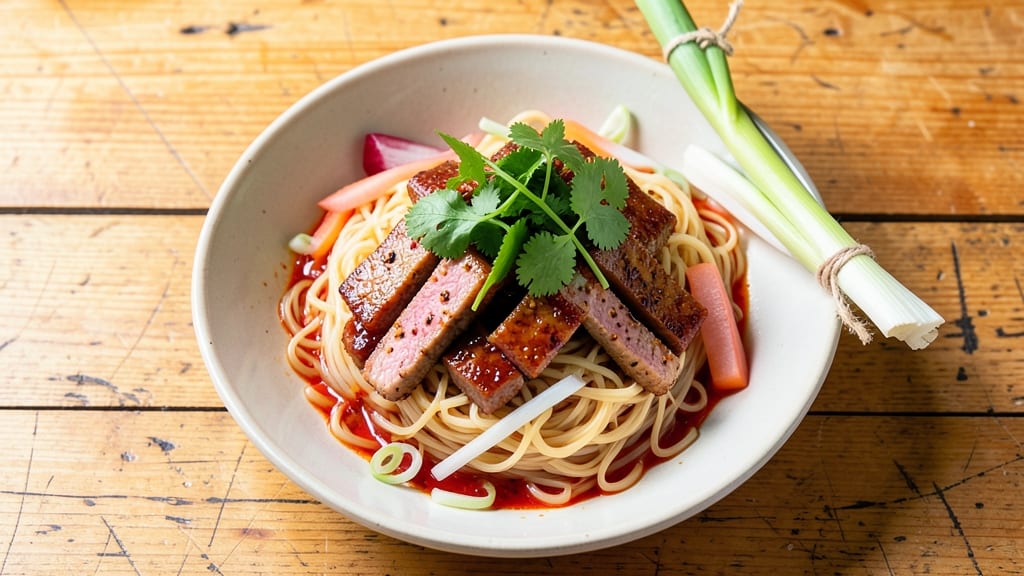
This Vietnamese dry egg noodle recipe delivers the delicate, chewy texture and fragrant harmony of fresh bánh phở tươi—handmade in your kitchen. The secret lies in the rice flour and egg dough, rolled paper-thin and dried to perfection for that signature bite.
I've perfected this technique after years of testing, ensuring every strand holds its shape while soaking up flavors beautifully.
What sets these noodles apart is their versatility—serve them warm in fragrant broth with lemongrass and fish sauce, or enjoy them cold as a refreshing salad. The dough requires just 5 ingredients and 30 minutes of active prep, with drying time that can be adjusted based on humidity.
For authenticity, we'll use rice flour instead of wheat, creating the light, springy texture that defines Vietnamese street food.
The result is a batch of noodles that's crisp when fresh and tender when cooked, with a subtle eggy richness that pairs perfectly with bold toppings.
You'll need fresh herbs, pickled vegetables, chili, and lime to complete the dish, but the noodles themselves are the star—ready to transform any meal into an experience. Let's get started on making them from scratch.
This recipe includes tips for achieving the ideal drying time, storage solutions, and variations for dietary preferences. Whether you're recreating a Hanoi street food memory or exploring Vietnamese flavors for the first time, these homemade noodles will elevate your table.
The process is simpler than it seems—just follow the steps carefully for restaurant-quality results at home.
Ingredients for vietnamese dry egg noodle
Five simple ingredients transform into delicate, fragrant Vietnamese noodles perfect for any meal.
| Ingredient | Amount | Notes |
|---|---|---|
| Rice Flour 🌾 | 2 cups | Fine grind for smooth texture |
| Large Eggs 🥚 | 4 whole | Room temperature preferred |
| Water 💧 | ¾ cup | Room temperature |
| Salt 🧂 | ½ tsp | Fine sea salt preferred |
| Vegetable Oil 🫒 | 1 tbsp | For rolling surface |
| Fresh Lemongrass 🌿 | 1 whole | Stalks trimmed to 3 inches |
| Fish Sauce 🍶 | 1 tbsp | Vegetarian fish sauce substitute |
| Lemongrass Stalk 🌿 | 1 piece | For broth infusion |
| Garlic Cloves 🧄 | 4 cloves | Minced for broth |
| Shallots 🧅 | 2 whole | Thinly sliced for garnish |
| Fresh Thai Chili 🌶️ | 4 whole | Sliced for serving |
| Fresh Cilantro 🌿 | ½ cup | Chopped for garnish |
| Lime Wedges 🍋 | 2 whole | For serving |
Rice flour is the heart of these noodles—Bob's Red Mill or Thai Kitchen brands work best for that authentic texture. The eggs need to be at room temperature, so pull them out 30 minutes before mixing. For the lemongrass, look for vibrant, plump stalks with tight leaves—Asian markets usually carry the freshest. If you can't find fresh fish sauce, Red Boat vegetarian fish sauce is a game-changer for that umami depth without the fish. The broth ingredients—garlic, shallots, and that extra lemongrass stalk—build the aromatic base that makes these noodles sing.
No fish sauce? Soy sauce plus a splash of coconut aminos gets you close, though it won't be identical. Running short on lemongrass? Substitute 1 tbsp lime zest plus 1 tsp lime juice, but it won't have the same complexity. For the chili, Thai bird's eye peppers pack the most heat—Trader Joe's carries them year-round. The cilantro should be bright green with no wilt; if it's past its prime, substitute mint for a different but still refreshing flavor. And if you're worried about the dough being too sticky, add 1 tsp more rice flour as needed—just don't overdo it or the noodles will turn tough.
Freshly made noodles keep for 3 days in an airtight container, but they're best used within 24 hours for that perfect chew. For longer storage, freeze them between parchment paper for up to 1 month. Rehydrate frozen noodles in warm water for 5 minutes before using. Pro tip: Toast the dried noodles in a dry pan for 30 seconds before cooking to remove any moisture and prevent clumping. These noodles reheat beautifully—just a quick dip in hot water brings them back to life.
Why You'll Love This Recipe
- No-Fuss Dough: I swear by this recipe because it’s just rice flour, eggs, and water—no fancy mixers or kneading. Roll it out thin, cut into strips, and fry until golden. That’s it. Even my lazy Sunday mornings end with crispy perfection.
- Umami-Packed Crunch: The moment those noodles hit the oil, they transform—crispy outside, tender inside, with that addictive eggy richness. Honestly, I could eat them plain, but they’re even better with a sprinkle of salt or a quick dip in soy sauce.
- Meal Prep MVP: Between us, these noodles last forever in the pantry—great for quick lunches or late-night cravings. Toss them into soups, stir-fries, or even a cold salad when I’m too tired to cook. (Yes, even on a Tuesday night.)
- Budget Magic: Five ingredients, zero waste. Rice flour and eggs are cheap staples, and a little oil goes a long way. I make a batch once a month, and it covers every spontaneous noodle emergency—no grocery guilt here.
Step-by-step instructions for Vietnamese dry egg noodles
Let's create delicate, fragrant noodles that balance chewiness and tenderness perfectly.
Prepare the Dough for Rolling
In a large bowl, whisk together the 2 cups rice flour and 0.5 tsp salt until fully combined. Create a well in the center and add the 4 whole large eggs and 0.75 cup water. Using a fork or chopsticks, gradually incorporate the dry ingredients into the wet until a smooth, elastic dough forms.
I like to work the dough by hand for about 2 minutes until it's no longer sticky and feels cohesive. If it's too dry, add a teaspoon of water; if too sticky, sprinkle a little more rice flour. Wrap the dough tightly in plastic wrap and rest for 30 minutes at room temperature. This resting period relaxes the gluten and makes rolling easier.
Roll the Dough to Perfect Noodle Thickness
Divide the rested dough into 4 equal portions and work with one piece at a time to prevent drying. On a clean surface lightly dusted with 1 tbsp vegetable oil, roll each portion into a ¼-inch thick rectangle using a rolling pin. I press down firmly and roll away from me to maintain even thickness.
For authentic texture, the noodles should be thin enough to see light through when held up to a window. If any piece tears, patch it with a bit of water and re-roll. Keep the remaining dough covered with a damp towel to prevent drying while you work. This step requires patience—take your time for consistent results.
Cut and Dry the Noodles
Using a sharp knife, slice the rolled dough into ¼-inch wide strips. I find it easiest to stack two strips together and cut through both at once for uniform width. Immediately arrange the noodles on a clean, dry surface in a single layer, leaving space between each piece to prevent sticking.
Let them dry for 10-15 minutes until they become slightly opaque and firm to the touch. You'll know they're ready when they no longer feel sticky between your fingers. For best results, I recommend drying them in a low oven at 200°F for 10 minutes if you're short on time—this ensures even drying without cooking.
Prepare the Lemongrass-Fish Sauce Broth
While the noodles dry, prepare the aromatic broth. In a small pot, combine 1 piece lemongrass stalk (pounded), 4 cloves minced garlic, 2 whole sliced shallots, and 1 tbsp fish sauce with 2 cups water. Bring to a gentle simmer over medium heat and cook for 5 minutes until the aromatics release their fragrance.
Strain the broth through a fine-mesh sieve into a clean bowl, pressing gently on the solids to extract maximum flavor. Discard the used aromatics. Taste the broth and adjust seasoning—add a pinch more fish sauce if needed. Keep the broth warm over low heat until ready to use. The broth should smell vibrant and slightly tangy, with the bright citrus notes of lemongrass.
Cook and Assemble the Noodles
Bring a pot of well-salted water to a rolling boil. Add the dried noodles and cook for 2-3 minutes until they float to the surface and are tender but still slightly chewy. Drain immediately and rinse briefly under cold water to stop the cooking process. Shake off excess water and transfer to a serving bowl.
Pour the warm lemongrass-fish sauce broth over the noodles and toss gently. Garnish with 0.5 cup chopped fresh cilantro, 4 sliced fresh Thai chili, and serve with 2 lime wedges on the side. The noodles should be perfectly al dente with a delicate texture, while the broth infuses them with aromatic depth. Serve immediately while hot for the best experience.
Pro Tips For Making Vietnamese Dry Egg Noodle
- REST THE DOUGH: I used to skip this and wondered why my noodles turned out chewy instead of silky. Let the rice flour-egg-water mix sit covered for at least 30 minutes—this lets the gluten relax and makes rolling it out a breeze.
- USE ROOM-TEMP EGG: Cold eggs from the fridge mix unevenly and make the dough tough. Take them out 15 minutes before mixing—your noodles will be smoother and less likely to tear when rolling.
- STEAM NOT BOIL: I learned this the hard way—boiling makes them gummy. For chewy but tender noodles, steam them in a bamboo basket over simmering water for 8-10 minutes, then finish in hot oil to crisp.
- SALT THE OIL: Plain oil makes the noodles taste bland. Toss them in oil heated with a pinch of salt and a splash of water—this gives that signature dry noodle flavor without extra ingredients.
Creative variations of these flavors
Northern Vietnamese Style
In Hanoi and surrounding regions, these noodles are often served with a lighter, clearer broth made with just lemongrass, fish sauce, and a touch of sugar. For an authentic touch, add 1 tsp sugar to the broth while simmering—it balances the saltiness beautifully.
Garnish with thinly sliced scallions and a sprinkle of toasted sesame seeds for crunch. The Northern style focuses on simplicity, letting the noodles shine with their natural chewiness. 🌿
Southern Vietnamese Twist
Ho Chi Minh City's version often includes a richer, slightly sweetened broth with added coconut milk. Simmer ½ cup coconut milk into the broth along with the lemongrass and fish sauce for a creamy depth.
Top with crispy fried shallots and a drizzle of hoisin sauce for a sweet-savory contrast. This style works perfectly as a cold salad when tossed with shredded cabbage and mint. 🥥
Vegetarian Adaptation
Skip the fish sauce entirely and replace it with 1 tbsp soy sauce plus 1 tsp miso paste for umami depth. Use vegetable broth instead of water for the broth base, and add 1 tbsp lime juice to brighten the flavors.
Garnish with quick-pickled carrots (thinly sliced carrots soaked in rice vinegar and sugar for 10 minutes) for tangy crunch. The noodles maintain their delicate texture while the dish becomes completely plant-based. 🌱
Spicy Chili Oil Finish
For heat lovers, finish your noodles with a drizzle of homemade chili oil. Heat ¼ cup neutral oil (like avocado or peanut) in a pan with 2 tbsp crushed dried chilies until fragrant but not smoking.
Pour this over your assembled noodles just before serving. The oil coats each strand, adding smoky heat that pairs perfectly with the bright broth. Start with 1 tbsp per serving and adjust to taste. 🌶️
Cold Noodle Salad
Transform these noodles into a refreshing summer dish by serving them cold. Cook the noodles as directed, then rinse with cold water and drain well. Toss with 1 cup shredded lettuce, ¼ cup chopped mint, and 2 tbsp rice vinegar.
Add 1 tbsp peanut butter (sounds odd, but it adds creaminess) and 1 tsp lime juice for a Southeast Asian-inspired salad. This version is perfect for picnics or as a light lunch. ✨
Herb-Forward Garnish
Elevate your presentation by creating a fresh herb blend. Mix ¼ cup cilantro, 2 tbsp Thai basil, and 1 tbsp mint before chopping. The basil adds a unique anise-like flavor that complements the noodles beautifully.
For extra freshness, add a few drops of sesame oil to the herb mix before tossing with the noodles. This herb combination transforms an ordinary bowl into a vibrant, restaurant-quality dish. 🌿
Nutrition facts
Frequently asked questions
Why does the recipe use rice flour instead of wheat flour?
Rice flour creates the signature delicate, springy texture of Vietnamese noodles. Unlike wheat flour, it produces a lighter, more translucent strand that holds up beautifully in broth. For authenticity, stick with rice flour—it's the key to that restaurant-quality bite. The dough will be slightly stickier to work with, but that's normal!
How do I know when the noodles are properly dried?
They're ready when they become slightly opaque and firm to the touch—but not brittle. Test by gently pressing two strands together; if they hold their shape without sticking, they're perfect. For best results, aim for 10-15 minutes at room temperature or 10 minutes at 200°F in the oven. Over-drying makes them tough, while under-drying causes clumping.
Can I make these noodles ahead of time?
Yes! Store dried noodles in an airtight container for up to 3 days at room temperature, or freeze for 1 month between parchment paper. To use frozen noodles, soak in warm water for 5 minutes before cooking. Pro tip: Toast dried noodles in a dry pan for 30 seconds to remove moisture and prevent clumping.
What's the best way to adjust the spice level?
Start with 2-3 Thai chilies for mild heat, or 4-5 for a spicy kick. For extra heat, add 1 tsp chili flakes to the broth while simmering. If you love chili oil, drizzle 1 tbsp per serving just before eating—it adds smoky depth without overwhelming the dish. Adjust to taste!
Can I substitute the fish sauce?
For a vegetarian version, use 1 tbsp soy sauce plus 1 tsp miso paste for umami. For a seafood-free alternative, try 1 tbsp coconut aminos plus ½ tsp seaweed flakes. If you're avoiding soy entirely, 1 tsp nutritional yeast adds a cheesy depth. Always taste and adjust—fish sauce's saltiness is hard to replicate!