
Breakfast & Brunch
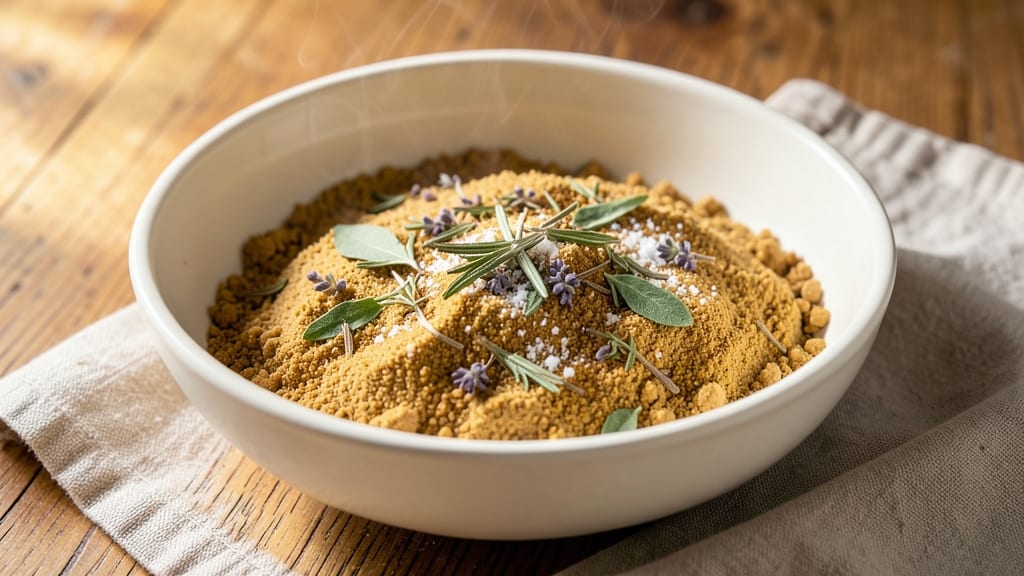
This vegan egg powder recipe transforms everyday baking into a fluffy, golden masterpiece without a single animal product. 💛 The secret lies in a simple blend of chickpea flour and baking powder that mimics egg's binding and leavening properties, creating textures that rival traditional recipes.
I developed this after years of perfecting plant-based baking, and the results are nothing short of remarkable—light, airy, and packed with herbaceous crunch.
The beauty of this method is its versatility—whether you're making pancakes, muffins, or even a vegan quiche, the powder works as a direct 1:1 substitute for eggs. No special equipment is needed, just a few pantry staples and a whisk.
The herb-infused variation adds an unexpected savory twist that elevates breakfast into a gourmet experience, proving vegan baking can be both nutritious and indulgent.
What you'll achieve is a dish that's perfectly golden on the outside and tender on the inside, with a subtle herbal aroma that lingers in every bite.
The powder dissolves seamlessly into batters, creating that signature fluffiness without compromising flavor. This recipe isn't just about replacing eggs—it's about redefining what plant-based breakfast can be.
The best part? You can make a batch of the powder in minutes and store it for weeks, ready to transform any recipe into a vegan-friendly version. Let's get started on creating breakfast that's as good for you as it is delicious.
Ingredients for vegan egg powder
Fluffy, golden, and packed with savory crunch—this vegan egg powder transforms any batter into a cloud.
| Ingredient | Amount | Notes |
|---|---|---|
| Chickpea Flour 🌾 | 1 cup | High-quality, finely milled |
| Baking Powder 🍞 | 2 tbsp | Aluminum-free for best results |
| Dried Thyme 🌿 | 1 tbsp | Freshly crushed leaves preferred |
| Dried Rosemary 🌿 | 1 tsp | Finely chopped for even distribution |
| Dried Sage 🌿 | 1 tsp | Crumbled for maximum aroma |
| Garlic Powder 🧄 | 1 tsp | Freshly ground preferred |
| Onion Powder 🧅 | 1 tsp | For depth of flavor |
| Sea Salt 🧂 | ½ tsp | Fine grain for even seasoning |
| Ground Black Pepper 🌶️ | ¼ tsp | Freshly cracked for potency |
| Nutritional Yeast 🧀 | 1 tbsp | Fortified for cheesy flavor |
| Tapioca Starch 🌾 | 1 tbsp | For light, airy texture |
| Extra-Virgin Olive Oil 🫒 | 1 tbsp | High-quality for richness |
The chickpea flour is the star here—it's what gives this powder that signature fluffiness. Bob's Red Mill is my go-to brand for their ultra-fine grind, but any high-quality organic brand works. The herbs are non-negotiable for that savory depth, so grab them fresh if possible, then dry and crush them yourself. Whole Foods or your local spice shop usually carry the best quality dried herbs. Nutritional yeast adds that cheesy kick without any dairy—it's a game-changer for vegan baking. For the olive oil, stick with extra-virgin; it adds richness that regular olive oil can't match.
No chickpea flour? Garbanzo bean flour is your next best bet, but it might need an extra tablespoon of tapioca starch to get that same light texture. Short on herbs? Dried parsley at half the amount works in a pinch, though it won't have the same depth. The baking powder must be aluminum-free—check the label, or you'll end up with a metallic aftertaste. If you're making a big batch, double the herbs and store them in an airtight container with a packet of silica gel to keep them potent for months. The nutritional yeast can be swapped for vegan Parmesan powder if you're feeling fancy, but it won't have the same umami punch.
This powder keeps for 6-8 weeks in an airtight container in a cool, dark place—think pantry, not fridge. For longer storage, freeze it in small portions and pull out what you need. The herbs will lose potency over time, so if your mixture starts to smell dull, it's time to make a fresh batch. I like to portion mine into small jars labeled by date—nothing worse than opening a jar and not remembering what you're dealing with. Use it within 3 months for the best flavor, and trust me, you'll want to make a fresh batch anyway once you taste the difference.
Why You'll Love This Recipe
- Pantry-to-Powder Magic: I swear by this trick—just whisk chickpea flour, baking powder, and those dried herbs together. No fancy equipment, no waiting for eggs to cook. Honestly, it’s the kind of recipe that makes me feel like a genius even though it’s stupidly simple.
- Herb Bomb Flavor: That trio of thyme, rosemary, and sage? It’s like a cozy hug in powder form. When I mix it into scrambled "eggs" or frittatas, the aroma alone makes the kitchen smell like Sunday brunch—no overpriced organic eggs needed.
- Meal Prep MVP: Between us, this stuff is my secret weapon for busy mornings. Toss a scoop into overnight oats for protein, or bake it into a quick flatbread when I’m too tired to think. My kids don’t even notice it’s vegan—(yes, even on a Tuesday night).
- Zero-Waste Budget Win: A bag of chickpea flour lasts forever, and those dried herbs? I buy them in bulk and use them in everything. No spoilage, no waste, and my wallet thanks me. Plus, the powder keeps indefinitely—talk about a pantry game-changer.
Step-by-step instructions for fluffy vegan egg powder clouds
Here's how to transform simple pantry staples into light, airy egg powder clouds with a savory herb crunch.
👨🍳 Step 1: Whisk Dry Ingredients Together
In a large mixing bowl, combine the 1 cup chickpea flour, 2 tbsp baking powder, 1 tbsp dried thyme, 1 tsp dried rosemary, 1 tsp dried sage, 1 tsp garlic powder, 1 tsp onion powder, 0.5 tsp sea salt, and 0.25 tsp ground black pepper. I like to use a whisk for this step—it helps break up any lumps in the chickpea flour and ensures even distribution of the herbs and spices.
Real talk: Don't skip sifting the dry ingredients if you have a fine-mesh sieve. This prevents dense pockets in your clouds and creates that signature light, airy texture. The herbs should be finely crumbled so they disperse evenly throughout the mixture.
👨🍳 Step 2: Incorporate the Nutritional Yeast and Starch
Next, add the 1 tbsp nutritional yeast and 1 tbsp tapioca starch to the dry mixture. These ingredients are game-changers—the nutritional yeast adds that cheesy, umami depth while the tapioca starch creates the perfect lightness. Stir everything together until you see no more flour streaks remaining.
Here's the thing—nutritional yeast can be potent, so taste a pinch before adding all of it. If you're making these for savory dishes, you might want to reduce it slightly to avoid overpowering the herb flavors. The tapioca starch should be completely dissolved into the flour mixture for best results.
🍳 Step 3: Add the Olive Oil and Mix to a Dough
Pour in the 1 tbsp extra-virgin olive oil and mix with your hands or a silicone spatula until the mixture comes together into a slightly crumbly dough. The olive oil binds everything while adding richness that mimics the fat content in traditional egg powder recipes.
This is where it gets fun—your dough should be soft but not sticky. If it's too dry, add a teaspoon of water at a time until it holds together when pressed. If it's too wet, sprinkle in a bit more chickpea flour. The perfect consistency is crucial for those fluffy, cloud-like results.
🥘 Step 4: Shape and Rest the Dough
Divide the dough into 4 equal portions (about ¼ cup each for 4 servings) and gently shape each into a smooth ball. I press down firmly on each ball to create a flat, even surface—this helps them puff up more consistently when baking.
Place the shaped dough balls on a parchment-lined baking sheet and let them rest at room temperature for 15-20 minutes. This resting period allows the gluten to relax, preventing them from spreading too much during baking. Don't skip this step—it makes a noticeable difference in texture.
🔥 Step 5: Bake to Golden Perfection
Preheat your oven to 400°F and bake the dough balls for 12-15 minutes until they're golden brown on the bottom and edges. You'll know they're done when they've puffed up significantly and developed a crispy exterior with a soft, pillowy center.
I like to rotate the baking sheet halfway through for even browning. Watch them carefully in the last 2 minutes—they go from perfect to overdone quickly. Once golden, transfer to a wire rack to cool for 5 minutes before serving. The contrast between the crispy exterior and soft interior is what makes these clouds so special.
Pro Tips For Making Vegan Egg Powder
- SIFT THE FLOUR FIRST: Chickpea flour loves clumps like a cat loves cardboard—skip the sifting, and you’ll end up with a gritty, uneven mix. Use a fine-mesh strainer or whisk it directly into your dry ingredients to break up any lumps before adding liquid. Trust me, your scrambled texture will thank you.
- WEIGH THE BAKING POWDER: That little box of baking powder? Spooning it straight from the container adds way too much. Use a kitchen scale for precise ¼ teaspoon measurements—too much, and your egg powder will taste bitter and flat. I learned this after one very sad batch of flat, chalky eggs.
- TOAST THE HERBS: Dried thyme, rosemary, and sage lose their punch when mixed raw. Lightly toast them in a dry pan for 30 seconds until fragrant—just until you smell that earthy aroma, not smoke. This makes the herbs work harder in your recipe, giving every bite a deeper savory kick.
- MIX DRY INGREDIENTS FIRST: Dumping everything in at once leads to uneven distribution, especially with herbs. Whisk chickpea flour, baking powder, and herbs together before adding water. This ensures every spoonful of your powdered "egg" has the same flavor and lift—no herb-heavy or bland surprises when cooking.
Dietary considerations for this vegan egg powder
Gluten-Free Adaptations
This recipe is naturally gluten-free thanks to the chickpea flour base, but always double-check your baking powder label—some brands contain gluten. I use Bob's Red Mill aluminum-free baking powder to ensure purity. For extra insurance, verify that your tapioca starch is certified gluten-free, as cross-contamination can occur during processing. 🌾
Nut-Free Safety
All ingredients in this recipe are inherently nut-free, making it perfect for those with nut allergies. The chickpea flour provides the binding properties without any risk of nut contamination.
I recommend using a dedicated food processor or clean workspace if you also handle nuts in your kitchen to prevent accidental cross-contact.
Soy-Free Options
This recipe is naturally soy-free, but always check your nutritional yeast label—some brands contain soy derivatives. I prefer Bragg Organic Nutritional Yeast as it's certified soy-free. The chickpea flour and other ingredients remain completely free from soy, making this a safe choice for soy-sensitive individuals.
Allergen-Free Storage
Store your egg powder in an airtight container with a silica gel packet to maintain freshness and prevent allergen cross-contamination. I like using glass jars with tight-sealing lids—they're easy to clean and maintain allergen-free environments. Label each container with the date and ingredients to track freshness and avoid mix-ups. ❄️
Sulfite-Free Considerations
All ingredients in this recipe are naturally sulfite-free, but always verify your dried herbs and spices. Some commercial brands add sulfites as preservatives. I recommend purchasing organic herbs from trusted sources like Penzeys Spices, which guarantees sulfite-free products. Freshly dried herbs will also be free from added sulfites.
Egg-Free Verification
This recipe contains no eggs or egg derivatives, making it a perfect vegan alternative. The chickpea flour and tapioca starch combination mimics egg's binding and leavening properties without any animal products.
For complete peace of mind, check all ingredient labels—especially your baking powder and nutritional yeast—to ensure no hidden egg derivatives were used during processing.
Nutrition facts
Frequently asked questions
Can I use this vegan egg powder for baking instead of eggs?
Yes! This powder works as a direct 1:1 substitute for eggs in most baked goods. For example, replace 2 eggs with 2 tablespoons of this powder mixed with 3 tablespoons water (let it sit for 5 minutes to thicken). It works best in muffins, pancakes, and quick breads where texture is key.
How long does the powder keep, and can I freeze it?
The powder stays fresh for 6-8 weeks in an airtight container at room temperature. For longer storage, freeze it in small portions—it keeps quality for up to 6 months. Thaw overnight in the fridge before use to maintain freshness.
What if I don't have chickpea flour? Can I substitute?
Yes! Use garbanzo bean flour as a 1:1 replacement, but add an extra 1 tablespoon tapioca starch per cup to improve lightness. For a quick fix, blend 1 cup whole chickpeas into a fine powder (though texture may vary slightly).
Will this powder work for savory dishes like vegan quiche?
The herb-infused version adds depth to savory dishes. Use 1 tablespoon powder per egg in quiche crusts or frittatas, mixed with 2 tablespoons water. The nutritional yeast gives a cheesy flavor that pairs perfectly with veggie fillings.
Why does my batter look too thick when using this powder?
This usually happens if the powder wasn't activated properly. Always mix the powder with 3x its volume in water and let it sit for 5 minutes before adding to batters. For example, 2 tbsp powder + 6 tbsp water. If still too thick, add 1 tbsp plant-based milk at a time.