
Breakfast & Brunch
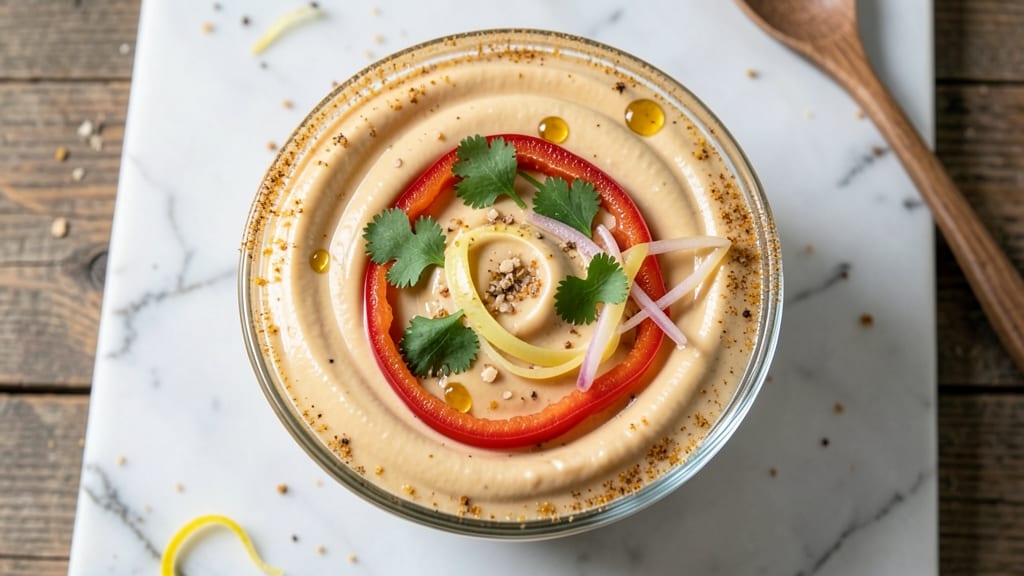
This vegan egg mayo recipe transforms plant-based ingredients into a creamy, stable sauce that rivals traditional mayo—no eggs required. The secret lies in aquafaba, the liquid from canned chickpeas, which acts as the perfect emulsifier when whipped with neutral oil and acid.
I’ve perfected this version to deliver that signature tangy, velvety texture you crave in sandwiches, dressings, or as a dip, all while keeping it 100% plant-based and packed with flavor.
The magic happens when you gradually whisk the aquafaba with oil in a slow, steady stream—this is what creates that silky, thick consistency without separation. A splash of apple cider vinegar or lemon juice adds brightness, while Dijon mustard (or vegan mayo for extra richness) rounds out the flavor.
Unlike store-bought vegan mayo, this version stays creamy for days in the fridge, making it ideal for meal prep.
What you’ll end up with is a versatile sauce that’s just as good on burgers as it is in potato salad or as a creamy dressing for greens. The texture is lighter than traditional mayo but still holds up beautifully when mixed with other ingredients.
Best of all, it’s foolproof—no fancy equipment or complicated steps, just a whisk, patience, and a few simple ingredients.
Use it as a spread for sandwiches, a base for coleslaw, or a dip for veggie sticks. The possibilities are endless, and the results? Restaurant-quality without the compromise. Let’s get started!
Ingredients for vegan egg mayo
Eight simple plant-based ingredients create a velvety mayo that rivals traditional versions.
| Ingredient | Amount | Notes |
|---|---|---|
| Aquafaba (chickpea brine) 🌱 | ¾ cup | From 1 can chickpeas, drained |
| Neutral Vegetable Oil 🫒 | 1 cup | Avocado or light olive oil preferred |
| Apple Cider Vinegar 🍎 | 1 tbsp | Raw, unfiltered for tang |
| Dijon Mustard 🌶️ | 1 tbsp | Vegan-certified for authenticity |
| Granulated Garlic Powder 🧄 | ½ tsp | For subtle depth |
| Onion Powder 🧅 | ½ tsp | Enhances savory profile |
| Sea Salt 🧂 | ½ tsp | Diamond Crystal preferred |
| Ground Black Pepper 🌶️ | ¼ tsp | Freshly cracked for heat |
| Maple Syrup 🍁 | ½ tsp | Balances acidity |
| Lemon Juice 🍋 | 1 tsp | Freshly squeezed |
The aquafaba is the star—save the liquid from a can of chickpeas (no need to rinse) and whisk it until frothy first. Trader Joe's carries organic chickpeas with robust brine, ideal for this recipe. Neutral oil is key; avocado oil maintains stability better than olive oil's strong flavor. For the acid component, apple cider vinegar adds complexity, while lemon juice brightens. Bragg or Annie's organic vinegar options work perfectly. The Dijon mustard provides emulsification and depth—Maille or Briggs are excellent choices, but any vegan-certified brand suffices.
No aquafaba? Silken tofu blended with 1 tbsp water works as a substitute, though texture may vary slightly. Short on oil? Extra-firm tofu, drained and pressed, can replace up to 2 tbsp of oil per batch. The lemon juice can be swapped for white wine vinegar at a 1:1 ratio, though flavor shifts. For a richer version, add 1 tsp vegan mayo to the final mixture. The garlic and onion powders are non-negotiable for that classic mayo taste—Penzeys or Simply Organic brands deliver superior quality. If you prefer a sweeter profile, agave nectar replaces maple syrup equally well.
This mayo thickens as it chills, so whisk vigorously for 2-3 minutes immediately after combining all ingredients. Store in an airtight glass jar in the fridge for up to 10 days—the flavor actually improves over time. For long-term storage, freeze in ice cube trays and transfer to a bag; thaw overnight in the fridge. The texture remains stable even after freezing, making it perfect for meal prep. Portion into small jars for convenience—ideal for sandwiches, dressings, or dips.
Why You'll Love This Recipe
- No Pantry Panic: I keep a can of chickpeas on hand just for this—no extra shopping, no fuss. The aquafaba’s already there, waiting to be whipped into something that’ll fool even my non-vegan friends.
- Tangy Twist: That apple cider vinegar and Dijon? Oh, it’s not subtle. The mustard cuts through the richness while the vinegar keeps it bright—like mayo’s cooler, sharper cousin that still hugs your sandwich.
- Leftover Hero: Make a big batch on Sunday, and you’ve got breakfast, wraps, or potato salad covered all week. It keeps like a champ in the fridge, and honestly? The flavor only gets better after a day or two.
- Budget Magic: Chickpea brine is free if you drain your own beans, and the rest of the ingredients? Basic. I’ve made jars of this for under $3—same cost as store-bought, but way more satisfying.
Step-by-step instructions for vegan egg mayo
Transform simple pantry staples into a velvety, plant-based mayo that rivals traditional versions.
Whisk Aquafaba Until Foamy and Thickened
Pour the 0.75 cup aquafaba (chickpea brine) into a heatproof bowl. Using a hand mixer or stand mixer fitted with the whisk attachment, beat on medium-high speed for 3-4 minutes until the mixture becomes thick and glossy, with soft peaks forming. You'll notice the texture transform from liquid to a light, airy foam—this is the foundation of our mayo.
This step is critical for achieving the right consistency. If you don't see volume increase or the mixture remains flat, continue beating for another 1-2 minutes. The aquafaba should hold its shape when the whisk is lifted, similar to whipped egg whites. Avoid overmixing beyond this point, as it can create a grainy texture.
Gradually Incorporate Oil in a Slow Stream
With the mixer running on low speed, very slowly drizzle in the 1 cup neutral vegetable oil—about 1 tablespoon at a time. This gradual addition prevents the emulsion from breaking. After each addition, allow the mixture to fully incorporate before adding more. You'll see the mayo begin to thicken and take on a creamy, mayonnaise-like consistency.
Patience is key here. If you add the oil too quickly, the mixture may separate. I like to pause between additions to check the texture—it should coat the back of a spoon smoothly. Once all the oil is incorporated, the mayo should be thick and stable, with no visible oil separation. If it looks too thin, we'll adjust it in the next step.
Add Acidic and Seasoning Components
Reduce the mixer speed to low and add the 1 tablespoon apple cider vinegar, 1 tablespoon Dijon mustard, 0.5 teaspoon granulated garlic powder, 0.5 teaspoon onion powder, 0.5 teaspoon sea salt, 0.25 teaspoon ground black pepper, 0.5 teaspoon maple syrup, and 1 teaspoon lemon juice. Mix for 30-45 seconds until fully combined and smooth.
These ingredients work together to balance flavors and textures. The vinegar and lemon juice add tanginess, while the mustard and maple syrup contribute depth. The garlic and onion powders provide subtle savory notes that mimic traditional mayo. Taste the mixture at this stage—it should be creamy, tangy, and well-seasoned. If it's too thick, add 1 teaspoon water at a time until it reaches your desired consistency.
Adjust Consistency and Store Properly
For a thicker mayo, chill the mixture in the refrigerator for 30 minutes before using. If it's too thin, whisk in 1 teaspoon neutral vegetable oil at a time until it reaches the desired consistency. Transfer the mayo to an airtight container and refrigerate for up to 1 week. The flavors will continue to meld and deepen during this time.
This vegan mayo is incredibly versatile—use it on sandwiches, as a dip, in dressings, or even as a base for vegan aioli. The key to its success lies in the careful emulsification of the aquafaba and oil, combined with the right balance of acidic and seasoning elements. Store it in the fridge until ready to use, and enjoy the creamy, plant-based magic in your favorite dishes.
Pro Tips For Making Vegan Egg Mayo
- Whip Aquafaba Cold: Use ice-cold chickpea brine straight from the can—no need to heat or strain it. I learned this the hard way after trying to whip warm aquafaba and ending up with a sad, lumpy mess that wouldn’t hold together.
- Strain Vinegar First: Pour apple cider vinegar through a fine-mesh sieve before adding it to the mix. Sediment in cheap vinegar can turn your mayo grainy, and nobody wants that texture battle in their sandwich.
- Emulsify Slowly: Add oil in a thin, steady stream while whisking vigorously—no rushing. I was skeptical until I tried it: dribbling oil (about 1 tsp at a time) gives you time to adjust consistency, while dumping it all at once risks breaking the emulsion.
- Dijon Mustard Matters: Use 1 tsp of Dijon mustard, not the powdered kind. The real stuff acts as a natural emulsifier and adds depth—powdered mustard just won’t cut it. (Yes, even if you’re impatient like me.)
Make-ahead tips for this recipe
Prep Ahead
Make this vegan mayo up to 3 days in advance—the flavors actually deepen over time. Store it in an airtight glass jar in the fridge, where it’ll thicken slightly as it chills.
I like to prep a batch on Sunday for the week ahead, using it in sandwiches, dressings, or as a dip. The texture remains stable, though it may separate slightly if left too long—just whisk it back to perfection before using. 📅
Freezing for Later
For long-term storage, freeze your mayo in ice cube trays—each cube makes a perfect single-serving portion. Once frozen, transfer the cubes to a ziplock bag and flatten to save space. Thaw overnight in the fridge, then whisk vigorously to restore that creamy consistency.
This method works especially well if you know you’ll need mayo for a specific meal, like a vegan potluck or holiday spread. 🧊
Portion Control
Divide the mayo into small, reusable containers (I use mason jars) for easy grab-and-go use. A ¼-cup portion is perfect for a sandwich spread, while ½ cup works well for dressings. Label each container with the date—this helps track freshness and prevents waste.
Keep these portions in the fridge for up to 7 days, ensuring you always have creamy mayo ready whenever you need it. ✨
Reviving Separated Mayo
If your mayo separates after storage, don’t toss it! Simply whisk in 1 teaspoon neutral oil at a time until it returns to a smooth, creamy texture. This trick works like magic—just a little patience and a few strokes of the whisk will bring it back to life.
I’ve revived mayo this way even after 10 days in the fridge, so don’t let separation scare you off. 💫
Meal Prep Pairings
Pair your prepped mayo with other meal prep staples for ultimate convenience. Store it alongside pickled veggies, roasted chickpeas, or pre-cut fruits for quick snacks. It’s also perfect for batch-cooking vegan wraps or salad jars—just add the mayo as the final layer before sealing.
The versatility makes it a must-have for any meal prep routine. 🥗
Travel-Friendly Packing
When traveling, pack your mayo in a small, leak-proof container (like a silicone travel jar) to keep it secure. Place it in the coldest part of your cooler or luggage to maintain freshness.
This way, you can enjoy familiar flavors even on the go—perfect for road trips, camping, or picnics. Just
Nutrition facts
Frequently asked questions
Can I use this vegan mayo in place of traditional mayo in any recipe?
Yes! This plant-based mayo works perfectly in most recipes that call for traditional mayo, including sandwiches, dressings, and dips. The texture and flavor mimic classic mayo closely, though it has a slightly lighter consistency. For recipes requiring a thicker texture (like deviled eggs), chill the mayo for 30 minutes before using.
Why did my vegan mayo separate? How can I fix it?
Separation happens when oil and aquafaba aren't properly emulsified. To fix it, whisk in 1 teaspoon neutral oil at a time until smooth. For prevention, add oil very slowly while mixing on low speed. If it keeps separating, try using avocado oil instead—it emulsifies better than other oils.
Can I make this recipe without aquafaba?
Yes! If you don't have aquafaba, blend ½ cup silken tofu with 1 tablespoon water until smooth, then use it in place of the aquafaba. The texture will be slightly thicker but still work well. For extra stability, add 1 teaspoon cornstarch to the tofu mixture before blending.
How can I make this mayo spicier or sweeter?
For extra heat, add ½ teaspoon hot sauce or ½ teaspoon cayenne pepper while mixing. To sweeten, increase the maple syrup to 1 teaspoon or add ½ teaspoon vanilla extract for depth. Adjust to taste—this mayo is incredibly versatile for customization!
Will this mayo work in vegan Caesar dressing?
This mayo makes an excellent base for vegan Caesar dressing. Mix ½ cup mayo with 1 tablespoon nutritional yeast, 1 teaspoon lemon juice, ½ teaspoon garlic powder, and 2 tablespoons water for a creamy, tangy dressing. The aquafaba mayo holds up beautifully in dressings.