
Main Courses
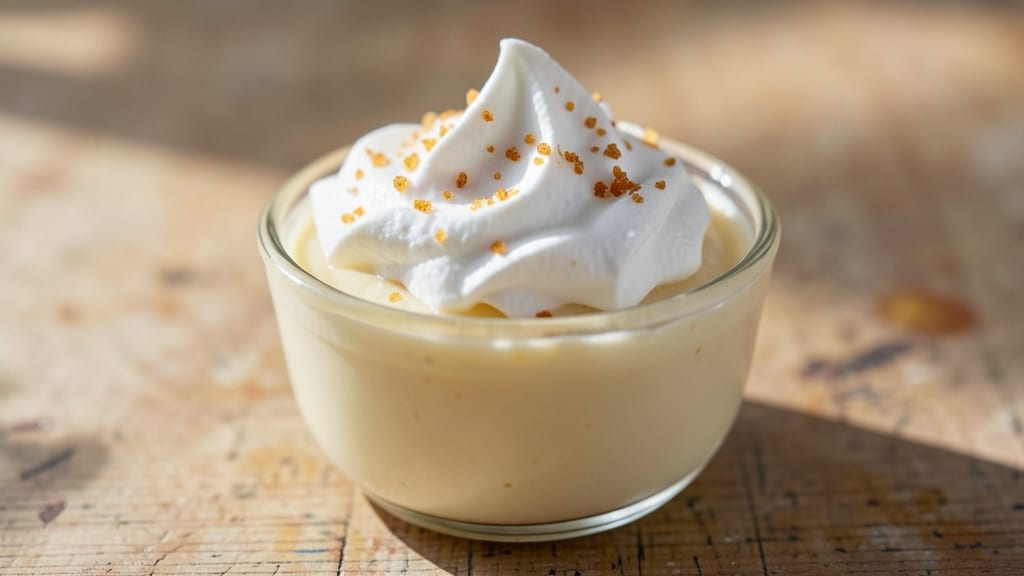
This tapioca pudding recipe with whipped egg whites transforms a classic dessert into something extraordinary—silky-smooth custard topped with clouds of light, airy meringue.
The secret lies in tempering egg whites just before folding them into the warm tapioca mixture, creating that signature cloud-like texture that sets this apart from traditional puddings. I developed this version after years of experimenting with textures, and it never fails to impress.
The beauty of this recipe is in its simplicity: just six core ingredients, but the technique makes all the difference. The tapioca thickens into a velvety base while the egg whites hold their structure until the final fold, ensuring that signature lift.
No special equipment is needed—just a whisk, a saucepan, and patience for the whites to reach perfect stiffness.
What you’ll end up with is a dessert that’s both elegant and comforting—creamy, slightly sweet, and topped with delicate, almost ethereal meringue. Serve it chilled, garnished with fresh berries or a drizzle of caramel, and watch it disappear faster than store-bought versions.
This is the kind of dessert that feels special without requiring hours in the kitchen.
Perfect for dinner parties, potlucks, or a cozy weekend treat, this pudding keeps well for up to three days in the fridge. The egg whites add a restaurant-quality finish, making it feel like a homemade chef’s creation. Let’s make it—your taste buds will thank you.
Ingredients for tapioca pudding recipe with whipped egg white
Six ingredients, precise technique—this transforms ordinary tapioca into a dessert with restaurant-quality lightness.
| Ingredient | Amount | Notes |
|---|---|---|
| Small Granule Tapioca Pearls 🍡 | ½ cup | Rinsed thoroughly before cooking |
| Whole Milk 🥛 | 3 cups | Full-fat preferred for creaminess |
| Granulated Sugar 🍚 | ¾ cup | Adjust to taste for sweetness |
| Large Egg Whites 🥚 | 5 whole | Room temperature for stability |
| Vanilla Extract 🌿 | 1 tbsp | Pure Madagascar preferred |
| Pinch Cream of Tartar 🧂 | ¼ tsp | Stabilizes egg whites |
| Salt 🧂 | ¼ tsp | Fine sea salt preferred |
| Unsalted Butter 🧈 | 2 tbsp | Cubed for garnish |
The tapioca pearls make all the difference—small granule varieties cook faster and create a smoother texture. Bob's Red Mill or Anthony's are reliable brands, but any quality brand works. Rinse them thoroughly before cooking to remove excess starch, which can make the pudding gummy. The milk should be full-fat for the creamiest result, though 2% works in a pinch. For the egg whites, room temperature is critical—they whip to stiffer peaks and fold more cleanly into the warm pudding. If your kitchen is humid, chill the bowl before whipping.
No vanilla extract? Vanilla bean paste or even vanilla sugar (1 tsp) works in a bind. The cream of tartar is non-negotiable for stable egg whites—if you're fresh out, lemon juice at half the amount is a decent substitute. For the sugar, turbinado or coconut sugar adds subtle depth, though granulated is fine. The butter should be cubed and melted separately to garnish—this adds richness without altering the pudding's texture. If you're serving this warm, skip the meringue and simply swirl the melted butter into the finished pudding for a decadent touch.
Store leftovers in an airtight container for up to 3 days in the fridge. The meringue topping, if added, should be made fresh or baked separately to avoid sogginess. For a make-ahead option, prepare the pudding base up to 24 hours ahead and refrigerate. The egg whites can be whipped the day of serving—just cover them with plastic wrap touching the surface to prevent drying. Reheat gently in the microwave for 30-second intervals if serving warm, stirring between each to maintain silkiness.
Why You'll Love This Recipe
- Here’s what sold me: that whisper-soft texture from the whipped egg whites folded into the pudding. It’s like biting into a cloud that’s somehow still rich and vanilla-kissed—no chalky aftertaste, just pure, dreamy satisfaction. (Yes, even on a Tuesday night.)
- No Fuss, One Bowl: I swear by this recipe because it’s the kind of dessert that doesn’t demand a separate kitchen—just a saucepan, a whisk, and 20 minutes of my time. Those tiny tapioca pearls soak up the milk like a dream while I whip the egg whites to fluffy clouds, no fancy tools needed.
- Velvet Clouds Meet Cream: Here’s what sold me: that whisper-soft texture from the whipped egg whites folded into the pudding. It’s like biting into a cloud that’s somehow still rich and vanilla-kissed—no chalky aftertaste, just pure, dreamy satisfaction. (Yes, even on a Tuesday night.)
- Leftover Hero: Between us, this pudding begs to be made in bulk. The egg whites keep it light for days, and the tapioca holds its shape—perfect for packing lunches or sneaking into breakfast bowls. My kids actually ask for it cold, straight from the fridge.
Step-by-step instructions for silky tapioca pudding with whipped egg whites
Master this technique and you'll achieve restaurant-quality texture—creamy tapioca base topped with cloud-like meringue.
Prepare the Tapioca Base
In a medium saucepan, combine the 0.5 cup small granule tapioca pearls with the 3 cups whole milk and 0.75 cup granulated sugar. Stir gently to dissolve the sugar completely—any undissolved crystals will create graininess in your final pudding.
Place the saucepan over medium heat and bring to a gentle simmer. You'll notice the mixture thickens gradually—this can take 15-20 minutes. Stir frequently with a wooden spoon, scraping the bottom to prevent sticking. The pudding is ready when it reaches a pudding-like consistency, coating the back of a spoon and leaving a clear path when you draw your finger through it. Remove from heat immediately to prevent overcooking, which would make it gummy.
Stabilize and Sweeten the Egg Whites
While the tapioca mixture cooks, prepare the egg whites in a spotlessly clean, grease-free bowl. Add the 5 whole large egg whites along with the 0.25 tsp pinch cream of tartar and 0.25 tsp salt. The cream of tartar is crucial here—it stabilizes the whites and creates stiffer peaks, preventing them from deflating when folded into the warm pudding.
Using a handheld mixer or stand mixer with the whisk attachment, beat the egg whites on low speed until frothy. Gradually increase to medium-high speed and whip until soft peaks form. This typically takes 3-4 minutes. The whites should hold their shape when the whisk is lifted, but the peak should still flatten slightly at the tip. Avoid over-whipping—you want soft peaks, not dry, crumbly meringue.
Incorporate Vanilla and Fold in Egg Whites
Return the cooked tapioca mixture to the stove over low heat. Stir in the 1 tbsp vanilla extract and let it warm through for 1-2 minutes. This step infuses the flavor evenly—don't skip it, as vanilla needs time to meld with the warm milk base.
Remove the saucepan from heat and let the tapioca cool slightly for 2-3 minutes until it reaches lukewarm temperature (around 100°F). This prevents the egg whites from cooking when folded in. Using a rubber spatula, gently fold one-third of the egg whites into the tapioca mixture to lighten it. Then, carefully fold in the remaining egg whites in two additions, being sure to preserve as much air as possible. The goal is to create a marbled effect with ribbons of white throughout the pudding.
Chill and Garnish
Divide the pudding into 6 serving ramekins or a single large dish. Cover each with plastic wrap, pressing the wrap directly onto the surface to prevent a skin from forming. Refrigerate for at least 4 hours or overnight—this allows the flavors to fully develop and the textures to set properly.
Before serving, garnish each portion with 2 tbsp cubed unsalted butter on top. The butter adds a luxurious finish and prevents the meringue from sticking to the ramekin. Serve immediately for the perfect contrast between the silky warm pudding and the cool, cloud-like egg white topping.
Pro Tips For Making Tapioca Pudding Recipe With Whipped Egg White
- STIR CONSTANTLY FIRST 15 MINUTES: I learned this the hard way—skipping the stir turns your tapioca into a gluey mess. Use a wooden spoon and keep those pearls moving until they’re fully hydrated and translucent, or they’ll clump like overworked dough.
- USE COLD MILK FOR STABILITY: Warm milk makes tapioca break down too fast. Measure your whole milk cold, then heat it just to a simmer—no boiling—so the sugar dissolves without turning your pudding into a thin, grainy slurry.
- WHIP EGGS TO STIFF PEAKS: If your egg whites fold in like wet paper, your pudding will sink. Beat them until they hold a firm peak when you lift the whisk—this is non-negotiable. (Yes, even if you’re impatient like me.)
- SWEETEN THE MIX BEFORE FOLDING: Dissolve all the sugar into the warm milk-tapioca mixture first. If you fold in unsweetened whipped eggs, you’ll end up with pockets of blandness—like eating a cloud with a sugar-free hole in the middle.
Common mistakes when making great tapioca pudding recipe with whipped egg white
Overcooking Tapioca
Your pudding turns gummy or gluey when you overcook the tapioca. I’ve seen this happen when people walk away from the stove or don’t stir frequently enough.
The moment the mixture reaches that perfect pudding-like consistency—where it coats the back of a spoon but still moves freely—remove it from heat immediately. Overcooking by even 1-2 minutes can ruin the texture.
Pro tip: Set a timer for 15-20 minutes once it starts simmering, but always check the consistency first. 🌡️
Underwhipped Egg Whites
If your egg whites aren’t whipped to soft peaks, they’ll deflate when folded into the warm pudding, leaving you with a dense, flat dessert. I’ve made this mistake more than once—skipping the cream of tartar or rushing the whipping process.
Use a clean, grease-free bowl and whip until the whites hold their shape when you lift the whisk. If they look too stiff or dry, you’ve gone too far; the goal is soft, glossy peaks that still flatten slightly at the tip.
Folding Too Aggressively
Aggressive folding destroys the air in the egg whites, defeating the whole purpose of adding them. I learned this the hard way when I tried to "mix it in" like a regular batter.
Instead, use a rubber spatula and gently fold in thirds—first one-third to lighten the pudding, then the remaining whites in two additions. Work quickly but deliberately, preserving as much air as possible. The result should look marbled with ribbons of white throughout the pudding. 💫
Skipping the Cooling Step
Folding egg whites into a pudding that’s still hot will cook them, turning them into scrambled eggs. Always let the tapioca cool to lukewarm (around 100°F) before folding. I test this by touching the back of my hand to the saucepan—if it’s too hot to hold comfortably, it’s not ready.
Patience here is key; rushing this step is a surefire way to end up with a sad, deflated pudding.
Using Cold Egg Whites
Cold egg whites whip up with more air but deflate faster when folded into warm pudding. Room-temperature whites whip more consistently and hold their structure better. If your kitchen is cold, let the egg whites sit in the bowl for 10-15 minutes before whipping.
I keep a bowl of warm water nearby in winter to speed this up. Never use cold whites straight from the fridge—it’s a recipe for disappointment. ❄️
Not Pressing Plastic Wrap
Leaving even a tiny air pocket on the surface of your chilled pudding creates a skin that’s unappetizing and tough. Press plastic wrap directly onto the pudding’s surface before refrigerating. I use a small plate or my palm to smooth it out completely.
This also prevents the meringue from forming a skin if you’re making it separately. Trust me, this small step makes all the difference in texture and presentation.
Nutrition facts
Frequently asked questions
Why does this recipe use whipped egg whites instead of meringue?
Whipped egg whites create a lighter, cloud-like texture that blends seamlessly with the tapioca base, while traditional meringue would create distinct layers. The gentle folding technique preserves the airiness, giving you that signature restaurant-quality lightness without a separate topping. Plus, it's easier to achieve with basic kitchen tools!
Can I make this recipe without a mixer for the egg whites?
Use a whisk and your arm muscles for 5-7 minutes of vigorous whipping. Work in a spotlessly clean bowl and whip until you see soft peaks form. The key is patience—whisking by hand just requires more elbow grease than electricity. A bowl of warm water nearby can help speed up the process in cold kitchens.
How do I know when the tapioca is fully cooked?
Look for three signs: the mixture should coat the back of a spoon but still move freely, leave a clear path when you draw your finger through it, and bubble gently at the edges. It typically takes 15-20 minutes from when it first simmers. Remove it immediately when it reaches this consistency—overcooking by even 1 minute can make it gummy.
What can I substitute if I don't have cream of tartar?
Use ½ teaspoon lemon juice or ½ teaspoon white vinegar as a substitute. These acids help stabilize the egg whites, though they won't be quite as effective as cream of tartar. Add them to the egg whites along with the salt before whipping. The whites may not hold their shape as well, so work quickly when folding them into the pudding.
Can I make this ahead of time?
Yes! Prepare the tapioca base up to 24 hours ahead and refrigerate it. Whip the egg whites fresh and fold them in just before serving. For best results, chill the assembled pudding for at least 4 hours before serving. The flavors develop more fully with time, and the textures set properly for that perfect silky texture.