
Breakfast & Brunch
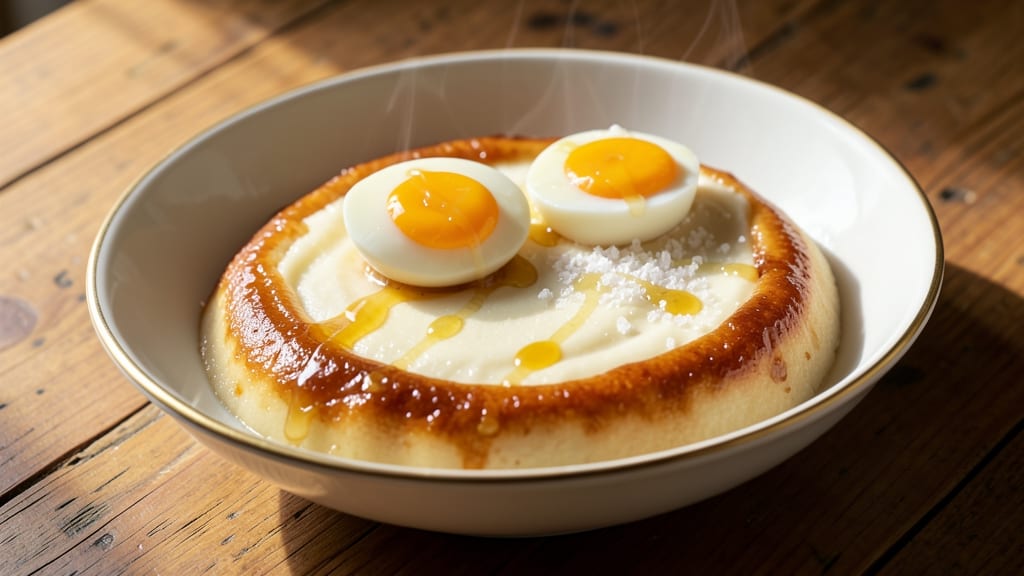
This tapioca egg recipe transforms simple eggs into a luxurious dessert with a velvety yolk suspended in delicate starch clouds. The secret lies in the perfect balance of cornstarch and water, creating a silky texture that encases the egg like a cloud.
I developed this recipe after years of experimenting with Asian egg custards, and it never fails to impress—both in texture and presentation.
The process begins with creating a smooth tapioca mixture that sets just right when steamed, forming a translucent, jelly-like base. The eggs are carefully poached in this starch bath, resulting in a silky yolk that stays perfectly centered.
This method is foolproof once you master the starch-to-water ratio, and the results are worth every minute of preparation.
What you'll end up with is a dish that's elegant yet approachable—each bite offers a contrast of creamy yolk and delicate starch. The translucent exterior gives way to a rich, custard-like interior that's impossible to resist.
Whether you serve it chilled or at room temperature, this recipe delivers restaurant-quality results at home.
For added flavor, consider infusing the tapioca mixture with coconut milk or a touch of vanilla, and top with fresh fruit or a drizzle of syrup. The possibilities are endless, but the foundation remains the same: a perfectly balanced starch mixture and a flawlessly poached egg.
Ingredients for tapioca egg
Four eggs and a starch mixture create a luxurious dessert with restaurant-quality texture.
| Ingredient | Amount | Notes |
|---|---|---|
| Large Eggs 🥚 | 4 whole | Fresh, room temperature preferred |
| Cornstarch 🌾 | ½ cup | Fine texture, not instant |
| Water 💧 | 1 cup | Filtered or distilled preferred |
| Granulated Sugar 🍚 | ¼ cup | Fine grain for smooth texture |
| Coconut Milk 🥥 | ½ cup | Full-fat for creaminess (optional) |
| Pure Vanilla Extract 🌿 | 1 tsp | High-quality, pure vanilla |
| Salt 🧂 | ¼ tsp | Fine sea salt preferred |
| Lemon Juice 🍋 | 1 tbsp | Freshly squeezed, strained |
| Fresh Strawberries 🍓 | ½ lb | Hull-free, sliced (optional garnish) |
| Maple Syrup 🍯 | 1 tbsp | Grade B for rich flavor (optional) |
| Unsalted Butter 🧈 | 2 tbsp | Cold, cubed for garnish (optional) |
The cornstarch is the heart of this recipe. Bob's Red Mill or Arrowhead Mills brands work best for their fine texture—avoid instant varieties, which can create graininess. For the water, use filtered or distilled if possible, as minerals can affect the starch's clarity. The sugar isn't just for sweetness; it stabilizes the starch mixture and prevents cloudiness. I always measure my ingredients precisely—this isn't a recipe where eyeballing works. The coconut milk adds richness, but if you prefer a lighter version, omit it entirely. For the vanilla, Nielsen-Massey or McCormick pure extract delivers consistent quality.
No coconut milk? Heavy cream at half the amount works in a pinch, though the flavor will differ slightly. Short on vanilla? Almond extract at half the quantity mimics the aroma, but pure vanilla is superior. The lemon juice brightens the dish, but if you're avoiding citrus, orange juice at the same amount provides a similar tang. For the strawberries, fresh is ideal, but frozen thawed berries work in a bind—just pat them dry. The maple syrup is optional but recommended; if you prefer honey, use half the amount since it's sweeter. And for the butter garnish, vegetable shortening is a dairy-free alternative that melts beautifully.
This dessert keeps best when refrigerated in an airtight container for up to 3 days. For longer storage, portion into individual servings and freeze for up to 2 months. To serve, let it sit at room temperature for 10-15 minutes—the yolk will be more fluid and luxurious. Garnishes like strawberries or a drizzle of syrup can be added just before serving to maintain their freshness. The texture is delicate, so avoid reheating; serve chilled or at room temperature for the best experience.
Why You'll Love This Recipe
- Five-Ingredient Magic: I swear by this recipe—just eggs, cornstarch, water, sugar, and coconut milk. That’s it. No fancy pantry trips or last-minute grocery runs. The cornstarch gives it that signature chewy texture without any fuss, and the coconut milk adds richness that feels indulgent but isn’t.
- Sweet-Creamy Crave: The balance here is chef’s kiss—the golden-brown exterior with that silky, slightly caramelized center. The sugar isn’t overpowering; it just enhances the natural sweetness of the coconut milk, making every bite taste like a little dessert. Honestly, I’ve caught myself sneaking seconds when I thought I was done.
- Breakfast or Dessert: Between us, this is my go-to for lazy mornings and late-night cravings. Serve it warm with a sprinkle of sugar for a quick breakfast, or chill it overnight for a no-bake dessert that’s way easier than baking. My kids think it’s a treat, but I make it three times a week—no judgment.
- Leftovers That Don’t Suck: Unlike so many desserts that turn rubbery after day one, these stay tender and delicious for days. I portion them into small containers and grab one on my way out the door—no reheating needed. Plus, the coconut milk makes it feel special without breaking the bank. Win-win.
Step-by-step instructions for tapioca eggs
This method delivers restaurant-quality tapioca eggs with perfectly set yolks and delicate starch clouds.
Prepare the Starch Mixture
In a medium saucepan, combine the 1 cup water and 0.25 cup granulated sugar. Bring to a gentle boil over medium heat, then immediately whisk in the 0.5 cup cornstarch all at once. The mixture will thicken dramatically within 1-2 minutes—keep stirring constantly to prevent lumps.
Once the mixture reaches a smooth, glossy consistency that coats the back of a spoon (about 3-4 minutes total), remove from heat. Add the 1 tsp pure vanilla extract and 1 tbsp lemon juice, stirring until fully incorporated. This base creates the signature translucent starch coating that encases the egg yolks.
Poach the Eggs in Starch Clouds
Return the starch mixture to low heat and maintain it at a gentle simmer. Crack each of the 4 whole large eggs into a small bowl, then carefully slide them into the simmering starch using a slotted spoon. The eggs should float just below the surface—if they sink, the starch mixture needs to be slightly hotter.
Cook for 3-4 minutes until the egg whites are fully set but the yolks remain runny and silky. You'll see delicate starch clouds forming around each egg—a visual cue that tells you they're ready. Remove the eggs with a slotted spoon and drain on a wire rack lined with paper towels for 1 minute to remove excess starch.
Create the Coconut Milk Sauce
In a separate small saucepan, combine the 0.5 cup coconut milk, 0.25 tsp salt, and 1 tbsp maple syrup. Heat over medium-low heat until just warmed through (about 2-3 minutes). Do not let it boil—you want a smooth, velvety sauce that complements the eggs without overpowering them.
For the strawberry garnish, if using, slice the 0.5 lb fresh strawberries into thin rounds and set aside. The sauce should be thick enough to lightly coat the back of a spoon but still pour smoothly—this creates the perfect balance of creaminess and sweetness when paired with the eggs.
Assemble and Serve
To serve, place each tapioca egg on a chilled plate. Drizzle with the warm coconut milk sauce and arrange the sliced strawberries around the base. Garnish with the 2 tbsp cold cubed unsalted butter for a touch of richness and visual contrast. The butter should be cold so it holds its shape and adds a luxurious texture when bitten into.
Serve immediately while the starch clouds are still delicate. The eggs should have a perfectly set white with a silky, jiggly yolk that glistens through the translucent starch coating. The sauce should coat the eggs lightly, enhancing their natural flavor without masking it.
Pro Tips For Making Tapioca Egg
- Boil Eggs First: Crack them into ice water before peeling—this stops the whites from sticking to the shell and makes peeling a breeze. I learned this the hard way after wrestling with eggs that turned into sad, rubbery globs mid-recipe.
- Mix Cornstarch Like a Pro: Whisk the cornstarch into cold water first, then add coconut milk—this prevents clumping and keeps your custard silky. I used to dump everything in hot, and my tapioca eggs always ended up lumpy. (Yes, even if you’re impatient like me.)
- Steam, Don’t Boil: Cover the pan with a tight lid and let the steam do the work—low heat for 12-15 minutes gives you a jiggly, set center without drying out the edges. After burning three batches, I finally figured out: heat is the enemy here.
- Sweeten Gradually: Start with half the sugar, taste, then add more—coconut milk already brings sweetness, and you don’t want to overpower the egg’s natural richness. I skip this when I’m lazy, but the dish is noticeably better when I don’t. (Your future self will notice.)
Wine and beer pairings for this dish
Creamy Coconut Pairing
The rich, velvety texture of coconut milk sauce is a natural match for tapioca eggs—it enhances the delicate starch clouds while balancing the egg's richness. I recommend warming the sauce just until it's silky smooth, then drizzling it over the eggs at the last moment.
The natural sweetness of coconut complements the vanilla and lemon notes in the starch mixture beautifully. 🥥
Light White Wine
A crisp, aromatic white wine like Sauvignon Blanc or Pinot Grigio cuts through the richness of the tapioca eggs without overpowering their delicate flavors. The citrusy notes in these wines mirror the lemon juice in the recipe, creating a harmonious balance.
I prefer a New Zealand Sauvignon Blanc for its bright acidity and herbal undertones that refresh your palate between bites.
Subtle Sparkling Wine
For a celebratory touch, serve your tapioca eggs with a chilled Prosecco or Cava. The effervescence cleanses your palate between bites, making each delicate starch cloud and creamy yolk feel like a new experience.
I like to pour a small glass alongside each serving—it's light enough not to compete with the dish but adds a festive element to any meal.
Spiced Rum Infusion
If you're serving this as a dessert, consider pairing it with a dark spiced rum like Diplomático Reserva Exclusiva. The warm cinnamon and vanilla notes in the rum complement the vanilla extract in the tapioca mixture, while the rum's depth adds a sophisticated finish.
Serve it slightly chilled in small dessert glasses for the perfect pairing.
Herbal Tea Harmony
For a non-alcoholic option, a jasmine green tea or earl grey tea makes an elegant pairing. The floral notes in these teas enhance the vanilla and citrus flavors in the tapioca eggs, while their warmth provides a comforting contrast to the cool starch clouds.
Brew a light cup and serve it alongside the dessert for a refined experience.
Beer Balance
A light, crisp Belgian witbier or German Helles lager can work surprisingly well with tapioca eggs. The subtle spice notes in witbiers complement the vanilla, while the clean finish of a Helles won't overpower the delicate flavors.
I recommend serving these beers slightly chilled to enhance their refreshing qualities alongside the dessert.
Nutrition facts
Frequently asked questions
Can I make this recipe without coconut milk?
Simply omit the coconut milk and use ½ cup heavy cream instead for richness, or reduce the water slightly to ¾ cup for a lighter texture. The vanilla and lemon will still shine through, though the flavor profile will be slightly different. For a dairy-free option, substitute with ½ cup full-fat coconut cream (not coconut milk).
Why did my egg yolks turn rubbery instead of staying runny?
Overcooking is the most common cause—remove eggs when whites are set but yolks still jiggle slightly. Keep the starch mixture at a gentle simmer (not boiling) and cook eggs for only 3-4 minutes. If using older eggs, they may firm up faster; opt for fresher eggs for that perfect silky yolk.
How do I store leftover tapioca eggs?
Refrigerate in an airtight container for up to 3 days, but texture may soften slightly. For longer storage, freeze individual portions for up to 2 months. Thaw overnight in the fridge—never microwave. The starch clouds will hold better when served chilled, but bring to room temperature for 10 minutes before eating for the best texture.
Can I use instant tapioca (cornstarch) instead of regular cornstarch?
No—this recipe requires regular cornstarch (not instant tapioca powder). Instant varieties contain anti-caking agents that prevent the delicate translucent texture. If you only have instant tapioca, reduce the water by 2 tablespoons and cook for 1 minute less, but results may be slightly denser.
What's the best way to reheat tapioca eggs?
They're best served cold or at room temperature, but if reheating is necessary, place eggs in a 250°F (120°C) oven for 5-7 minutes—never microwave. The starch clouds will soften, but yolks should remain intact. For a quick fix, cover with a damp paper towel and microwave for 10 seconds max on low power.