
Breakfast & Brunch
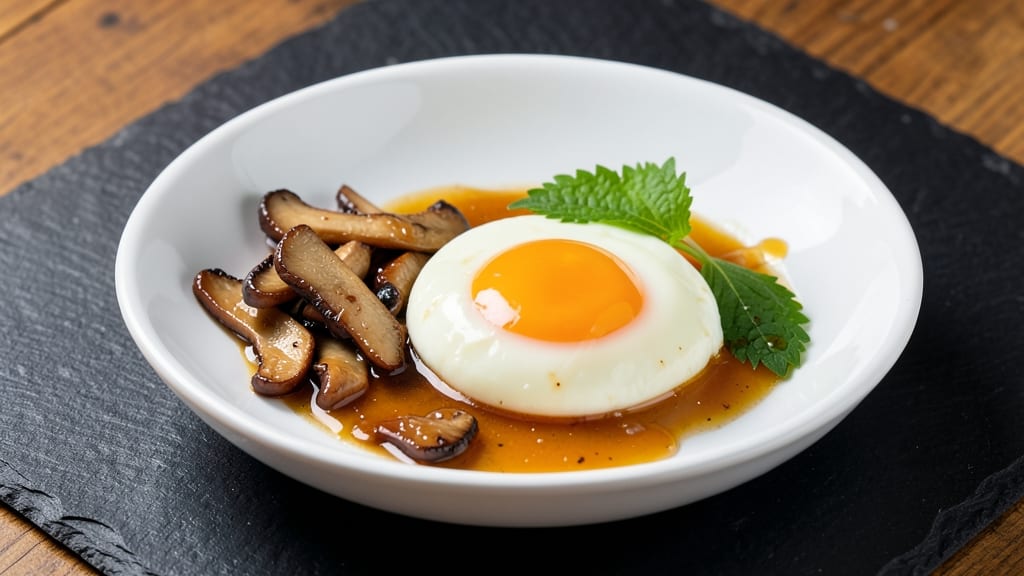
This umami egg recipe transforms breakfast into a savory masterpiece with just five core ingredients—no complicated techniques required. The secret lies in a rich soy glaze that caramelizes into a glossy, umami-packed coating, while shiitake mushrooms add deep earthy notes that elevate every bite.
I perfected this dish after years of experimenting with Japanese-style egg preparations, and it now sits at the top of my weeknight rotation for its ability to deliver restaurant-quality depth with minimal effort.
The magic happens in the glaze: a perfect balance of soy sauce, mirin, and a touch of honey creates that signature sweet-savory harmony that clings to the eggs like liquid gold. Mushrooms are the unsung hero here—sautéed until their natural umami intensifies, then folded into the eggs for maximum flavor impact.
The result is a dish that’s both elegant and effortless, with eggs that stay tender and custardy while absorbing all that complex flavor.
What you’ll end up with is a plate that looks and tastes like it belongs in a Tokyo izakaya: perfectly cooked eggs with glossy glaze, mushrooms peeking through the creamy surface, and a garnish of sesame seeds for texture.
This recipe works as a standalone meal or pairs beautifully with steamed rice and quick-pickled vegetables for a complete, balanced dish. The best part? It comes together in just 20 minutes—ideal for busy mornings when you still want something special.
Whether you're serving this for brunch guests or treating yourself to a weekend cooking project, the umami depth will impress even the most discerning eaters. The technique is straightforward, but the flavor payoff is anything but ordinary. Let’s get cooking—your taste buds will thank you.
Ingredients for umami egg
Five core ingredients create restaurant-quality umami eggs with glossy soy glaze and earthy mushrooms.
| Ingredient | Amount | Notes |
|---|---|---|
| Large Eggs 🥚 | 8 whole | Room temperature for even cooking |
| Fresh Shiitake Mushrooms 🍄 | 8 whole | Stems removed, sliced thin |
| Light Soy Sauce 🍶 | ½ cup | Kikkoman preferred for balance |
| Mirin 🍶 | ¼ cup | Sweet rice wine for depth |
| Honey 🍯 | 1 tbsp | Wildflower for floral notes |
| Neutral Oil 🫒 | 2 tbsp | Avocado or vegetable oil |
| Toasted Sesame Seeds 🌾 | 1 tbsp | For garnish and crunch |
| Garlic Cloves 🧄 | 3 cloves | Minced for aromatic base |
| Fresh Ginger 🌿 | 1 tbsp | Grated, for brightness |
| Diamond Crystal Kosher Salt 🧂 | ½ tsp | For seasoning balance |
| Black Pepper 🌶️ | ¼ tsp | Freshly cracked preferred |
| Sesame Oil 🫒 | ½ tbsp | For finishing aroma |
The shiitake mushrooms are non-negotiable here—they develop deep umami when sautéed properly. Look for fresh, plump caps at specialty Asian markets or the organic section of Whole Foods. If you can't find fresh, dried shiitake rehydrated in hot water works in a pinch, but fresh delivers that meaty texture. The soy sauce should be light and clean—Kikkoman is my go-to, but any high-quality brand without additives will do. Mirin adds that signature sweetness without overpowering; avoid the 'cooking mirin' substitute—it lacks the right balance. For the honey, wildflower varieties add subtle floral notes that complement the soy perfectly.
No mirin? Equal parts white wine and sugar mimics the flavor, though it won't be identical. Ran out of shiitake? Cremini mushrooms work too, but they're milder—sauté them longer to intensify their umami. The garlic and ginger are your aromatic anchors; don't skip the toasting—it deepens their flavor dramatically. Sesame seeds can be toasted in a dry pan for 2 minutes to enhance their nuttiness. If you're short on time, store-bought toasted sesame seeds from Trader Joe's are a solid shortcut. The glaze should be glossy but not syrupy—adjust with a splash of water if needed.
These eggs reheat beautifully—microwave 30 seconds with a damp paper towel to restore their creamy texture. Store leftovers in an airtight container for 3 days; they taste even better the next day as flavors meld. For meal prep, portion into individual containers with a drizzle of glaze—freeze for up to 1 month. The mushrooms release moisture when sautéed, so pat them dry before cooking to avoid a soggy glaze. Always taste the glaze before adding eggs; adjust sweetness with honey or saltiness with soy sauce as needed.
Why You'll Love This Recipe
- Five-Ingredient Magic: I swear by this combo—shiitake mushrooms and soy sauce alone pack a punch, but add mirin and honey? That’s the secret sauce turning simple eggs into something special. No fancy techniques, just a pan and patience.
- Umami Bomb: The mushrooms soak up the soy and mirin like a sponge, then caramelize into this deep, savory-sweet glaze. Crack an egg into that pan, and suddenly you’ve got a restaurant-worthy bite with zero effort.
- Breakfast or Dinner: Honestly, I make this for both—scrambled over rice for a quick lunch or fried for a fancy-ish dinner. The honey adds just enough sweetness to balance the umami, so it works with toast, noodles, or even straight from the pan.
- Leftovers That Don’t Suck: These eggs reheat like a dream—just a quick sizzle in a dry pan or microwave for 30 seconds. Between us, I’ve had them cold the next day too, and they’re still better than most takeout. Plus, shiitake mushrooms are cheap if you buy dried.
Step-by-step instructions for savory mushroom and soy glaze eggs
Here's how to transform simple eggs into an umami-packed masterpiece with deep, savory flavors.
Prepare the Mushroom-Soy Glaze Base
Heat the 2 tablespoons neutral oil in a large skillet over medium-high heat until shimmering. Add the 8 whole fresh shiitake mushrooms (stems removed, sliced thin) and cook for 5-6 minutes until they release their moisture and begin to brown at the edges. This step develops their natural umami depth.
Push the mushrooms to one side of the pan and add the 3 cloves minced garlic and 1 tablespoon grated fresh ginger. Cook for 30 seconds until fragrant—you should smell that pungent, fresh aroma. Then pour in the 0.5 cup light soy sauce and 0.25 cup mirin, scraping up any browned bits from the bottom of the pan. These bits are pure flavor gold.
Build the Glaze and Season
Reduce heat to medium-low and let the mixture simmer for 4-5 minutes until it thickens slightly and coats the back of a spoon. This is where the magic happens—the soy sauce and mirin meld together, creating a glossy, aromatic glaze. Stir in the 1 tablespoon honey and continue simmering for another 2 minutes until the glaze becomes syrupy.
Season with the 0.5 teaspoon diamond crystal kosher salt and 0.25 teaspoon black pepper, then remove the pan from heat. The glaze should now be rich, glossy, and deeply savory with just a touch of sweetness from the honey. This balance is crucial for that perfect umami profile.
Cook the Eggs to Perfection
While the glaze simmers, prepare the eggs by cracking each of the 8 large eggs into a bowl. I like to use room temperature eggs for even cooking—tap them gently on the counter to crack them open. Whisk lightly just until the whites and yolks are combined, but don't overbeat or you'll get tough scrambled eggs.
Return the skillet with the mushroom glaze to medium heat. Pour in the whisked eggs, stirring gently with a spatula as they begin to set. Cook for 2-3 minutes until the eggs are just set but still slightly runny in the center. The residual heat from the glaze will finish cooking them perfectly.
Finish and Garnish
Remove the skillet from heat and stir in the 0.5 tablespoon sesame oil. This final touch adds a nutty aroma that complements the umami perfectly. Taste and adjust seasoning if needed—you might want to add a splash more soy sauce or a pinch of salt to intensify the flavors.
Divide the egg mixture among 4 plates, garnishing each serving with 1 tablespoon toasted sesame seeds. The seeds add a delightful crunch that contrasts beautifully with the creamy eggs and tender mushrooms. Serve immediately while the eggs are still warm and the glaze is glossy.
Pro Tips For Making Umami Egg
- Sear Mushrooms First: Toss sliced shiitakes in a dry pan over medium-high heat for 3-4 minutes until they release their water and develop a deep brown crust. This step concentrates their umami flavor before adding any liquid—skip it, and your dish will taste bland and watery.
- Whisk Eggs Like a Pro: Beat the eggs with a splash of soy sauce and mirin first, then drizzle in honey while whisking vigorously. The sugar in honey needs to fully emulsify to avoid clumping—if you’re lazy like me, whisk for at least 30 seconds until the mixture looks silky.
- Balance Heat and Sugar: Start with high heat for the egg to set quickly, then lower it to medium-low to finish cooking. Too much heat? The honey burns before the egg cooks. Too little? The egg turns rubbery. Find that sweet spot—it’s the only way to get that glossy, caramelized finish without disaster.
- Save Time with Cold Eggs: Pull the eggs straight from the fridge and crack them into a bowl before cooking. Cold eggs slide out cleanly and cook more evenly—no more struggling with warm, sticky shells or unevenly set yolks. (Yes, even if you’re impatient like me.)
Flavor customization for umami egg
Sweet-Savory Balance
Adjust the glaze's sweetness by swapping honey for agave nectar or maple syrup—both add depth without overpowering. For extra umami, replace 1 tablespoon honey with 1 teaspoon fish sauce (like Red Boat) or ½ teaspoon miso paste (dissolved in the glaze).
I love using dark soy sauce instead of light for a richer, deeper color while keeping the same savory punch. 🌟
Spicy Kick Options
Add ½ teaspoon gochujang (Korean chili paste) to the glaze for a subtle heat that pairs perfectly with the mushrooms. For a smoky twist, stir in ¼ teaspoon smoked paprika or a pinch of chili flakes at the end.
If you crave more fire, finish each serving with a drizzle of sriracha or a sprinkle of crushed dried chili peppers.
Herb and Aromatic Boosts
Brighten the dish with 1 tablespoon chopped cilantro or thai basil stirred into the eggs before serving. For a more complex aroma, infuse the glaze with 1 strip of lemon zest (removed after simmering) or a 1-inch piece of fresh ginger (added with the mushrooms).
A splash of rice vinegar (1 teaspoon) adds tangy contrast to the richness. 🌿
Cheesy Umami Twist
Fold ¼ cup crumbled feta or shredded white cheddar into the eggs for a creamy, salty depth. For a Japanese-inspired touch, use ½ cup finely chopped mozzarella and a drizzle of tonnato sauce (anchovy-mayo) on top.
The cheese melts beautifully into the glaze, adding another layer of umami without overpowering the mushrooms.
Protein Upgrades
Boost the meal with 2 slices thinly sliced bacon, crisped and crumbled into the eggs, or 2 tablespoons chopped scallions for freshness. For a vegetarian option, stir in ½ cup cooked quinoa or crumbled tofu (pressed and pan-fried) to bulk up the dish.
The mushrooms already provide umami, so these additions enhance rather than compete with the flavors.
Gluten-Free Adaptations
Replace soy sauce with tamari or a gluten-free coconut aminos for the same depth without gluten. For extra umami, use 1 teaspoon nutritional yeast (which also adds a cheesy note) or 1 tablespoon mushroom powder (like Better Than Bouillon).
These swaps keep the dish rich and savory while accommodating dietary needs. ✨
Nutrition facts
Frequently asked questions
Can I make this umami egg recipe with dried shiitake mushrooms?
Yes! Soak 4-5 dried shiitake mushrooms in hot water for 20 minutes until pliable, then slice and use in place of fresh. Reserve the soaking liquid to add 1 tablespoon to the glaze for extra umami depth. The texture will be slightly different but still delicious.
How do I adjust the recipe for fewer servings?
Halve all ingredients for 2 servings—use 4 eggs, 4 mushrooms, ¼ cup soy sauce, and 2 tbsp glaze mixture. Keep the same ratios to maintain flavor balance. For 1 serving, use 2 eggs and 2 mushrooms with 2 tbsp total glaze.
Why are my eggs turning out rubbery instead of creamy?
Overcooking or overwhisking causes rubbery eggs. Cook them over medium heat for just 2-3 minutes until set but still slightly runny. Whisk eggs lightly—just until combined—not until fluffy. The residual heat from the glaze will finish cooking them gently.
Can I use this recipe for a vegetarian meal?
The mushrooms provide all the umami you need. Add ½ cup cooked quinoa or crumbled tofu (pan-fried) to bulk up the dish. For extra protein, stir in ¼ cup chickpeas or hemp seeds. The glaze works perfectly with plant-based ingredients.
How long will leftovers keep in the fridge?
Store in an airtight container for up to 3 days. Reheat in the microwave for 30-45 seconds with a damp paper towel to restore creaminess. The flavors actually improve as they meld! For longer storage, freeze portions for up to 1 month.