
Breakfast & Brunch
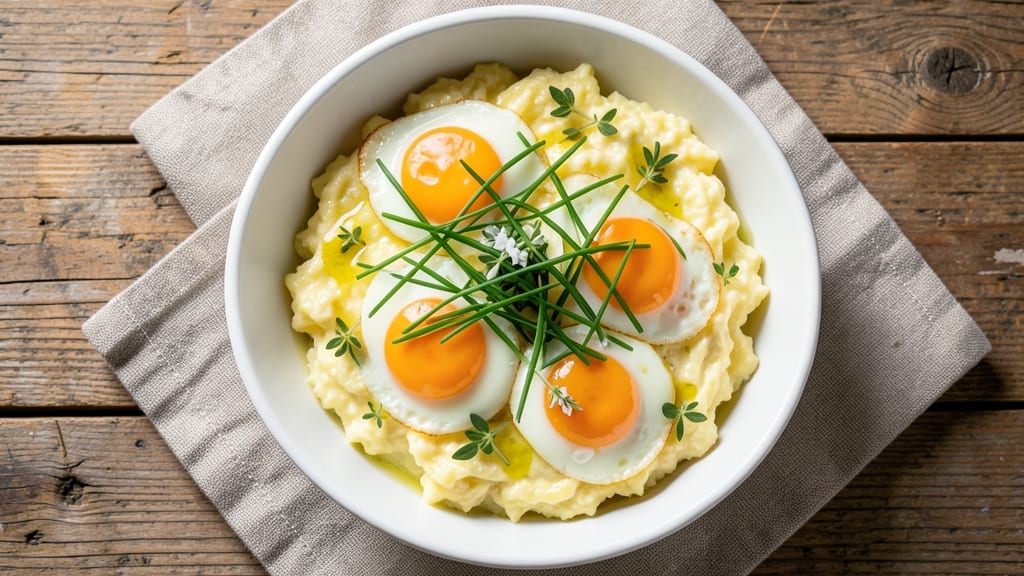
This ultimate scrambled egg recipe transforms a simple morning staple into a restaurant-worthy dish with fluffy curls and buttery edges—no shortcuts, just precision. The secret lies in low-and-slow heat, proper egg-to-fat ratio, and constant gentle folding to create those signature soft peaks.
I’ve perfected this technique over years of testing, and it’s the one I reach for when I want eggs that feel like a special occasion.
The key to success is using room-temperature eggs and high-quality butter—never oil alone—because butter adds richness and helps create those golden edges. You’ll work over low heat the entire time, stirring constantly with a silicone spatula to break up curds just as they form.
This method ensures creamy, tender eggs with no rubbery texture, and the butter bastes the eggs as they cook, adding depth of flavor.
What sets this recipe apart is the textural contrast: silky, custardy centers with crispy edges that practically melt in your mouth. The eggs should be just set when you remove them from heat—no overcooking, no drying out.
A sprinkle of flaky salt, fresh herbs, or a pat of extra butter at the end elevates them from breakfast staple to showstopping dish.
Serve immediately for the best results, but if you’re planning ahead, keep them warm in a low oven (200°F) until ready to plate. Pair with toasted sourdough, crispy bacon, or fresh fruit for a balanced meal. This isn’t just scrambled eggs—it’s a foolproof technique that delivers every time.
Ingredients for ultimate scrambled egg
Six eggs, four tablespoons butter, and a few secret techniques transform ordinary eggs into restaurant-quality perfection.
| Ingredient | Amount | Notes |
|---|---|---|
| Large Eggs 🥚 | 6 whole | Room temperature for even cooking |
| Unsalted Butter 🧈 | 4 tbsp | European-style preferred for flavor |
| Diamond Crystal Kosher Salt 🧂 | ¼ tsp | Flaky finish essential for texture |
| Fresh Chives 🌿 | 2 tbsp | Finely chopped for garnish |
| Fresh Thyme Leaves 🌿 | 1 tsp | For subtle herbal brightness |
| Extra-Virgin Olive Oil 🫒 | 1 tsp | For finishing drizzle |
| Heavy Cream 🥛 | 2 tbsp | Optional for ultra-creamy texture |
| White Wine Vinegar 🍷 | 1 tsp | Brightens flavor profile |
| Black Peppercorns 🌶️ | 5 whole | Freshly cracked for aroma |
| Sourdough Bread 🍞 | 4 slices | For serving, toasted |
The butter is non-negotiable—European-style unsalted butter like Plugrá or Kerrygold melts beautifully and adds unmatched richness. Grab the block, not the tub, for better flavor. Eggs should sit at room temperature for at least 30 minutes before cooking, so plan ahead. Diamond Crystal kosher salt is key for that perfect flaky finish—it dissolves beautifully. Fresh herbs like chives and thyme should be bright green with no wilting, so hit the market or grab them from the Whole Foods refrigerated section if they're looking sad at the grocery store.
No European butter? High-quality unsalted butter from Land O'Lakes or Organic Valley works in a pinch, but expect slightly less depth. Heavy cream can be swapped for half-and-half at half the amount if you're avoiding extra fat. Fresh herbs? Dried thyme at one-third the amount works, but fresh is absolutely essential for that restaurant-quality touch. The white wine vinegar adds brightness—substitute lemon juice if needed. And for the love of eggs, never use nonstick spray—butter is the only way to get those golden edges.
Keep eggs at room temperature until ready to cook—30 minutes minimum. Butter should be softened but not melted, so take it out of the fridge 15 minutes before starting. Fresh herbs keep best in a jar of water in the fridge for up to 1 week. For extra prep, chop herbs and store in an airtight container with a damp paper towel. The finished eggs reheat beautifully—just 30 seconds in the microwave with a splash of water to restore creaminess. Portion into ramekins for easy reheating.
Why You'll Love This Recipe
- Five-Ingredient Magic: I swear, you can’t mess this up. Three eggs, a pat of butter, salt, and a handful of herbs—no fancy techniques, no last-minute grocery runs. It’s the kind of recipe that makes me feel like I’ve earned my breakfast.
- Butter-Basted Richness: That crispy, golden edge on the bottom? Pure satisfaction. The butter gets worked into the eggs just enough to keep them creamy but never greasy, while the thyme leaves add this earthy warmth that makes every bite feel indulgent.
- Breakfast for Any Day: Honestly, these eggs are my go-to for lazy Sundays, quick lunches, or even a fancy brunch when I’m feeling fancy. Toss them in a tortilla for a wrap, pile them on toast, or serve them as-is—no judgment here.
- Leftovers That Don’t Suck: Between us, most scrambled eggs turn rubbery by day two. Not these. The butter and herbs keep them moist, so I make a big batch on Sunday and reheat portions in the microwave or pan—still tender, still delicious. Budget-friendly, too, since eggs are cheap and this recipe stretches far.
Step-by-step instructions for fluffy scrambled eggs with buttery edges
Here's how to achieve cloud-like texture and rich, buttery flavor every time—no shortcuts, just perfection.
Whisk Eggs and Cream for Perfect Texture
In a large bowl, crack all 6 whole Large Eggs and add the 2 tablespoons Heavy Cream. Whisk vigorously for 30 seconds until the yolks and whites are fully combined. The mixture should be smooth with no streaks of white—this ensures even cooking and that signature fluffy curl.
Add the 1 teaspoon White Wine Vinegar and whisk again for 10 seconds. The acidity helps break down the proteins just enough to create a lighter, more tender scramble. Season immediately with the 0.25 teaspoon Diamond Crystal Kosher Salt and 5 freshly cracked Black Peppercorns—this timing prevents over-salting as the eggs cook.
Melt Butter Low and Slow for Rich Flavor
Heat a 10-inch nonstick skillet over low heat (not medium—this is critical). Add all 4 tablespoons Unsalted Butter and let it melt completely, swirling occasionally. You're looking for foamy, bubbling butter that coats the pan evenly—this creates the buttery edges while keeping the eggs tender.
Watch closely: the butter should melt into a golden, glossy pool without browning. If it starts to brown too quickly, reduce the heat slightly. This gentle melting ensures maximum flavor infusion without burning. Here's the thing—don't rush this step. Properly melted butter is the foundation of those luscious, buttery curls.
Cook Eggs Gently for Cloud-Like Curls
Pour the egg mixture into the skillet and let it sit undisturbed for 10 seconds. This brief resting period allows the eggs to begin setting at the edges while maintaining a runny center. Use a silicone spatula to gently push the eggs from one side of the pan to the other, letting the uncooked egg flow underneath.
Continue this constant, gentle stirring for 2-3 minutes total. You're aiming for soft, moist curds that hold their shape when lifted—think of them like delicate clouds rather than dry, rubbery clumps. The eggs should still look slightly wet in the center when you're done. If they start to firm up too quickly, reduce the heat slightly.
Finish with Herbs and Olive Oil
Remove the skillet from heat just as the eggs reach your desired doneness. Stir in the 1 teaspoon Fresh Thyme Leaves and 2 tablespoons Fresh Chives, folding them gently through the eggs. The herbs should be distributed evenly but still visible as bright accents.
Drizzle in the 1 teaspoon Extra-Virgin Olive Oil and toss once more to coat. This final step adds brightness and prevents the eggs from drying out as they rest. The oil also helps maintain that glossy finish that makes these scrambled eggs look restaurant-quality. Serve immediately over the 4 slices toasted Sourdough Bread for the perfect presentation.
Pro Tips For Making Ultimate Scrambled Egg
- Whisk Like You Mean It: Crack the eggs into a cold bowl first, then whisk aggressively until the mixture is uniform and slightly frothy—no streaks, no lumps. I used to skip this, and my eggs always ended up with weird, rubbery bits. This step guarantees silky texture, especially with cold eggs.
- Butter First, Then Heat: Melt 2 tablespoons of unsalted butter in your pan over medium-low heat until it’s foamy but not browned. Cold butter burns easily, and that’s when scrambled eggs go from creamy to greasy. Let the butter coat the pan completely—this is where flavor starts.
- Salt the Eggs, Not the Pan: Sprinkle a generous pinch of Diamond Crystal kosher salt into the eggs before whisking—about ½ teaspoon per 2 eggs. Salting after cooking means the seasoning sits on top like dust. The eggs absorb it better this way, and the butter gets to carry the flavor through.
- Fold, Don’t Stir: Once the eggs start to set, use a spatula to gently fold the soft curds from the edges into the center instead of stirring vigorously. This keeps them tender and creamy, not scrambled into oblivion. Sounds weird, but it works—your eggs will stay moist and luxurious.
Best sauces and condiments for this ultimate scrambled egg
Classic Hollandaise
This rich, buttery sauce is my go-to for elevating scrambled eggs to brunch perfection. Start with 3 egg yolks, 1 tbsp lemon juice, and ½ cup melted butter (like Plugrá or Kerrygold) over a double boiler.
Whisk constantly until thickened—about 5-7 minutes. The key is patience; don’t rush it. Serve immediately over the eggs for that luxurious, velvety finish. 🍳
Spicy Sriracha Aioli
Add a kick with this simple mix: ¼ cup mayonnaise, 1 tsp sriracha, ½ tsp honey, and a pinch of garlic powder. Fold it into the eggs at the very end for a creamy, spicy contrast.
Trust me, the heat cuts through the richness beautifully. For extra depth, add a splash of soy sauce or fish sauce—just ½ tsp does the trick.
Herb-Infused Crème Fraîche
Whip ¼ cup crème fraîche with 1 tbsp chopped dill, 1 tsp chopped chives, and a squeeze of lemon zest. Dollop spoonfuls over the eggs for a tangy, herby brightness.
This sauce works especially well with the thyme and chives already in the recipe. Keep it in the fridge for up to 3 days—it’s perfect for meal prep.
Garlic Butter Sauce
Melt 2 tbsp butter with 2 minced garlic cloves and a pinch of red pepper flakes until fragrant. Pour this over the finished eggs and toss gently.
The garlic adds a savory depth that pairs perfectly with the buttery richness. For extra flair, sprinkle with toasted sesame seeds or crumbled feta.
Smoked Paprika Cream
Blend ¼ cup sour cream with ½ tsp smoked paprika, ½ tsp garlic powder, and a dash of hot sauce. This sauce adds a smoky, slightly spicy contrast that’s perfect for brunch.
Stir it into the eggs in the final minute of cooking for a creamy, flavorful finish. Store leftovers in an airtight container for up to 2 days.
Nutrition facts
Frequently asked questions
Why do your scrambled eggs look so fluffy compared to mine?
The secret is low-and-slow heat and constant gentle folding—never stirring vigorously. Using room-temperature eggs and high-quality butter (not oil) creates those signature curls. The acidity from white wine vinegar also helps break down proteins for a lighter texture.
Can I make these scrambled eggs ahead of time?
Freshly made is best, but you can reheat them gently in a 200°F oven for 5-10 minutes to restore creaminess. For meal prep, cook eggs just until set (2 minutes less than usual), then reheat with a splash of water or milk in the microwave for 15-20 seconds. Never reheat dry—they'll turn rubbery!
What's the best pan for this recipe?
A 10-inch nonstick skillet is ideal, but a well-seasoned cast iron works too. Avoid stainless steel—it conducts heat too quickly and makes control difficult. The pan should be large enough to give eggs room to spread without crowding, which causes steaming instead of proper browning.
How do I adjust this for fewer/more servings?
Keep the egg-to-butter ratio consistent: 1.5 tbsp butter per egg. For 2 servings, use 4 eggs + 2 tbsp butter. For 6 servings, scale to 9 eggs + 6 tbsp butter. The key is maintaining the same heat level and cooking time—don't rush larger batches or they'll dry out.
Can I use this technique for other egg dishes?
The same low-heat, gentle folding method works for shirred eggs or egg muffins. For omelets, use the same butter technique but cook slightly faster. The vinegar trick also works for poached eggs—add ½ tsp vinegar to the water for tighter whites.