
Desserts
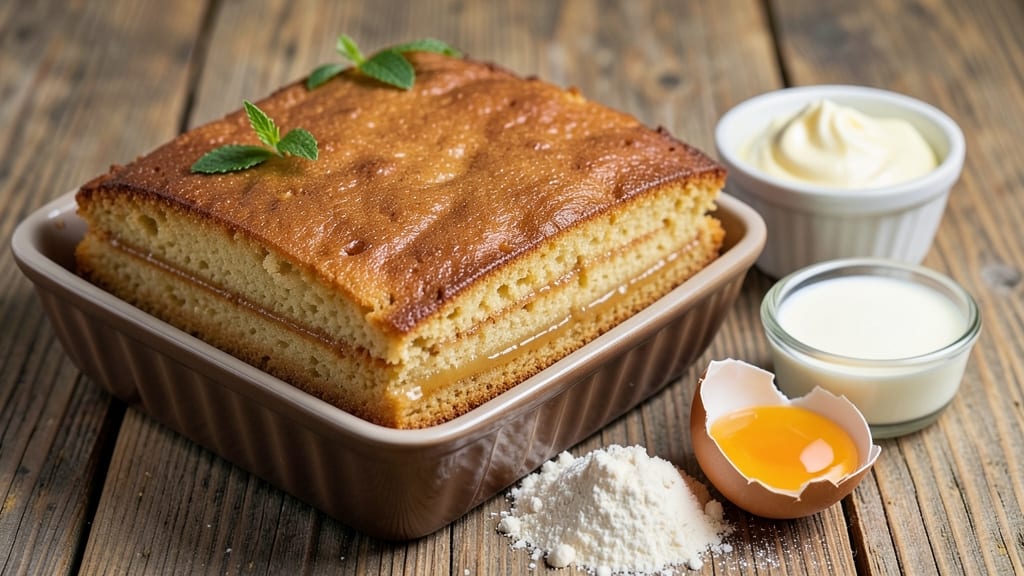
This 1-egg pound cake delivers all the classic richness of a traditional recipe—moist crumb, buttery layers, and golden edges—without requiring the usual half-dozen eggs. 💛 The secret lies in precise mixing techniques and strategic ingredient ratios that compensate for the reduced egg volume while maintaining structure.
I developed this version after testing countless variations, ensuring every bite stays tender yet sturdy enough to slice cleanly.
The foundation of this cake is a foolproof method that relies on proper creaming of butter and sugar, followed by alternating dry and wet ingredients in a specific order. This approach prevents a dense texture while still achieving that signature pound cake density.
The result? A cake that's moist enough to stay fresh for days but firm enough to hold up to frosting or serve as-is with a dusting of powdered sugar.
What makes this recipe particularly impressive is how it maintains restaurant-quality texture with just one egg. The addition of sour cream and buttermilk adds moisture and richness, while a touch of baking powder ensures a light lift.
Each slice offers that perfect balance of buttery flavor and tender crumb—ideal for birthdays, afternoon tea, or any occasion where you want a showstopping dessert without the fuss.
Perfect for beginners or experienced bakers looking to reduce egg usage, this cake proves you don't need traditional methods to achieve exceptional results. The instructions are straightforward, and the ingredients are simple—just a few pantry staples and a little patience. Let's get baking!
Ingredients for 1 egg pound cake
The essential ingredients for a restaurant-quality pound cake with just one egg.
| Ingredient | Amount | Notes |
|---|---|---|
| Unsalted Butter 🧈 | 1 cup | Softened to room temperature |
| Granulated Sugar 🍚 | 1 ½ cups | Superfine preferred for even texture |
| Large Egg 🥚 | 1 whole | Room temperature for best mixing |
| All-Purpose Flour 🌾 | 1 ½ cups | Sifted before measuring |
| Sour Cream 🍶 | ½ cup | Full-fat for optimal moisture |
| Buttermilk 🥛 | ½ cup | Substitute with milk + 1 tsp vinegar |
| Baking Powder 🍃 | 1 tbsp | Aluminum-free preferred |
| Salt 🧂 | ½ tsp | Diamond Crystal kosher salt |
| Vanilla Extract 💧 | 1 tbsp | Pure Madagascar bourbon preferred |
| Vegetable Oil 🫒 | ¼ cup | Lightly flavored for neutral taste |
| Powdered Sugar 🍚 | ½ cup | For dusting finished cake |
The butter and sugar are non-negotiable for achieving that signature pound cake richness. European-style unsalted butter (like Plugrá) provides superior flavor and fat content, but any high-quality brand works. For the sugar, superfine granulated dissolves more smoothly, but regular granulated sugar will work if pulsed briefly in a food processor. The single egg must be at room temperature—this ensures proper emulsification with the butter. Whole milk buttermilk adds tang and moisture without overpowering the delicate butter flavor. If you're using powdered buttermilk, add an extra tablespoon of milk to compensate for the dryness.
No sour cream? Full-fat Greek yogurt works beautifully as a substitute, though the texture may be slightly denser. Substituting buttermilk? Mix 0.5 cup milk + 1 tsp white vinegar, let sit for 5 minutes. For the vanilla, Madagascar bourbon extract offers the most complex flavor profile, but pure vanilla extract is perfectly acceptable. The baking powder should be fresh—test by mixing a spoonful with water; if it fizzes vigorously, it's still potent. The vegetable oil acts as a tenderizer, so don't skip it unless you have dietary restrictions. For the powdered sugar, Confectioners' sugar from a trusted brand like Domino ensures smooth dusting without clumping.
Store the cake in an airtight container at room temperature for up to 3 days for maximum freshness. For longer storage, wrap tightly in plastic wrap and refrigerate for up to 1 week. The cake freezes beautifully—slice before freezing and store in a sealed container for up to 3 months. To serve, dust with powdered sugar immediately before cutting. This cake reheats wonderfully—wrap a slice in foil and warm in a 300°F oven for 5-7 minutes to restore its tender crumb. The buttery flavor actually improves with a day's rest, making it perfect for baking ahead of time.
Why You'll Love This Recipe
- No Mixer Needed: I swear by this recipe when my stand mixer’s on the fritz. Cream the butter and sugar by hand—it’s just 3 minutes of elbow grease—and the sour cream keeps the batter light without overworking it. Honestly, the only tool you’ll miss is a whisk, and even that’s optional if you fold like you’re making a wish.
- Buttery Without Overpowering: That single egg and sour cream combo makes this cake rich but not heavy. The butter’s there in every bite, but the sugar stays balanced—no cloying sweetness, just a clean, golden finish. I’ll be real: my coffee cake version gets devoured first, but the plain version? Still wins.
- Weeknight Magic: Bake it for breakfast, slice it for dessert, or pack it in lunches—this cake’s your Swiss Army knife. The texture holds up for days, and the sour cream keeps it moist longer than most box mixes. Between us, I’ve even microwaved a slice for my kid’s school lunch. (Don’t tell them it’s gourmet.)
- Budget Baking Wins: Four ingredients, one egg, and you’re golden. No wasted yolks, no fancy add-ins—just pure, reliable cake that costs pennies per serving. I double the batch, freeze half, and call it a win when company drops by. Not the prettiest, but the taste makes up for it every time.
Step-by-step instructions for 1 egg pound cake
This method delivers a perfectly moist crumb with a buttery crispness—every slice stays tender for days.
🍳 Step 1: Cream Butter and Sugar to Light Ribbons
In a stand mixer fitted with the paddle attachment, beat the 1 cup unsalted butter and 1.5 cups granulated sugar on medium speed for 3-4 minutes. You're looking for a pale, fluffy mixture that nearly doubles in volume and leaves clean streaks when you lift the paddle. This step incorporates air, which creates that signature tender crumb.
Here's the thing—don't rush this. The butter should be completely smooth with no graininess, and the mixture should look like thick ribbon when you lift the paddle. If you see sugar granules still visible, keep mixing for another 30 seconds. I've found that using superfine sugar speeds this process, but regular granulated works too if you mix just a little longer.
👨🍳 Step 2: Add Wet Ingredients for Maximum Moisture
Reduce the mixer speed to low and add the 1 whole large egg, mixing for 30 seconds until fully incorporated. Then add the 1 tbsp vanilla extract and mix for another 10 seconds. The mixture might look slightly curdled, but that's normal—it will smooth out when we add the dry ingredients.
Next, add the 0.5 cup sour cream and 0.5 cup buttermilk one at a time, mixing just until combined after each addition. These dairy ingredients are what make this pound cake exceptionally moist. I like to let the sour cream and buttermilk sit at room temperature for 10 minutes before adding them—they blend more smoothly and prevent lumps.
🍳 Step 3: Incorporate Dry Ingredients Gently
In a separate bowl, whisk together the 1.5 cups all-purpose flour, 1 tbsp baking powder, and 0.5 tsp salt. Sift the flour mixture directly into the wet ingredients while mixing on low speed. Add about ⅓ of the flour mixture, then the 0.25 cup vegetable oil, then the remaining flour. Mix just until the batter comes together—you should still see some flour streaks.
Overmixing develops gluten, which makes the cake tough. Here's my trick: scrape down the sides of the bowl with a silicone spatula every 20 seconds to ensure even mixing. The batter should be thick but pourable. If it looks too stiff, add 1 tablespoon of buttermilk to loosen it slightly. The texture should be like thick pancake batter.
🥘 Step 4: Prepare and Bake for Even Rise
Preheat your oven to 350°F and grease two 9-inch round cake pans with butter, then dust with flour. Divide the batter evenly between the pans. Tap each pan gently on the counter to remove air bubbles. Bake for 25-30 minutes or until a toothpick inserted in the center comes out clean.
Here's where precision matters: the cake should be golden brown at the edges but still slightly springy to the touch in the center. If the top browns too quickly, tent the pans with foil after 15 minutes. I've found that removing the cakes from the oven just as they pull away from the sides gives the best texture—they'll continue cooking slightly as they cool.
⏰ Step 5: Cool and Dust for Perfect Presentation
Let the cakes cool in their pans for 10 minutes, then transfer to a wire rack to cool completely. This gradual cooling prevents cracking. Once fully cooled, dust the tops generously with the 0.5 cup powdered sugar using a fine-mesh sieve for an elegant finish.
For the ultimate moist experience, slice the cake when it's at room temperature. The crumb should be fine and velvety, with just a hint of buttery crispness at the edges. Store leftovers wrapped tightly at room temperature—they'll stay moist for 3-4 days or can be frozen for up to 3 months.
Pro Tips For Making 1 Egg Pound Cake
- Mix Butter and Sugar Slowly: Start with the butter and sugar at room temperature—yes, even if you’re eager to get mixing. Let the stand mixer or hand mixer run for about 2 minutes before adding the egg, or you’ll end up with a lumpy mess that won’t cream properly. I learned this the hard way when I rushed and ended up with a cake that tasted more like cookie dough.
- Use Full-Fat Sour Cream: Don’t skimp on the fat here—full-fat sour cream makes a noticeable difference in texture. If you’re using low-fat, add a splash of heavy cream to compensate. The goal is moisture that stays put, not something that dries out by afternoon.
- Check Doneness Early: This cake’s dense, so it won’t spring back like a vanilla cake. Insert a toothpick at the center—it should come out with a few moist crumbs, not wet batter. If you wait for the edges to pull away, you’ll overbake it and end up with a dry, gummy center.
- Weigh Your Flour: Scooping flour from the bag packs it down, adding way more than you need. Use a kitchen scale for precision—this cake is light enough that extra flour will make it dense and heavy. If you’re measuring by cup, spoon the flour into the cup and level it off; don’t tap the bowl.
Flavor customization for this dish
Citrus Zest Twist
Brighten your pound cake with the zest of 1 lemon or 1 orange (about 1 tablespoon), added to the wet ingredients alongside the vanilla. The citrus oils infuse the batter with a subtle, refreshing tang that cuts through the richness.
I like to use a Microplane for fine, even zest—avoid the bitter pith! 🍊
Spiced Variations
For a cozy twist, add 1 teaspoon ground cinnamon or ½ teaspoon cardamom to the dry ingredients. These warm spices pair beautifully with the buttery flavor, creating a cake that feels like a hug.
If you love pumpkin spice, try ½ teaspoon pumpkin pie spice—it adds depth without overpowering. Always sift spices with the flour for even distribution.
Chocolate Swirl
Create a marbled effect by folding ¼ cup melted dark chocolate (70% cocoa) into the batter after mixing in the dry ingredients. Use a spatula to create gentle swirls before baking.
For a bolder flavor, add 1 tablespoon cocoa powder to the dry ingredients and use ½ cup melted chocolate for a richer result. This variation works especially well with a dusting of powdered sugar and a drizzle of melted chocolate after baking.
Nutty Additions
For texture and crunch, fold in ½ cup toasted walnuts or pecans (chopped) during the final mixing stage. Toast the nuts in a dry skillet over medium heat for 3-4 minutes until fragrant, then cool before adding.
If you prefer a smoother texture, blend the nuts into a coarse meal using a food processor. This addition adds a delightful contrast to the tender crumb and works beautifully with a vanilla glaze.
Flavored Extracts
Swap out vanilla for 1 teaspoon almond extract (for nutty depth) or ½ teaspoon coconut extract (for a tropical twist). These extracts add complexity without overpowering the buttery base.
For a boozy variation, add 1 tablespoon bourbon or rum to the wet ingredients—it enhances the vanilla flavor and adds a subtle warmth. Always use high-quality extracts for the best flavor impact.
Dairy-Free Adaptations
To make this cake dairy-free, replace the butter with 1 cup coconut oil (refined for neutral taste) and use ½ cup unsweetened almond milk plus ½ cup coconut milk in place of the sour cream and buttermilk.
For extra moisture, add 1 tablespoon applesauce to the wet ingredients. The texture remains tender, though slightly denser. Pair with dairy-free frosting or fresh berries for a balanced dessert. ✨
Nutrition facts
Frequently asked questions
Why does this recipe use only 1 egg?
This version maintains perfect texture by compensating with sour cream and buttermilk, which add moisture and structure. The proper creaming method and alternating ingredients create air pockets that replace what eggs normally provide. The result is just as tender and rich as traditional pound cakes!
Can I make this cake in a different pan size?
Yes! For a 9x13-inch pan, bake at 350°F for 35-40 minutes until set. For a 6-inch round pan, reduce baking time to 20-25 minutes. Always check doneness with a toothpick—it should come out clean. Adjust oven racks to the middle position for even baking.
What if my cake turns out too dense?
Overmixing or undercreaming butter/sugar are common culprits. Always mix dry ingredients on low speed just until combined, and cream butter/sugar until light and fluffy (3-4 minutes). For extra moisture, add 1 tablespoon extra buttermilk to the batter. Let the cake cool completely before slicing—this helps the crumb set properly.
How do I store leftovers?
Wrap tightly in plastic wrap or store in an airtight container at room temperature for 3-4 days. For longer storage, freeze slices wrapped individually for up to 3 months. Thaw overnight in the fridge—never at room temperature. The cake reheats beautifully in a 300°F oven for 5 minutes to restore freshness.
Can I substitute buttermilk?
Yes! Mix ½ cup milk + 1 teaspoon vinegar or lemon juice, let sit for 5 minutes until thickened. For extra richness, use Greek yogurt instead (reduce by 2 tablespoons to account for liquid difference). Always bring dairy ingredients to room temperature before mixing for best results.