
Breakfast & Brunch
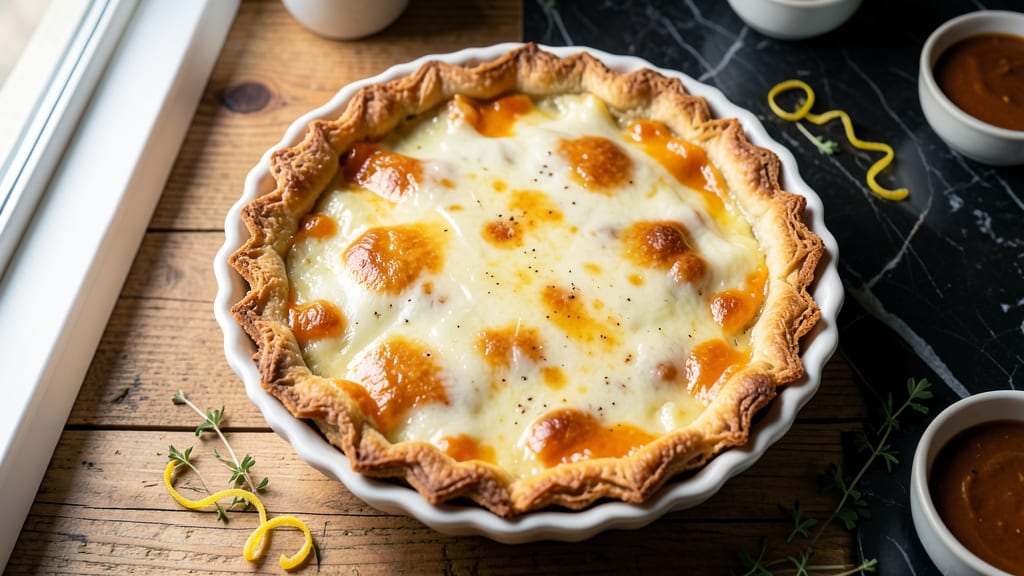
This two-egg quiche recipe delivers a perfectly golden crust with a silky, custardy egg center—ideal for breakfast or brunch without the fuss of traditional quiche proportions.
The key lies in balancing a crisp, buttery crust with a rich egg mixture that sets just right, creating a dish that’s both elegant and effortless. I’ve perfected this technique after years of testing, ensuring every bite has that signature tender texture and savory depth.
What sets this recipe apart is its simplicity: just two eggs transform into a luxurious quiche with minimal effort. The crust gets pre-baked for structure, while the egg mixture—enhanced with sharp cheddar and a touch of cream—bakes into a velvety, jiggly center.
Whether you prefer classic cheese, spinach and feta, or bacon and Gruyère, the base technique remains foolproof, delivering restaurant-quality results at home.
The result is a quiche with a crisp, golden crust that contrasts beautifully with the silky egg filling—no soggy bottoms or rubbery textures here. The filling stays moist and tender, with flavors that meld perfectly during baking.
This recipe scales easily for gatherings or meal prep, making it a versatile addition to any breakfast or brunch menu.
Ready in under an hour, this quiche is perfect for weekends, potlucks, or even a quick weeknight dinner. The secret to success? Precision in timing and a hot oven to ensure the crust stays crisp while the eggs set just right. Let’s get started—your taste buds will thank you.
Ingredients for two egg quiche
Just twelve ingredients transform into a restaurant-worthy quiche with a crisp crust and velvety egg center.
| Ingredient | Amount | Notes |
|---|---|---|
| Large Eggs 🥚 | 2 whole | Room temperature for even baking |
| Heavy Cream 🥛 | ¼ cup | Full-fat for rich texture |
| Sharp Cheddar Cheese 🧀 | ¾ cup | Freshly grated, block preferred |
| Unsalted Butter 🧈 | ½ cup | Cold, cubed for crust |
| All-Purpose Flour 🌾 | 1 cup | Plus 1 tsp for dusting |
| Ice Cubes ❄️ | ¼ cup | For chilling butter |
| Salt 🧂 | ½ tsp | Fine sea salt preferred |
| Black Pepper 🌶️ | ¼ tsp | Freshly cracked |
| Garlic Powder 🧄 | ½ tsp | For crust seasoning |
| Milk 🥛 | 2 tbsp | For crust binding |
| Fresh Spinach 🌿 | 1 cup | Chopped, optional variation |
| Feta Cheese 🧀 | ¼ cup | Crumbled, optional variation |
The butter is non-negotiable here—European-style unsalted gives the best flavor and texture. Plugrá or Land O'Lakes work well, but avoid salted. Chill it with ice cubes for 15 minutes before cutting—this keeps it cold enough to create flaky layers. For the cheddar, sharp varieties like Cabot or Tillamook melt beautifully, but any aged cheddar will work. The eggs should be at room temperature (30 minutes out of the fridge) for even baking. Pre-grate your cheese yourself—pre-shredded sticks together and adds moisture.
No heavy cream? Whole milk plus 1 tbsp melted butter works in a pinch, though the texture will be slightly less rich. Substituting sharp cheddar? Gruyère or Swiss both add depth, but reduce by 0.25 cup to avoid overpowering. For the optional spinach variation, blanch it first to remove bitterness—just 30 seconds in boiling water, then drain well. The crust can be made a day ahead and stored in the fridge, but bring it to room temperature before adding the filling to prevent condensation. If you're making the spinach-feta version, fold the greens into the egg mixture last so they don't sink.
The crust dough should be wrapped tightly in plastic and chilled for at least 1 hour before rolling—this prevents shrinking. Once assembled, the quiche keeps well for 3-4 days in the fridge, though it's best enjoyed within 2 days for peak texture. For make-ahead convenience, bake it one day ahead and reheat at 350°F for 15 minutes to restore crispness. The egg mixture can be prepped in advance and stored in the fridge for up to 24 hours, but let it sit at room temperature for 10 minutes before pouring to prevent a chilled center.
Why You'll Love This Recipe
- Two-Egg Magic: The heavy cream and sharp cheddar make this richer than most quiches—no one will guess it’s just two eggs. That crispy golden crust? Worth the 10 minutes in the oven.
- Weeknight Hero: I’ve made this on Tuesdays when I’m too tired to think. Just whisk the eggs, pour, bake—no fancy prep, no stress. The crust’s buttery enough to impress, even if I skip the garnish.
- Lunchbox Gold: Between us, this is my go-to for meal prep. Slice it up, wrap in foil, and it stays fresh for days. My kids grab it for school lunches—no reheating needed, just pure satisfaction.
- Budget Luxury: Sharp cheddar and heavy cream sound fancy, but two eggs stretch the filling further than a full quiche. Leftovers taste just as good cold the next day—proof it’s both cheap and delicious.
Step-by-step instructions for two-egg quiche
A perfect quiche starts with a crisp crust and silky egg filling. Here's how to achieve both.
Prepare the Crust Mixture
In a large bowl, combine the 1 cup all-purpose flour and 0.5 tsp salt. Cut in the 0.5 cup unsalted butter using a pastry cutter or your fingers until the mixture resembles coarse crumbs with pea-sized butter pieces. This texture is crucial for a flaky crust.
Add the 0.25 cup ice cubes and work them into the flour mixture. The ice will help keep the dough cold during mixing, preventing gluten development. Sprinkle in the 2 tbsp milk and mix gently until the dough just comes together. Avoid overworking it—just until it holds when pressed. Divide the dough into two equal portions for easier handling.
Shape and Blind-Bake the Crust
Roll one portion of the dough between two sheets of parchment paper to about 1/8-inch thickness. Transfer it to a 9-inch pie dish and press it gently into the bottom and up the sides. Trim any excess dough hanging over the edge. Chill the crust in the freezer for 15 minutes while you prepare the filling.
Preheat the oven to 375°F. Line the chilled crust with a sheet of parchment paper and fill it with pie weights or dried beans. Bake for 10 minutes, then remove the weights and bake for another 5 minutes until the crust is lightly golden. This blind-baking step prevents a soggy bottom when you add the filling later.
Prepare the Filling Ingredients
In a medium bowl, whisk together the 2 whole large eggs, 0.25 cup heavy cream, 0.5 tsp garlic powder, 0.25 tsp black pepper, and 0.5 tsp salt. This mixture should be smooth and well combined. If using the optional 1 cup fresh spinach, wilt it in a separate pan over medium heat until just tender, then drain any excess liquid. Stir the spinach into the egg mixture.
Add the 0.75 cup sharp cheddar cheese and 0.25 cup feta cheese to the egg mixture and stir until the cheeses are evenly distributed. The filling should be thick but pourable. Let it sit at room temperature while the crust finishes baking—this helps the filling cook more evenly.
Assemble and Bake the Quiche
Pour the filling into the pre-baked crust, spreading it evenly to the edges. Return the quiche to the oven and bake for 25-30 minutes until the center is just set and the top is golden brown. The quiche is done when it reaches an internal temperature of 160°F—it should still be slightly jiggly in the center, as it continues to set as it cools.
Remove the quiche from the oven and let it rest for 10 minutes before slicing. This resting period allows the filling to firm up slightly and prevents it from running when you cut into it. Serve warm or at room temperature for the best texture and flavor balance.
Pro Tips For Making Two Egg Quiche
- Preheat the Pan First: I learned this the hard way—skipping it makes the crust soggy. Pop your quiche pan (or pie dish) in the oven at 375°F for 5 minutes with a tiny pat of butter melted in the bottom. The heat draws out moisture, and the butter adds a subtle richness that carries through the whole dish.
- Whisk Eggs Like Crazy: Heavy cream and eggs? They’ll curdle if you’re lazy. Whisk the eggs and cream together until the mixture is smooth and slightly thickened—about 30 seconds past when it looks done. Sharp cheddar melts better when the custard isn’t fighting for stability, and this step guarantees a creamy, not grainy, texture.
- Skip the Overmixed Cheese: Grate that chedddar fresh, but don’t chop it into oblivion. Big, uneven shreds melt slower and stay gooey in the middle while the edges brown. Toss the cheese with a pinch of salt and pepper just before folding it into the custard—that way, it stays flavorful, not mushy.
- Bake Until the Center Jiggles: Your quiche isn’t done when the top looks set. Press the center gently—it should wobble like a firm Jell-O. If it’s still liquidy, give it 5 more minutes. I used to pull mine too soon, and the custard would turn rubbery. A toothpick test works, but the jiggle method is foolproof—even for impatient cooks.
Wine and beer pairings for these flavors
Crisp Whites Match
For this quiche's delicate balance of sharp cheddar and creamy eggs, I reach for a dry, zesty white wine like Sauvignon Blanc from New Zealand or Albariño from Spain.
The bright acidity cuts through the richness while complementing the crust's buttery notes. A glass chilled to 50°F enhances the contrast between the crisp crust and velvety filling. 🍷
Light Beer Pairings
A crisp lager like Peroni or Heineken works beautifully with the quiche's simplicity. The light maltiness balances the cheddar's sharpness without overpowering the dish. For something more adventurous, try a Belgian Witbier—the coriander and citrus notes add a refreshing contrast to the creamy filling.
Serve both drinks slightly chilled (45°F) for the best experience. 🍺
Creamy Options
If you prefer something richer, a Chardonnay with subtle oak notes (like Meiomi or La Crema) elevates the dish's luxurious texture. The buttery undertones mirror the quiche's crust and cream, while the acidity keeps it from feeling too heavy.
For a budget-friendly option, White Zinfandel offers a sweeter, fruitier contrast that many find surprisingly complementary. 🍷
Non-Alcoholic Choices
Don't overlook sparkling apple cider—its effervescence and tartness cleanse the palate between bites of rich quiche. For something more savory, try a sparkling mineral water with a squeeze of lemon.
The acidity enhances the cheese flavors without competing. A chilled sparkling water with lime also works beautifully for a refreshing contrast. 💧
Regional Wine Twists
In California, a Chenin Blanc with its honeyed notes pairs wonderfully with the quiche's caramelized crust. For French-inspired dishes, a Bourgogne Blanc (white Burgundy) adds earthy complexity. If you're serving the spinach-feta variation, a Gewürztraminer with its lychee and floral notes complements the greens beautifully. 🗺️
Pro Tips for Pairing
Always serve wine and beer slightly chilled—45-50°F is ideal for whites and lagers. Let the quiche rest for 10 minutes before serving to allow flavors to meld. For a more interactive experience, offer a small bowl of herbed yogurt or sour cream on the side to balance the richness.
The right pairing transforms your quiche from a simple breakfast to a brunch centerpiece. ✨
Nutrition facts
Frequently asked questions
Can I make this quiche without a pie dish?
Use a 9-inch oven-safe skillet or even a deep cast-iron pan. Line it with parchment paper for easy removal, and adjust baking time by 2-3 minutes—cast iron retains more heat. For a rustic look, skip the crust entirely and bake the egg mixture in a buttered ovenproof dish (like ceramic).
Why is my quiche filling watery after baking?
This usually happens when the filling isn't fully cooked or the crust wasn't pre-baked. The center should be just set (like soft custard) when done—if it's runny, bake 5 more minutes. For a foolproof fix, whisk the egg mixture until slightly thickened (about 1-2 minutes) before pouring, and always blind-bake the crust for 15 minutes.
How can I add vegetables without making the quiche soggy?
Prep veggies properly: Sauté mushrooms or onions until soft but not mushy, then drain excess liquid. For leafy greens like spinach, wilt them first and squeeze out moisture. The key is to cook vegetables until they release water, then pat them completely dry before adding to the egg mixture. Tomatoes? Use drained canned or roasted fresh.
Can I use this recipe for a gluten-free crust?
Yes! Replace the all-purpose flour with a 1:1 gluten-free baking flour blend (like Bob's Red Mill) and add 1/4 tsp xanthan gum if your blend doesn't include it. Chill the dough longer (30 minutes) since gluten-free crusts shrink more. For extra stability, press a layer of crushed gluten-free crackers into the bottom before adding filling.
How do I reheat quiche without drying it out?
Slice the quiche and reheat portions in a 350°F oven for 10-12 minutes, covered with foil. For microwave reheating, use 30-second intervals, uncovered, with a damp paper towel on top. Never reheat to steaming—just until warm through. The crust stays crispy when reheated gently, while the filling remains creamy.