
Breakfast & Brunch
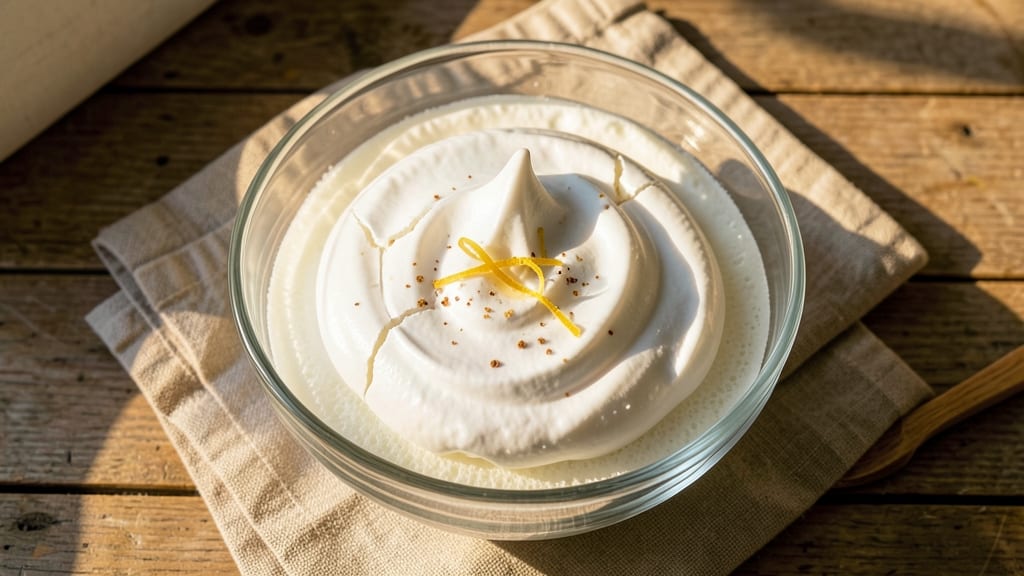
This two-egg meringue recipe delivers the perfect balance of crispy golden edges and silky, cloud-like centers—transforming simple ingredients into a dessert masterpiece. The secret lies in precise egg separation and sugar ratios, ensuring a stable yet tender meringue that bakes to perfection without weeping.
I’ve refined this method over years, and it consistently delivers restaurant-quality results at home with minimal effort.
The beauty of this technique is its versatility—whether you’re making a classic meringue nest, a lemon meringue pie, or a pavlova, the foundation remains the same.
A Swiss meringue method (egg whites and sugar heated gently) creates a stable base that holds its shape in the oven, while careful baking at 250°F ensures even cooking without browning. The result?
A crispy exterior that gives way to a light, airy interior, ideal for topping pies or enjoying on its own.
What sets this recipe apart is its foolproof approach to avoiding common meringue pitfalls—no soggy centers or cracked tops here. The key steps include whipping egg whites to stiff peaks, gradually adding sugar to stabilize the mixture, and baking on the lowest oven rack for even heat distribution.
Once baked, the meringue stays crisp for days, making it perfect for gifting or meal prep.
Ready to elevate your dessert game? This method works for both traditional and modern meringue creations, so let’s get started with a recipe that’s as impressive as it is easy.
Ingredients for two egg meringue
Four simple ingredients transform into a delicate dessert masterpiece with crispy edges and silky centers.
| Ingredient | Amount | Notes |
|---|---|---|
| Large Egg Whites 🥚 | 4 whole | Room temperature, separated carefully |
| Granulated Sugar 🍚 | 1 cup | Fine grain preferred |
| Cornstarch 🌾 | ½ tsp | Stabilizes meringue texture |
| White Vinegar 💧 | ½ tsp | For extra stability |
| Cream of Tartar 🧂 | ¼ tsp | Enhances egg white volume |
| Vanilla Extract 🌿 | ½ tsp | Pure vanilla preferred |
| Large Egg Yolks 🍳 | 2 whole | Reserved for filling |
| Powdered Sugar 🍚 | ½ cup | For dusting |
| Lemon Juice 🍋 | 1 tbsp | Freshly squeezed |
The egg whites are your foundation—room temperature is key for proper volume. Store-bought egg whites work if labeled pasteurized, but fresh is ideal. For sugar, Domino or C&H brands are reliable for fine grain. The cornstarch and cream of tartar might be hidden in your pantry—check the baking aisle. If you're using store-bought vanilla, pure extract (not imitation) makes all the difference. The yolks should be reserved immediately after separating the whites to avoid contamination.
No cream of tartar? Substitute with lemon juice at double the amount—it works similarly for acidity. Running short on vanilla? Almond extract at half the amount gives a different but pleasant note. Want extra stability? Add 1/8 tsp of salt to the whites. For the powdered sugar, Bob's Red Mill is my go-to for smooth dusting. The lemon juice can be bottled, but freshly squeezed brightens the flavor more. If your meringue feels too soft, whip in 1 extra tbsp of sugar for structure.
Store baked meringue in an airtight container at room temperature for up to 5 days. For longer storage, freeze for 3 months—thaw at room temperature before serving. The powdered sugar keeps indefinitely in a cool, dry place. To prevent weeping, bake at 250°F on the lowest rack. Once cooled, meringues crisp up beautifully—perfect for gifting or meal prep. The yolks can be used immediately for fillings or saved for other recipes.
Why You'll Love This Recipe
- Foolproof Stability: I’ve burned meringues before—this recipe’s secret is the cornstarch and vinegar. They keep the whites silky and stiff without overcooking, so even if I rush, they hold their shape. No more weeping or collapsing disasters.
- Silky Sweet Crunch: That crisp shell with a marshmallow center? The two-egg ratio delivers it every time. The sugar dissolves just enough to caramelize at the edges, while the cream of tartar adds a subtle tang—like biting into a cloud with a hint of vanilla.
- Picnic or Pavlova: Honestly, this is my go-to for anything. Top them with whipped cream and berries for a no-fuss dessert, or crush them into cookies for a crunchy base. They’re sturdy enough to pack in a cooler (yes, even on a Tuesday night) without falling apart.
- Pantry Magic: Two eggs, a handful of sugar—that’s it. No specialty ingredients, no last-minute grocery runs. And if I make extras? They freeze beautifully for toast or ice cream toppings later. Budget-friendly, zero waste, and always ready when I am.
Step-by-step instructions for two egg meringue recipe
Master this technique and you'll achieve professional-quality meringue every time.
Prepare the Egg Whites for Maximum Volume
In a spotlessly clean, grease-free mixing bowl, combine the 4 whole large egg whites with the 0.25 teaspoon cream of tartar and 0.5 teaspoon white vinegar. These ingredients are essential—they help stabilize the meringue and create a stiffer structure. Use a hand mixer or stand mixer fitted with the whisk attachment on medium speed to beat the egg whites until soft peaks form.
Here's the thing—room temperature egg whites whip up faster and more voluminously. If your whites are cold, place the bowl in warm water for 2-3 minutes before whipping. You'll notice the mixture gradually thicken and hold its shape when you lift the whisk. This is your signal to gradually increase speed to high and begin adding the sugar.
Gradually Add Sugar for Stable Meringue
With the mixer running on high speed, very gradually add the 1 cup granulated sugar and 0.5 teaspoon cornstarch, about 1 tablespoon at a time. This slow addition is critical—adding sugar too quickly creates sugar crystals that prevent proper volume. After each addition, let the mixture return to glossy, thick peaks before adding more.
You'll know you're on the right track when the meringue forms stiff, glossy peaks that hold their shape when you lift the whisk. The mixture should be thick enough to hold a peak that doesn't immediately collapse. This typically takes about 8-10 minutes of continuous mixing. The meringue should be smooth, shiny, and hold its shape without any graininess.
Prepare the Yolk Filling While Meringue Rests
While the meringue rests, combine the 2 whole large egg yolks with the 0.5 teaspoon vanilla extract and 1 tablespoon freshly squeezed lemon juice in a separate bowl. Whisk until smooth and pale yellow. Gradually whisk in the 0.5 cup powdered sugar until fully incorporated and the mixture reaches a thick, ribbon-like consistency that coats the back of a spoon.
This filling should be smooth and glossy—if it's too thick, add a few drops of water; if too thin, add a bit more powdered sugar. The acidity from the lemon juice helps balance the sweetness and adds brightness to the final meringue. Keep this mixture at room temperature while you work with the meringue.
Pipe and Bake the Meringue
Preheat your oven to 275°F—this lower temperature prevents the outside from browning too quickly while allowing the inside to set properly. Line a baking sheet with parchment paper and lightly grease it with cooking spray to prevent sticking. Transfer the meringue to a piping bag fitted with a large star tip and pipe 4-inch circles onto the prepared baking sheet, spacing them about 2 inches apart.
Bake for 1 hour 15 minutes, then increase the heat to 300°F and bake for another 15-20 minutes until the meringues are dry to the touch and crisp on the outside. The centers should still be slightly soft when you press gently—they'll firm up as they cool. For extra stability, you can place the baking sheet on a wire rack in the oven to allow air circulation.
Fill and Finish the Meringues
Remove the meringues from the oven and let them cool completely on a wire rack. Once cooled, carefully use a small spoon or piping bag to fill each meringue with about 1 tablespoon of the yolk mixture. Be gentle to avoid cracking the delicate shells. Place the filled meringues back in the oven at 300°F for 5-10 minutes to set the filling.
Finally, dust the tops with a fine sieve of powdered sugar for an elegant finish. Serve immediately or store in an airtight container for up to 3 days. The contrast of crisp golden meringue with the silky yolk center creates a perfect balance of textures and flavors that's hard to resist.
Pro Tips For Making Two Egg Meringue
- Use a Cold Bowl: The egg whites in this recipe need a head start—cold glass or metal bowls chill them faster than plastic. I learned this the hard way after struggling to get stiff peaks with warm bowls; now I pop mine in the freezer for 10 minutes before starting.
- Add Vinegar Last: Mix the cream of tartar and cornstarch first, then fold in the vinegar after the egg whites reach soft peaks. Adding it too early makes the meringue collapse faster—like trying to hold a wet balloon. Wait until it’s thick but still glossy.
- Whisk Until Glossy: Stop beating when the meringue looks like wet sand, not dry crumbs. Overmixing turns it tough, and undermixing means it won’t hold shape. My trick? Shine a flashlight through the bowl—if the light cuts through, keep going. If it reflects, you’re golden.
- Sift the Sugar: Yes, even granulated sugar. Sifting it into the egg whites eliminates clumps and dissolves faster, which keeps the meringue smooth. I used to just dump it in, and half the time, I’d end up with grainy spots—like finding a popcorn kernel in your ice cream.
Best sauces and condiments for this two egg meringue
Classic Vanilla Sauce
Warm vanilla bean sauce elevates these meringues beautifully—simmer 1 cup heavy cream, ½ cup powdered sugar, and 1 vanilla bean (split and scraped) until thickened. Strain and drizzle over filled meringues just before serving. The creamy richness contrasts perfectly with the crispy exterior. 🌟
Lemon Curd Filling
Replace the yolk filling with homemade lemon curd for a tangy twist. Whisk 3 egg yolks, ½ cup sugar, ¼ cup lemon juice, and 2 tbsp butter over a double boiler until thick. Cool completely before piping into meringues. The bright citrus cuts through the sweetness wonderfully.
Chocolate Ganache
For a decadent pairing, drizzle with dark chocolate ganache. Melt 6 oz dark chocolate (70% cocoa) with ½ cup heavy cream, then cool slightly before drizzling. The bittersweet contrast adds sophistication. Store-bought Ghirardelli chocolate works perfectly for this.
Berry Compote
Top with a quick strawberry-raspberry compote made by simmering 1 cup mixed berries, 2 tbsp sugar, and 1 tsp lemon juice until thickened. The jammy texture complements the meringue's crispness. Fresh or frozen berries work equally well.
Caramel Drizzle
Add a touch of indulgence with a salted caramel drizzle. Cook ½ cup sugar until amber, then whisk in 2 tbsp heavy cream and 1 tsp flaky salt. Cool slightly before drizzling. The salty-sweet balance makes every bite irresistible.
Whipped Cream Option
For a lighter touch, pipe whipped cream (mix 1 cup heavy cream with 1 tbsp powdered sugar) into the meringues before serving. Garnish with toasted coconut flakes or crushed pistachios for texture. This keeps the dessert light and airy.
Nutrition facts
Frequently asked questions
Why does this recipe use only two egg yolks for filling?
The two yolks create a perfectly balanced filling that pairs beautifully with the meringue's crisp texture. Using more would make the filling too rich, while fewer would lack the creamy contrast. The lemon juice and vanilla help brighten the flavor so the sweetness doesn't overpower.
Can I make this meringue without cream of tartar?
Yes! Substitute with 0.5 teaspoon lemon juice or white vinegar for every 0.25 teaspoon cream of tartar. These acids help stabilize the egg whites by lowering their pH, which creates stiffer peaks. Just be sure to use the same total acidity amount.
How do I prevent my meringue from cracking?
Cracking usually happens from humidity or uneven baking. First, ensure your egg whites are fully whipped to stiff peaks. Second, bake on the lowest oven rack with the door slightly open for 10 minutes at the start to release moisture. Finally, avoid high humidity days—try baking in a dry environment.
What's the best way to store leftover meringues?
Keep them in an airtight container at room temperature for up to 5 days. For longer storage, freeze for 3 months. Thaw at room temperature—they'll crisp up beautifully. Avoid refrigerating, as moisture can make them soggy.
Can I use this recipe for lemon meringue pie?
This meringue works perfectly over pie fillings. After baking the pie crust and filling, spread the meringue mixture over the top and bake at 350°F for 12-15 minutes until golden. The lower heat prevents the filling from bubbling over while creating a crispy top.