
Breakfast & Brunch
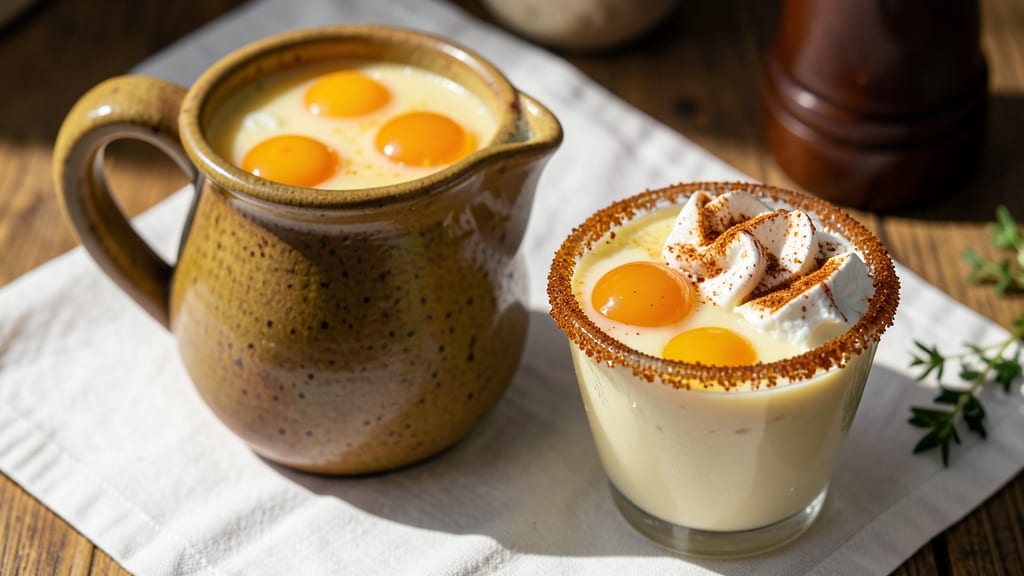
This traditional coquito recipe with eggs transforms a simple holiday drink into a luxurious, silky-smooth experience. 💛 The secret lies in tempering eggs with warm coconut milk to create a velvety texture that feels like dessert in every sip.
I developed this version after years of perfecting the balance between authentic Puerto Rican spices and modern techniques—like straining for smoothness and simmering spices just until fragrant, never bitter.
The beauty of this recipe is its versatility—it works as a festive centerpiece or a comforting year-round treat. While traditional coquito relies on milk and coconut cream, adding eggs creates that custard-like richness without sacrificing the drink's signature warmth.
The spices—cinnamon, cloves, and nutmeg—simmer gently to infuse the mixture with aromatic depth, while vanilla and rum (optional) add layers of complexity that elevate it beyond basic eggnog.
What sets this apart is the balance of textures: the eggs create a luxurious mouthfeel, while the coconut milk keeps it light and refreshing. The result is a drink that's rich enough to feel indulgent but bright enough to sip all evening.
Whether you serve it chilled for summer gatherings or warm it gently for holiday cheer, this recipe delivers restaurant-quality results at home.
For those who love customization, you can adjust the spice levels or add a splash of bourbon for adults. Garnish with toasted coconut flakes or a sprinkle of cinnamon for extra flair.
The best part? It tastes even better the next day, making it perfect for meal prep or hosting. Let's make this coquito your new holiday tradition.
Ingredients for traditional coquito recipe with eggs
Eight ingredients transform this classic drink into a velvety, spiced holiday treasure.
| Ingredient | Amount | Notes |
|---|---|---|
| Large Egg Yolks 🥚 | 8 whole | Fresh, room temperature preferred |
| Whole Eggs 🥚 | 4 whole | Separated for tempering process |
| Coconut Milk (Full-Fat, Canned) 🥥 | 2 cans | 13.5 oz each, well-shaken |
| Heavy Cream 🥛 | 2 cups | Full-fat for richness |
| Granulated Sugar 🍚 | 1 ½ cups | Adjust to taste |
| Ground Cinnamon 🍃 | 2 tbsp | Freshly ground preferred |
| Whole Cloves 🌿 | 4 whole | Lightly crushed |
| Ground Nutmeg 🌿 | 1 tsp | Freshly grated preferred |
| Pure Vanilla Extract 🍯 | 2 tsp | Bourbon-infused for depth |
| Rum (Optional) 🍹 | ½ cup | Dark rum, 180-proof |
| Unsalted Butter 🧈 | 2 tbsp | Cold, cubed |
| Toasted Coconut Flakes 🥥 | ¼ cup | For garnish |
| Salt 🧂 | ½ tsp | Fine sea salt |
The eggs are the heart of this recipe—freshness matters. Grab extra-large eggs from Whole Foods or your local market if possible; they have more yolk for that luxurious texture. For the coconut milk, full-fat canned brands like Goya or Thai Kitchen work best—they have the richest flavor. The spices should be freshly ground or whole (like cloves) for maximum aroma. I always double-check my cinnamon and nutmeg are labeled 'ground'—pre-ground spices lose potency fast. Toast your coconut flakes in a dry pan for 2-3 minutes until golden—they add a beautiful crunch to the top.
No rum? Skip it or use vanilla bean paste for depth. Short on cinnamon? Mexican cinnamon sticks (like those at Trader Joe's) are more aromatic than regular ground. The butter might seem odd, but it adds a subtle richness that balances the coconut. If you're avoiding dairy, coconut oil works too. For the sugar, I use turbinado for a caramel note, but white granulated is fine. The vanilla extract? Bourbon-infused is worth the splurge—it adds layers of warmth. If you're making this ahead, strain the mixture through a fine-mesh sieve for that ultra-smooth texture that makes it restaurant-quality.
This tastes even better the next day—3-4 days in the fridge is ideal. For serving, I like to pour it into small glasses and garnish with toasted coconut flakes and a sprinkle of cinnamon. If you're making it ahead for a party, store it in airtight jars and bring to room temperature before serving. It reheats beautifully if you prefer it warm—just gently warm on the stove (don't boil!) and stir until smooth. The butter will melt right in, creating that creamy finish. Leftovers? Freeze for up to 3 months—thaw overnight in the fridge before serving.
Why You'll Love This Recipe
- Here’s what sold me: full-fat coconut milk and heavy cream make it taste like a splurge, but the eggs stretch every can and cup into multiple servings. Three days of sipping, zero guilt—just pure, creamy satisfaction.
- No Stove Drama: I swear by this version because it’s all about the slow simmer—no babysitting required. Just toss those whole eggs and yolks into warm coconut milk, let the heat do its magic, and walk away. That creamy custard texture? Pure reward for minimal effort.
- Custard Magic: Honestly, the eggs transform this drink into something entirely different—richer, silkier, and downright decadent. The yolks add that velvety depth, while the whole eggs bind it all together like a coquito hug in a cup. (Yes, even on a Tuesday night.)
- Holiday Hero: Between us, this is my go-to for Christmas morning gatherings. Serve it chilled in festive mugs, and suddenly you’re the host who nailed it. Plus, it’s the kind of drink that disappears fast—proof it’s spot-on for celebrations.
Step-by-step instructions for traditional coquito with eggs
Here's how to make this luxurious version with velvety egg yolks and rich coconut cream.
🍳 Step 1: Infuse the Spiced Coconut Base
In a heavy-bottomed saucepan, combine the 2 cans coconut milk (full-fat, canned), 1.5 cups granulated sugar, 2 tbsp ground cinnamon, 4 whole cloves, and 1 tsp ground nutmeg. Bring to a gentle simmer over medium-low heat, stirring occasionally to dissolve the sugar completely.
Here's the thing—you want the mixture to smell like a holiday spice market. Simmer uncovered for 10-12 minutes until the liquid reduces slightly and the spices bloom fully. If using, add the 0.5 cup rum (optional) now and stir gently to distribute. The alcohol will cook off during the next steps, leaving just the rich flavor behind.
👨🍳 Step 2: Temper and Incorporate Egg Yolks
While the spiced coconut mixture simmers, separate the 4 whole eggs, keeping the yolks and whites in separate bowls. In a separate heatproof bowl, whisk together the 8 whole large egg yolks and 2 cups heavy cream. This is where we'll temper the yolks to prevent scrambling.
Ladle about 1 cup of the hot coconut mixture into the yolk mixture while whisking constantly. This gradual addition is critical—it raises the temperature slowly so the eggs cook gently rather than curdle. Once incorporated, slowly pour the tempered yolk mixture back into the saucepan with the remaining coconut liquid.
🔥 Step 3: Cook the Custard to Silky Perfection
Return the saucepan to low heat and stir continuously with a wooden spoon or silicone spatula. You're looking for a gentle thickening—about 8-10 minutes of constant stirring until the mixture reaches 170°F on an instant-read thermometer. It should coat the back of a spoon but still be pourable.
I know it seems tedious, but this constant stirring prevents curdling and creates that signature silky texture. If the mixture starts to bubble vigorously, reduce the heat immediately. The moment it thickens to your desired consistency, remove from heat and stir in the 2 tbsp unsalted butter and 0.5 tsp salt until fully melted and incorporated.
⏰ Step 4: Chill and Finish with Vanilla
Transfer the warm coquito to a large bowl and stir in the 2 tsp pure vanilla extract. Cover with plastic wrap pressed directly onto the surface to prevent a skin from forming. Refrigerate for at least 4 hours (overnight is ideal) to allow flavors to meld and the custard to fully set.
This chilling step is what transforms good coquito into extraordinary coquito. The flavors deepen, the texture becomes luxuriously smooth, and the spices develop their full aromatic potential. When ready to serve, give it one final stir to redistribute any settled ingredients.
🍽️ Step 5: Serve with Toasted Coconut Garnish
Ladle the chilled coquito into serving glasses or bowls. Top each serving with a sprinkle of 0.25 cup toasted coconut flakes for texture and visual appeal. Serve chilled as a dessert or slightly warmed as a beverage—either way, it's pure comfort in a glass.
Real talk: the first sip should make you close your eyes and smile. That perfect balance of sweet, spiced coconut with the velvety richness of egg yolks is what makes this traditional version truly special. Enjoy it with a slice of warm cake or on its own as a decadent treat.
Pro Tips For Making Traditional Coquito Recipe With Eggs
- Whisk Eggs Cold: Crack the eggs into a chilled bowl first—room temperature yolks turn grainy when mixed with sugar. I learned this the hard way after my first batch separated like a sad custard. Grab an ice bath if your kitchen’s warm.
- Shake the Coconut Milk: Canned coconut milk separates when stored. Give the can a good shake before opening—especially if it’s been sitting for weeks. That extra fat makes the texture richer, and you’ll avoid that sad, watery finish.
- Temper the Eggs Slowly: Warm the coconut milk and cream to 160°F (71°C) before mixing in the eggs—drop in a spoonful first, then blend. I’ve scrambled eggs this way by accident, and it’s a texture disaster you won’t recover from.
- Sweeten in Stages: Add half the sugar with the eggs, then the rest after tempering. This stops the eggs from curdling on contact, and the final sweetness balances the cream’s richness without overpowering it. (Yes, even if you’re impatient like me.)
Regional styles of this dish
Puerto Rican Roots
This coquito recipe traces back to Puerto Rico's vibrant holiday traditions, where families gather to sip this creamy, spiced drink during Christmas season. The original version uses milk, coconut cream, and spices like cinnamon and cloves, but the egg addition creates that luxurious custard-like texture that feels like a dessert.
I remember my first taste of authentic coquito in San Juan—it was served warm in clay cups with a sprinkle of cinnamon, and the aroma alone made the holiday feel complete. 🌴
Dominican Twist
In the Dominican Republic, coquito often includes a splash of dark rum or anise-flavored liqueur like orujito, giving it a distinct herbal note.
For this version, I suggest ½ cup dark rum (like Bacardi 8-year) for depth, but you can substitute 1 tsp anise extract if you prefer a non-alcoholic twist. The Dominicans also love to serve it slightly warmed, which brings out the spices beautifully—perfect for chilly evenings.
Mexican-Inspired Version
Across the border in Mexico, a similar drink called rompope shares coquito's creamy, spiced profile but swaps coconut for milk and adds chamomile tea for floral notes. For a fusion twist, steep 2 chamomile tea bags in the warm coconut mixture before adding the eggs.
Top with cinnamon sticks and a pinch of ground cumin for a smoky-sweet variation that feels distinctly Mexican. 🌶️
Caribbean Rum Variations
The Caribbean islands each put their own spin on coquito. In Cuba, it’s often spiked with Havana Club 7-year rum and served over ice with a lime twist.
For a tropical vibe, add 1 tbsp lime zest and ½ cup white rum (like Flor de Caña) to the spiced coconut base. In Jamaica, they might include nutmeg and allspice for a warmer, earthier profile—just add ½ tsp ground allspice with the other spices.
The key is balancing sweetness with bold flavors.
Modern Make-Ahead Tips
Traditional coquito is always made ahead, but modern kitchens can take it further. For a vegan version, replace the eggs with ¼ cup aquafaba (chickpea brine) and 2 tbsp cornstarch to thicken. For a dairy-free twist, use full-fat coconut cream instead of heavy cream.
Store in airtight jars for up to 5 days—the flavors deepen over time, making it perfect for holiday prep. I like to label mine with the date and a little note: "For the best coquito, wait 3 days!" 💫
Garnish Ideas
Puerto Ricans often garnish coquito with toasted coconut flakes and a cinnamon stick, but don’t be afraid to get creative. For a festive touch, add crushed peppermint candies (like Altoids) for a minty contrast.
A drizzle of caramel sauce or chopped candied citrus peel elevates it to dessert status. For a spicy kick, sprinkle with ½ tsp cayenne pepper—trust me, it balances the sweetness perfectly.
Nutrition facts
Frequently asked questions
Why do I need to temper the eggs in this coquito recipe?
Tempering the eggs prevents them from scrambling when exposed to the hot coconut mixture. Whisking in small amounts of warm liquid gradually raises the egg temperature slowly, creating that signature silky texture. Skipping this step risks curdling—trust me, you don't want lumpy coquito!
Can I make this coquito without eggs for a vegan version?
Replace the eggs with ¼ cup aquafaba (chickpea brine) and 2 tablespoons cornstarch to thicken. The coconut cream will still provide richness, though the texture will be slightly lighter. For extra depth, add 1 tablespoon coconut oil at the end.
How long can I store this coquito in the fridge?
This coquito tastes even better after 3-4 days in the fridge! Store in an airtight container and give it a good stir before serving. For longer storage, freeze for up to 3 months—thaw overnight in the refrigerator to preserve that creamy texture.
What's the best way to reheat coquito if I prefer it warm?
Gently reheat in a saucepan over low heat until just warm—never boil! Stir constantly to prevent separation. For extra richness, add a pat of butter while warming. The butter will melt right in, restoring that luxurious mouthfeel.
Can I adjust the spice level in this recipe?
Yes! For a milder version, reduce cinnamon to 1 tablespoon and omit whole cloves. For extra warmth, add ½ teaspoon ground allspice or a pinch of cayenne. The key is balancing sweetness with aromatic spices—start with the recipe's measurements and adjust to taste.