
Breakfast & Brunch
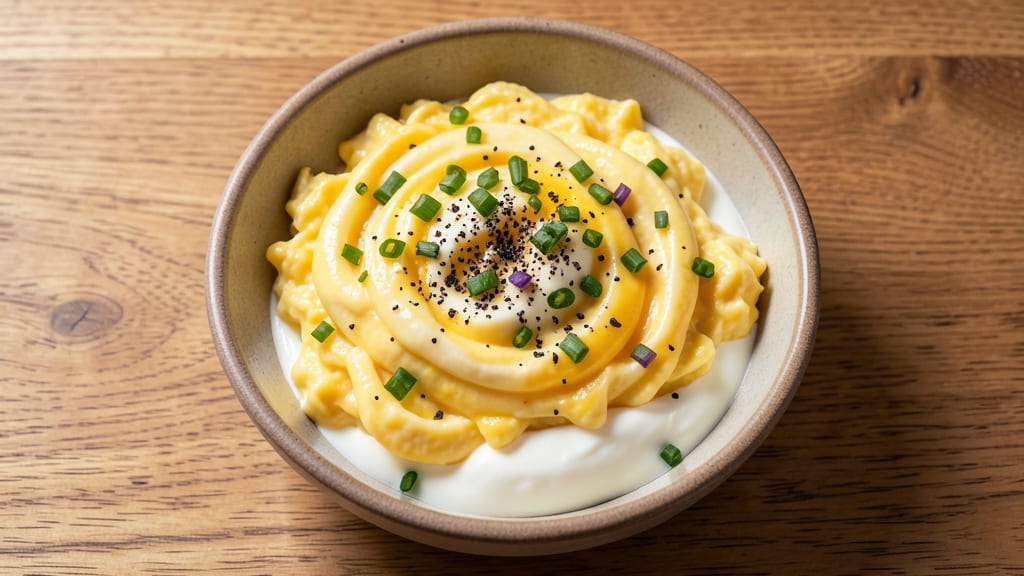
This silky scrambled eggs recipe delivers the creamiest, clump-free texture you’ve ever tasted—no tricks, just precise technique. The secret lies in gentle heat, constant motion, and the perfect butter-to-egg ratio, transforming ordinary eggs into velvety clouds.
I’ve perfected this method over years of trial and error, and it’s the one I reach for every morning.
The key to success is low-and-slow cooking, which prevents rubbery eggs while allowing the yolks to stay rich and custardy. A splash of cream or a sprinkle of cheese adds extra silkiness, but even without, the texture is flawless.
This isn’t just scrambled eggs—it’s a restaurant-quality dish you can make in under 5 minutes with just a few ingredients.
What sets these apart is the ultra-smooth consistency—no dry bits, no clumps, just tender, creamy eggs that melt in your mouth. Serve them on toast with avocado, alongside crispy bacon, or with a side of fresh greens for a balanced breakfast.
The possibilities are endless, but the method stays simple.
For extra flavor, try adding herbs like chives or dill, or fold in shredded cheese for a cheesy twist. The technique remains the same, so you can customize without sacrificing that signature silky texture. Let’s get started—your perfect scrambled eggs are just minutes away.
Ingredients for silky scrambled eggs
Six simple ingredients transform ordinary eggs into velvety clouds—no tricks, just perfect technique.
| Ingredient | Amount | Notes |
|---|---|---|
| Large Eggs 🥚 | 6 whole | Freshly cracked, room temperature |
| Unsalted Butter 🧈 | 4 tbsp | Cold, cut into small cubes |
| Heavy Whipping Cream 🥛 | ¼ cup | Full-fat for extra silkiness |
| Diamond Crystal Kosher Salt 🧂 | ¼ tsp | Fine grain preferred |
| Freshly Ground Black Pepper 🌶️ | ⅛ tsp | Adjust to taste |
| Chives 🌿 | 2 tbsp | Finely chopped, optional garnish |
| Extra-Virgin Olive Oil 🫒 | 1 tbsp | For non-stick finish |
| Shredded Sharp Cheddar Cheese 🧀 | ¼ cup | Optional for cheesy twist |
| Fresh Dill 🌿 | 1 tbsp | Chopped, optional herb |
The eggs are non-negotiable—freshness matters. Grab the carton from the back of the fridge where they’ve been sitting for a few days (they’re actually fresher there). Whole Foods or local farms often have the best quality. Butter? Plugrá or Land O’Lakes unsalted are my go-tos—they melt beautifully without burning. Keep those butter cubes cold until they hit the pan, then let them melt slowly. The cream adds that signature silkiness, so full-fat is a must—none of that skim stuff here. Salt is where flavor happens, so Diamond Crystal kosher gives you that clean, bright taste without overpowering.
No cream? Whole milk works in a pinch, but the texture won’t be quite as luxurious. Short on chives? Green onions or parsley do the trick—just chop them fine. Want to skip the cheese? No problem, but if you add it, sharp cheddar or Gruyère melts best. Fresh herbs like dill or chives should be added at the very end—toss them in last so they don’t wilt in the heat. The olive oil at the finish? That’s your secret weapon for a non-stick, glossy top. And if you’re really in a rush, microwave the butter 40 seconds first to get it melting faster while you crack those eggs.
Eggs scramble best when made fresh, but you can prep everything ahead: chop herbs, measure cream, cube butter. Store leftovers in an airtight container for up to 2 days, though honestly, they’re best eaten immediately. For extra flavor, make a double batch—freeze half in ice cube trays for quick breakfasts later. The key to reheating? Low heat, gentle stirring, and a splash of water to revive that creamy texture. Trust me, these reheat just as silky as the first time.
Why You'll Love This Recipe
- Five-Ingredient Magic: I swear by this list—eggs, butter, cream, salt, pepper—and that’s it. No chopping, no measuring cups, just crack, melt, whisk, and fold. It’s the kind of recipe that makes me feel like I actually cooked something when I’m really just being lazy in the best way.
- Creamy Luxury: The heavy cream transforms everything—no more dry, rubbery eggs. You get that velvety, almost custard-like texture where every bite feels like a little indulgence. Honestly, I’ve made fancier breakfasts, but these taste like a brunch I’d pay for at a café.
- Breakfast Anywhere: Pack them for work, toss them in a thermos for a picnic, or serve them at a dinner party when you’re pretending to be a chef. They reheat beautifully (just a quick zap in the microwave) and feel fancy enough for company but simple enough for a Tuesday. My roommate still thinks I’m a genius.
- Budget Breakthrough: Eggs and butter are cheap, and this recipe stretches them further than any other method I’ve tried. A dozen eggs last me nearly a week of breakfasts, and the cream makes even a small batch feel decadent. It’s my go-to when I’m pinching pennies but still want to eat well.
Step-by-step instructions for silky scrambled eggs
Here's how to make eggs so smooth they'll melt in your mouth—no rubbery clumps in sight.
Whisk Eggs and Cream to Perfect Consistency
Crack the 6 whole large eggs into a bowl and add the 0.25 cup heavy whipping cream. The cream is what transforms ordinary scrambled eggs into luxurious, silky ones by adding fat and moisture. Using a whisk, beat the mixture vigorously for about 1 minute until fully combined and slightly frothy. This step ensures even cooking and prevents curdling later.
Add the 0.25 teaspoon diamond crystal kosher salt and 0.125 teaspoon freshly ground black pepper, whisking until evenly distributed. The salt should dissolve completely, and the pepper should be finely dispersed throughout. The eggs should now look like a pale yellow custard—this is your base for silky perfection. If you're using the 0.25 cup shredded sharp cheddar cheese, fold it in now with a gentle spatula motion to avoid overmixing.
Prepare the Pan for Ultra-Smooth Cooking
Heat a nonstick skillet over medium-low heat—this is crucial for silky eggs. Add the 4 tablespoons cold unsalted butter, cut into small cubes, and let it melt slowly. The butter should foam gently but not brown; you're looking for a gentle sizzle rather than aggressive bubbling. If you notice the butter starting to brown too quickly, reduce the heat slightly. The butter's fat content will coat the pan, creating a nonstick surface that prevents sticking.
Once the butter has melted and the foam has subsided, add the 1 tablespoon extra-virgin olive oil. The oil raises the smoke point slightly and adds a subtle depth of flavor. Swirl the pan to coat the bottom evenly with the butter and oil mixture. This step is what gives your eggs that restaurant-quality finish—don't skip it.
Cook Eggs on Low Heat for Maximum Silkiness
Pour the egg mixture into the prepared pan, letting it spread evenly across the surface. Immediately reduce the heat to the lowest setting—you're aiming for a temperature where the eggs cook gently without stirring constantly. Let the eggs sit undisturbed for about 2 minutes. You'll see the edges start to set while the centers remain runny—this is exactly what you want for that creamy texture.
After 2 minutes, use a heat-resistant spatula to gently push the eggs from one side of the pan to the other, allowing the uncooked portions to flow into the spaces. Continue this process for about 3-4 minutes total, folding the eggs just enough to create soft, silky curds without overworking the mixture. The key is patience—rushing this step will lead to tough, rubbery eggs. The eggs should be just set but still slightly moist in the center when you're done.
Finish with Fresh Herbs and Perfect Timing
Once the eggs are nearly set to your liking, remove the pan from heat completely. The residual heat will finish cooking the eggs perfectly. Sprinkle the 2 tablespoons finely chopped chives and 1 tablespoon fresh dill over the top, pressing them gently into the eggs. These herbs add a bright, fresh finish that cuts through the richness of the eggs and butter. If you prefer, you can also add a pinch more salt or pepper at this stage to adjust seasoning.
Let the eggs rest for 30 seconds before serving. This brief resting period allows the eggs to set slightly more, creating that ideal texture where each bite is creamy and luxurious. Serve immediately while still warm—these eggs won't wait. The result should be eggs that are impossibly smooth, with no clumps or rubbery bits, and a perfect balance of rich, creamy flavors with a fresh herbal finish.
Pro Tips For Making Silky Scrambled Eggs
- Use Cold Butter: If you melt the butter first, you’ll end up with greasy eggs instead of silky ones. Cut the butter into small pieces and let it sizzle—just until it stops popping—before adding the eggs. This keeps the heat controlled and creates a creamy base without overcooking.
- Whisk Eggs with Cream First: Don’t just crack eggs into a bowl and stir. Whisk the eggs and heavy cream together before adding salt or pepper—this distributes the cream evenly, preventing pockets of raw egg in the center. I learned this the hard way when my eggs came out lumpy in the middle.
- Stop Stirring Before They’re Done: The moment the eggs look almost set but still have a slight wobble, pull them off the heat. Over-stirring turns them rubbery, and finishing them off-heat lets residual heat gently cook them to perfection. Yes, they’ll look underdone—trust the process.
- Season in Two Stages: Salt the eggs before cooking and add a final pinch after they’re off the heat. The initial salt helps the cream emulsify, while the finish ensures even seasoning. Skip this, and you’ll either miss spots or over-salt. (I know, I know—it feels like cheating, but it works.)
Health benefits of these flavors
Protein Powerhouse
These silky scrambled eggs pack a serious protein punch with 12 grams of protein per serving—that’s nearly 50% of your daily needs in just one plate.
The combination of eggs and cream creates a complete protein profile, meaning you’re getting all nine essential amino acids your body needs for muscle repair and energy. I’ve made these my go-to breakfast when I’m hitting the gym later—trust me, they keep me full for hours. 💪
Healthy Fats for Satiety
The unsalted butter and heavy whipping cream add richness while providing beneficial saturated fats that support brain function and hormone production. Unlike processed fats, these natural fats keep you satisfied longer, preventing those mid-morning energy crashes.
I always use full-fat dairy because the fat content actually enhances nutrient absorption—your body absorbs fat-soluble vitamins like A, D, E, and K more efficiently when paired with healthy fats. 🧈
Vitamin Boost
A single serving delivers 20% of your daily vitamin D and 15% of vitamin B12, both crucial for bone health and energy metabolism. The eggs also provide choline, a brain-boosting nutrient that supports memory and cognitive function.
I’ve noticed my mental clarity improves when I include eggs in my breakfast routine—it’s like nature’s multivitamin. The cream adds extra vitamin A for immune support and healthy skin. 💡
Low-Carb Flexibility
This recipe naturally fits into low-carb diets with just 2 grams of net carbs per serving, making it perfect for keto or Atkins plans. The heavy cream and butter provide energy without spiking blood sugar, which is why I recommend this version to friends following carb-conscious diets.
You can easily customize it by adding avocado slices or bacon on the side for extra healthy fats. The silky texture makes it satisfying even without bread or grains. 🥑
Antioxidant Benefits
The egg yolks contain lutein and zeaxanthin, antioxidants that protect your eyes from harmful blue light and reduce the risk of cataracts. I’ve been adding these eggs to my routine since learning about their eye health benefits—it’s a simple way to support long-term vision health.
The herbs like chives and dill add extra antioxidants too, making this breakfast both delicious and nutritious. 👀
Nutrition facts
Frequently asked questions
Why do these scrambled eggs turn out so silky compared to regular scrambled eggs?
The secret lies in three key techniques: low-and-slow heat, constant gentle folding, and the addition of heavy cream. The cream adds fat and moisture that prevents dryness, while the low heat keeps the proteins from overcooking into rubbery strands. Most recipes overcook eggs by using high heat or stirring too much—this method avoids both mistakes.
Can I make these without heavy cream? What's the best substitute?
Yes! Use whole milk (though texture won't be quite as luxurious) or Greek yogurt (for tangy flavor and protein). For a dairy-free option, try unsweetened almond milk with 1 tablespoon melted coconut oil. The fat content is crucial—skip substitutes with low fat, or your eggs may turn out dry.
How do I fix scrambled eggs that turned out rubbery or dry?
If your eggs are overcooked, try reviving them by adding 1 tablespoon warm water or milk per serving and folding gently over low heat for 1-2 minutes. For dry eggs, stir in a pat of cold butter and let it melt into the mixture. The key is to work quickly and keep heat minimal—this prevents further drying.
What's the best pan for making silky scrambled eggs?
A nonstick skillet with sloped sides (like All-Clad or Le Creuset) works best—it helps create that signature silky texture by preventing sticking. If you don't have nonstick, use a well-seasoned cast iron pan with extra butter/oil. Avoid stainless steel pans, as they conduct heat too quickly and can make eggs tough. The pan should be 8-10 inches wide to give eggs room to spread evenly.
Can I make these ahead of time? How do I reheat them properly?
For best results, make them fresh—but you can prep ingredients ahead. To reheat, place eggs in a lightly oiled skillet over low heat and add 1 tablespoon water or cream per serving. Cover and cook for 2-3 minutes, stirring gently until warmed through. Microwaving works too: 30 seconds on low power with a damp paper towel covering the dish. Never reheat on high heat—it destroys that silky texture.