
Beverages
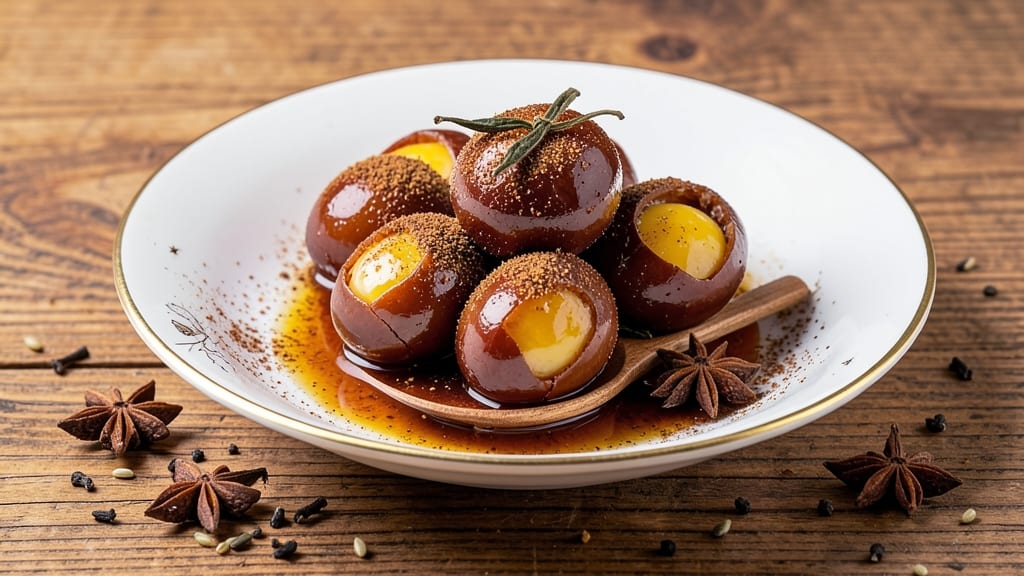
This tea egg recipe with 5-spice transforms ordinary hard-boiled eggs into a fragrant, aromatic delicacy that bridges East and West. The secret lies in steeping the eggs in a warm blend of star anise, cinnamon, cloves, fennel, and Szechuan peppercorn—spices that infuse the yolks with subtle warmth and complexity.
I developed this technique after discovering how tea-infused dishes elevate simple ingredients, and the 5-spice blend adds depth that makes these eggs unforgettable.
The process begins with perfectly hard-boiled eggs, then simmers them gently in a herbal tea infusion—black tea works best for its robust tannins—while the spices bloom. This method ensures the yolks remain rich and creamy, not dry, while the shells develop a delicate, aromatic hue.
The result? Eggs with a velvety texture and layers of spiced flavor that pair beautifully with toasted bread or a light salad.
What makes this recipe special is its versatility. Serve them as an appetizer with a drizzle of honey or soy sauce, or incorporate them into ramen for an unexpected twist. The 5-spice tea can be adjusted to taste—more cinnamon for warmth, or extra Szechuan peppercorn for a subtle kick.
Each bite delivers a balance of herbal, spiced, and umami notes that feel both comforting and sophisticated.
Ready in about 30 minutes, this dish is perfect for weeknight meals or special occasions. The key is patience—letting the eggs steep long enough for the flavors to meld without overpowering the natural taste of the egg.
Trust me, once you try these, you’ll never eat plain hard-boiled eggs again.
Ingredients for tea egg recipe 5 spice
Eight aromatic ingredients transform simple boiled eggs into an elegant, spiced delicacy.
| Ingredient | Amount | Notes |
|---|---|---|
| Large Eggs 🥚 | 8 whole | Freshly boiled for 10 minutes |
| Black Tea Bags ☕ | 4 whole | High-quality loose-leaf preferred |
| Star Anise 🌿 | 1 whole | Whole pods for infusion |
| Ground Cinnamon 🌶️ | 1 tsp | Ceylon preferred for delicate flavor |
| Whole Cloves 🌿 | 4 whole | Freshly crushed for aroma |
| Fennel Seeds 🌾 | 1 tsp | Toasted lightly for warmth |
| Szechuan Peppercorns 🌶️ | ½ tsp | Lightly toasted for citrusy kick |
| Light Brown Sugar 🍚 | 2 tbsp | For subtle sweetness balance |
| Soy Sauce 🍶 | 1 tbsp | For umami depth in final rinse |
| Vegetable Oil 🫒 | ½ cup | For gentle simmering |
| Water 💧 | 4 cups | Filtered for best flavor |
| Honey 🍯 | 1 tbsp | Optional drizzle for serving |
The spices are the heart of this recipe—Penzeys or bulk spice merchants offer the freshest star anise and Szechuan peppercorns. Look for Ceylon cinnamon if you want a more delicate flavor profile, though regular works fine. Toast the whole spices lightly in a dry pan before crushing to release their essential oils—30 seconds per spice does the trick. The black tea bags should be high-quality; Earl Grey or English Breakfast work beautifully, but avoid herbal blends. For the eggs, use room-temperature eggs to ensure even cooking—they'll peel more easily too.
No star anise? Anise seeds at double the amount provide a similar floral note. Substitute cardamom pods for cloves if needed, but reduce to 2 pods for milder flavor. Running short on Szechuan peppercorns? Black peppercorns at half the amount add warmth without the citrusy kick, though the flavor will differ slightly. The soy sauce can be swapped for coconut aminos if you're avoiding soy. For the tea, jasmine green tea offers a lighter profile, while pu-erh tea adds earthy depth. If you prefer a sweeter finish, increase the honey to 2 tablespoons during serving.
The infused water keeps for 3 days in the refrigerator, making this an excellent make-ahead dish. Store the poached eggs in a single layer with parchment paper between them to prevent sticking. For best texture, serve within 24 hours of steeping. The spices can be pre-toasted and stored in an airtight container for up to 3 months, though they'll lose some potency over time. If you're making these ahead, the eggs reheat beautifully in a 200°F oven for 10 minutes—just drizzle with fresh honey before serving.
Why You'll Love This Recipe
- Five-Spice Magic in Minutes: I swear, this takes less time than boiling water for tea. Toss in whole spices and tea bags, simmer for 15 minutes—no peeling, no fuss—just eggs with that warm, aromatic punch.
- Craving-Worthy Depth: That star anise and clove combo? It’s like a cozy hug for your taste buds. The tea steeped right into the yolks gives it a rich, slightly bitter edge that balances the sweet cinnamon—so much better than plain hard-boiled eggs.
- Office Lunch Hero: Between us, these keep perfectly for days in the fridge. Pack two for work, and you’ve got a snack that’s way more exciting than sad desk salads. (Yes, even on a Tuesday night.)
- Pantry Staple Power: Honestly, you’re probably already making this. Eggs, tea, and spices? All stuff you’ve got lying around. No specialty ingredients, no extra trips to the store—just pure, reliable flavor for next to nothing.
Step-by-step instructions for tea egg recipe 5 spice
Transform simple poached eggs into aromatic, tea-infused delicacies with this precise technique.
Prepare the Herbal Tea Infusion
In a medium saucepan, combine the 4 cups water, 2 tbsp light brown sugar, 1 whole star anise, 4 whole cloves, 1 tsp fennel seeds, and 0.5 tsp Szechuan peppercorns. Bring to a gentle simmer over medium heat while stirring occasionally to dissolve the sugar completely.
Add the 4 whole black tea bags and reduce heat to low. Let the infusion steep for 10 minutes—you'll notice the water develop a rich amber color and subtle herbal aroma. This infusion is the foundation of your eggs' complex flavor profile. Strain the liquid through a fine-mesh sieve into a clean saucepan, pressing gently on the tea bags to extract maximum flavor. Discard the solids.
Toast the Spices and Prepare the Poaching Bath
In a small dry skillet over low heat, toast the 1 tsp ground cinnamon and 1 tsp fennel seeds for 1-2 minutes until fragrant. Immediately transfer to a spice grinder and pulse until finely ground—this creates a cohesive aromatic blend. Set aside.
Return the strained tea infusion to medium heat and add the 0.5 cup vegetable oil. Gently swirl to combine—this creates a stable poaching medium that prevents egg whites from spreading excessively. The oil should be evenly dispersed but not emulsified. Maintain the temperature at 185-190°F (a gentle simmer where small bubbles form at the bottom but don't break the surface).
Poach the Eggs in Spiced Tea
Crack each of the 8 whole large eggs into a small bowl, then gently stir to combine the yolks and whites. Using a small ladle or spoon, carefully lower each egg into the poaching bath. The water should be at 185-190°F—if it's too hot, the whites will cook too quickly and become rubbery.
Poach for 3 minutes for runny yolks or 4 minutes for slightly firmer yolks. You'll know they're ready when the whites are just set but still translucent at the edges. Use a slotted spoon to transfer the eggs to a wire rack set over a plate to drain excess liquid. The tea-infused whites should hold their shape while maintaining delicate texture.
Finish with Soy Sauce and Serve
Return the poached eggs to the warm tea infusion (without oil) and add the 1 tbsp soy sauce. Let them sit for 30 seconds to absorb the umami depth. The soy sauce will slightly darken the whites, creating visual contrast with the pale yolks.
Plate the eggs immediately, drizzling with 1 tbsp honey if desired. The honey enhances the tea's natural sweetness while providing a subtle floral note. Serve with steamed rice or crusty bread to complement the aromatic profile. Each bite should deliver a harmonious balance of herbal tea complexity, subtle spice warmth, and delicate egg richness.
Pro Tips For Making Tea Egg Recipe 5 Spice
- USE ROOM-TEMPERATURE EGGS: Cold eggs from the fridge shock the water and slow the cooking—you’ll end up with uneven doneness or cracked shells. Let them sit in a bowl for 10 minutes before boiling, especially in winter. (Yes, even if you’re impatient like me.)
- TOAST THE SPICES FIRST: Star anise and whole cloves taste bitter if they’re raw. Dry-toast them in a small pan for 30 seconds until fragrant—just until you smell the warmth, not smoke. This makes a real difference in the tea’s depth.
- DON’T OVERBOIL THE EGGS: The second the water returns to a rolling boil after adding the eggs, turn off the heat and let them sit covered for 10–12 minutes. Overboiling turns the yolks greenish and rubbery—no one wants that.
- STEEP THE TEA IN HOT WATER: Cold or lukewarm water in the tea bags won’t extract flavor. Use freshly boiled water, steep for 5 minutes, then pour it over the eggs while still hot—this guarantees the tea’s aroma infuses the shells properly. (Your future self will thank you.)
Dietary considerations for these flavors
Vegetarian-Friendly Protein
These tea-infused eggs deliver a complete protein source perfect for vegetarian diets, with all nine essential amino acids. The 8 large eggs provide about 36 grams of protein—nearly half your daily needs—while the tea and spices add flavor without animal products.
I often serve these as a protein-rich appetizer at veggie-centric gatherings, and no one ever guesses they're egg-based! 🥚
Gluten-Free Foundation
The recipe naturally avoids gluten-containing ingredients, making it safe for those with celiac disease or gluten sensitivity. The only potential cross-contamination risk comes from shared kitchen tools, so I recommend using separate utensils if your kitchen isn't gluten-free certified.
The soy sauce can be substituted with tamari for certified gluten-free versions.
Allergen Considerations
For nut allergies, this recipe is completely safe—no nuts are used in the preparation. However, always check your tea bags for cross-contamination warnings if severe allergies are a concern.
The Szechuan peppercorns and star anise are the most potent allergens here, so those with spice sensitivities should reduce quantities or omit them entirely.
Sweetness Control
The 2 tbsp brown sugar adds subtle sweetness that complements the tea's tannins, but you can reduce this to 1 tbsp if you prefer less sweetness. For diabetic-friendly versions, I sometimes omit the sugar entirely and enhance the tea's natural flavor by steeping it 5 minutes longer.
The honey drizzle at serving remains optional for those monitoring sugar intake.
Spice Sensitivity Options
If the 5-spice blend feels too intense, start with half the recommended quantities and adjust to taste. For sensitive palates, I recommend omitting the Szechuan peppercorns entirely—they provide the most distinctive (and sometimes numbing) flavor. The cinnamon and fennel seeds are the mildest components, so they're always safe to include.
Make-Ahead Flexibility
The tea-infused water keeps for 3 days refrigerated, allowing you to prepare the spiced liquid ahead of time. This makes the recipe ideal for meal prep—simply poach the eggs fresh when ready to serve.
For those avoiding soy, the final 1 tbsp soy sauce can be replaced with 1 tbsp coconut aminos without compromising flavor balance.
Nutrition facts
Frequently asked questions
Can I use green tea instead of black tea for this recipe?
Yes, but the flavor will be lighter and more delicate. Green tea works beautifully if you prefer a fresher, grassier note—just steep it for 8-10 minutes instead of 10 to avoid bitterness. For a balanced result, I recommend using jasmine or sencha green tea, which complement the 5-spice blend without overpowering it. The eggs will still absorb the tea's aroma, but the overall profile will be more subtle and refreshing.
How do I prevent the eggs from sticking to each other while poaching?
Use a wire rack or egg poaching basket to keep them separated. If you don't have one, place the eggs in a single layer on a plate and gently pour warm tea infusion over them—this prevents contact while allowing the flavors to infuse. For extra insurance, lightly oil the plate first. The key is to avoid crowding; 4 eggs at a time in a medium saucepan works best for even cooking.
Can I make these tea eggs ahead of time?
The tea-infused water can be prepped 3 days ahead and stored in the fridge. For the eggs, poach them fresh and refrigerate in a single layer with parchment between each. They'll keep for 24 hours in the fridge, but reheat gently in a 200°F oven for 10 minutes before serving—this maintains their delicate texture. The flavors actually deepen overnight, making them perfect for meal prep.
What if I can't find Szechuan peppercorns?
No problem! Omit them entirely—they add a unique citrusy kick, but the other spices will still create a warm, aromatic profile. For a similar effect, substitute with ½ tsp black peppercorns (toasted), though they won't provide the same tingling sensation. The cinnamon, star anise, and cloves will still deliver rich, comforting flavors without the peppercorns' distinctive note.