
Desserts
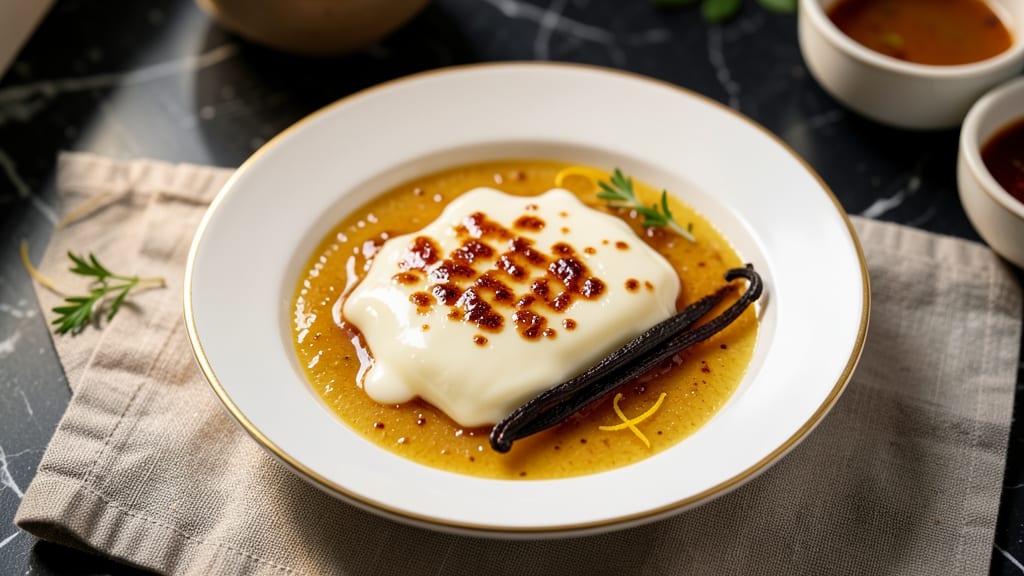
Mastering sweet steamed egg custard transforms simple ingredients into a dessert with silky texture and no curdling risks—the secret lies in precise technique and gentle heat. This recipe delivers a velvety, golden custard that's rich yet light, perfect for both beginners and those seeking restaurant-quality results at home.
The method ensures every bite is creamy and perfectly set, without the fear of lumps or graininess that often plagues homemade custards.
What sets this custard apart is the foolproof steaming method, which creates an even, creamy texture by controlling moisture and temperature. You'll work with a simple ratio of eggs, sugar, and milk (or dairy-free alternatives), combined with vanilla or other flavorings of your choice.
The key is patience—allowing the mixture to thicken gradually in a water bath ensures a smooth, luxurious finish every time.
By the end, you'll have a dessert that's elegant enough for special occasions but simple enough for weeknight treats. The custard holds its shape beautifully when chilled, making it ideal for individual servings or layered desserts.
Whether you prefer classic vanilla, tropical coconut milk, or earthy matcha, this recipe adapts effortlessly to your taste.
Ready in just 30 minutes with minimal active time, this custard requires only basic kitchen tools and delivers professional results. The technique is vegetarian-friendly and easily accommodates dairy substitutions, ensuring everyone at the table can enjoy it. Let's create something truly special.
Ingredients for sweet steamed egg custard
Six essential ingredients transform into restaurant-quality custard with perfect texture and zero curdling risks.
| Ingredient | Amount | Notes |
|---|---|---|
| Large Eggs 🥚 | 6 whole | Room temperature preferred |
| Granulated Sugar 🍚 | ¾ cup | Superfine for faster dissolving |
| Whole Milk 🥛 | 2 cups | Full-fat for creaminess |
| Pure Vanilla Extract 🌿 | 1 tbsp | High-quality Madagascar bourbon |
| Unsalted Butter 🧈 | ½ cup | Cold, cubed for water bath |
| Pinch of Salt 🧂 | ¼ tsp | Diamond Crystal preferred |
| Cornstarch 🌾 | 1 tsp | For silky texture stabilization |
| Lemon Zest 🍋 | 1 tsp | Freshly grated for brightness |
| Heavy Whipping Cream 🥛 | ½ cup | Optional for topping |
| Ground Cinnamon 🌿 | ½ tsp | For dusting |
| Water 💧 | 2 cups | For steaming bath |
Egg quality matters most here—farm-fresh or organic eggs yield the smoothest texture. Whole Foods or local farms carry the best for custards. Sugar should be superfine or finely ground to dissolve completely; Trader Joe's sells it pre-ground. Milk fat content is critical—whole milk creates the richest custard, while 2% works in a pinch. For vanilla, Madagascar bourbon extract delivers the deepest flavor. The butter should be cold and cubed—this prevents it from melting during the water bath and ensures proper heat distribution.
No vanilla extract? Seeds from a vanilla bean work beautifully—simmer them in the milk for 10 minutes first. Substituting milk? Full-fat coconut milk creates a tropical custard, while almond milk yields a lighter texture (reduce by 0.25 cup). For a dairy-free option, use unsweetened soy or oat milk> but increase the cornstarch to 2 tsp. The lemon zest can be omitted if you prefer pure vanilla flavor, but it adds a subtle brightness that balances the richness. If you're making this ahead, store the dry ingredients separately—mix them only when ready to steam.
Prepare the custard mixture and steam immediately for best results—active time is 15 minutes, but total time includes chilling. The custard sets best when refrigerated for at least 4 hours, though it can be served warm if desired. Store in an airtight container for up to 5 days in the fridge; it actually improves overnight as flavors meld. For individual servings, portion into ramekins or custard cups before chilling. The texture remains silky when reheated gently—30 seconds in the microwave or 10 minutes in a 325°F oven with a water bath.
Why You'll Love This Recipe
- Five-Ingredient Magic: I swear, this recipe is my go-to when I’ve got nothing but eggs, milk, and sugar staring back at me from the fridge. No fancy tools—just a bowl, whisk, and steamer basket. Honestly, the simplicity is what keeps me coming back.
- Silky Vanilla Bliss: That first bite of custard—warm, jiggly, and kissed with vanilla—is like dessert without the guilt. The butter adds this rich, velvety depth, while the sugar just melts into pure comfort. Between us, it’s the kind of flavor that makes you pause mid-sip of coffee.
- Breakfast or Dessert: I’ve served this chilled for brunch with berries, reheated it for a lazy afternoon snack, and even packed it in lunchboxes. The eggs and milk make it hearty enough for breakfast, but the sugar and vanilla turn it into something indulgent by dinner. It’s the ultimate chameleon dish.
- Leftovers That Don’t Suck: Unlike so many desserts, this custard actually improves the next day. Reheat a portion in the microwave, and it’s just as creamy—no sad, rubbery texture here. Plus, it’s cheap to make; a carton of eggs and a bag of sugar stretch across multiple servings. My wallet thanks me every time.
Step-by-step instructions for silky steamed egg custard
Precision is everything in this delicate custard—follow these steps to achieve flawless texture every time.
Whisk Eggs and Sugar Until Ribbon Stage
In a heatproof mixing bowl, combine the 6 whole large eggs and 0.75 cup granulated sugar. Using a whisk, beat vigorously for 3-4 minutes until the mixture lightens in color and forms ribbons when the whisk is lifted. This thorough blending ensures the sugar dissolves completely and prevents graininess in the final custard.
The mixture should be thick, pale, and slightly translucent—this indicates proper emulsification. I like to press my finger through the mixture; if it leaves a clean trail without any sugar grains, you're ready for the next step. Work quickly here to maintain room temperature, as cold eggs can cause curdling later.
Incorporate Milk, Vanilla, and Stabilizers
Gradually whisk in the 2 cups whole milk, 1 tablespoon pure vanilla extract, and 1 teaspoon cornstarch until fully combined. The cornstarch acts as a stabilizer, creating that signature silky texture. Add the 1 teaspoon lemon zest and 0.25 teaspoon pinch of salt, whisking until evenly distributed throughout the mixture.
This is where the magic happens—tempering the eggs prevents curdling. I always strain the mixture through a fine-mesh sieve at this stage to eliminate any potential lumps. The custard should now have a smooth, velvety consistency with no visible streaks of any ingredient.
Prepare the Steaming Bath
Fill a deep saucepan with 2 cups water and bring to a gentle simmer over medium-low heat. Place the mixing bowl in a heatproof dish that fits snugly inside the saucepan. The water should come no higher than halfway up the sides of the bowl—this ensures even heat distribution without boiling over.
I use a folded kitchen towel between the bowl and dish to prevent any potential scratching. The water should never touch the custard mixture, but should create a consistent steam environment. Maintain a temperature of 170-180°F—this gentle heat cooks the custard slowly and evenly without risk of curdling.
Steam Until Set and Silky
Carefully place the prepared bowl in the steaming bath and cover with a tight-fitting lid. Steam for 30-35 minutes until the custard reaches 165°F internally and has a slight wobble when gently shaken. The edges should pull away cleanly from the bowl, indicating proper setting.
For the final touch, remove from heat and let rest for 10 minutes before unmolding. This resting period allows the custard to fully set and develop its characteristic silky texture. I always run a knife around the edges first to ensure clean release from the bowl.
Finish with Butter and Optional Toppings
While still warm, whisk in the 0.5 cup cold unsalted butter until fully incorporated. This step adds richness and helps create that signature velvety mouthfeel. For serving, dust the surface with 0.5 teaspoon ground cinnamon and top with a dollop of 0.5 cup heavy whipping cream if desired.
The custard should be perfectly smooth with no lumps, and the texture should be firm yet tender when cut. Serve immediately while still warm for the best experience—this delicate dessert doesn't keep well once cooled. Store any leftovers in the refrigerator for up to 2 days, though I rarely have any!
Pro Tips For Making Sweet Steamed Egg Custard
- Whisk Eggs Cold: I learned this the hard way—cracking eggs straight into warm milk makes the custard grainy as heck. Whisk them in a separate bowl first, then temper them by slowly drizzling in the warm milk while stirring constantly. The goal? Keep that egg mixture below 100°F (38°C) the whole time, or you’ll end up with scrambled bits instead of silky custard.
- Butter in Layers: Don’t just melt the butter and dump it in. Cut cold unsalted butter into small cubes (about ½-inch squares) and fold them into the custard after it’s been steamed for 15 minutes. The butter will melt slowly, creating pockets of richness instead of turning the whole thing into a greasy mess. Trust me, your custard will thank you.
- Sugar First, Heat Last: Add all the sugar before you start steaming—no waiting until the end. The sugar dissolves better in the cold mixture, and it helps stabilize the custard so it doesn’t curdle when the heat hits. If you add it later, you’ll end up with undissolved grit at the bottom, and nobody wants that.
- Steam at 180°F (82°C): Too low, and your custard turns out watery. Too high, and it sets like rubber. Use a thermometer to keep the steam at a steady 180°F (82°C)—that’s the sweet spot for a jiggly, not-too-firm texture. If you don’t have one, watch the custard’s surface: tiny bubbles should break gently, not boil violently.
Creative variations of these flavors
Tropical Coconut Twist
Swap the milk for 2 cups full-fat coconut milk and add 1 teaspoon matcha powder for a vibrant green custard with tropical depth. The coconut milk creates a naturally richer texture, while matcha adds earthy complexity.
I like to finish with toasted coconut flakes and a drizzle of agave syrup for a dessert that feels like a vacation in every bite. 🥥
Spiced Chai Infusion
Infuse the milk with 1 cinnamon stick, 2 cardamom pods, and 3 cloves while heating (don't boil). Strain before mixing with eggs, then add ½ teaspoon ground ginger to the basic recipe.
The warm spices create a cozy, aromatic custard perfect for fall. Top with whipped cream and a sprinkle of cinnamon sugar for extra warmth. ☕
Citrus Lavender Delight
Zest 2 lemons (instead of 1 tsp) and add 1 teaspoon dried culinary lavender to the milk mixture. The lavender's floral notes balance the citrus brightness beautifully. For presentation, serve in ramekins with a lavender sugar rim and a twist of lemon peel.
This variation feels elegant enough for brunch but simple enough for any occasion. 🌸
Salted Caramel Swirl
Prepare the custard as directed, then stir in ½ cup salted caramel sauce (homemade or store-bought) after removing from heat. For a marbled effect, gently swirl the caramel with a knife before chilling.
Top with flaky sea salt and a drizzle of extra caramel before serving. The contrast of salty and sweet makes this version irresistibly indulgent. 🍯
Espresso Chocolate Depth
Add 1 tablespoon instant espresso powder to the milk mixture and 2 tablespoons unsweetened cocoa powder to the egg-sugar base. The combination creates a rich, mocha-like custard with deep chocolate notes. Dust with cocoa powder and serve with a whipped cream topping for a dessert that satisfies chocolate cravings. ☕🍫
Seasonal Pumpkin Spice
Replace the vanilla with 1 tablespoon pumpkin puree and add ½ teaspoon pumpkin pie spice (cinnamon, nutmeg, ginger, cloves). The custard takes on a subtle pumpkin flavor that's perfect for autumn.
Garnish with a candied pecan topping and a sprinkle of pumpkin spice for a dessert that feels like a cozy fall hug. 🎃
Nutrition facts
Frequently asked questions
Why does my steamed egg custard sometimes curdle?
Curdling usually happens when eggs cook too quickly or at high heat. To prevent it, always whisk eggs and sugar until pale and ribbon-like, then gradually add warm milk. Maintain a gentle simmer (170-180°F) during steaming and never let water touch the custard mixture. A fine-mesh sieve before steaming removes any potential lumps that could trigger curdling.
Can I make this custard without a steamer basket?
Use a heatproof bowl placed inside a deep saucepan with 2 cups water (water level halfway up bowl sides). Cover tightly with a lid and steam on medium-low heat. For even better results, place a folded towel between the bowl and saucepan to prevent scratching. The key is consistent steam without direct contact.
How do I know when the custard is fully cooked?
The custard is done when it reaches 165°F internally and has a slight wobble when gently shaken. The edges should pull away cleanly from the bowl. For extra assurance, insert a toothpick - it should come out clean. Let it rest 10 minutes before unmolding for perfect texture.
What's the best way to serve this custard?
Serve warm for maximum creaminess, dusted with cinnamon and topped with whipped cream. For a make-ahead option, chill completely and serve cold with fresh berries or caramel sauce. Individual ramekins work beautifully for elegant presentations. The custard also makes a stunning layer in trifles or parfaits.
Can I substitute cornstarch with another thickener?
Cornstarch is ideal for that signature silky texture, but you can use 1 tablespoon arrowroot powder as a 1:1 substitute. Avoid flour as it can make the custard grainy. For dairy-free versions, increase cornstarch to 2 teaspoons since plant milks require more stabilization. Always whisk thoroughly to prevent lumps.