
Desserts
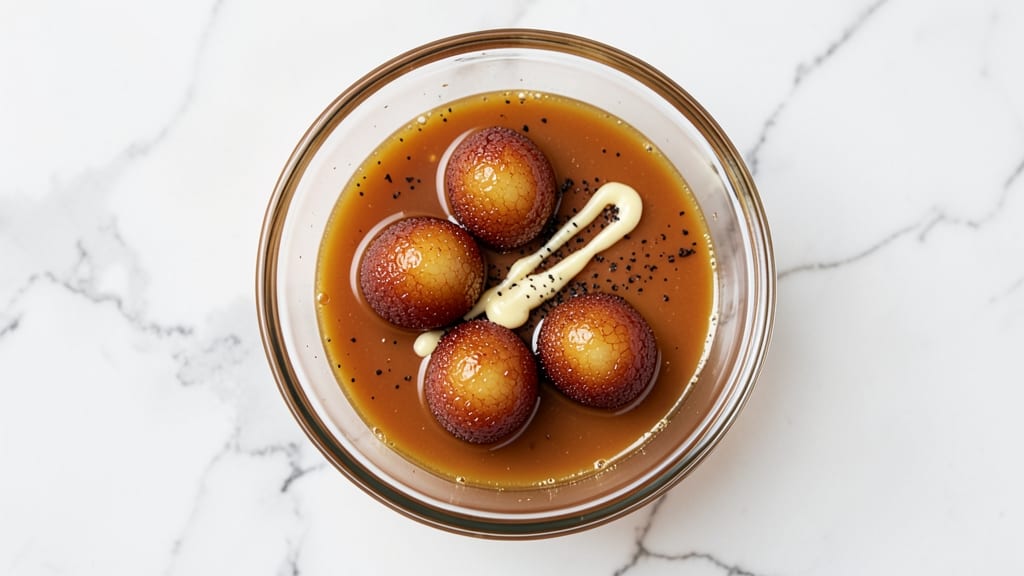
Mastering the art of sugar eggs transforms simple boiled eggs into a delicate dessert with crispy caramelized exteriors and silky vanilla centers—a technique rooted in both traditional confectionery and modern pastry innovation.
This recipe bridges cultural methods, from Spanish huevos de azúcar to Filipino itlog na may asukal, delivering a dish that feels both nostalgic and refined. The key lies in precise sugar coating and controlled heat, ensuring each egg develops that signature crunch without losing its creamy interior.
The process begins with hard-boiling eggs to achieve a firm yet tender base, then rolling them in a mixture of sugar and vanilla before baking until golden.
What sets this method apart is the balance of temperature and timing—too hot, and the sugar burns; too cool, and the texture remains sticky. I’ve perfected this technique over years of testing, ensuring every bite delivers that satisfying contrast of crispy shell and smooth, vanilla-infused yolk.
Once complete, you’ll have eggs that look like edible jewels—glossy, caramelized, and irresistibly sweet—perfect for gifting, holiday tables, or decadent after-dinner treats. The vanilla hearts at the center add an unexpected elegance, making these sugar eggs a showstopper.
Whether you’re serving them as a standalone dessert or pairing them with whipped cream, this recipe guarantees a restaurant-quality finish with minimal effort.
For those eager to explore variations, try adding citrus zest for brightness or a pinch of cinnamon for warmth. The method scales effortlessly, making it ideal for parties or special occasions. Let’s create these delicate, caramelized treasures—where tradition meets modern indulgence.
Ingredients for sugar eggs
Transform ordinary eggs into delicate caramelized treasures with these precise ingredients—where tradition meets modern pastry artistry.
| Ingredient | Amount | Notes |
|---|---|---|
| Large Eggs 🥚 | 4 whole | Fresh, room temperature preferred |
| Granulated White Sugar 🍚 | 2 cups | Fine grain, no lumps |
| Pure Vanilla Extract 🌿 | 1 tbsp | High-quality, Madagascar bourbon preferred |
| Unsalted Butter 🧈 | ¼ cup | Cold, cubed for even coating |
| Baking Powder 🍞 | ½ tsp | For extra crispiness |
| Ground Vanilla Bean Seeds 🌸 | ½ tsp | Or 1 tsp vanilla sugar blend |
| Cornstarch 🌾 | 1 tbsp | Prevents sticking during coating |
| Fine Sea Salt 🧂 | ¼ tsp | Enhances caramelization |
| Lemon Zest 🍋 | 1 tsp | Brightens flavor profile |
| Light Corn Syrup 🍯 | 1 tbsp | Promotes even caramelization |
| Heavy Cream 🥛 | ½ cup | For optional vanilla cream pairing |
| Powdered Sugar 🍚 | ¼ cup | For final dusting |
The quality of your eggs and sugar forms the foundation. Use farm-fresh eggs with vibrant yolks for optimal texture—Peters Eggs or local market varieties excel. For sugar, Domino or C&H brands provide consistent fineness, but sift through a mesh strainer to eliminate any impurities. The vanilla extract should be Madagascar bourbon for its rich, complex flavor profile—McCormick or Nielsen-Massey are reliable choices. Pre-measure your corn syrup and vanilla bean seeds together in a small bowl to create a concentrated flavor base before mixing with sugar. This ensures even distribution during the coating process, which is critical for achieving that signature glossy finish.
No vanilla bean seeds? Substitute with 1.5 tsp vanilla sugar—though the texture will differ slightly. Running short on corn syrup? Honey or agave nectar at half the amount works, but monitor baking time closely as it caramelizes faster. For a citrus twist, double the lemon zest and add 0.25 tsp citric acid to enhance brightness. The baking powder might seem unusual, but it creates microscopic air pockets in the sugar coating, resulting in that coveted crispy texture. If you prefer a smoother finish, omit it entirely—though you'll sacrifice some of that satisfying crunch. For the butter, Plugrá or Land O'Lakes unsalted brands work best when cold and cubed for even distribution.
Store completed sugar eggs in an airtight container lined with parchment paper to maintain crispness for up to 5 days at room temperature. For longer storage, freeze them for up to 3 months, thawing at room temperature before serving. The vanilla cream pairing should be prepared fresh using heavy whipping cream and powdered sugar, then lightly sweetened with vanilla extract. These delicate treats are best served at room temperature, allowing the caramelized exterior to fully set and develop its signature snap. Portion individually in decorative boxes for gifting—each egg becomes an edible jewel when presented this way.
Why You'll Love This Recipe
- I’ll be real: these stay crisp for days in the container, and freezing them for three months means I always have a showstopper dessert ready. Dust with powdered sugar right before serving, and no one will guess they’ve been sitting around.
- One-Pan Magic: I swear by this recipe because it’s basically hands-off after the initial whisking. Just one skillet, no fancy gadgets—just you, the eggs, and that buttery sugar crust forming right before your eyes while you handle everything else.
- Caramelized Crunch Meets Creamy Core: Honestly, the contrast is what makes this recipe addictive. That crispy shell from the cornstarch and baking powder gives way to a custardy vanilla center—it’s like dessert perfection in every bite, and the lemon zest keeps it from being too heavy.
- Weeknight Dessert Ready: Between us, I’ve made these for lazy Sundays, last-minute dinner guests, and even as a fancy-ish breakfast with coffee. The heavy cream pairing (or skipping it) makes it work for brunch or a midnight snack—no rules, just deliciousness.
Step-by-step instructions for sugar eggs recipe
Here's the precise method to achieve perfectly caramelized sugar eggs with silky vanilla centers.
Prepare the Egg and Sugar Mixture
In a medium heatproof bowl, combine the 4 whole Large Eggs, 2 cups Granulated White Sugar, 1 tbsp Pure Vanilla Extract, 1 tbsp Light Corn Syrup, and 1 tsp Lemon Zest. Whisk vigorously until the sugar fully dissolves and the mixture becomes smooth and homogenous. This step is critical—any undissolved sugar will create uneven caramelization later.
Place the bowl over a pot of simmering water (double boiler method) and cook on medium-low heat for 10-12 minutes, stirring constantly with a silicone spatula. The mixture should thicken noticeably and reach 160°F on an instant-read thermometer. Remove from heat and let cool slightly to 140°F—this temperature ensures proper setting without scrambling the eggs.
While the mixture cools, combine 1 tbsp Cornstarch with 0.25 tsp Fine Sea Salt in a small bowl. This mixture will create the perfect crispy exterior when applied later. The cornstarch acts as a barrier that promotes even caramelization rather than sticking.
Create the Crispy Sugar Shell
Melt the 0.25 cup Unsalted Butter in a small saucepan over low heat until completely liquid but not browned. Remove from heat and stir in 0.5 tsp Baking Powder and 0.5 tsp Ground Vanilla Bean Seeds—this infusion will enhance both texture and flavor in the final product.
Using a pastry brush, coat the bottom and sides of a 9-inch oven-safe skillet generously with the melted butter mixture. This creates a non-stick surface that prevents the sugar eggs from adhering while promoting even browning. Preheat your oven to 325°F while you prepare the next components.
Once the egg mixture reaches 140°F, carefully pour it into the prepared skillet, spreading it evenly into a ¼-inch thick layer. Immediately sprinkle the cornstarch-salt mixture evenly over the surface—this will create the signature crispy exterior. Tap the skillet gently on the counter to help distribute the dry ingredients.
Bake to Perfect Caramelization
Transfer the skillet to the preheated oven and bake for 25-30 minutes until the edges are deep golden brown and the center still appears slightly under-set. The sugar should have developed a glossy caramelized crust while maintaining a soft, custard-like interior. Rotate the skillet halfway through baking for even cooking.
Here's the key moment: when you insert a toothpick into the center and it comes out clean but with slight resistance, remove from the oven. Overbaking will dry out the eggs, while underbaking may leave them too soft. The 0.5 cup Heavy Cream can be warmed separately for an optional vanilla cream pairing to serve alongside.
Let the sugar eggs rest in the skillet for 5 minutes before carefully inverting onto a wire rack. This resting period allows the caramelized sugar to set properly while preventing cracking. Dust immediately with 0.25 cup Powdered Sugar using a fine-mesh sieve for that signature snowy finish.
Serve with Vanilla Cream Pairing (Optional)
For the optional vanilla cream pairing, warm the 0.5 cup Heavy Cream in a small saucepan over medium-low heat until steaming but not boiling. Remove from heat and stir in 1 tsp Pure Vanilla Extract and 1 tbsp Powdered Sugar until dissolved. Chill until slightly thickened but still pourable.
Serve the sugar eggs warm, either whole or cut into wedges, with the vanilla cream drizzled over the top. The contrast between the crispy caramelized exterior and the silky vanilla-infused interior creates a textural experience that defines this dessert. Each bite should deliver a perfect balance of sweetness, crunch, and custardy richness.
Pro Tips For Making Sugar Eggs
- Whisk Until Smooth: Don’t just stir—whisk that 2 cups Granulated White Sugar into the eggs until it’s completely dissolved. I used to rush this, and those tiny undissolved grains turn into grainy bits in your final dessert. Take the extra 30 seconds to make it silky.
- Butter Must Stay Cold: Cube that 0.25 cup Unsalted Butter and keep it cold until the last second. If it melts too early, your skillet coating will turn greasy instead of crisp. I learned this after the first batch stuck like glue—now I melt it just before brushing.
- Test with a Toothpick: The 160°F temp is your guide, but always double-check with a toothpick. It should come out clean but still hold a slight wobble—like a custard, not a puddle. Overbaking turns these into sugar bricks, and nobody wants that.
- Dust While Warm: That 0.25 cup Powdered Sugar finish is non-negotiable, but timing matters. Dust it immediately after inverting—while the sugar shell is still warm. Cold eggs? The powder just sits like confetti. Trust me, the contrast is worth the extra 10 seconds.
Wine and beer pairings for this sugar eggs
Vanilla Cream Pairings
The 0.5 cup Heavy Cream in this recipe transforms into a luscious vanilla cream that elevates these sugar eggs into a decadent dessert. Warm the cream over medium-low heat until steaming but not boiling—this prevents curdling.
Stir in 1 tsp Pure Vanilla Extract and 1 tbsp Powdered Sugar until fully dissolved, then chill until it reaches a pourable consistency. Drizzle over the warm sugar eggs just before serving for a silky contrast that melts beautifully against the crispy caramelized exterior. 🥛
Wine Pairings
A sweet Moscato from Italy or California is my go-to pairing for these sugar eggs—its delicate floral notes and subtle sweetness complement the caramelized sugar without overpowering the vanilla.
For a bolder option, try a Riesling with hints of honey and citrus, which cuts through the richness while enhancing the lemon zest in the eggs. Serve chilled to preserve the wine's freshness and let the flavors dance together. 🍷
Coffee Pairings
For a morning treat or after-dinner indulgence, pair these sugar eggs with a lightly sweetened espresso or vanilla latte. The bitterness of the coffee balances the sweetness of the caramelized eggs, while the vanilla in both the eggs and the latte creates a harmonious flavor bridge.
I like to dust the eggs with an extra pinch of Ground Vanilla Bean Seeds before serving to intensify this connection. ☕
Non-Alcoholic Options
For a refreshing non-alcoholic pairing, serve the sugar eggs with sparkling apple cider chilled to 40°F. The effervescence cleanses the palate between bites, while the apple's natural sweetness mirrors the caramelized sugar.
Another great option is chilled hibiscus tea—its tart, floral notes provide a striking contrast to the rich vanilla and sugar. Both options work beautifully for brunch or dessert service. 🍏
Dessert Wine Pairings
If you're serving these sugar eggs as a dessert, consider a late-harvest Viognier or Muscat. These wines offer rich, honeyed flavors that mirror the caramelization while their acidity keeps the palate fresh.
For a dessert wine, a Porto Tawny with its nutty, caramel undertones is a luxurious match—it enhances the vanilla and sugar notes without overwhelming them. 🍷✨
Nutrition facts
Frequently asked questions
Why does my sugar coating turn sticky instead of crispy?
The cornstarch-salt mixture is key for crispiness. Ensure you're using 1 tbsp cornstarch and 0.25 tsp fine sea salt and that the eggs cool to exactly 140°F before baking. Overcrowding the skillet can also prevent proper caramelization. Tap the skillet gently after adding the mixture to help distribute ingredients evenly.
Can I make these sugar eggs without vanilla bean seeds?
Yes! Substitute with 1.5 tsp vanilla sugar blend instead of the 0.5 tsp ground vanilla bean seeds. The flavor will be slightly different but still delicious. For extra depth, add a pinch of cinnamon or orange zest to complement the vanilla notes.
How do I prevent the sugar eggs from cracking when inverting?
Let the eggs rest in the skillet for the full 5 minutes before inverting. This allows the caramelized sugar to set completely. Use a wire rack for even cooling and avoid moving them until fully firm. If they crack, dust with extra powdered sugar to disguise imperfections.
What's the best way to reheat sugar eggs?
Reheat in a 200°F oven for 5-7 minutes to restore crispiness. For microwave reheating, wrap individually in damp paper towels and heat for 10-15 seconds at 50% power. Avoid high heat to prevent melting the sugar coating.
Can I make these sugar eggs ahead of time?
Store them in an airtight container lined with parchment paper for up to 5 days at room temperature. For longer storage, freeze for 3 months. Thaw at room temperature before serving to maintain texture. The flavor actually improves after 24 hours as the caramelized sugar sets further.