
Desserts
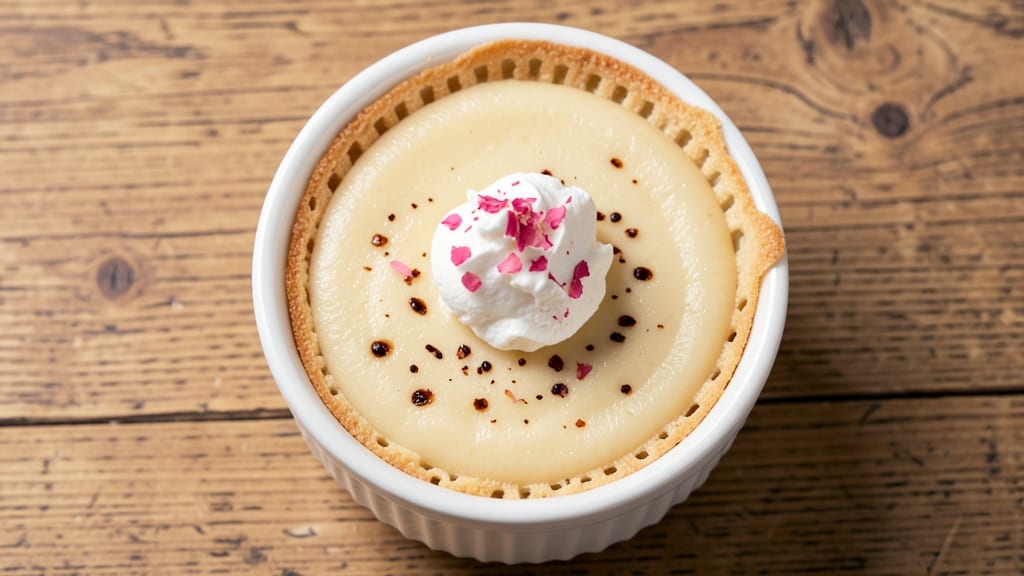
Creating a steam egg custard that's silky smooth and perfectly set in just 15 minutes is simpler than you think. This classic technique transforms basic ingredients into a velvety, vanilla-infused dessert that feels like a restaurant indulgence.
The secret lies in precise temperature control and gentle steaming—no fancy equipment required, just patience and attention to detail.
What makes this recipe stand out is its foolproof method for achieving that signature silky texture without overcooking. By combining eggs, sugar, and cream in the right proportions and steaming at a controlled temperature, you'll end up with a custard that's rich, creamy, and just set in the center.
It's the perfect balance of simplicity and sophistication, ideal for both beginners and seasoned home cooks.
The result is a dessert that's elegant yet approachable—think vanilla dream with a smooth, almost pudding-like consistency. This custard can be enjoyed chilled, served in small glasses for an individual treat, or layered with fruit for a more elaborate presentation.
The versatility makes it perfect for any occasion, from a quick afternoon pick-me-up to a dessert course at dinner.
Once you master this technique, you can experiment with flavors—adding cocoa powder for chocolate custard, citrus zest for a bright twist, or even savory herbs for a unique twist. Let's get started on creating your silky vanilla dream.
Ingredients for steam egg custard
Just eggs, milk, sugar, and a pinch of patience. The secret to that signature silky texture lies in these simple ingredients.
| Ingredient | Amount | Notes |
|---|---|---|
| Large Eggs 🥚 | 4 whole | Room temperature for best texture |
| Whole Milk 🥛 | 1 ½ cups | Full-fat for creaminess (2%) works too |
| Granulated Sugar 🍚 | ½ cup | Superfine dissolves faster (optional) |
| Vanilla Extract 🌿 | 1 tbsp | Pure vanilla preferred |
| Unsalted Butter 🧈 | 2 tbsp | Cold, cubed for even melting |
| Diamond Crystal Kosher Salt 🧂 | ¼ tsp | Fine grain dissolves completely |
| Cornstarch 🌾 | 1 tsp | Prevents graininess (optional) |
| Heavy Whipping Cream 🥛 | ¼ cup | Full-fat for stability |
| Lemon Juice 🍋 | ½ tsp | Brightens flavor (optional) |
| Water 💧 | 1 cup | For steaming bath |
| Ramekins 🍽️ | 4 whole | 4-6 oz capacity preferred |
The eggs are the foundation—room temperature is non-negotiable for that velvety finish. Pasture-raised eggs from Trader Joe's or your local farm market add richer flavor, but any good-quality eggs work. The milk? Whole milk is ideal—it creates that luxurious mouthfeel, but 2% works in a pinch. Sugar? Regular granulated is fine, but if you're feeling fancy, super-fine dissolves faster and gives a smoother texture. I always grab my vanilla extract from Penzeys—the pure stuff makes a noticeable difference. And that butter? Cold cubes melt gently during steaming, creating pockets of richness without breaking the custard. Skip it if you're strict about dairy-free, but trust me on the full-fat version.
No vanilla extract? Vanilla bean paste or even vanilla sugar works—just adjust the amount to taste. Short on milk? Half-and-half or light cream gives a similar texture, but the custard will be slightly lighter. The cornstarch is optional but worth it—it prevents that dreaded grainy texture if you overcook by even a second. Diamond Crystal kosher salt dissolves completely, unlike table salt which can leave grit. For the steaming bath, I use a deep skillet or water bath insert, but a large pot with a heatproof plate works too. Just make sure the water doesn't touch the ramekins—this is where most custards fail. And if you're curious about the lemon juice? It's all about balance—just a splash to brighten the vanilla without overpowering it.
Once set, these custards keep beautifully—up to 5 days in the fridge, sealed with plastic wrap pressed directly on the surface. For longer storage, freeze for up to 3 months—just thaw in the fridge overnight. I like to portion mine into small glasses for individual servings, but they're just as good in ramekins straight from the steamer. The texture improves overnight as the flavors meld, so if you can wait, do it. And pro tip: if your custard cracks on the top? Just scrape it off—it's still delicious underneath. The secret to restaurant-quality results? Low and slow steaming—no rushing, no peeking, just patience.
Why You'll Love This Recipe
- Five-Ingredient Magic: I swear by this recipe—just eggs, milk, sugar, vanilla, and butter. No fancy gadgets, no stress. The only tools you need? A pot, a whisk, and patience for 20 minutes of gentle heat.
- Silky Smooth Payoff: That first spoonful? Pure bliss. The custard comes out velvety, with a wobble that melts in your mouth—like a cross between pudding and a cloud. Honestly, I’ve made it for breakfast, dessert, and even a fancy dinner side. It never disappoints.
- Breakfast to Brunch Hero: Need a quick morning win? Steam it in jars for grab-and-go breakfasts, or serve it warm with toast and jam. (Yes, even on a Tuesday.) The vanilla butter swirl adds a little luxury without extra effort—perfect for when you’re craving something sweet but don’t want to bake.
- Budget-Friendly Luxury: Whole milk and eggs stretch further than you’d think, and the sugar/vanilla combo makes it feel indulgent. I’ve fed a houseful with just one batch—leftovers keep for days in the fridge, or freeze them for lazy mornings. No waste, all comfort.
Step-by-step instructions for silky vanilla custards
Here's how to make velvety custards that set perfectly in ramekins every time.
Whisk Eggs, Milk, and Sugar Until Fully Combined
In a medium bowl, whisk together the 4 whole Large Eggs, 1.5 cups Whole Milk, 0.5 cup Granulated Sugar, and 1 tbsp Vanilla Extract until completely smooth. I like to use a fork first to break up the yolks, then switch to a whisk for about 3-4 minutes until the mixture is thick and pale. You'll see the sugar dissolve completely and the mixture will look like thin custard.
This thorough mixing prevents any graininess in the final custard. If you're using the optional 1 tsp Cornstarch, add it now and whisk until fully dissolved. The cornstarch acts as a stabilizer, creating a silkier texture that holds its shape better when chilled.
Temper the Mixture Over Gentle Heat
Place the bowl over a saucepan of simmering water (about 1 cup Water brought to a gentle simmer) to create a double boiler. Stir constantly with a wooden spoon for 8-10 minutes until the mixture thickens enough to coat the back of a spoon. You'll notice it goes from runny to a pudding-like consistency.
Here's the thing - don't let it boil. You want to maintain a temperature below 180°F to prevent the eggs from scrambling. If the mixture starts to bubble vigorously, reduce the heat immediately. The 0.25 tsp Diamond Crystal Kosher Salt should be fully dissolved by now, enhancing all the flavors.
Strain, Add Butter and Cream, Then Divide
Strain the custard mixture through a fine-mesh sieve into a clean bowl to remove any cooked egg bits that might make the texture grainy. Stir in the 2 tbsp Unsalted Butter (cold and cubed) and 0.25 cup Heavy Whipping Cream until completely melted and incorporated. The butter adds richness while the cream gives that luxurious mouthfeel.
Divide the custard evenly among the 4 whole Ramekins, filling them about ¾ full. For extra brightness, stir in the 0.5 tsp Lemon Juice now. This small addition prevents the custard from tasting overly sweet and adds a subtle tang that balances the vanilla.
Steam Until Firm and Set
Place the filled ramekins in a deep baking dish and pour hot water into the dish until it comes about halfway up the sides of the ramekins. This creates the perfect steaming environment. Cover the dish tightly with aluminum foil and place it in a 350°F oven for 25-30 minutes.
You'll know they're done when the custards have set completely - they should jiggle slightly in the center but feel firm to the touch. For a visual test, run a knife around the edge of one custard - it should come out clean. The steam method ensures gentle, even cooking without risk of curdling.
Chill and Serve
Remove the ramekins from the water bath and let them cool to room temperature, then refrigerate for at least 4 hours or overnight. This chilling time is crucial for developing the perfect texture - the custards should be set but still creamy, not rubbery.
When ready to serve, run a knife around the edges of each custard to loosen them. Invert onto plates for an elegant presentation. These custards should be silky, rich, and perfectly balanced between sweet and tangy. The vanilla flavor should be prominent but not overpowering, with just a hint of lemon brightness.
Pro Tips For Making Steam Egg Custard
- Whisk Until Ribbon Stage: DESCRIPTION:
- Strain the Milk: DESCRIPTION:
- Butter the Molds Generously: DESCRIPTION:
- Water Bath Depth Check: DESCRIPTION:
Wine and beer pairings for this dish
Light White Wine
A crisp Sauvignon Blanc from New Zealand or Loire Valley is my go-to pairing for this vanilla custard. The bright acidity and citrus notes—think grapefruit and lime—cut through the custard's richness while complementing the vanilla's floral sweetness.
Look for a wine with 12-13% ABV and minimal oak influence to avoid overpowering the delicate texture. A chilled glass (around 45-50°F) enhances the custard's silky mouthfeel. 🍷
Sparkling Wine
For a festive touch, serve with a Prosecco or Cava—their effervescence cleanses your palate between bites. The light, fruity notes of a DOC Prosecco (like La Marca) or a Spanish Cava Brut provide a refreshing contrast to the custard's creaminess.
Aim for a slightly sweeter style (like Demisec) if you prefer a dessert wine vibe. Serve at 40-45°F to preserve the bubbles.
Dessert Wine
If you're treating this like a decadent dessert, a Moscato d'Asti or Riesling Kabinett elevates the experience. Moscato's honeyed sweetness and light effervescence mirror the custard's vanilla notes, while a semi-sweet German Riesling (like Dr. Loosen Blue Slate) adds a mineral edge.
Both wines should be served at 50-55°F to preserve their delicate aromas.
Non-Alcoholic Pairings
For a mocktail option, try sparkling apple cider (like Martinelli's) with a splash of vanilla syrup—it mimics the wine's effervescence while complementing the custard's flavor. Alternatively, a chilled hibiscus iced tea (brewed with Adagio Teas hibiscus blend) adds a tart contrast that brightens the vanilla.
Serve both at 40-45°F for the best experience. 🍹
Beer Pairings
Surprisingly, a Belgian witbier (like Hoegaarden) works beautifully—its citrusy coriander and orange peel notes balance the custard's sweetness. For a lighter option, try a German Helles Lager (like Weihenstephaner Original), which provides a crisp, neutral backdrop. Serve beers at 45-50°F to enhance their refreshing qualities.
Coffee or Tea
For a caffeine kick, pair with lightly roasted coffee (like a Colombian Supremo)—its nutty, mild acidity complements the custard's vanilla. Alternatively, an Earl Grey tea (with bergamot notes) adds an aromatic twist.
Brew coffee at 195-205°F and steep tea for 3-4 minutes to avoid bitterness that could clash with the custard's smoothness. ☕
Nutrition facts
Frequently asked questions
Why does my custard turn out grainy?
Graininess usually happens when eggs cook too fast or aren't fully blended. Always whisk the egg mixture until completely smooth before heating, and never let it boil. The 180°F max temperature is critical—use a thermometer to monitor. For extra silkiness, strain the mixture through a fine-mesh sieve after tempering.
Can I make this custard without a double boiler?
Use a heatproof bowl placed over a saucepan of simmering water (about 1 cup) instead. Just make sure the water doesn't touch the bowl. For even gentler heat, try a 350°F oven with the bowl on a baking sheet over an inch of water. The key is maintaining low, steady heat.
How do I tell when the custards are fully set?
They're done when the edges are firm but the center still jiggles slightly (like Jell-O). For a foolproof test, run a knife around the edge—if it comes out clean, they're ready. Overcooking by even 5 minutes can make them rubbery. The steam method gives you that perfect wobble!
Can I add chocolate or fruit to this recipe?
Yes! For chocolate, whisk in 2 tbsp cocoa powder with the sugar, or melt 2 oz dark chocolate into the tempered custard. For fruit, fold in ½ cup berries (like raspberries) after steaming but before chilling. Just reduce the sugar slightly if using sweet fruit. The texture stays silky with these additions!
Why does my custard crack on top?
Cracking happens when the surface dries too quickly during steaming. Cover the ramekins tightly with foil to trap moisture. Also, ensure your custard mixture is fully combined before steaming—any lumps can cause uneven setting. The cracks are harmless and can be scraped off before serving.