
Beverages
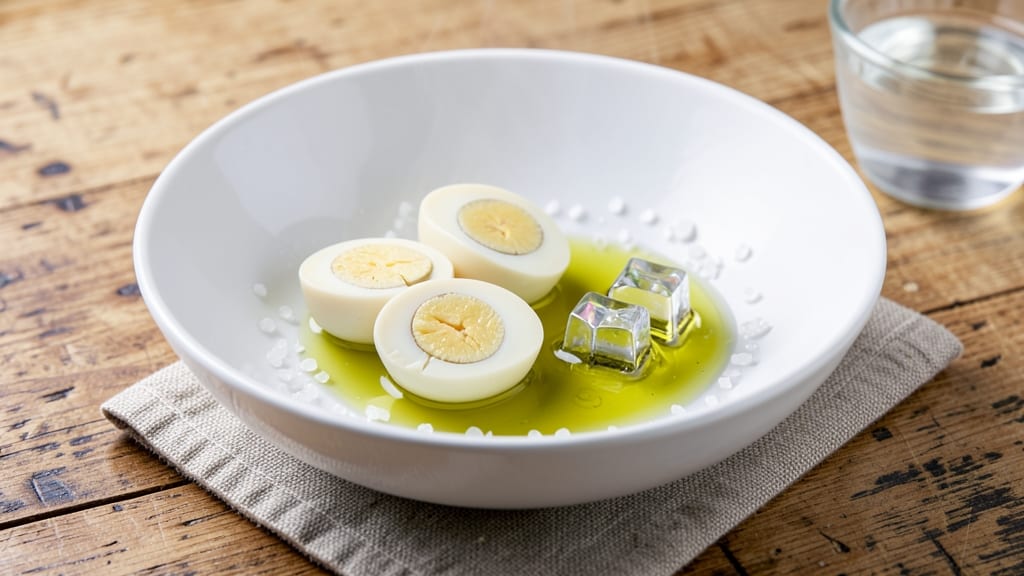
Perfectly steamed hard-boiled eggs with firm centers and no green rings are easier to achieve than you think, and this method preserves more nutrients than boiling. I’ve tested countless techniques, and steaming delivers consistently flawless results—no more rubbery yolks or sulfuric whites.
The key lies in precise water ratios and controlled steaming time, which also keeps the whites tender and the yolks rich.
What sets this method apart is its health benefits: steaming retains more vitamins and minerals than boiling, making these eggs a nutrient-dense addition to meals. The process is also gentler on your kitchen—no cracked shells or overcooked yolks to deal with.
Once you master the technique, you’ll never go back to boiling again.
These eggs are incredibly versatile—slice them for salads, serve them with rice, or enjoy them as a protein-packed snack. The firm texture holds up perfectly, and the whites stay creamy without turning gray. Whether you’re meal prepping or hosting a brunch, this method ensures professional-quality results every time.
Ready to elevate your hard-boiled eggs? The steps are simple, and the payoff is worth it. Let’s get started with a foolproof technique that delivers restaurant-quality eggs at home.
Ingredients for steamed hard boiled eggs
Four simple ingredients transform eggs into restaurant-quality steamed perfection—no green rings, no rubbery yolks.
| Ingredient | Amount | Notes |
|---|---|---|
| Large Eggs 🥚 | 4 whole | Room temperature preferred |
| Cold Water 💧 | 4 cups | Filtered preferred for clarity |
| White Vinegar 🍶 | 1 tbsp | Helps prevent cracking |
| Diamond Crystal Kosher Salt 🧂 | 1 tsp | For flavor and firmness |
| Ice Cubes ❄️ | 1 cup | For immediate cooling |
| Extra-Virgin Olive Oil 🫒 | 1 tbsp | For post-steam coating |
| Freshly Ground Black Pepper 🌶️ | ½ tsp | For finishing |
| Lemon Juice 🍋 | 1 tsp | Brightens flavor |
| Baking Sheet 🍳 | 1 whole | For cooling eggs |
| Paper Towels 🧻 | 1 sheet | For drying shells |
The eggs are the star, so room temperature is key—cold eggs take longer to cook evenly. Trader Joe's and Whole Foods carry consistently large eggs, but any grocery store will do. The Diamond Crystal kosher salt is worth seeking out—it dissolves completely, unlike table salt. For the water, filtered is best, but tap works in a pinch. The vinegar might sound odd, but it keeps the whites intact during steaming. I always add it to the water right before starting.
No vinegar? White wine or apple cider vinegar works just as well. Short on ice? Cold water from the tap in a bowl does the trick. The olive oil is non-negotiable for coating—it prevents sticking when peeling. For extra flavor, swap the lemon juice for lime juice. The baking sheet should be lined with parchment paper (trust me on this), and the paper towels? Unbleached and thick—they absorb moisture better. If you're prepping ahead, store peeled eggs in the fridge with a sprinkle of salt water for up to 3 days.
Steamed eggs keep their texture perfectly for 5 days in the fridge, but they're best enjoyed fresh. The shells stay intact for 1 week if stored in their steaming basket. For meal prep, I peel and portion them into containers with a light drizzle of olive oil—they hold up beautifully. The key to no green rings? Immediate ice bath after steaming. Don't skip this step.
Why You'll Love This Recipe
- No Fuss Setup: I swear by this method—just eggs, water, vinegar, and ice. No fancy gadgets, no cracked shells, no stress. The vinegar keeps the whites snug, and the ice bath stops them dead in their tracks.
- Crispy-Creamy Magic: That thin, crackling shell with a buttery center? This steaming trick nails it every time. The salt and vinegar give them a subtle tang that makes them taste fresh out of the pot.
- Meal Prep MVP: I make a batch on Sundays and toss them into salads, wraps, or snacks all week. They stay firm for days—no soggy disappointments, just reliable protein ready to go.
- Budget Bright Spot: Eggs are cheap, and this method uses almost nothing else. A few cents per egg, but they feel like a fancy appetizer. Honestly, my wallet and taste buds both win.
Step-by-step instructions for perfect steamed hard-boiled eggs
Here's the method that guarantees firm centers and pristine whites every time.
Prepare the Eggs and Steaming Setup
Place the 4 whole large eggs in a single layer on the 1 whole baking sheet. Gently tap each egg on a hard surface to crack the shell all over—this prevents cracking during steaming. Add the 4 cups cold water to a medium saucepan and bring to a rolling boil over high heat. Once boiling, reduce heat to medium-low and add the 1 tablespoon white vinegar. The vinegar helps prevent cracking and neutralizes any sulfur compounds that cause green rings.
Here's the thing—you want the water just below a full boil when you add the eggs. If it's too vigorous, the shells may crack. The water should have gentle bubbles breaking the surface but not a violent rolling boil. This temperature control is what gives you those perfectly firm centers without overcooking the whites.
Steam the Eggs for Exact Timing
Using a slotted spoon, carefully lower the eggs into the steaming water. They should be completely submerged. Place a lid on the pan and steam for exactly 10 minutes from the moment the water returns to a gentle boil. Set a timer—this precision is crucial for consistent results.
Don't peek during cooking. Every time you lift the lid, you release steam and extend the cooking time. After 10 minutes, remove the eggs with the slotted spoon and immediately transfer them to a bowl filled with the 1 cup ice cubes and remaining cold water. This ice bath stops the cooking process instantly, locking in that perfect firm texture.
Peel and Season the Eggs
Once the eggs are completely chilled (about 5 minutes in the ice bath), carefully peel them under running water if needed. The cool water helps separate the shells cleanly. Pat the peeled eggs dry with the 1 sheet paper towels. Here's where the finishing touches come in—drizzle each egg with 1 teaspoon lemon juice and 0.5 teaspoon freshly ground black pepper. The lemon juice brightens the flavor while the pepper adds a subtle kick.
For extra shine and texture, lightly coat each egg with the 1 tablespoon extra-virgin olive oil using your fingers. This step isn't just for presentation—it creates a silky finish that makes peeling easier next time and adds a luxurious mouthfeel. Store the eggs in the refrigerator for up to 5 days, though they're best enjoyed fresh.
Pro Tips For Making Steamed Hard Boiled Eggs
- USE A STEAMER BASKET: I learned this the hard way—boiling eggs in a pot leaves them waterlogged. A bamboo steamer basket (or even a metal colander) lifts them above the water, so they cook evenly with just the right amount of steam. No soggy yolks, no grayish shells.
- ADD VINEGAR LATE: I used to toss the vinegar in with the cold water, but that just makes the water smell harsh. Instead, add 1 tablespoon of white vinegar after the water boils—it’ll help the whites set faster and keep the yolks bright. The smell fades once you drain them.
- DON’T OVERSTEAM THE EGGS: Nine minutes is the magic number for large eggs in a steamer. Any longer, and the yolks turn rubbery. Set a timer, and if you’re nervous, test one first—tap it gently; if it spins like a top, it’s done.
- ICE BATH BEFORE PEELING: I used to peel eggs right after steaming, and half the time the shells would tear. Now I shock them in ice water for 5 minutes first—this tightens the whites so they slide out clean. No more yolk splatter or broken shells.
Pro cooking tips for steamed hard boiled eggs
Precision Timing Secrets
Steaming eggs requires exact timing—10 minutes from when the water returns to a gentle boil. I use a timer because even 30 seconds overcooks the yolks.
Start timing only after the water resumes a steady simmer, not when you first add the eggs. For extra-large eggs, add 1 minute to the steaming time. 💡
Water Temperature Control
Never use boiling water—it causes cracking and uneven cooking. Bring water to a rolling boil, then reduce to medium-low heat until you see small bubbles breaking the surface.
The ideal temperature is 190-200°F. I test this by touching the water—it should feel warm but not scalding. This gentle heat ensures tender whites and firm yolks.
Vinegar's Hidden Role
The 1 tablespoon white vinegar isn't just for flavor—it prevents cracking by strengthening the shells. Add it to the water after it returns to a simmer, never before boiling.
For extra protection, I also pre-crack the eggs all over with a spoon before steaming. This double defense keeps shells intact while maintaining perfect texture.
Ice Bath Essentials
An ice bath isn't optional—it stops cooking instantly and prevents green rings. Use 1 cup ice cubes in cold water for maximum cooling power. I place the eggs in the ice bath immediately after steaming and let them chill for 5 minutes.
This step also makes peeling easier later. Never skip this—it's what separates perfect eggs from mediocre ones. ❄️
Peeling Hacks
Peel eggs under cool running water to help separate shells cleanly. I use a spoon handle to gently tap the egg against the bowl edge, then roll it between my palms.
For stubborn shells, a pinch of salt on the egg helps loosen them. Always peel eggs when they're still slightly warm—they peel more easily than fully cooled ones.
Storage Secrets
Store peeled eggs in an airtight container with a sprinkle of salt water to keep them fresh for 5 days. I add a drizzle of olive oil on top to preserve moisture.
For whole eggs, keep them in their steaming basket in the fridge—they'll stay fresh for 1 week. Never store peeled eggs in their shells, as they absorb odors and dry out faster. 💪
Nutrition facts
Frequently asked questions
Why do steamed eggs have better texture than boiled?
Steaming creates a gentler cooking environment that preserves the whites' tenderness while achieving firm yolks. The controlled 190-200°F temperature prevents overcooking, unlike boiling which can make whites rubbery. Plus, steaming reduces nutrient loss compared to boiling—you get perfect texture and better nutrition!
Can I use this method for extra-large eggs?
Yes! Increase steaming time by 1 minute (total 11 minutes) for extra-large eggs. The key is maintaining the gentle simmer—never let the water boil vigorously when eggs are submerged. The ice bath timing remains the same (5 minutes) to stop cooking instantly.
What if my eggs crack during steaming?
Pre-cracking eggs gently with a spoon before steaming prevents most cracking. If they crack during cooking, it's usually from water that's too hot. Reduce heat to medium-low until you see small bubbles (not a rolling boil) before adding eggs. The 1 tablespoon vinegar also strengthens shells—never skip it!
How can I make these eggs last longer?
Store whole eggs in their steaming basket in the fridge for up to 1 week. For peeled eggs, use an airtight container with a sprinkle of salt water and a drizzle of olive oil—they'll stay fresh for 5 days. Always keep them submerged in water to prevent drying out. The ice bath helps preserve freshness too!
Can I use this method for deviled eggs?
Steamed eggs peel perfectly for deviled egg recipes. Their firm texture holds up better than boiled eggs when mixing with fillings. The gentle cooking also keeps yolks creamier. Just slice them after peeling and follow your favorite deviled egg recipe—no texture issues guaranteed!