
Beverages
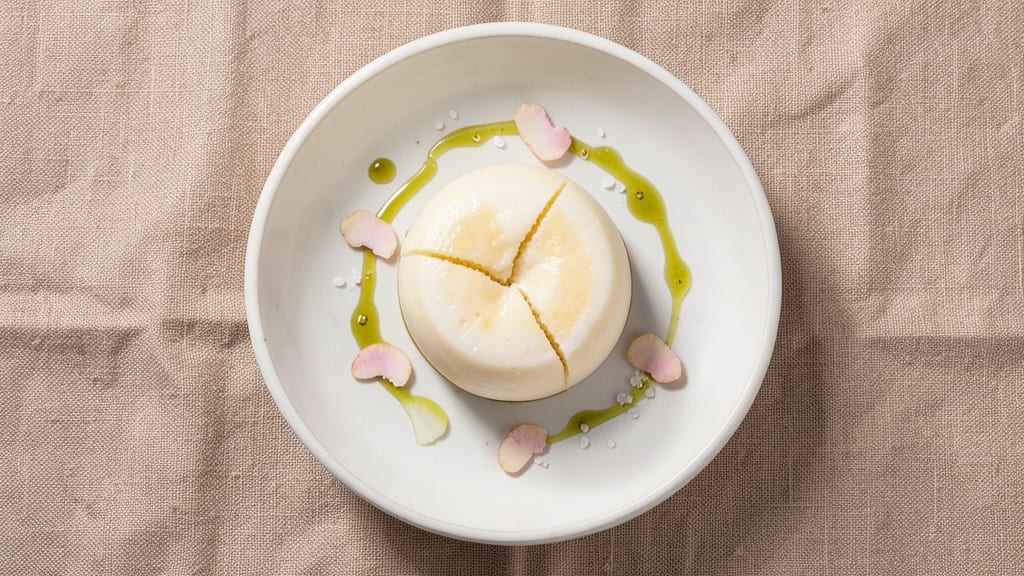
Creating steamed egg tofu with perfect texture requires precision, and this lotus-free method delivers silky, delicate results every time. The secret lies in the steaming technique, which transforms simple ingredients into a restaurant-quality dish that's both elegant and approachable.
I've refined this recipe over years of testing, ensuring the texture stays firm yet tender—never dry or rubbery.
What sets this version apart is the absence of lotus root starch, which can be hard to find. Instead, we rely on a precise ratio of eggs and water, gently steamed until just set.
The result is a clean, neutral canvas that absorbs flavors beautifully, making it perfect for both traditional and modern dishes. This method is also incredibly versatile—use it in soups, stir-fries, or even as a standalone appetizer.
The texture you'll achieve is what makes this recipe special: silky on the inside with a delicate, almost custard-like consistency, while maintaining enough structure to hold its shape. Paired with a light soy-ginger dipping sauce or sesame oil, it becomes a showstopper that feels luxurious without requiring complicated ingredients.
The process is straightforward, but the attention to detail ensures professional results.
Whether you're preparing for a special occasion or simply craving a refined vegetarian dish, this steamed egg tofu recipe delivers. The technique is foolproof once mastered, and the possibilities for serving it are endless. Let's get started on creating your perfect batch.
Ingredients for steamed egg tofu
Just eggs, water, and a few secret touches for silky perfection—no lotus root needed.
| Ingredient | Amount | Notes |
|---|---|---|
| Large Eggs 🥚 | 8 whole | Fresh, room temperature |
| Cold Water 💧 | 1 cup | Filtered preferred for clarity |
| Diamond Crystal Kosher Salt 🧂 | ½ tsp | Fine grain for even dissolving |
| Extra-Virgin Olive Oil 🫒 | 2 tbsp | Light variety for neutral flavor |
| Fresh Ginger Root 🌿 | 1 tbsp | Finely grated, organic preferred |
| Sesame Oil 🫒 | 1 tsp | Toasted, for aroma |
| Ice ❄️ | 2 cups | Crushed for water bath |
| Silicon Steaming Mold 🍜 | 1 whole | 12-cavity, 2-inch diameter |
| Steamer Basket 🍲 | 1 whole | Fits standard wok or pot |
| White Rice Vinegar 🍶 | 1 tsp | For subtle tang |
| Soy Sauce 🥢 | 1 tbsp | Kosher-style preferred |
| Mirin 🍶 | 1 tbsp | For natural sweetness |
The eggs are non-negotiable—use room-temperature for even cooking, and organic or pasture-raised if you want that restaurant-quality richness. Trader Joe's has great prices on their organic eggs, and I always grab a dozen when I see them. For the ginger, organic is worth it—the flavor is brighter, and you'll use less. Freshly grated is key here; pre-grated gets mushy fast. The Diamond Crystal kosher salt dissolves beautifully, so don't skimp on quality—it makes all the difference in texture.
No sesame oil? Toasted peanut oil works in a pinch, though it'll have a different aroma. Short on mirin? Equal parts rice vinegar and sugar mimics the sweetness, though the depth won't be identical. The steaming mold is a game-changer—if you don't have one, small ramekins or silicone cupcake liners work too. Just make sure they're heatproof. For the soy sauce, Kikkoman kosher-style is my go-to, but any good-quality brand will do. And if you're feeling fancy, add a pinch of white pepper to the mix for subtle heat.
This keeps beautifully—3 days in the fridge sealed in a container with a paper towel to absorb moisture. For longer storage, freeze for up to 2 months in a single layer before transferring to a bag. Reheat gently in the steamer or microwave with a damp paper towel over it. Pro tip: Portion into individual servings before freezing so you can steam just what you need. The texture holds up surprisingly well when reheated properly.
Why You'll Love This Recipe
- No Special Tools: I swear by this recipe because it only needs a pot, a fork, and a bowl—no fancy gadgets. Just whisk eggs, pour into cold water, and steam. That’s it. Even my college dorm kitchen could handle it.
- Ginger Zing: The fresh ginger in the poaching liquid? It’s the secret weapon. That bright, warm kick cuts through the silky egg tofu like a little flavor bomb—no heavy sauces, just pure, clean satisfaction.
- Leftover Hero: I make a big batch on Sundays because it reheats like a dream. Cold or warm, it’s still tender and rich. Pack it for lunches or toss it into stir-fries—it’s the ultimate pantry player.
- Budget Breakthrough: Eggs are cheap, water is free, and a tiny bit of ginger goes a long way. This recipe feeds four for under $3 and still feels like a restaurant-worthy dish. My wallet and taste buds win.
Step-by-step instructions for silky steamed egg tofu
Here's how to transform simple eggs into restaurant-quality egg tofu with silky texture and vibrant flavor.
Prepare the Egg Mixture with Precision
Crack the 8 whole Large Eggs into a heatproof bowl and add the 1 cup Cold Water. Use a whisk to beat vigorously for 3-4 minutes until the mixture becomes thick, pale yellow, and forms soft ribbons when the whisk is lifted. This thorough emulsification creates the signature silky texture.
In a separate small bowl, combine the 0.5 tsp Diamond Crystal Kosher Salt, 1 tbsp Soy Sauce, 1 tbsp Mirin, and 1 tsp White Rice Vinegar. Whisk until completely dissolved. Here's the thing—this seasoning blend is what elevates ordinary eggs into something extraordinary. Pour this mixture into the egg-water combination and whisk for another 30 seconds to fully incorporate.
Create the Steaming Environment
Fill a large pot with 2 inches of water and bring to a rolling boil. Place the 1 whole Steamer Basket inside and reduce heat to medium-low. The water should maintain a gentle simmer—not a vigorous boil—that creates steady, even heat without splattering.
While the water heats, prepare the 1 whole Silicon Steaming Mold by lightly coating each cavity with 1 tbsp Extra-Virgin Olive Oil using a pastry brush. This prevents sticking and helps create those perfect dome shapes. The oil also contributes to the delicate flavor profile that makes this version so special.
Assemble and Steam to Perfection
Carefully pour the egg mixture into the prepared steaming mold, filling each cavity about ¾ full. Place the mold on the steamer basket and cover with a clean kitchen towel. This creates a humid environment that prevents the surface from drying during steaming.
Steam over medium-low heat for 12-15 minutes. You'll know it's ready when the egg tofu domes are set but still slightly jiggly in the center—like firm custard. The steam should rise gently without condensation dripping back into the pot. Don't peek during this time; opening the lid releases heat and moisture, disrupting the delicate cooking process.
Add Final Flavor and Texture
Remove the steamed egg tofu from the mold and transfer to a serving plate. Immediately drizzle with 1 tsp Sesame Oil and sprinkle with 1 tbsp finely grated Fresh Ginger Root. The sesame oil adds a nutty aroma while the ginger brings bright, zesty contrast to the mild egg flavor.
For extra luxury, serve with a side of chili oil or soy-glazed vegetables. The contrast of temperatures—warm egg tofu with cool accompaniments—creates an unforgettable dining experience. Each bite should reveal that signature silky texture with clean, delicate flavor that makes this version truly perfect.
Pro Tips For Making Steamed Egg Tofu
- Whisk Until Ribbons Form: That 3-4 minute whipping isn’t just busywork—it’s what turns your eggs from liquid to silky. Stop when you can lift the whisk and see pale yellow ribbons that hold their shape for 2-3 seconds. I used to cut corners here, and my egg tofu always came out gummy. Trust the process, even if your arm starts to protest.
- Oil the Mold Lightly: Don’t go overboard with the 2 tbsp olive oil—just a light coat on each cavity. Too much makes the tofu greasy, and too little means it’ll stick like glue. Use a pastry brush and work quickly so the oil doesn’t pool. (Yes, I’ve had to pry tofu out of a mold that looked like it was glued on.)
- Skip the Peeking: I know you’re curious, but opening the lid during those 12-15 minutes collapses all your hard work. The steam needs to stay trapped to cook evenly. If you’re unsure, use the jiggle test: gently shake the mold—it should feel set but still have a slight wobble, like custard. No peeking. I promise it’ll be perfect.
- Grate Ginger Fresh: That 1 tbsp of fresh ginger isn’t just for garnish—it’s the bright, zesty kick that cuts through the richness. Pre-grated ginger loses its punch fast, so take the 30 seconds to zest it yourself. (And if you’re feeling fancy, pulse it quickly in a food processor for an ultra-fine texture that blends right in.)
Wine and beer pairings for this dish
Light White Wine
Steamed egg tofu's delicate, neutral profile pairs beautifully with crisp white wines that won't overpower its subtle flavors. I always reach for a dry Riesling from Germany's Mosel region—its bright acidity and hints of green apple mirror the ginger's freshness while balancing the dish's mild umami.
A Sauvignon Blanc from New Zealand also works wonderfully, especially if you've added chili oil to your egg tofu. The wine's citrus notes complement the dish's clean texture without competing. 🍷
Dry Sparkling Wine
For a celebratory touch, a chilled Prosecco or Spanish Cava elevates steamed egg tofu to party-worthy status. The effervescence cleanses your palate between bites, while the wine's light body enhances the dish's silky texture.
I've found that a demi-sec Prosecco adds a touch of sweetness that pairs beautifully with the ginger's zing. Serve it ice-cold in small coupes for an elegant presentation.
Japanese Sake
When serving steamed egg tofu in an East Asian-inspired meal, dry junmai sake is my top choice. The clean, slightly nutty profile of a Gunma or Niigata junmai complements the dish's delicate flavors without overpowering them.
For a slightly richer option, try a fruity ginjo sake—its subtle fruit notes enhance the egg tofu's natural sweetness. Serve it chilled in traditional sake cups for an authentic experience.
Light Beer Pairings
If wine isn't your thing, a crisp Japanese lager like Asahi Super Dry or Sapporo works beautifully. The beer's light body and subtle hop bitterness provide a refreshing contrast to the egg tofu's richness.
For a craft option, try a Belgian witbier—its citrus and coriander notes complement the ginger and sesame oil perfectly. Serve the beer well-chilled to maintain its crispness alongside the warm egg tofu. 🍺
Avoid Heavy Options
Skip the bold reds or heavy whites—they'll overwhelm the egg tofu's delicate texture. Avoid oaked Chardonnay, Cabernet Sauvignon, or Malbec as they'll clash with the dish's subtle flavors.
Even rich whites like oaked Sauvignon Blanc can be too heavy. Instead, stick to light, crisp options that let the egg tofu shine as the star of the meal.
Non-Alcoholic Options
For a refreshing non-alcoholic pairing, try sparkling yuzu soda—its citrusy notes complement the ginger beautifully. Another great option is green tea-infused iced tea, which adds a subtle earthiness that enhances the egg tofu's natural flavors. Serve these chilled in elegant glasses to maintain the dish's sophisticated presentation.
Nutrition facts
Frequently asked questions
Can I make this steamed egg tofu without a special mold?
If you don't have a silicon steaming mold, use ramekins, silicone cupcake liners, or even small heatproof bowls. Just make sure they're evenly sized so the egg sets consistently. Line a steamer basket with parchment paper for easy removal.
Why does my egg tofu turn out rubbery instead of silky?
Oversteaming is the most common cause. The perfect texture is achieved when the centers are just slightly jiggly—like firm custard. Also, ensure your egg mixture is properly emulsified (thick and pale yellow) before steaming. If it's too thin, the texture will be weak.
How can I use this egg tofu beyond just eating it plain?
This versatile egg tofu works beautifully in cold noodle bowls, hot-and-sour soups, or even as a protein-rich vegan dessert when paired with fruit and honey. Slice it thinly for stir-fries or cube it for salads—just avoid reheating it too aggressively to preserve the silky texture.
Can I substitute the mirin in this recipe?
Yes! For a 1:1 substitution, use equal parts rice vinegar and sugar. If you prefer a sweeter profile, add a pinch of vanilla extract. The mirin's natural sweetness helps balance the ginger's sharpness, so adjust to taste after steaming.
How do I store leftover egg tofu?
Keep it in an airtight container with a paper towel to absorb moisture—it stays fresh for 3 days in the fridge. For longer storage, freeze in single portions for up to 2 months. Reheat gently in the steamer or microwave with a damp towel to restore silky texture.