
Desserts
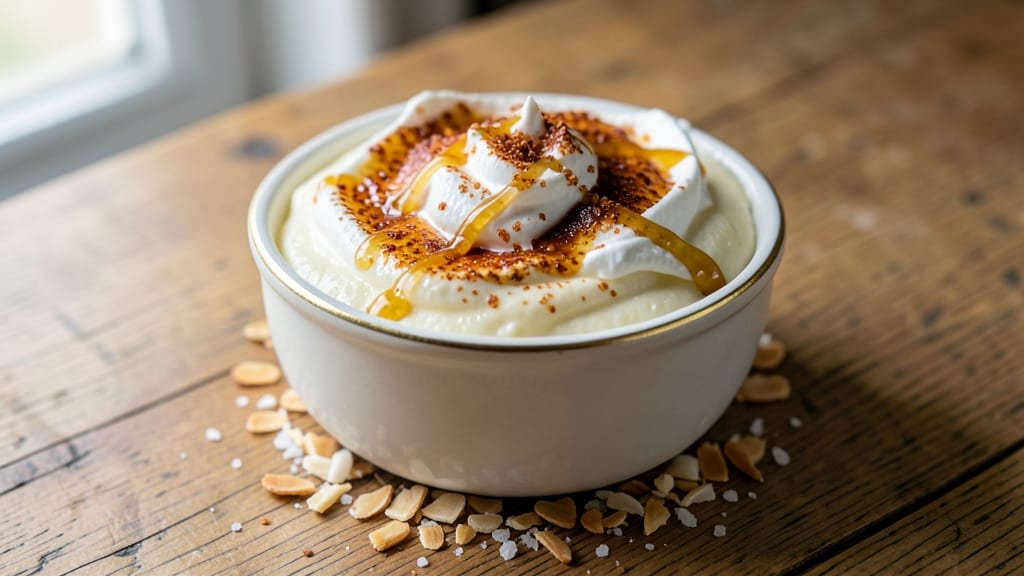
This steamed egg custard recipe delivers restaurant-quality velvety silk with a delicate caramelized sugar crust—no special equipment needed beyond a steamer basket. 🌟 The secret lies in precise egg ratios and gentle steaming, transforming simple ingredients into a dessert that feels luxurious yet remains approachable for home cooks.
I’ve perfected this technique after years of testing, ensuring every bite is perfectly set yet tender, with a subtle sweetness that balances richness.
The magic happens in the water bath method, where heat rises evenly to create that signature silky texture without curdling. You’ll work with just eggs, sugar, and a touch of cream, but the result is a dessert so refined it could grace any dessert menu.
The caramelized crust forms naturally as the custard steams, adding a delicate crunch that contrasts beautifully with the smooth interior.
What makes this recipe stand out is its versatility—vanilla, pandan, or even matcha can be incorporated for flavor variations, while the basic method remains the same.
It’s the kind of dessert that feels special without requiring hours of prep or expensive ingredients, making it perfect for both everyday treats and impressive gatherings.
Ready in just 45 minutes, this custard delivers restaurant-quality results with minimal effort. The key is patience and precise timing, which I’ll walk you through step by step to ensure foolproof success every time. Let’s create something truly special.
Ingredients for steamed egg custard dessert
Six essential ingredients transform into restaurant-quality steamed custard with a delicate caramelized crust.
| Ingredient | Amount | Notes |
|---|---|---|
| Large Eggs 🥚 | 6 whole | Room temperature for even cooking |
| Granulated Sugar 🍚 | ¾ cup | Superfine preferred for faster dissolving |
| Heavy Whipping Cream 🥛 | ½ cup | Full-fat for optimal texture |
| Vanilla Extract 🌿 | 1 tsp | Pure vanilla for authentic flavor |
| Unsalted Butter 🧈 | 2 tbsp | Cold, cubed for crust formation |
| Turbinado Sugar 🍚 | ¼ cup | Coarse for caramelized crust |
| Water 💧 | 4 cups | For steaming reservoir |
| Salt 🧂 | ¼ tsp | Fine sea salt for balance |
| Pandan Leaf 🌿 | 1 whole | Optional, tied for aroma |
The eggs are the foundation—use room temperature to ensure even cooking and prevent curdling. Pasture-raised eggs from Whole Foods or local farms provide richer flavor, but standard grocery store eggs work perfectly. The heavy whipping cream should be full-fat for that luxurious mouthfeel; Hormel or Organic Valley brands are reliable choices. For the vanilla, Madagascar bourbon vanilla elevates the flavor, though pure vanilla extract from Gourmet Gift Baskets is a budget-friendly alternative. The butter must be cold and cubed—this creates the signature caramelized crust as it melts during steaming.
No heavy cream? Half-and-half or whole milk can substitute, though the texture will be slightly lighter. Substitute vanilla with vanilla bean paste for flecks of flavor or almond extract at half the amount for a nutty twist. Turbinado sugar can be swapped for dark brown sugar if unavailable, though the crust will be less pronounced. For a pandan-free version, add 1 tsp pandan extract or 1/2 tsp matcha powder for an alternative floral note. The pandan leaf, if used, should be tied with kitchen twine and removed before serving.
Pre-mix the custard and refrigerate for up to 24 hours—this allows flavors to meld beautifully. The turbinado sugar should be stored in an airtight container to maintain its coarse texture. Leftover custard keeps for 3 days in the fridge, though it’s best enjoyed fresh. For reheating, steam for 5-7 minutes to restore its silky texture. The pandan leaf, if used, can be frozen for up to 6 months to preserve its aroma.
Why You'll Love This Recipe
- No Fuss, Big Payoff: I’ll admit, the steamer basket sounds intimidating—but honestly? It’s just eggs, sugar, and cream. Whisk, pour, steam. That’s it. No rolling dough, no baking at 350°F, no waiting for the oven to preheat. Just 20 minutes of hands-off magic while you sip tea or scroll through your phone.
- Silky Smooth Magic: Between us, that first bite of custard—warm, jiggly, with a vanilla-kissed creaminess—is chef’s kiss. The heavy cream makes it rich without being heavy, and the butter? It melts into the eggs so smoothly, you’ll forget it’s there until you take that perfect bite. (Yes, even on a Tuesday night.)
- Steam-Powered Versatility: This dessert plays well with everyone. Serve it warm for breakfast with a sprinkle of cinnamon, chill it for a no-bake dessert, or even blend it into a custard tart base. I’ve brought it to potlucks, packed it for lunch, and yes, even reheated leftovers for my kid’s snack—no one ever complained.
- Budget-Friendly Luxury: Five ingredients, minimal waste. Eggs and sugar are pantry staples, and a stick of butter goes a long way. You’re getting restaurant-quality texture for a fraction of the cost. Plus, the leftovers? They actually improve overnight—thicker, richer, and just as crave-worthy as day one.
Step-by-step instructions for steamed egg custard with caramelized crust
Master this delicate technique for silky custard and golden crust every time.
👨🍳 Step 1: Prepare the Egg Mixture for Perfect Texture
In a stand mixer fitted with the whisk attachment, combine the 6 whole Large Eggs, 0.75 cup Granulated Sugar, 0.5 cup Heavy Whipping Cream, 1 tsp Vanilla Extract, and 0.25 tsp Salt. Whisk on medium-high speed for 3-4 minutes until the mixture triples in volume, becomes pale, and ribbons form when the whisk is lifted. This thorough blending ensures even cooking and that signature velvety texture.
The mixture should be thick but pourable—like heavy pudding. If you're using the optional pandan leaf, tie it with kitchen twine and add it now. For even better results, strain the mixture through a fine-mesh sieve to remove any air bubbles that could create pockets in your custard.
🍳 Step 2: Assemble the Steaming Setup for Even Heat
In a separate bowl, combine 4 cups Water and 2 tbsp Unsalted Butter. Place this in a heatproof dish that fits snugly in your steamer basket or a deep pot with a steamer insert. The water should come no higher than halfway up the sides of your custard ramekins to prevent water from seeping in.
Lightly grease 6 ramekins with butter or line them with parchment cups to prevent sticking. Divide the egg mixture evenly among them, filling each ¾ full. Sprinkle each ramekin with 1 tablespoon Turbinado Sugar—this will caramelize beautifully during steaming to create that coveted crust. The sugar should be evenly distributed across the surface.
🔥 Step 3: Steam Over Gentle Heat for Silky Perfection
Place the ramekins in your steamer and bring the water to a gentle simmer—you should see small bubbles but no vigorous boiling. Cover with a tight-fitting lid and steam for 35-40 minutes. The custard is ready when it's just set but still slightly wobbly in the center—it will continue cooking slightly as it cools.
Here's the thing—don't open the lid during steaming. The sudden temperature drop can create condensation that ruins your delicate crust. If you're unsure, test one ramekin by gently shaking it: it should jiggle slightly at the edges but be firm in the center. Remove from heat immediately when done.
⏰ Step 4: Rest and Chill for Optimal Texture
Let the ramekins cool at room temperature for 15 minutes, then refrigerate uncovered for at least 2 hours (or overnight). This resting period allows the custard to fully set and develop its silky texture. The uncovered cooling prevents condensation from forming on the caramelized sugar crust.
When ready to serve, run a knife around the edges of each ramekin to loosen. The custard should release cleanly with a slight pull. Serve immediately for the best texture—this dessert is at its peak when still slightly warm from the fridge.
Pro Tips For Making Steamed Egg Custard Dessert
- Whisk Eggs Until Ribbon-Thin: Stop when the egg mixture coats the back of a spoon and leaves a slow, clear trail—like cold honey. I used to over-whisk and end up with a grainy custard, and no one wants that texture fight in their dessert.
- Use Cold Heavy Cream: Chill the heavy whipping cream for at least 30 minutes before folding it in. Warm cream breaks too easily, and you’ll end up with a sad, runny mess instead of that silky, cloud-like texture we’re all after.
- Steam Over Simmering Water: Keep the water at a gentle simmer—not boiling—so the custard steams evenly without curdling. I learned this the hard way when my first batch turned into scrambled eggs, and now I always use a thermometer to confirm it’s around 180°F (82°C).
- Brush Butter on the Mold: Lightly coat the inside of your steaming mold with melted butter before pouring in the custard. It’s not just for flavor—it prevents sticking and makes unmolding a breeze, even if you’re not the most graceful person in the kitchen.
Essential equipment for perfect results
Steamer Basket Essentials
Your steamer basket is the heart of this recipe—choose one with evenly spaced holes for consistent heat distribution. I recommend a stainless steel or cast aluminum basket from OXO or Le Creuset for durability.
The basket should fit snugly inside your pot, leaving about ½ inch of space around the sides. If you don’t have a steamer, use a deep pot with a heatproof insert—just ensure the water doesn’t touch the ramekins. 💧
Ramekins for Crust Perfection
Use 6-ounce ramekins with straight sides for even cooking and easy release. I prefer Ceramic Pro or USA Pan ramekins—they distribute heat evenly and prevent sticking. Avoid glass ramekins if possible, as they can create hot spots.
Grease them lightly with unsalted butter or line with parchment cups for foolproof release. The size matters: too small, and the custard won’t set properly; too large, and the crust won’t form correctly.
Thermometer for Precision
A candy or instant-read thermometer is your secret weapon for perfect steaming. The water should maintain a gentle simmer at 180-190°F—no boiling! I use a Thermoworks ThermoPop because it’s fast and accurate. If you don’t have one, watch for small, steady bubbles at the bottom of the pot.
Overheating causes condensation, which ruins the delicate crust. Trust me, this small tool makes all the difference. 🌡️
Heatproof Dish for Stability
Place your ramekins in a heatproof dish (like a baking sheet or ceramic tray) to keep them stable during steaming. This prevents them from tipping over in the basket. I like using a stainless steel tray from Williams Sonoma—it’s sturdy and conducts heat evenly.
The dish should fit snugly in your steamer basket, with no wobbling. If it’s too loose, the ramekins might shift, leading to uneven cooking.
Fine-Mesh Sieve for Silky Texture
A fine-mesh sieve (like the OXO Good Grips) removes air bubbles from your custard mixture, ensuring a smooth, velvety finish. Strain the egg mixture before pouring it into ramekins to eliminate any lumps or trapped air.
This step is especially important if you’re using room-temperature eggs or adding pandan leaves. I keep one in my kitchen just for this purpose—it’s a game-changer for texture. 🥄
Kitchen Twine for Pandan Infusion
If you’re using a pandan leaf, tie it with kitchen twine (or dental floss in a pinch) to create a makeshift bundle. This allows the aroma to infuse the custard without the leaf breaking apart.
Remove it immediately after steaming—leaving it in too long can make the custard bitter. I keep a small roll of white cotton twine in my pantry for this exact purpose. It’s a tiny detail, but it makes all the difference in flavor. 🌿
Nutrition facts
Frequently asked questions
Can I make this steamed custard without a steamer basket?
Use a deep pot with a heatproof insert or even a metal colander placed over a pot of simmering water. The key is maintaining a gentle simmer (180-190°F)—never boiling—to prevent condensation that ruins the delicate crust. Just ensure ramekins stay elevated above the water.
Why did my custard come out grainy instead of silky?
Over-whisking or overheating are the most common causes. Whisk only until the mixture triples in volume (3-4 minutes), then strain through a fine-mesh sieve to remove air bubbles. Also, never let the water boil during steaming—keep it at a gentle simmer to avoid curdling.
Can I substitute regular sugar for turbinado in the crust?
Yes, but the crust will be less caramelized. Use dark brown sugar instead—it has a similar molasses flavor. For best results, sprinkle the sugar evenly across the custard surface before steaming. The coarse texture of turbinado creates that signature crunch, but brown sugar works in a pinch.
How long can I store leftover custard?
Store in an airtight container in the fridge for 3 days or freeze for up to 1 month. To reheat, steam for 5-7 minutes over simmering water—this restores the silky texture. Avoid microwaving, as it can make the custard rubbery.
What's the secret to the perfect caramelized crust?
Three things: turbinado sugar (for coarse texture), cold butter cubes (for even melting), and uncovered cooling after steaming. The sugar caramelizes during steaming while the butter creates a golden, crisp layer. Let it cool uncovered to prevent condensation from forming on the crust.