
Breakfast & Brunch
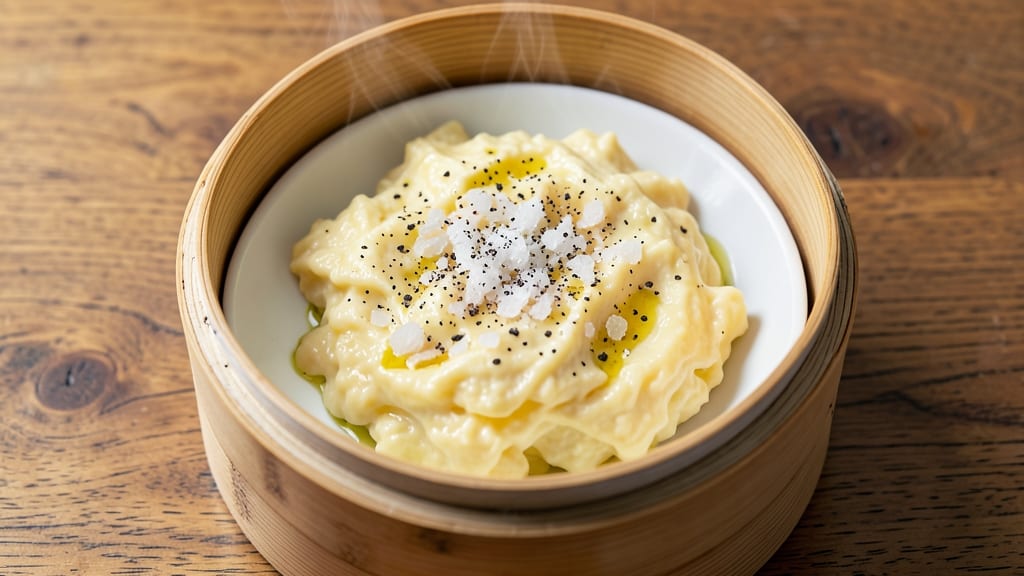
This steamed scrambled eggs recipe delivers silky, fluffy eggs with zero rubbery curdling—a game-changer for anyone who's struggled with traditional stovetop scrambles. The secret lies in gentle heat and indirect steaming, which preserves moisture and nutrients while creating a texture that's impossibly tender.
I perfected this method after years of burning eggs and fighting dry, grainy results, and it now sits at the top of my breakfast rotation.
The beauty of steaming lies in its simplicity: no direct heat means no risk of overcooking or uneven cooking. You'll use just eggs, a touch of fat (like butter or oil), and seasonings—no complicated techniques required.
The bamboo steamer method distributes heat evenly, creating eggs that stay light and custardy from edge to edge, with no tough centers. This approach also retains more of the eggs' natural nutrients compared to frying.
What you'll end up with is a dish that's restaurant-quality but takes less than 10 minutes to prepare. The eggs emerge from the steamer with a delicate, almost soufflé-like texture—creamy, airy, and perfectly seasoned.
They hold their shape beautifully on the plate, making them ideal for brunch presentations or a light yet satisfying breakfast. The method is equally effective for both regular and egg whites, offering versatility for different dietary needs.
Serve these steamed scrambled eggs with fresh herbs, a sprinkle of flaky salt, or a drizzle of chili oil for added depth. They pair wonderfully with toasted bread, avocado, or even as a filling for breakfast wraps.
The best part? You can prepare them ahead and reheat gently to maintain that perfect texture. Let's get started on this foolproof technique that will transform your morning routine.
Ingredients for steamed scrambled eggs
Eight simple ingredients transform into restaurant-quality eggs with perfect texture and zero curdling.
| Ingredient | Amount | Notes |
|---|---|---|
| Large Eggs 🥚 | 8 whole | Room temperature for even cooking |
| Unsalted Butter 🧈 | 2 tbsp | European-style preferred for flavor |
| Flaky Sea Salt 🧂 | ½ tsp | Diamond Crystal preferred |
| Freshly Ground Black Pepper 🌶️ | ¼ tsp | Freshly cracked for maximum aroma |
| Extra-Virgin Olive Oil 🫒 | 1 tsp | For greasing the ramekins |
| Bamboo Steamer 🌿 | 1 whole | With lid for even steaming |
| Ramekins or Heatproof Bowls 🍽️ | 4 whole | 4-6 oz capacity each |
| Fresh Chives 🌱 | 2 tbsp | Finely chopped for garnish |
| Chili Crisp 🔥 | 1 tsp | For serving (optional) |
| Toasted Sourdough Bread 🍞 | 4 slices | For serving (optional) |
| Avocado Slices 🥑 | ½ whole | For serving (optional) |
The eggs are the star, so room temperature is key—cold eggs scramble unevenly. Grab the freshest eggs you can find—the yolks should be bright orange and firm. For butter, European-style (like Plugrá) has more flavor than American butter. The flaky salt matters too—Diamond Crystal dissolves perfectly without graininess. I always use bamboo steamers from Asian markets (they're cheap and work better than metal ones). If you don't have ramekins, any heatproof bowls will do—just make sure they fit in your steamer.
No bamboo steamer? A colander over boiling water works in a pinch, but the eggs might not hold shape as well. Short on chives? Fresh parsley or cilantro add a nice brightness. Want extra richness? Add 1 tbsp heavy cream to the eggs before steaming. The olive oil is just for greasing—don't skimp here, or the eggs might stick. For serving, I love toasted sourdough with avocado, but really anything goes. The chili crisp adds a nice kick without overpowering the delicate texture.
These eggs reheat beautifully—just pop them in the steamer for 30 seconds. Store leftovers in an airtight container for 2 days in the fridge. For make-ahead prep, steam the eggs, then chill them in the ramekins. They'll keep their shape perfectly. The butter and salt can be pre-measured in small bowls for quick assembly. Fresh herbs like chives should be chopped right before serving to keep their color vibrant.
Why You'll Love This Recipe
- No-Fuss Technique: I swear by the steaming method—just eggs, butter, and a tight lid. No flipping, no burning, no stress. The gentle heat keeps them silky without a single rubbery bite, and honestly? It’s the only way I’ll make them now.
- Rich & Simple: That first swirl of melted butter into the eggs? Pure indulgence. The olive oil finish adds a bright, almost buttery depth, and the flaky sea salt? It turns a basic breakfast into something that feels like a treat—no fancy ingredients, just layers of flavor.
- Breakfast Reinvented: Between us, these are my go-to for lazy mornings, quick lunches, or even a light dinner. Pack them in a thermos for work, or serve them warm with crusty bread. They’re the unsung hero of my meal rotation—always reliable, always satisfying.
- Zero-Waste Luxury: Three eggs left? No problem. Steamed eggs reheat like a dream, so I make a big batch on Sundays and snack on them all week. Plus, butter and eggs are about as budget-friendly as it gets—this recipe won’t break the bank, but it’ll make you feel like you’re eating something special.
Step-by-step instructions for steamed scrambled eggs
These eggs stay impossibly light and fluffy—no rubbery texture or curdling in sight.
Prepare the Egg Mixture
Crack all 8 whole Large Eggs into a large bowl. Add 0.5 teaspoon Flaky Sea Salt and 0.25 teaspoon Freshly Ground Black Pepper, then whisk vigorously for 30 seconds until the yolks and whites are fully combined. Here's the thing—room temperature eggs are non-negotiable. If they're straight from the fridge, let them sit at room temperature for 20 minutes first. Cold eggs scramble unevenly and can create pockets of uncooked mixture.
Next, melt 2 tablespoons Unsalted Butter in a small saucepan over low heat. Once fully melted, remove from heat and let it cool slightly. This warm butter will create a luxurious, velvety texture when incorporated. Pour it into the egg mixture and whisk again for another 30 seconds until completely smooth. The butter should be warm but not hot—if it's still steaming, let it cool for 1 minute first to prevent scrambling the eggs immediately.
Grease and Assemble the Ramekins
Lightly brush the inside of each of the 4 whole Ramekins or Heatproof Bowls with 1 teaspoon Extra-Virgin Olive Oil using a clean pastry brush. This prevents sticking and ensures your eggs slide out effortlessly. Here's a pro tip: tilt the ramekins slightly as you brush to coat the entire surface, especially the bottom and sides. Any missed spots will result in eggs clinging stubbornly.
Divide the egg mixture evenly among the ramekins, filling each about ¾ full. The eggs should sit just below the rim to allow for expansion during steaming. Tap each ramekin gently on the counter to release any air bubbles trapped in the mixture. This step guarantees a smooth, dome-like finish rather than a flat, uneven surface.
Steam to Perfect Silky Texture
Fill the bamboo steamer with 2 inches of water and bring it to a gentle simmer over medium heat. Once the water is steaming, place the ramekins in the steamer, ensuring they don't touch the bottom or each other. Cover the steamer with the lid and steam for exactly 6 minutes. This precise timing is crucial—any longer, and the eggs risk becoming dry; any shorter, and they'll remain undercooked.
Here's how you'll know they're done: the eggs should look set but still slightly jiggly in the center. If you're unsure, gently shake one ramekin—if the mixture moves like a soft custard, it's perfect. Remove the ramekins from the steamer and let them sit for 1 minute before serving. This brief rest allows the eggs to firm up slightly, making them easier to serve without falling apart.
Garnish and Serve Immediately
Sprinkle each serving with ½ tablespoon Fresh Chives and a ¼ teaspoon Chili Crisp (if using) for a pop of color and subtle heat. The chives add a fresh, oniony brightness that cuts through the richness of the eggs, while the chili crisp introduces a smoky, spicy contrast. Serve the eggs immediately alongside 4 slices Toasted Sourdough Bread and 0.5 whole Avocado Slices for a balanced, restaurant-quality breakfast.
Don't skip the bread—its crusty texture soaks up any stray egg juices beautifully, and the avocado adds a creamy, cool counterpoint to the warm, silky eggs. If you're serving this for brunch, pair it with a sharp green salad or roasted tomatoes to round out the meal. The key to these eggs is serving them fresh; they lose their ethereal texture as they cool.
Pro Tips For Making Steamed Scrambled Eggs
- Preheat the Lid: Pop your steamer basket with the eggs inside into the pot before you add water—yes, even if it’s just a stovetop setup. I learned this after watching my eggs turn into sad, waterlogged omelet scraps. The lid stays hotter longer, and the steam hits the eggs faster, giving you that perfect silky texture instead of a soggy mess. (And no, you don’t need a fancy steamer—just a metal bowl or colander that fits snugly.)
- Whisk Like You Mean It: Beat those eggs hard—at least 30 seconds with a fork or whisk until the yolks and whites are fully emulsified. I used to half-ass this step, and my scrambled eggs always had that weird, grainy bite. A well-whisked egg mix cooks more evenly and holds together better when the steam works its magic. (Pro move: Add a splash of water—just 1 tablespoon—to keep them extra tender.)
- Butter First, Then Oil: Melt 1 tablespoon of unsalted butter in the bottom of your steamer before adding the eggs, then drizzle in ½ teaspoon of olive oil. The butter adds richness, while the oil prevents sticking—trust me, this combo is non-negotiable. I used to skip the oil, and my eggs would cling to the metal like they owed me money. (Use a nonstick steamer if you’re lazy, but the butter-oil combo is worth the extra 30 seconds.)
- Salt at the End: Hold off on the flaky sea salt until the eggs are almost done—about 30 seconds before they’re fully set. Salt too early, and you’ll end up with rubbery eggs. The steam will pull moisture out, and the salt needs to dissolve into that last bit of liquid for maximum flavor. (Same goes for pepper—freshly cracked, but wait until the very end.)
Storing and reheating this recipe
Fridge Storage Secrets
Store leftovers in airtight containers for up to 2 days—I use glass Pyrex with snap-on lids to preserve freshness. Let the eggs cool completely before sealing to prevent condensation buildup.
The ramekins work perfectly for storage too, just stack them in a single layer. Always refrigerate within 2 hours of cooking to maintain food safety. 🥚
Steamer Reheating Method
For the best texture, reheat directly in the steamer over medium-low heat for 30-45 seconds. The gentle steam revives the eggs' silky consistency without drying them out.
Place ramekins in the steamer with 1 inch of water and cover immediately. If using bowls, ensure they fit snugly to maintain even heat distribution.
Microwave Quick Fix
When short on time, microwave individual portions covered with a damp paper towel at 50% power for 15-20 seconds. Stir halfway through to redistribute heat evenly. Avoid full power—it turns eggs rubbery.
Add 1 tsp water to the ramekin before reheating for extra moisture. This method works best for single servings rather than large batches. ⏰
Make-Ahead Prep Tips
Prepare the egg mixture the night before and store it in an airtight container in the fridge. When ready to cook, simply assemble in greased ramekins and steam as directed.
The eggs will reheat beautifully while maintaining their delicate texture. For extra convenience, pre-measure all seasonings and butter in small bowls for quick morning assembly.
Freezer Storage Warning
While possible, freezing steamed eggs isn't recommended—they tend to absorb moisture and lose their perfect texture. If you must freeze, do so immediately after cooking in a single layer on a tray, then transfer to a freezer bag.
Thaw overnight in the fridge before reheating. The texture will be slightly denser than fresh, but still enjoyable when warmed gently in the steamer. ❄️
Nutrition facts
Frequently asked questions
Why do steamed scrambled eggs turn out so much lighter than stovetop eggs?
The gentle steam heat cooks the eggs evenly without direct contact, preventing the formation of rubbery curdles. Unlike frying, which creates a crust that traps moisture, steaming allows the eggs to set gently from the center outward, creating that signature cloud-like texture. The butter emulsifies perfectly without burning, keeping everything silky.
Can I make these with just egg whites?
For 8 egg whites, use the same steaming method but reduce the butter to 1 tablespoon and add ½ teaspoon cream of tartar to help them hold shape. The texture will be slightly denser but still incredibly tender. These work perfectly for lower-fat diets or when you want extra protein without the richness of yolks.
What if I don't have ramekins or a bamboo steamer?
No problem! Use heatproof bowls that fit in a colander over boiling water. For ramekins, any oven-safe dish with a lid works—just ensure it's deep enough to hold 2 inches of water below. A double boiler also works if you have one, though the texture might be slightly less fluffy. The key is maintaining even, indirect heat.
How do I fix eggs that look undercooked after steaming?
If the center is still jiggly after 6 minutes, steam for another 1-2 minutes covered. For truly runny eggs, transfer the ramekin to a 350°F (175°C) oven for 3-4 minutes—this gentle dry heat will finish them without overcooking the outside. Never microwave leftovers—it creates a gummy texture.
Can I add cheese or other mix-ins to steamed scrambled eggs?
Yes, but with caution! Soft cheeses like goat cheese or ricotta work beautifully—just fold them in at the end of steaming. Hard cheeses (cheddar, parmesan) should be grated and sprinkled on top before serving. Avoid heavy mix-ins like potatoes or veggies—they can make the eggs too dense. For herbs, add fresh chives or parsley after steaming to keep them vibrant.