
Beverages
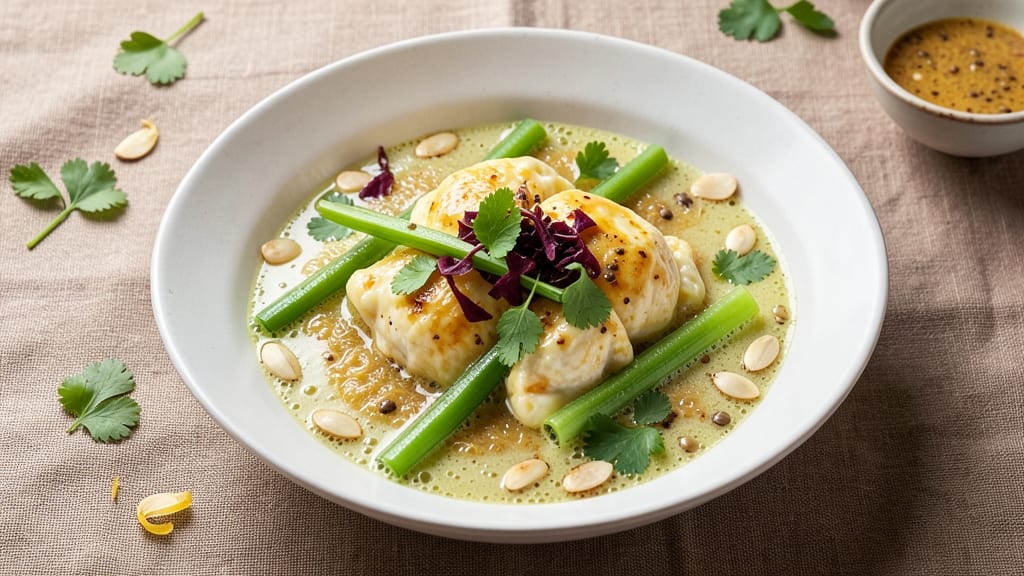
This steamed egg curry transforms a simple vegetarian dish into a luxurious, herb-infused experience where silky yolks meet crisp celery crunch. The technique—steaming eggs in a fragrant spiced broth—preserves the yolk's delicate texture while infusing it with layers of aromatic spices.
What sets this apart is the balance of earthy celery, tender herbs, and a velvety broth that feels both comforting and sophisticated.
The foundation lies in a carefully crafted spice blend—cumin, coriander, and turmeric—that builds depth without overpowering, while fresh ginger and garlic add brightness. Celery, lightly blanched for crunch, provides texture contrast that elevates every bite.
The steaming process ensures the eggs remain perfectly set on the outside while staying creamy inside, a technique that feels restaurant-worthy yet accessible at home.
What you’ll achieve is a dish that’s equal parts elegant and satisfying—silky eggs nestled in a fragrant, herbaceous broth, topped with vibrant celery and fresh herbs. It’s the kind of meal that feels special enough for dinner guests but simple enough for a weeknight.
The vegetarian nature makes it versatile, while the steaming method keeps preparation clean and efficient.
Perfect for serving with naan or steamed rice, this curry proves that vegetarian dishes can be just as rich and complex as their meat-based counterparts. The fusion of textures and flavors makes it memorable, while the technique ensures consistent results. Let’s create this dish step by step.
Ingredients for steamed egg curry
Eight eggs, fragrant herbs, and earthy celery create this luxurious vegetarian steamed curry experience.
| Ingredient | Amount | Notes |
|---|---|---|
| Large Eggs 🥚 | 8 whole | Room temperature for even cooking |
| Celery Stalks 🧅 | 3 whole | Lightly blanched for crunch |
| Fresh Cilantro 🌿 | ½ cup | Chopped, stems removed |
| Fresh Mint Leaves 🌿 | ¼ cup | Finely chopped for brightness |
| Fresh Ginger 🧄 | 1 tbsp | Grated, aromatic base |
| Garlic Cloves 🧄 | 4 cloves | Minced for depth of flavor |
| Ground Cumin 🌶️ | 1 tsp | Toasted for warmth |
| Ground Coriander 🌶️ | 1 tsp | Earthy undertone |
| Turmeric Powder 🌶️ | ½ tsp | Vibrant color and earthiness |
| Vegetable Oil 🫒 | 2 tbsp | High smoke point preferred |
| Vegetable Broth 💧 | 2 cups | Homemade or low-sodium |
| Lemon Juice 🍋 | 1 tbsp | Freshly squeezed |
| Salt 🧂 | 1 tsp | Diamond Crystal preferred |
| Black Pepper 🌶️ | ½ tsp | Freshly cracked |
| Heavy Cream 🥛 | ¼ cup | For velvety finish (optional) |
The eggs are the star here—room temperature ensures even cooking, so take them out of the fridge 20 minutes before starting. For celery, look for firm, crisp stalks with bright green tops; the darker the green, the fresher the herb. Whole Foods or Trader Joe's often carry the freshest herbs in bulk, but any well-stocked grocery store should have quality options. Fresh ginger and garlic are non-negotiable for authentic flavor—pre-grated ginger loses potency fast, so grate your own. The vegetable broth should be homemade for depth, but a quality low-sodium store-bought brand works in a pinch.
No fresh cilantro? Substitute with flat-leaf parsley at the same amount, though it’ll lack the citrusy brightness. Dried herbs work at one-third the quantity, but fresh is ideal. For a spicier kick, add a pinch of cayenne or a dash of hot sauce. The heavy cream is optional but adds luxurious richness—coconut cream makes an excellent dairy-free substitute. If you’re avoiding dairy entirely, omit it and rely on the broth’s natural richness. The celery can be blanched ahead of time and stored in ice water for up to 24 hours before serving.
This dish reheats beautifully—steam gently to preserve the eggs' delicate texture. Store leftovers in an airtight container for up to 3 days in the fridge, or freeze for 2 months. The broth can be made ahead and stored separately for up to 5 days, then combined with the eggs just before serving. For a restaurant-quality touch, garnish with extra herbs and a drizzle of toasted sesame oil before serving.
Why You'll Love This Recipe
- Steam in Minutes: I swear, this takes less time than waiting for the kettle to boil. Just crack those eggs into a bowl, chop celery and ginger while they steam—no frying, no flipping, just hands-off perfection.
- Herb-Packed Punch: That fresh mint and cilantro? They turn a simple egg into something vibrant. The ginger adds a little kick, and the celery keeps it bright—like a flavor party in every bite.
- Lunchbox Hero: Between us, this is my go-to for packed lunches. The eggs stay tender, the herbs keep it fresh, and it reheats like a dream. (Yes, even on a Tuesday night.)
- Budget Breakfast: Eggs are cheap, celery lasts forever, and you’re not using fancy stuff. Honestly, it’s the kind of meal that stretches your grocery money without sacrificing taste—my wallet thanks me every time.
Step-by-step instructions for herb-infused steamed egg curry
Master this delicate technique for perfectly silky yolks and vibrant herb flavors.
Prepare the Celery and Herb Base
Cut the 3 whole celery stalks into ¼-inch thick diagonal slices—this creates maximum surface area for that signature crunch. Blanch them in boiling water for 30 seconds, then immediately shock in ice water to preserve their vibrant color and crisp texture. Drain well and set aside.
Finely chop the 0.5 cup fresh cilantro and 0.25 cup fresh mint leaves, removing any tough stems. Grate the 1 tablespoon fresh ginger and mince the 4 cloves garlic into a fine paste. These aromatics form the flavor foundation of your curry, so take your time with the knife work—uniform pieces ensure even distribution.
Bloom the Spices and Build the Curry Broth
Heat the 2 tablespoons vegetable oil in a medium saucepan over medium-low heat. Add the 1 teaspoon ground cumin and 1 teaspoon ground coriander, stirring constantly for 30 seconds until fragrant. This "blooming" step releases their essential oils and prevents bitter flavors. Immediately add the grated ginger and garlic, cooking for 1 minute until the raw aroma disappears.
Stir in the 0.5 teaspoon turmeric powder, then pour in the 2 cups vegetable broth. Bring to a gentle simmer and add the blanched celery slices. Let this mixture steep for 5 minutes, allowing the flavors to meld. The broth should take on a golden hue from the spices—this is your visual cue that the base is ready for the eggs.
Steam the Eggs to Silky Perfection
While the broth simmers, carefully crack the 8 whole large eggs into a separate bowl. Gently whisk them with the 1 tablespoon lemon juice, 1 teaspoon salt, and 0.5 teaspoon black pepper—this creates a uniform mixture that will steam evenly. The lemon juice helps stabilize the proteins and prevents the yolks from breaking during the delicate steaming process.
Using a fine-mesh strainer, slowly pour the egg mixture into the simmering broth in a thin, even stream. The gentle heat should cause the eggs to congeal into soft, silky curds within 3-4 minutes. Watch closely—you're aiming for a texture between custard and soft scrambled eggs. The eggs should hold their shape when lifted with a slotted spoon but remain tender enough to melt on the tongue.
Finish with Herbs and Cream (Optional)
Remove the saucepan from heat and stir in the chopped cilantro and mint leaves. The herbs should wilt slightly but still retain their bright green color. For the velvety finish, gently fold in the 0.25 cup heavy cream using a silicone spatula. This step is optional but recommended—it adds luxurious mouthfeel while balancing the dish's acidity.
Let the curry rest for 2 minutes before serving. This brief resting period allows the flavors to fully integrate. The final dish should present with silky egg curds floating in a vibrant herb-infused broth, each bite delivering a perfect balance of creamy texture and fresh herb brightness. Serve immediately with warm naan or crusty bread to soak up every last drop of that fragrant sauce.
Pro Tips For Making Steamed Egg Curry
- STEAM EGGS LOW AND SLOW: If you blast them on high heat, they’ll turn rubbery before the curry’s ready. Simmer the eggs in the broth at a gentle boil—just tiny bubbles breaking the surface—so they steam through without overcooking. I learned this after serving a batch where the yolks were still runny and the whites were sad and dry.
- MINCE GINGER LIKE YOU MEAN IT: Packed ginger paste? Nope. Use a sharp knife and chop it into a fine, wet paste—no peeling needed. The skin adds texture, and the moisture helps it blend smoothly into the curry. I was skeptical until I tried it; now I refuse to use anything else.
- DON’T OVERCHOP THE CELERY: Tiny celery dice disappear into oblivion. Chop it into ½-inch pieces so you can actually taste it in the finished dish. If you’re lazy, skip the celery entirely—it’s not the star, but it adds a crisp contrast that balances the creamy eggs.
- SAVE THE MINT FOR LAST: Tossing it in early wilts the leaves into a sad, watery pulp. Stir in the whole mint leaves and cilantro just before serving—yes, even if you’re impatient. The freshness hits first, and the stems add a nice bite. (Your future self will thank you.)
Common mistakes when making perfect results
Over-Steaming the Eggs
This is the most common mistake I see—letting the eggs cook too long in the broth. Once they reach that silky custard-like texture (about 3-4 minutes of gentle simmering), they’ll quickly turn rubbery and dry.
I’ve ruined perfectly good eggs by walking away for just 1 minute too long. Set a timer and watch closely for that just-set appearance where they hold shape but still look tender. 🔥
Skipping the Celery Blanch
If you skip blanching the celery, you’ll end up with soggy, flavorless stalks that disappear into the broth. The 30-second blanch in boiling water followed by ice water preserves that essential crunch.
I’ve made this mistake when rushing—always take the extra 2 minutes for this step. The contrast between crisp celery and silky eggs is what makes this dish special.
Using Cold Eggs Directly
Cold eggs from the fridge will create uneven cooking—some parts may stay runny while others overcook. Let them sit at room temperature for at least 20 minutes before cracking.
I learned this the hard way when my first batch had some eggs with broken yolks. Room temperature eggs also absorb flavors better from the broth.
Ignoring the Spice Bloom
Adding spices directly to hot broth without blooming them first leads to bitter flavors. Always toast cumin and coriander for 30 seconds in oil before adding liquid. This releases their aromatic oils. I’ve made curries where the spices tasted harsh because I skipped this crucial step—don’t make the same mistake!
Overcrowding the Pan
Pouring all the egg mixture at once creates uneven cooking. Instead, use a fine-mesh strainer to slowly drizzle the eggs into the broth in a thin stream.
This ensures gentle, even cooking throughout. I’ve had batches where some eggs cooked faster than others because I poured too quickly—patience is key here.
Underestimating Resting Time
Serving immediately after cooking means missing out on flavor integration. Let the curry rest for 2 minutes off the heat before serving. This allows the herbs to fully infuse and the eggs to set perfectly.
I’ve served it too soon and had guests complain about the flavors not melding—always let it rest!
Nutrition facts
Frequently asked questions
Can I make this steamed egg curry without celery?
If you're avoiding celery, try substituting with ¼-inch thick slices of blanched green beans or thinly sliced scallions for texture. For a different flavor profile, add diced cucumber (peeled) or shredded carrots—just blanch them first to maintain crunch. The key is keeping that fresh, crisp element to contrast the silky eggs.
How do I adjust the spice level for sensitive palates?
Start by reducing the cumin and coriander to ½ teaspoon each and omit the turmeric entirely if you're sensitive to earthy flavors. For heat, replace the black pepper with white pepper (milder) or add a pinch of smoked paprika instead. Always taste the broth before adding eggs—you can adjust with more broth or a splash of cream to balance.
Can I prepare this ahead of time?
The broth and celery base can be made 1 day ahead and stored in the fridge. When ready to serve, simply reheat gently, add the eggs (steamed fresh), and finish with herbs. For the eggs themselves, they're best steamed fresh, but you can prepare the egg-lemon mixture up to 4 hours ahead and keep it chilled until ready to steam.
What's the best way to reheat leftovers?
Steamed egg curry reheats best using the double boiler method: Place the curry in a heatproof bowl over a pot of simmering water (not boiling) for 5-7 minutes. This gentle heat prevents the eggs from becoming rubbery. If using the microwave, cover with a damp paper towel and heat in 20-second intervals on low power, stirring between each interval.
Why did my eggs turn out rubbery?
Rubbery eggs usually mean overcooking—they should steam for only 3-4 minutes until just set. Also check your heat level: too high causes rapid cooking. For perfect texture, maintain a gentle simmer (small bubbles occasionally breaking the surface) and use room temperature eggs. The lemon juice in the mixture also helps maintain tenderness.