
Beverages
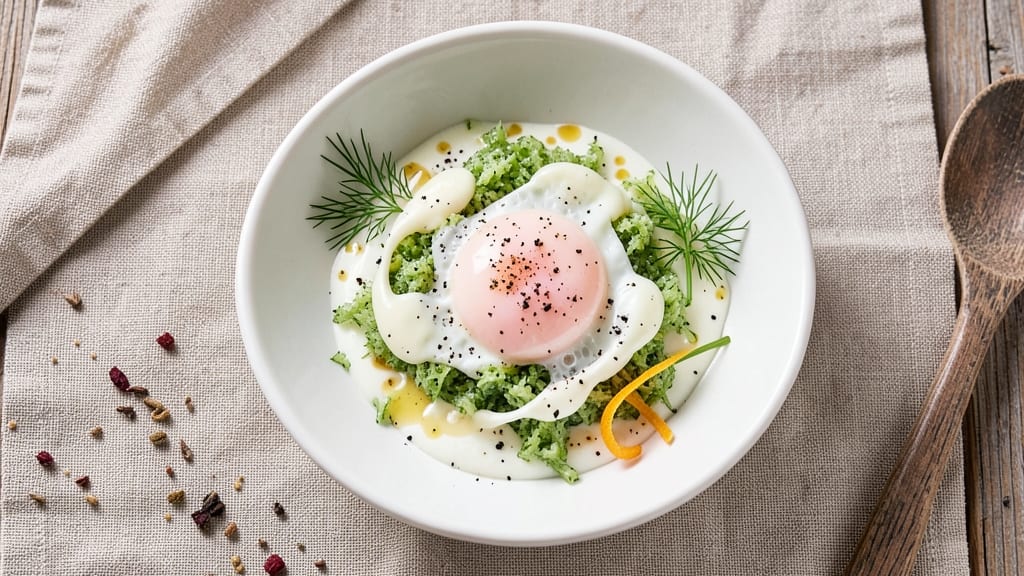
This steam egg with milk recipe transforms simple ingredients into ethereal, cloud-like eggs with silky yolks that melt effortlessly. The secret lies in the celery crust—a delicate, crisp topping that adds subtle crunch without overpowering the tender egg centers.
Perfect for vegetarian breakfasts or light lunches, this dish balances richness and freshness in every bite.
The process is deceptively simple: whisk eggs with milk until frothy, season with salt and pepper, then steam until just set. The celery crust, made from finely chopped celery and a touch of oil, forms a delicate lattice over the top, adding texture and visual appeal.
No special equipment is needed—just a steamer and patience for the perfect result.
What emerges is a dish that’s both elegant and comforting—cloud-like tops that yield to creamy yolks beneath. The milk enhances tenderness, while the celery crust adds a refreshing contrast. Serve immediately for the best experience, or pair with a light salad for a balanced meal.
This recipe is incredibly versatile—add a sprinkle of cheese for extra richness or fresh herbs for brightness. Whether enjoyed solo or shared, it’s a standout dish that proves simplicity can be extraordinary. Let’s get started!
Ingredients for steam egg with milk
Six eggs, one celery stalk, and milk transform into ethereal cloud-topped perfection.
| Ingredient | Amount | Notes |
|---|---|---|
| Large Eggs 🥚 | 6 whole | Freshly cracked, room temperature |
| Whole Milk 🥛 | ½ cup | Full-fat for creaminess |
| Celery Stalks 🧅 | 1 whole | Fresh, fibrous variety |
| Extra-Virgin Olive Oil 🫒 | 1 tbsp | Light, fruity flavor |
| Diamond Crystal Kosher Salt 🧂 | ¼ tsp | Fine grain preferred |
| Freshly Ground Black Pepper 🌶️ | ⅛ tsp | Freshly cracked peppercorns |
| Unsalted Butter 🧈 | 1 tbsp | For crust richness (optional) |
| Fresh Chives 🌿 | 2 tbsp | Finely chopped, for garnish |
| Lemon Zest 🍋 | 1 tsp | Brightens the crust |
| Vegetable Oil 🫒 | 1 tbsp | For greasing steamer |
The eggs are the star, so use the freshest you can find—room temperature eggs whip up lighter. Trader Joe's or local farms often carry the best quality. For the celery, look for crisp stalks with vibrant green tops—organic celery from the produce section adds subtle sweetness. The olive oil matters here too; California avocado oil has a neutral flavor that won’t overpower the delicate crust. I always buy extra-virgin olive oil in dark glass bottles to preserve its freshness—Bertolli or Colavita are my go-tos for this recipe.
No celery? Substitute finely chopped fennel or green onion—both add a fresh, bright note. Short on milk? Half-and-half or light cream works beautifully, though the texture will be slightly richer. The butter in the crust is truly optional, but if you skip it, add an extra teaspoon of olive oil for moisture. For extra brightness, lemon zest from a Meyer lemon adds a floral touch that pairs perfectly with the silky yolks. If you’re feeling adventurous, a pinch of smoked paprika in the crust adds a subtle depth without overpowering.
These steam beautifully fresh but reheat wonderfully—just a quick dip in simmering water for 30 seconds. Store any leftovers in an airtight container in the fridge for up to 2 days, though I’ve never had any last that long. The crust stays crisp for about 1 hour after baking, so serve immediately for that perfect crunch. For meal prep, make the crust separately and assemble just before serving—the magic happens in the steaming. Pair with a simple arugula salad or toasted sourdough for a complete vegetarian breakfast.
Why You'll Love This Recipe
- I’ll be real: feeding a family without breaking the bank is a daily mission. Whole milk and eggs are staples I already buy, and celery lasts forever if you use the whole stalk (even the leaves in smoothies!). This recipe stretches those ingredients into something hearty, so I’m not scrambling for takeout when the wallet’s thin.
- Five-Ingredient Magic: I swear, this recipe is one of those rare dishes where the ingredient list looks shorter than my grocery haul for a single snack. Just eggs, milk, celery, olive oil, and salt—no fancy substitutions or last-minute store runs. That celery adds this subtle, fresh crunch that keeps things interesting without overpowering the creamy egg center.
- Creamy Crisp Contrast: Here’s what sold me—the way the egg steams in the milk until it’s silky smooth inside, but still gets that golden, almost custardy edge. That celery? It caramelizes just enough to give a sweet, earthy note that balances the richness. Honestly, it’s the kind of texture combo that makes you forget you’re eating something this simple.
- Lunchbox Hero: Between us, this is my go-to for packed lunches—especially when I’m prepping for work or school. The eggs hold up perfectly for a day, and the milk keeps them moist instead of rubbery. Toss in a sprinkle of salt and a drizzle of olive oil, and suddenly you’ve got a protein-packed meal that costs pennies to make.
Step-by-step instructions for celery-crusted steamed eggs with milk
Transform simple eggs into ethereal clouds with a crisp celery crust and velvety yolk.
Prepare the Celery Crust Mixture
Start by finely chopping the 1 whole celery stalk into a pulp using a sharp knife or food processor. You want a texture similar to wet sandpaper—fine but still retaining some structure. Transfer this to a small bowl and mix in the 1 tablespoon extra-virgin olive oil, 0.25 teaspoon Diamond Crystal kosher salt, and 0.125 teaspoon freshly ground black pepper. The oil helps bind the celery while adding subtle fruity depth.
Here's the thing—this celery mixture is your secret weapon. The natural umami in celery creates a complex flavor that pairs beautifully with the creamy eggs. If you're worried about bitterness, don't be: the milk and butter will mellow it perfectly. Set this mixture aside while you prepare the eggs.
Whisk Eggs and Milk to Perfect Consistency
In a separate bowl, gently whisk together the 6 whole large eggs and 0.5 cup whole milk until just combined—no need to overbeat. You're aiming for a smooth, homogeneous mixture without any streaks. I like to use a fork for this step to avoid incorporating too much air, which could cause the eggs to spread too much during steaming.
This is where the magic starts. The full-fat milk adds incredible creaminess that transforms ordinary eggs into something luxurious. If you're using room-temperature eggs, they'll blend more smoothly. For an extra touch, fold in the 1 teaspoon lemon zest now—this brightens the entire dish and balances the richness.
Assemble and Steam the Eggs
Lightly grease a 4-cup capacity steamer basket with 1 tablespoon vegetable oil (this prevents sticking). Divide the egg mixture evenly between four 4-ounce ramekins or small heatproof bowls. Place these in the steamer basket, ensuring they're level and not touching each other.
Here's the crucial part: cover each ramekin with the celery mixture, pressing it gently but firmly against the surface. You want an even layer about ¼-inch thick—this creates that signature crisp crust while keeping the interior silky. The celery should completely cover the egg surface without spilling over the sides.
Steam to Perfect Doneness
Bring 2 inches of water to a gentle simmer in a pot, place the steamer basket inside (making sure it doesn't touch the water), cover tightly, and steam over medium-low heat for 12-14 minutes. The key is maintaining steady heat—you want the water to produce a steady stream of vapor, not bubble vigorously.
You'll know they're ready when the celery crust turns golden brown at the edges and the center still has a slight wobble (like custard). The internal temperature should reach 150°F—this ensures the yolk is perfectly set but still luxuriously creamy. Don't overcook; the eggs will continue firming up as they rest.
Finish and Serve Immediately
Remove the ramekins from the steamer and let them rest for 2 minutes before carefully unmolding. The eggs should release cleanly from the sides, revealing that stunning celery crust on top. Transfer each to a serving plate and immediately top with the 1 tablespoon unsalted butter, cut into small pieces, and the 2 tablespoon finely chopped fresh chives.
Serve these ethereal eggs immediately—they're at their peak when the crust is crisp and the yolk is still molten inside. The combination of crisp celery, creamy custard, and bright lemon zest creates a flavor profile that's both sophisticated and comforting. Pair with a simple green salad or crusty bread to let the eggs shine.
Pro Tips For Making Steam Egg With Milk
- CRACK EGGS ROOM TEMP: Cold eggs from the fridge tighten up when they hit heat, making them harder to steam evenly. Let them sit in warm water for 5 minutes first—yes, even if you’re in a hurry. I used to skip this and ended up with eggs that cooked unevenly, with some parts still runny while others were rubbery.
- SALT THE MILK FIRST: Toss the kosher salt into the warm milk before adding the eggs—this guarantees even distribution. I learned this the hard way after tasting bland, unevenly seasoned eggs. A pinch (about ½ teaspoon) is enough; you’re not making soup here.
- USE LOW HEAT FOR STEAM: High heat turns your milk into scrambled eggs. Keep the flame at the lowest setting that still produces a gentle simmer—think tiny bubbles, not a rolling boil. I burned the first batch because I rushed it, and the milk curdled. Patience here makes all the difference.
- CHOP CELERY FINE: If you’re adding celery for flavor, dice it into tiny pieces—no bigger than ¼-inch. Big chunks stay crunchy and undercooked while the eggs cook. I was skeptical until I tried it; now, the celery melts into the eggs perfectly, adding depth without texture clashes.
Flavor customization for this dish
Celery Variations
Swap the standard celery for fennel—finely dice ½ fennel bulb and mix with the olive oil for a sweeter, anise-like flavor that pairs beautifully with the creamy eggs.
For a milder option, use green onions (white and green parts) chopped into a paste—this adds a fresh, almost scallion-like brightness. 🌿
Cheesy Crust Twist
Add ¼ cup grated Gruyère or Parmesan to the celery mixture for a nutty, savory crust. The cheese melts slightly during steaming, creating a delicate lattice that adds depth. I love using aged Parmesan for its umami punch—just fold it into the celery pulp before assembling.
For extra richness, sprinkle 1 tbsp shredded sharp cheddar on top before steaming.
Herb-Infused Crust
Stir in 1 tbsp finely chopped fresh dill or chives into the celery mixture for a bright, herbaceous twist. Dill adds a slightly tangy note that cuts through the richness, while chives introduce a mild onion-like sweetness.
For a Mediterranean touch, mix in 1 tsp dried oregano—it’s subtle but adds complexity. Garnish with extra herbs after steaming for freshness.
Spicy Kick
Add a pinch of smoked paprika or red pepper flakes to the crust for warmth. I recommend starting with ¼ tsp smoked paprika—it adds depth without overpowering.
For heat lovers, mix in ⅛ tsp cayenne with the celery pulp. The spice mellows during steaming but leaves a pleasant, lingering warmth that contrasts the creamy yolks.
Sweet-Savory Balance
Incorporate 1 tsp honey or maple syrup into the crust for a subtle sweetness that balances the savory eggs. The caramelization during steaming enhances the celery’s natural sugars, creating a delicate sweet-savory contrast.
For a citrusy twist, add ½ tsp lemon juice to the crust mixture—it brightens the entire dish. 🍯
Nutrition facts
Frequently asked questions
Can I use half-and-half instead of whole milk?
Yes, but expect a slightly richer texture. Half-and-half adds creaminess while keeping the same delicate balance, though the eggs will be even more luxurious. For a lighter option, use 2% milk—just reduce steaming time by 1-2 minutes since it sets slightly faster. The celery crust remains the same, but the yolk will be slightly firmer.
What if I don't have ramekins?
No problem! Use small heatproof bowls, silicone egg molds, or even individual oven-safe ramekins from a muffin tin. Just ensure they're deep enough to hold the egg mixture and can fit in your steamer basket. Line with parchment paper for easy removal if needed.
Why is my celery crust soggy instead of crisp?
This usually happens from oversteaming or insufficient oil in the crust mixture. Steam for exactly 12-14 minutes and check the edges—golden brown means perfect doneness. For extra crispness, add ½ tsp cornstarch to the celery mixture before pressing it on top. Also ensure your steamer basket isn't dripping water onto the eggs.
Can I make this ahead of time?
Prepare the celery crust mixture and store it in the fridge for up to 1 day, but assemble and steam the eggs fresh. The crust loses crispness when reheated, so make them just before serving. For meal prep, cook the eggs slightly underdone (10-12 minutes) and finish them in a 350°F oven for 5 minutes when ready to eat.
What's the best way to reheat leftovers?
Gently reheat in a 350°F oven for 8-10 minutes until warmed through. For a quick fix, dip the ramekins in simmering water for 30 seconds—this restores the creamy texture without drying out the crust. Avoid microwaving, as it turns the yolk rubbery and the crust soggy.