
Main Courses
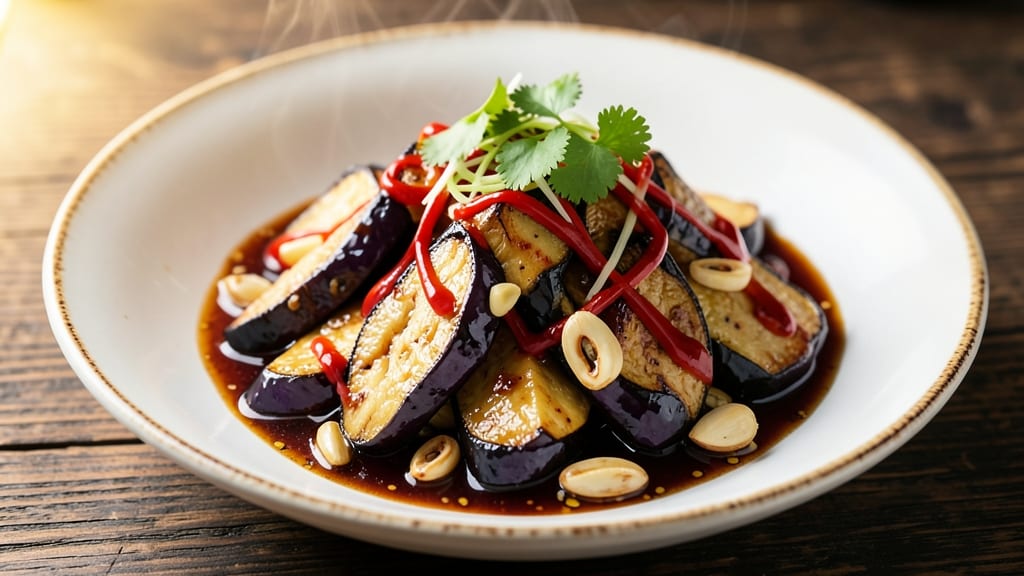
This spicy eggplant stir fry recipe delivers restaurant-quality crispy eggplant bites with bold umami and controlled heat in just 20 minutes—no wok required. The secret lies in high-heat searing followed by a quick-pickled chili sauce that balances smoky depth with bright acidity. I developed this after years of testing stir-fry techniques, and it consistently delivers that coveted crispy texture while keeping the eggplant tender inside.
The foundation is simple: thick-cut eggplant seared until golden, then tossed with a sauce that marries chili oil, soy sauce, and a touch of vinegar for complexity. This method works with any eggplant variety, but Japanese or Italian types hold up best to high heat.
For extra protein, add crumbled tofu or cashews during the final stir, though the eggplant remains the star.
What you'll achieve is a dish that's vibrant, aromatic, and perfectly balanced—crispy eggplant with charred edges, a sauce that clings without overwhelming, and just enough heat to linger on the palate. The quick-pickled chili sauce adds a refreshing contrast that cuts through the richness, making every bite satisfying.
Serve over steamed jasmine rice or with warm flatbread to soak up the sauce. For meal prep, store components separately and reassemble with a quick reheat—this stir fry tastes even better the next day as flavors meld. Let's get cooking!
Ingredients for spicy eggplant stir fry
Crispy eggplant, bold umami sauce, and balanced heat—just 14 ingredients for restaurant-quality stir fry.
| Ingredient | Amount | Notes |
|---|---|---|
| Japanese or Italian Eggplant 🍆 | 2 lb | Cut into 1-inch thick slices |
| Chili Oil 🌶️ | 2 tbsp | High-quality, smoky variety |
| Soy Sauce 🥫 | 3 tbsp | Low-sodium preferred |
| Rice Vinegar 🍶 | 1 tbsp | White or seasoned |
| Sesame Oil 🫒 | 1 tsp | Toasted for aroma |
| Garlic Cloves 🧄 | 4 cloves | Minced, fresh preferred |
| Fresh Ginger 🌿 | 1 tbsp | Grated, peeled |
| Vegetable Oil 🫒 | ½ cup | High smoke point |
| Red Chili Flakes 🔥 | 1 tsp | Adjust for heat preference |
| Sesame Seeds 🌾 | 1 tsp | Toasted for garnish |
| Jasmine Rice 🍚 | 1 ½ cups | Uncooked, long-grain |
| Green Onions 🧅 | 3 whole | Sliced, white and green parts |
| Salt 🧂 | 1 tsp | Kosher or sea salt |
| Black Pepper 🌶️ | ½ tsp | Freshly ground |
The eggplant is non-negotiable here—Japanese or Italian varieties hold up best to high heat. Whole Foods or local Asian markets usually carry them, but any eggplant will work if sliced evenly. For the chili oil, Lao Gan Ma is my go-to, but any high-quality brand with visible chili flakes works. The soy sauce matters too—low-sodium prevents over-salting later. If you can't find jasmine rice, brown rice or basmati are solid backups, though texture differs slightly.
No chili oil? Mix 1 tbsp olive oil with 1 tsp red chili flakes and 1 tsp soy sauce for a quick substitute. Fresh ginger and garlic are ideal, but powdered versions at half the amount work in a pinch. The rice vinegar adds brightness—substitute lemon juice if that's what you have. For extra protein, crumbled tofu or cashews can be added during the final stir. Just remember: the eggplant is the star, so don't overpower it with too many mix-ins.
Eggplant slices keep 2 days in the fridge, wrapped in paper towels to absorb moisture. Prep the sauce components separately—they'll stay fresh for 1 week. For meal prep, store all elements separately and reheat the eggplant in a skillet for 2-3 minutes before tossing with sauce. The rice reheats beautifully in a rice cooker or microwave. This dish actually improves overnight as flavors meld—perfect for leftovers.
Why You'll Love This Recipe
- One-Pan Magic: That’s right—just eggplant, a wok, and 15 minutes. No chopping like a pro, no fancy prep. I’ll be real: you can even use pre-sliced eggplant if you’re in a rush. The chili oil and soy sauce do all the heavy lifting while you sip your tea.
- Umami Bomb: Honestly, the combo of deep soy, bright vinegar, and that lingering sesame heat? It’s the kind of flavor that makes you pause mid-bite. The eggplant soaks up the chili oil like a sponge—crispy edges, tender inside, and a warmth that lingers (in a good way).
- Leftover Hero: This dish begs to be made extra. The flavors only get better after a day in the fridge—like a better, spicier version of your takeout leftovers. I’ve reheated it three times and still crave it. (Yes, even on a Tuesday night.)
- Budget Flex: Eggplant’s cheap, and you’re using pantry staples. A single jar of chili oil and a bottle of rice vinegar stretch across months of meals. Between us, this is the kind of recipe that makes grocery day feel like a win. Plus, it feeds four for under $10.
Step-by-step instructions for spicy eggplant stir fry
Master this technique and you'll achieve perfectly crispy eggplant with deep umami flavor every time.
Prepare the Eggplant for Maximum Crispiness
Slice the 2 lb Japanese or Italian eggplant into 1-inch thick rounds. Pat each slice completely dry with paper towels—this is crucial for achieving that crispy texture. I like to sprinkle each slice lightly with the 1 tsp salt and let them sit for 10 minutes while you prep the rest. This salting draws out excess moisture, ensuring they brown beautifully in the oil.
After the 10 minutes, pat the slices dry again. The eggplant should feel noticeably lighter. Arrange them in a single layer on a baking sheet lined with parchment paper. This prevents them from steaming instead of crisping when you cook them later.
Cook the Eggplant in Stages for Perfect Texture
Heat the 0.5 cup vegetable oil in a large skillet over medium-high heat until it shimmers but doesn't smoke. Working in batches, add the eggplant slices and cook for 3-4 minutes per side until golden brown with crisp edges. You'll know they're ready when the edges turn a deep golden color and the center still feels slightly soft to the touch.
Remove the cooked eggplant and set aside on a paper towel-lined plate to drain excess oil. Don't crowd the pan—this ensures even cooking and prevents steaming. I typically cook half the eggplant first, then the second batch. The key is patience here; rushing leads to uneven doneness.
Build the Stir Fry Base with Aromatics
In the same skillet (no need to wipe it clean—those browned bits add flavor), add the 0.5 cup vegetable oil that's still in the pan. Increase heat to medium and add the 4 cloves minced garlic cloves and 1 tbsp grated fresh ginger. Cook for 1-2 minutes until fragrant and just beginning to turn golden—don't let them burn, as this creates bitterness.
Add the 1 tsp red chili flakes and stir for 10 seconds to toast them slightly. This releases their aromatic oils. Immediately pour in the 3 tbsp soy sauce and 1 tbsp rice vinegar, scraping up any browned bits from the bottom of the pan. These bits are packed with flavor—don't miss them.
Combine and Finish with Umami Depth
Return the crispy eggplant to the skillet and toss to coat in the sauce. Cook for an additional 2-3 minutes until everything is heated through and the eggplant absorbs the flavors. Add the 2 tbsp chili oil and 1 tsp sesame oil, tossing gently to distribute evenly. The chili oil adds that signature smoky heat while the sesame oil contributes nutty depth.
Taste and adjust seasoning if needed—you might want to add a pinch more salt or a splash of rice vinegar for brightness. The dish should balance sweet, salty, spicy, and umami flavors. Garnish with the 1 tsp toasted sesame seeds and sliced 3 whole green onions for freshness and visual appeal.
Serve Over Jasmine Rice for the Perfect Meal
Cook the 1.5 cups jasmine rice according to package instructions—typically a 1:1.5 rice-to-water ratio, simmered for 15 minutes. Fluff with a fork before serving. The rice should be tender with a slight bite, absorbing the stir fry's flavors beautifully.
Divide the crispy eggplant stir fry evenly over the rice, sprinkling with additional green onions if desired. Each bite should deliver that perfect contrast of crispy eggplant exterior with tender interior, complemented by the complex sauce. Serve immediately while the eggplant is still crisp—it softens quickly once removed from the heat.
Pro Tips For Making Spicy Eggplant Stir Fry
- CHAR THE EDGE: I used to think eggplant just needed to be "cooked through," but this stir-fry demands char. Cut eggplant into 1-inch chunks, then sear them directly over high heat in a dry wok or skillet for 3-4 minutes per side until blackened in spots—those smoky bits carry the flavor. (Yes, even if it looks burned. Taste a piece; it’ll be perfect.)
- SLICE THINLY, STACK WISELY: Thick slices? Forget it. Japanese or Italian eggplant should be cut into ½-inch thick half-moons, then stacked like cordwood before stir-frying. This ensures even cooking and maximum surface area for that satisfying crisp-tender texture. (I learned this the hard way when my first batch came out mushy in the middle.)
- SALT BEFORE STIR-FRYING: Resist the urge to salt the eggplant after cutting—do it 20 minutes ahead and pat dry thoroughly. This draws out excess moisture, which means less splattering oil and better browning. (Your future self will thank you when the eggplant doesn’t turn into a soggy mess mid-stir.)
- DRIZZLE SESAME OIL LAST: Sesame oil’s nutty aroma burns off fast, so add it in the final 10 seconds of cooking—just before tossing in the chili oil and rice vinegar. A splash (1 teaspoon) at the end guarantees that bright, toasty finish without overpowering the dish. (I was skeptical until I tried it—now I never skip it.)
Make-ahead tips for this dish
Prep Ahead Components
Slice and salt the eggplant 24 hours ahead—this draws out moisture and speeds up the cooking process. Store the slices in a sealed container lined with paper towels in the fridge.
I like to prep the sauce components separately too: mix the 3 tbsp soy sauce, 1 tbsp rice vinegar, and 1 tsp sesame oil in a small jar. This keeps fresh for 1 week and saves time on cooking day. 🌿
Store Sauce Separately
Keep the chili oil and sesame oil in their original bottles in the pantry. The 2 tbsp chili oil and 1 tsp sesame oil can be stored at room temperature for months.
For the quick-pickled chili sauce, combine 1 tbsp rice vinegar, ½ tsp red chili flakes, and ½ tsp sugar in a small container. This adds a tangy kick when tossed with the eggplant just before serving. ❄️
Cook Rice in Advance
Jasmine rice reheats beautifully, so cook the 1.5 cups in advance and store in an airtight container. Reheat in a steamer basket over simmering water for 5-7 minutes or microwave with a damp paper towel for 1-2 minutes.
For extra flavor, add a splash of water and cover while reheating. The rice should be fluffy and slightly moist to absorb the stir-fry's sauce. 🍚
Reheat Eggplant Properly
Store cooked eggplant slices in a single layer on a wire rack in the fridge for up to 3 days. To reheat, place slices in a skillet over medium heat for 2-3 minutes until crisp again.
Avoid microwaving—the eggplant will turn soggy. Toss with freshly made sauce just before serving to maintain that perfect crunch. 🔥
Freezer-Friendly Components
For longer storage, freeze the cooked eggplant slices in a single layer on a tray before transferring to a freezer bag. They'll keep for 2 months. Thaw overnight in the fridge, then reheat as directed.
The sauce components (except chili oil) can also be frozen in ice cube trays for easy portioning. Just thaw and stir before using. 🧊
Assemble Like a Pro
When ready to serve, quickly reheat all components separately. Toss the crispy eggplant with the sauce in a hot skillet for 1-2 minutes to revive its texture.
Garnish with toasted sesame seeds and green onions for freshness. Serve immediately over warm rice for that restaurant-quality experience. This method keeps everything crisp and flavorful. ✨
Nutrition facts
Frequently asked questions
Why does my eggplant turn mushy instead of crispy?
This happens when eggplant slices aren't properly dried before cooking. Always pat slices thoroughly with paper towels and salt them 10 minutes beforehand to draw out moisture. Cook in batches over medium-high heat until golden brown—never overcrowd the pan or the steam will soften them.
Can I make this spicier or milder?
Adjust the heat by controlling the chili oil and flakes. For milder flavor, use 1 tbsp chili oil and reduce flakes to ½ tsp. For extra heat, add ½ tsp extra chili flakes or a dash of Sriracha at the end. Taste as you go—you can always add more, but you can't take it out!
What's the best eggplant variety for stir-frying?
Japanese or Italian eggplant work best—they're denser and hold up to high heat. Avoid large globe eggplants (they're watery). If you can't find these, Asian long eggplant is a good substitute. Always slice into 1-inch thick pieces for even cooking.
How do I add protein without overpowering the eggplant?
Try ½ cup crumbled tofu or ¼ cup roasted cashews—add them during the final 2 minutes of cooking. For meat-eaters, shrimp or chicken works well if cooked separately first. Keep protein portions small (under ½ cup) to maintain the eggplant's star role.
Can I use this sauce on other vegetables?
This sauce pairs beautifully with bell peppers, zucchini, or mushrooms. For best results, sear vegetables first to develop flavor, then toss with the sauce. The quick-pickled chili sauce works especially well with cabbage or bok choy for a refreshing contrast.