
Breakfast & Brunch
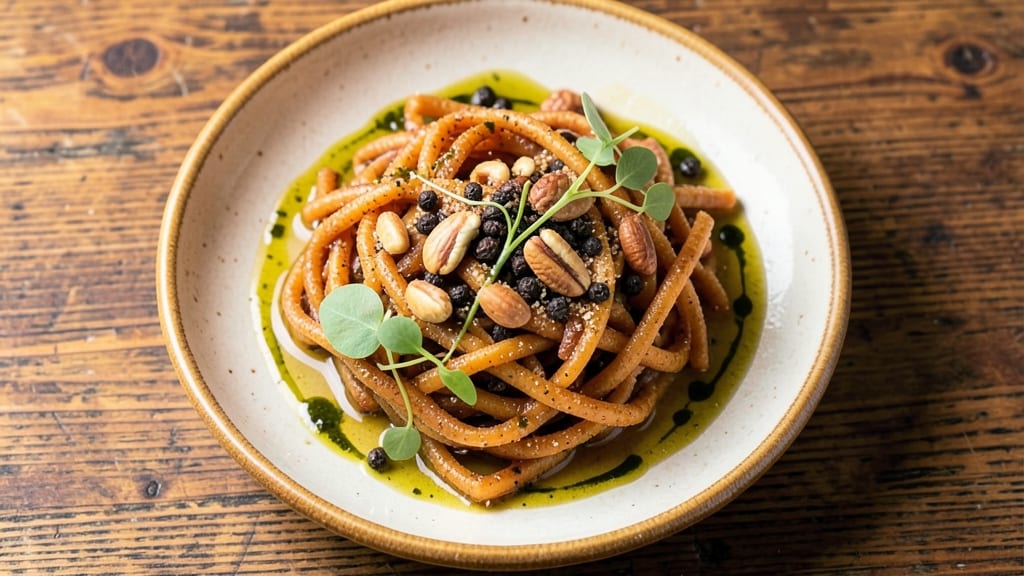
This sourdough pasta recipe transforms simple flour and water into a chewy, fermented masterpiece—no eggs required. The key lies in a slow fermentation process that develops natural gluten strength and depth of flavor, creating pasta with a satisfying bite and complex taste.
I’ve perfected this method after years of experimentation, ensuring a foolproof dough that yields al dente results every time.
The beauty of this recipe is its simplicity: just flour, water, and time. No eggs mean it’s naturally vegan, and the fermentation process enhances digestibility while adding a subtle tang that elevates any dish.
The dough requires minimal handling—just mix, rest, and roll—and the shaping techniques are straightforward, even for beginners. What you’ll end up with is pasta that’s far more flavorful and satisfying than store-bought varieties.
Perfect for breakfast, lunch, or dinner, this sourdough pasta pairs beautifully with simple sauces like garlic olive oil, marinara, or even a creamy vegan Alfredo. The fermentation process also makes it more nutritious, as the long rest time breaks down gluten and phytic acid, making it easier to digest.
Once you try this, you’ll never go back to traditional pasta again.
Ready to elevate your pasta game? The process is straightforward, but the results are restaurant-quality. Let’s get started—your kitchen is about to become the source of the most delicious, fermented pasta you’ve ever tasted.
Ingredients for sourdough pasta recipe no eggs
Just flour, water, and time transform into restaurant-quality sourdough pasta without eggs.
| Ingredient | Amount | Notes |
|---|---|---|
| Type 00 Flour 🌾 | 3 cups | High-protein for chewy texture |
| Active Sourdough Starter 🍞 | ½ cup | 100% hydration, bubbly and active |
| Filtered Water 💧 | 1 ¼ cups | Room temperature preferred |
| Fine Sea Salt 🧂 | ½ tsp | Diamond Crystal preferred |
| Extra-Virgin Olive Oil 🫒 | 1 tbsp | For dusting work surface |
| Semolina Flour 🌾 | ¼ cup | For dusting pasta sheets |
| Lemon Zest 🍋 | 1 tsp | Optional for subtle brightness |
| Fresh Basil Leaves 🌿 | ¼ cup | Chopped for finishing garnish |
| Garlic Cloves 🧄 | 2 cloves | Minced for sauce pairing |
The Type 00 flour is non-negotiable here—its high protein content (12-13%) creates the perfect chewy texture. King Arthur or Caputo are my go-tos, but any high-protein flour works in a pinch. Your sourdough starter should be at its peak activity (bubbly and just starting to collapse when dropped)—this is what brings the depth of flavor. If yours isn't ready, feed it 12 hours before use. The water temperature matters too: too cold and the gluten won't activate properly; too warm and it'll kill your starter. Room temp (around 70°F) is ideal. I always use filtered water to avoid any off-flavors from chlorine or minerals.
No Type 00? All-purpose flour plus 1 tbsp vital wheat gluten gets you close, though texture will be slightly less refined. Your starter weak or inactive? Revive it with equal parts flour and water and let it sit 4-6 hours. The lemon zest is optional but adds a lovely brightness that pairs perfectly with the fermented tang. For the olive oil, avoid light or refined varieties—you want that fruity, peppery character. The semolina is for dusting only; it prevents sticking but doesn't affect flavor. Short on fresh basil? Dried basil at one-third the amount works, though it lacks that fresh aroma. The garlic can be roasted for a sweeter flavor profile if you prefer.
This dough needs patience—at least 8 hours of fermentation at room temp, longer for more flavor. Store any unused dough in an airtight container in the fridge for up to 3 days, or freeze for 3 months. The fresh pasta keeps 2 days in the fridge, but it's best used immediately. For extra convenience, shape and freeze your pasta on a floured tray before storing in bags. Just boil from frozen—no thawing needed. The semolina dusting gives it that authentic restaurant look, but if you're short, regular flour works fine. Just don't skip it entirely—it's what makes the difference between homemade and store-bought.
Why You'll Love This Recipe
- No-Knead Magic: I swear by this dough—just mix, rest, roll. No standing at the counter, no overworking the gluten. The sourdough starter does all the heavy lifting while I sip my coffee.
- Tangy Chew You’ll Crave: That active starter? It’s the secret weapon—bright, funky, and just chewy enough to hold sauce like a dream. No eggs means the texture stays silky, not gummy.
- Leftover Goldmine: This dough keeps for days in the fridge, so I make a big batch and stretch it across lunches. Toss with roasted veggies one night, a simple tomato sauce the next—it’s my meal prep MVP.
- Budget-Friendly Luxury: Type 00 flour and olive oil are my pantry staples, and a little starter goes a long way. Fancy dinner? Done. Weeknight rush? Still works. No fancy ingredients, just real flavor.
Step-by-step instructions for sourdough pasta without eggs
This method transforms simple flour and water into restaurant-quality pasta with a tangy, fermented depth.
Mix the Dough with Precision
In a large mixing bowl, combine the 3 cups Type 00 Flour and 0.5 cup Active Sourdough Starter. The starter should be bubbly and active—if it's sluggish, let it ferment another 30-60 minutes at room temperature. Create a well in the center and add the 1.25 cups Filtered Water and 0.5 tsp Fine Sea Salt.
Using a wooden spoon or your hands, gradually incorporate the liquid into the flour until a shaggy dough forms. Avoid overmixing at this stage—the gluten will develop during autolyse. The dough should look rough and slightly sticky, with small pockets of flour still visible. This texture is perfect for creating tender pasta with a chewy bite.
Develop the Dough Through Autolyse
Cover the bowl with a damp kitchen towel and let the dough rest for 30-60 minutes. This autolyse step allows the flour to fully hydrate and the gluten to begin relaxing, making it easier to work with later. You'll notice the dough become smoother and more pliable as it develops.
After resting, add the 1 tbsp Extra-Virgin Olive Oil and the 1 tsp Lemon Zest (if using). Mix thoroughly by hand until the oil and zest are evenly distributed throughout the dough. The lemon zest adds a subtle brightness that pairs beautifully with the fermented flavor. Knead the dough for 8-10 minutes by hand until smooth and elastic, with no visible dry spots.
Shape and Rest the Dough
Divide the dough into 4 equal portions (about 1 pound each) and shape each into a smooth ball. Wrap each ball tightly in plastic wrap and refrigerate for at least 1 hour or up to 24 hours. This cold fermentation enhances the sourdough flavor and improves the pasta's texture. The longer it rests, the more pronounced the tangy flavor will be.
Real talk: Don't skip this resting step. The cold fermentation is what transforms this into authentic sourdough pasta. If you're short on time, the 1-hour minimum will still give you noticeable flavor, but overnight yields the best results.
Roll and Cut the Pasta
Remove one dough ball from the refrigerator and let it sit at room temperature for 15-20 minutes to soften slightly. Working with one portion at a time prevents the dough from drying out. Dust your work surface generously with 0.25 cup Semolina Flour and roll the dough ball into a ¼-inch thick sheet using a pasta machine or rolling pin.
Cut the sheet into your desired pasta shape—fettuccine, tagliatelle, or spaghetti all work beautifully. Dust the cut pasta immediately with more semolina flour to prevent sticking. The semolina creates a beautiful golden crust when cooked. Work quickly and keep the remaining dough covered to maintain moisture.
Cook and Finish the Pasta
Bring a large pot of well-salted water to a rolling boil. Add the pasta in batches (don't overcrowd the pot) and cook for 2-3 minutes until al dente. The pasta should float to the surface when it's ready. Reserve ½ cup pasta water before draining.
Toss the drained pasta with the 0.25 cup Fresh Basil Leaves (chopped) and the 2 cloves Garlic Cloves (minced) along with a splash of the reserved pasta water to create a simple but vibrant sauce. The basil and garlic complement the fermented flavor beautifully. Serve immediately with your favorite tomato sauce or a light olive oil and chili flake dressing.
Pro Tips For Making Sourdough Pasta Recipe No Eggs
- STRETCH THE DOUGH BY HAND: I learned this the hard way—using a mixer for sourdough pasta dough can overwork the gluten and make it tough. Instead, fold the dough in half and gently press it out with your palms, rotating the bowl as you go. It takes longer but gives you that silky, handmade texture.
- WEIGH YOUR FLOUR PRECISELY: Type 00 flour is finicky—using volume measurements (like "a cup") leads to inconsistent results. Grab a kitchen scale and measure to the gram, especially since sourdough relies on precise hydration. I used to eyeball it, and my pasta always came out either too stiff or too sticky.
- REST THE DOUGH TWICE: Skip the overnight rest if you’re in a hurry, but don’t skip the second rest after shaping. Let the cut pasta sit covered for at least 30 minutes before cooking—this relaxes the gluten and prevents it from shrinking into a dense mess. I know, I know, but trust the process.
- SALT THE WATER LIKE THE SEA: Fine sea salt isn’t just for seasoning—it’s what makes the pasta al dente and flavorful. Use about 10g per liter of water (that’s roughly 1.5 teaspoons per quart). Too little, and your pasta tastes bland; too much, and it turns mushy. Taste it—it should be noticeably salty, like the Mediterranean.
Troubleshooting perfect results
Dough Too Sticky?
If your dough feels overly sticky after mixing, resist the urge to add more flour. Instead, let it rest uncovered for 10-15 minutes—the gluten will relax and absorb excess moisture naturally. I’ve found that working with slightly sticky dough actually creates a more tender pasta.
If you must add flour, use semolina flour (just 1 tbsp at a time) since it absorbs moisture better than all-purpose flour. 💡
Pasta Sticking Together
This happens when the dough isn’t dry enough or you’re not dusting properly. Before rolling, ensure your work surface is generously coated with semolina flour—don’t skimp! Roll the dough into a thin sheet (¼-inch thick) and cut immediately.
If using a pasta machine, adjust the settings gradually (start at the widest setting) to avoid tearing. Keep unused dough covered with a damp towel to prevent drying.
Weak or Gummy Texture
A weak, gummy texture usually means underdeveloped gluten or insufficient fermentation. Knead the dough for an extra 5 minutes by hand to strengthen the gluten network. If the dough feels slack after resting, let it ferment another 1-2 hours at room temperature.
For a chewier result, reduce the water by 1 tbsp next time—this tightens the gluten structure. 🌾
Pasta Breaking While Rolling
This is often a sign of over-hydrated dough or insufficient gluten development. First, check your hydration: if you used 1.25 cups water for 3 cups flour, that’s about 42% hydration, which is ideal.
If your dough is still too wet, add 1 tbsp semolina flour and knead briefly. For stubborn dough, chill it for 20 minutes before rolling—cold dough is less sticky and more pliable.
Fermentation Gone Wrong
If your dough smells sour or develops a strong alcoholic aroma (like vinegar), it’s over-fermented. This happens when the starter is too active or the dough rests too long.
For future batches, reduce fermentation time by 2-3 hours or store the dough in the fridge overnight instead of at room temperature. A properly fermented dough should have a mild, tangy aroma—not overpowering. 🍞
Pasta Cooking Too Fast
If your pasta cooks in under 2 minutes or becomes mushy, it’s either under-rolled or over-hydrated. Aim for a ¼-inch thick sheet when rolling—thinner sheets cook faster. For a firmer bite, boil in well-salted water (about 2 tbsp salt per gallon) and test for doneness at 1 minute intervals.
If it’s still raw after 3 minutes, your pasta needs more rolling or a longer boil.
Nutrition facts
Frequently asked questions
Can I substitute all-purpose flour for Type 00?
Yes, but your pasta will be slightly less refined. Use 3 cups all-purpose flour plus 1 tbsp vital wheat gluten to mimic Type 00's protein content. The texture will be good but not as chewy or elastic. For best results, stick with Type 00 or bread flour if available.
How do I know when my sourdough starter is ready?
Your starter should be bubbly, doubled in size, and have a light, airy texture when dropped from a spoon. It should also smell pleasantly tangy—not overly sour or alcoholic. If it's sluggish, feed it (equal parts flour and water) and wait 4-6 hours before using.
Can I make this pasta ahead of time?
Shape the pasta and freeze it on a floured tray before storing in airtight bags. Cook from frozen (add 1 minute to boiling time). For fresh pasta, refrigerate shaped dough balls for up to 3 days or freeze dough portions for 3 months. The flavor improves with fermentation time.
What's the best way to store leftover pasta?
Cooked pasta keeps 2-3 days in the fridge, but it's best eaten fresh. For storage, toss with a little olive oil to prevent sticking. Reheat in a skillet with a splash of water or pasta water to restore texture. For longer storage, freeze cooked pasta (unthawed) for up to 1 month.
Why does my pasta turn out gummy?
Gummy pasta usually means underdeveloped gluten or insufficient fermentation. Knead the dough 5-10 minutes longer by hand or let it ferment 1-2 hours longer at room temperature. For future batches, reduce water by 1 tbsp to tighten the gluten structure. Always aim for a ¼-inch thick sheet when rolling.