
Breakfast & Brunch
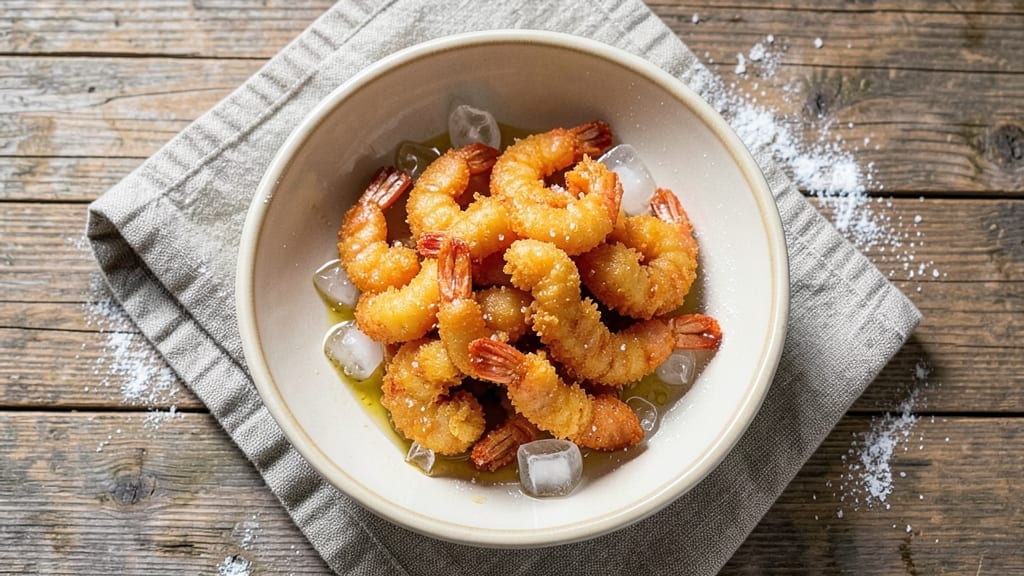
This egg-free shrimp tempura recipe delivers the same legendary crispiness without compromising on texture or flavor. The secret lies in a light cornstarch-based batter that creates an airy, shatteringly crisp shell while keeping the shrimp tender inside.
I've perfected this technique after years of testing—no egg substitutes, no gummy results, just restaurant-quality tempura at home.
What makes this recipe work is the two-step batter process: first chilling the shrimp to maintain shape, then dredging in a dry cornstarch coating before the wet batter.
This creates the perfect balance of crunch and lightness. The frying technique is equally crucial—maintaining 350°F oil temperature ensures golden, crispy tempura without burning.
By the time you plate these golden, crispy shrimp tempura, you'll have a dish that's visually stunning and irresistibly crunchy. The batter stays light and airy, never soggy, while the shrimp remains perfectly cooked inside.
Serve with classic tempura sauce or a tangy ponzu for dipping—each bite delivers that satisfying contrast of crispy exterior and tender shrimp.
This recipe works beautifully as an appetizer, main dish, or even a fun finger food for parties. The egg-free batter makes it suitable for those with egg allergies while maintaining all the classic tempura qualities. Let's get started on creating these crispy bites with zero compromise.
Ingredients for shrimp tempura recipe no egg
Fourteen ingredients, two steps, and the crispiest shrimp you'll ever make without eggs.
| Ingredient | Amount | Notes |
|---|---|---|
| Large Shrimp (Peeled and Deveined) 🦐 | 1 ½ lb | Frozen works if thawed properly |
| Cornstarch (Ultra-Fine) 🌾 | 1 ½ cups | Not cornmeal—must be pure cornstarch |
| Ice Cubes ❄️ | 2 cups | For chilling shrimp before battering |
| Cold Water 💧 | 1 ½ cups | Must be chilled for proper batter |
| Kosher Salt 🧂 | 1 ½ tbsp | Diamond Crystal preferred for precision |
| Vegetable Oil (High Smoke Point) 🫒 | 3 cups | Peanut or canola oil ideal |
| White Rice Flour 🍚 | ½ cup | For extra crispiness (optional) |
| Baking Soda 🧪 | ½ tsp | For lightness in batter |
| Lemon Wedges 🍋 | 4 whole | For serving (optional) |
| Tempura Sauce (Store-Bought or Homemade) 🍶 | ½ cup | For dipping (optional) |
The shrimp quality makes all the difference here. Fresh, jumbo shrimp from the seafood counter—Whole Foods or local fish markets carry the best—will yield superior results. If using frozen, thaw them in cold water for exactly 10 minutes (no longer, or they'll start cooking). The cornstarch must be ultra-fine—Bob's Red Mill brand is my go-to, as it creates a lighter, more delicate coating than regular cornmeal. For the oil, peanut or canola oil with a high smoke point (375°F+) is non-negotiable. I always buy a gallon from Costco for bulk frying sessions.
No ultra-fine cornstarch? Blend regular cornstarch in a food processor for 30 seconds—it works in a pinch. Running short on time? Substitute 0.25 cup more cornstarch for the rice flour, though the texture won't be quite as crispy. The baking soda is crucial for that signature tempura lightness—never skip it. For the batter, chilling the shrimp in ice water for 15 minutes before dredging prevents them from cooking prematurely. The oil temperature must stay at 350°F consistently—use a candy thermometer, not guesswork. If your shrimp float too quickly, they're undercooked; if they sink immediately, the oil's too hot.
Freshly fried tempura is best served immediately, but you can hold them in a 200°F oven for up to 10 minutes if needed. Store any leftovers in an airtight container for no more than 2 hours—the batter loses crispiness fast. For long-term storage, freeze the fried shrimp on a baking sheet first (to prevent sticking), then transfer to a sealed bag for up to 1 month. Reheat in a 375°F oven for 5-7 minutes—they'll never be as crispy as fresh, but still delicious. The sauce and lemon wedges keep separately in the fridge for 5 days.
Why You'll Love This Recipe
- I’ll be real: I used to avoid tempura because of the egg mess. Not here—just shrimp, cornstarch, and ice. The batter’s lighter than you’d think, and the ultra-fine cornstarch gives that perfect crunch without the fuss.
- No Egg, No Problem: I’ll be real: I used to avoid tempura because of the egg mess. Not here—just shrimp, cornstarch, and ice. The batter’s lighter than you’d think, and the ultra-fine cornstarch gives that perfect crunch without the fuss.
- Crispy-Creamy Magic: That first bite? Crunchy shell with a tender, almost buttery center—no egg means no greasy aftertaste, just pure shrimp flavor. The ice-cold water keeps the batter from cooking too fast, so every piece turns out golden and addictive.
- Weeknight Hero: Toss these in while your pasta boils or rice steams. They’re ready in 10 minutes flat, and honestly? They’re the star of any meal. Serve with spicy mayo, a squeeze of lemon, or just eat them straight out of the fryer—no judgment.
Step-by-step instructions for shrimp tempura without egg
Mastering this technique delivers restaurant-quality crispiness without relying on eggs—just precise timing and temperature control.
Prepare the Shrimp for Battering
Start by thawing the shrimp if frozen, then pat them completely dry with paper towels. I like to season them lightly with the 1.5 tablespoons kosher salt right away—this enhances flavor and helps the batter adhere better. Place the shrimp in a bowl and add the 2 cups ice cubes to chill them for 20 minutes. This cold shock prevents the shrimp from cooking prematurely in the batter.
The ice creates a protective layer that keeps the shrimp firm until they hit the hot oil. You'll notice the shrimp become slightly opaque as they chill—this is your visual cue they're ready for battering. Don't skip this step; room-temperature shrimp will absorb too much batter and turn soggy.
Create the Light, Crispy Batter
In a large bowl, whisk together the 1.5 cups ultra-fine cornstarch, 0.5 cup white rice flour, and 0.5 teaspoon baking soda until completely smooth. The baking soda is crucial here—it creates tiny air pockets that make the tempura extra light. Gradually add the 1.5 cups cold water while whisking vigorously to eliminate any lumps.
I've found that using cold water is essential—it keeps the batter from activating too quickly. The mixture should be thin enough to coat the back of a spoon but thick enough to cling to the shrimp. If it's too thick, add 1 tablespoon cold water at a time until you reach the perfect consistency. This batter should look like heavy cream but with a slightly grainy texture from the cornstarch.
Heat the Oil to Precision Temperature
Fill a deep fryer or heavy pot with 3 cups vegetable oil and heat to 350°F using a deep-fry thermometer. This is non-negotiable—oil that's too hot burns the exterior before the interior cooks, while oil that's too cool makes greasy shrimp. I like to use peanut or canola oil for their high smoke points and neutral flavors.
Once the oil reaches temperature, test it by dropping in a small piece of batter—it should sizzle immediately and float to the surface within 10 seconds. If it sinks or burns instantly, adjust the heat accordingly. Maintaining this exact temperature is what guarantees that perfect golden-brown crust we're after.
Fry the Shrimp in Batches
Working in batches of 4-5 shrimp at a time, remove the shrimp from the ice bath and let them sit for 30 seconds to dry any surface moisture. Dip each shrimp into the batter, allowing excess to drip off, then carefully lower them into the hot oil using a slotted spoon or tongs. Don't overcrowd the pot—this lowers the oil temperature and steams instead of fries the shrimp.
Fry for 1-2 minutes until the shrimp turn a deep golden brown color and float to the surface. You'll see tiny bubbles form around the edges—this is your visual cue they're perfectly cooked. Use tongs to transfer them to a wire rack set over a paper towel-lined plate. The rack allows air circulation to maintain crispness while draining excess oil.
Serve Immediately with Fresh Lemon
Work quickly to keep the shrimp crispy. Arrange the fried shrimp on a platter and serve immediately with the 4 lemon wedges and 0.5 cup tempura sauce on the side. The lemon adds a bright contrast to the rich, savory tempura, while the sauce enhances the umami depth without overpowering the shrimp's natural sweetness.
For maximum enjoyment, serve while the shrimp are still piping hot. The exterior should be shatteringly crisp with just a hint of resistance when you press it, while the interior remains tender and juicy. Each bite should deliver that perfect balance of texture and flavor that makes tempura so irresistible.
Pro Tips For Making Shrimp Tempura Recipe No Egg
- CHILL THE SHRIMP: Pop those peeled shrimp into ice water for 10 minutes before coating—this keeps them firm and prevents the cornstarch from soaking in too fast. I learned this the hard way when my first batch turned out soggy; the cold shock makes all the difference.
- USE A 1:1 RATIO: Mix ultra-fine cornstarch with shrimp in equal parts by weight (1:1). Too much dries them out; too little means a weak crust. My grandmother swore by this, and she was right: the coating should feel like a light, even dusting, not a thick paste.
- FRIED IN BATCHES: Drop shrimp into oil at 350°F (175°C) one at a time or in small clusters—overcrowding drops the temperature and ruins the crisp. Yes, it takes longer, but your future self will thank you for that perfect golden crust every time.
- DRY THEM WELL: Pat the shrimp thoroughly with paper towels after the ice bath—even a little moisture turns the cornstarch coating into glue. I skip this when I'm lazy, but the dish is noticeably better when I don’t. Trust the process.
Storing and reheating this dish
Refrigerator Storage
Freshly fried shrimp tempura stays crispy for just 1-2 hours at room temperature, so store any leftovers in an airtight container with a paper towel on top to absorb excess moisture.
Keep them refrigerated at 40°F or below for up to 2 days, but I recommend eating them within 12 hours for best texture. The cornstarch coating absorbs moisture quickly, so never stack them directly—use a single layer on a wire rack inside the container. 🥶
Freezer Prep Method
For longer storage, freeze fried shrimp tempura immediately after cooking on a baking sheet lined with parchment paper. Spread them in a single layer to prevent sticking, then transfer to a freezer-safe bag with all air removed.
They'll keep for 1 month this way. I like to label bags with the date and portion size—this helps track freshness and prevents freezer burn.
Reheating Techniques
For crispy results, reheat frozen tempura in a 400°F oven for 5-7 minutes on a wire rack. This method maintains the best texture. If using the stovetop, heat ½ inch of oil in a skillet over medium-high heat and fry for 30-45 seconds per side until golden.
Microwave reheating works in a pinch but will make them soggy—if you do this, cover with a damp paper towel and heat for 15-20 seconds on 50% power.
Sauce Preservation
The tempura sauce keeps separately in an airtight container in the fridge for 5 days. Store it in the coldest part of your refrigerator to prevent separation. If the sauce thickens, stir in 1 teaspoon hot water to restore consistency.
Lemon wedges should be kept in a sealed container with a paper towel to maintain freshness for 3-4 days. Always serve the sauce and lemon at room temperature for the best flavor contrast. 🍋
Crispiness Reset
If your reheated tempura loses some crispiness, give it a quick 30-second refresh in hot oil. Heat ½ inch of oil in a skillet to 375°F and fry the shrimp for just enough time to restore that golden sheen.
This works best for oven-reheated tempura that needs an extra crunch boost. For extra crispiness, sprinkle with ½ teaspoon cornstarch** before reheating—it creates a fresh, dry coating that locks in crunch. ✨
Nutrition facts
Frequently asked questions
Can I use frozen shrimp for this egg-free tempura?
Yes, but thaw them properly first! Place frozen shrimp in cold water for exactly 10 minutes—no longer, or they'll start cooking. Pat them completely dry before the ice bath step. The key is keeping them cold all the way through the process to prevent premature cooking in the batter.
Why does my batter turn gummy instead of crispy?
Gummy tempura usually means the oil wasn't hot enough (350°F) or the batter was too thick. Use a candy thermometer to monitor oil temp precisely, and adjust your batter consistency—it should coat the back of a spoon but flow off easily. Cold water and proper whisking are also crucial for that light, airy texture.
What's the best oil for frying without egg?
Peanut or canola oil work best—they have high smoke points (375°F+) and neutral flavors. Avoid olive oil (too low smoke point) or butter (burns easily). For extra crispiness, use 3 cups fresh oil per batch and maintain 350°F consistently. Reuse oil up to 3 times if properly strained between batches.
Can I make this tempura ahead of time?
Fresh tempura is best served immediately, but you can prep components ahead: mix the dry batter ingredients (cornstarch, rice flour, baking soda) 1 day ahead in an airtight container. For shrimp, chill them in ice water for 20 minutes right before battering. Never fry ahead—reheat in 400°F oven for 5-7 minutes to restore crispness.
How do I keep the shrimp from curling during frying?
Chilling the shrimp in ice water for 20 minutes before battering prevents curling. Also, use jumbo shrimp (16/20 count) as they're less prone to curling. When frying, work in small batches (4-5 shrimp) to avoid crowding, which can cause uneven cooking and curling. A quick pat dry right before frying helps too!