
Breakfast & Brunch
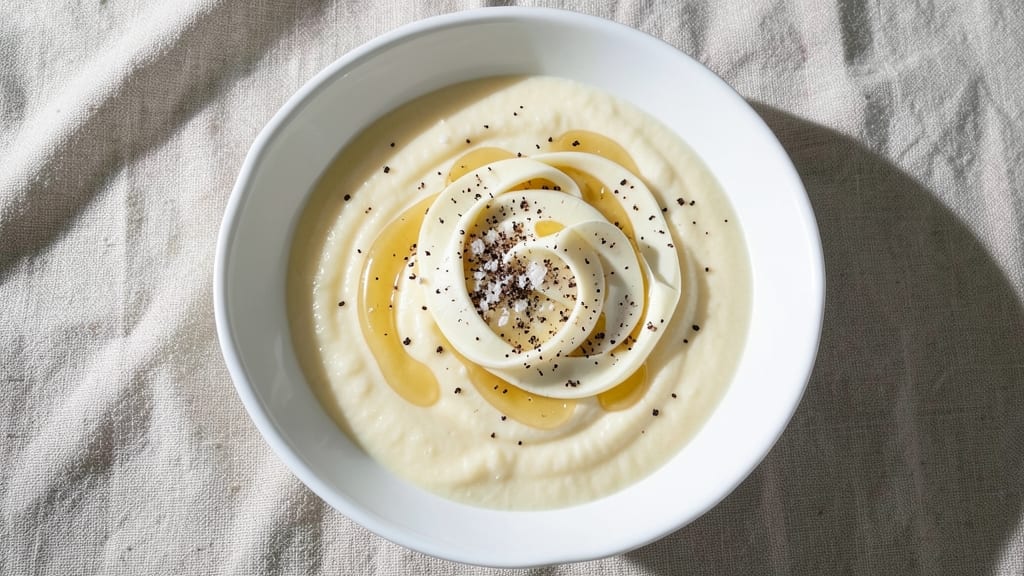
Transforming powdered eggs into fluffy scrambled eggs with zero waste is a game-changer for busy mornings or meal prep. This method preserves all the protein and nutrients while eliminating the need for fresh eggs, making it both practical and sustainable.
The key lies in proper rehydration and gentle cooking to achieve that signature tender yet slightly firm texture we all love.
What sets this recipe apart is its versatility—whether you're feeding a family, packing lunches, or simply avoiding grocery runs, powdered eggs deliver consistent results every time. The rehydration process is straightforward, and the cooking technique ensures no dry or rubbery scrambles.
Seasoning is where you can get creative, but a classic blend of salt, pepper, and a touch of butter creates the perfect foundation.
By the end, you'll have a batch of light, airy scrambled eggs that look and taste just like homemade, without the waste or spoilage of fresh eggs. The method also works beautifully for omelets or frittatas, proving that powdered eggs can handle traditional techniques while offering modern convenience.
Ready to try this efficient, zero-waste solution?
This approach is ideal for those who value sustainability without sacrificing flavor or texture. Whether you're a busy professional or a meal prep enthusiast, powdered eggs simplify breakfast without compromising quality. Let's get started on creating your perfect fluffy scramble.
Ingredients for powder eggs
Just powder, milk, and butter. Zero waste, maximum fluff—like magic for your morning scramble.
| Ingredient | Amount | Notes |
|---|---|---|
| Powdered Eggs 🥚 | 1 ½ cups | High-protein, unsweetened blend |
| Unsalted Butter 🧈 | 3 tbsp | Cold, cut into small cubes |
| Whole Milk 🥛 | ½ cup | Room temperature preferred |
| Large Egg Whites 🥚 | 2 whole | Optional for extra fluffiness |
| Diamond Crystal Kosher Salt 🧂 | ½ tsp | Adjust to taste |
| Freshly Ground Black Pepper 🌶️ | ¼ tsp | Coarse grind preferred |
| Fresh Chives 🌿 | 2 tbsp | Finely chopped, for garnish |
| Extra-Virgin Olive Oil 🫒 | 1 tsp | For nonstick pan coating |
| Garlic Powder 🧄 | ¼ tsp | Optional for depth |
| Nutritional Yeast 🍞 | 1 tbsp | For umami boost (optional) |
| Lemon Zest 🍋 | ½ tsp | Brightens flavor |
Powdered eggs are the secret weapon here. Bob's Red Mill or Nutiva brands are my go-tos—they've got the right protein-to-volume ratio for perfect scrambles. The key is rehydration: whisk the powder with milk first, then let it sit for 5 minutes before cooking. That resting time makes all the difference. For extra fluff, I add egg whites (they're shelf-stable too), but it works fine without. The butter? European-style melts cleaner—no weird graininess in your eggs.
No milk? Water plus a splash of cream works, but texture gets slightly denser. Short on chives? Green onion or parsley are great swaps—just chop them fine. Want more savory depth? Add a pinch of smoked paprika or a dash of hot sauce. The nutritional yeast is optional but adds that cheesy, umami kick that makes these taste restaurant-quality. If you're meal prepping, double the batch—these reheat beautifully (microwave with a splash of water to revive moisture).
Keep powdered eggs in a cool, dark place—they last 6-12 months unopened. Once opened, transfer to an airtight container. The rehydrated mixture sits for 24 hours in the fridge before cooking, but I usually make fresh each morning. For storage, portion into single-serving containers—just add butter and milk when reheating. Freeze extras in ice cube trays for quick portions later.
Why You'll Love This Recipe
- Five-Minute Miracle: I swear, this is the kind of dish where you measure, whisk, and bake—no cracking eggs, no shells, no mess. The powdered eggs blend into a silky custard that’s foolproof every single time.
- Buttery Cloud Texture: That moment when the edges turn golden and the center stays tender? It’s like biting into a cloud dipped in butter. The whole milk and egg whites team up for a richness that feels indulgent but isn’t heavy.
- Breakfast or Brunch Hero: Serve it warm for a lazy weekend brunch or pack it cold for a protein-packed lunch. Add a sprinkle of salt and a drizzle of melted butter, and suddenly you’ve got a dish that works for any meal—no excuses.
- Zero-Waste Pantry Staple: Honestly, this recipe uses ingredients you’re already buying. Powdered eggs last forever, butter’s a pantry basic, and milk? You’ll drink some, but you’ll bake the rest. It’s the kind of recipe that turns grocery money into meals without breaking the bank.
Step-by-step instructions for fluffy powdered egg scrambles
Here's how to transform powdered eggs into restaurant-quality fluffiness with minimal effort.
Whisk the Powdered Egg Mixture
In a medium bowl, combine the 1.5 cups powdered eggs with the 0.5 cup whole milk and 2 whole large egg whites. Use a whisk to blend until completely smooth—no lumps should remain. This step is crucial because powdered eggs absorb liquid differently than fresh eggs, and thorough mixing ensures even hydration.
Add the 0.5 teaspoon diamond crystal kosher salt, 0.25 teaspoon freshly ground black pepper, 0.25 teaspoon garlic powder, and 1 tablespoon nutritional yeast to the mixture. The nutritional yeast adds a subtle umami depth, while the garlic powder provides a gentle savory base. Stir these dry ingredients into the wet mixture until fully incorporated. If using the optional 0.5 teaspoon lemon zest, add it now for a bright citrus note that cuts through the richness.
Heat the Pan and Melt the Butter
Place a 10-inch nonstick skillet over medium-low heat. Add the 3 tablespoons unsalted butter, cut into small cubes, and allow it to melt completely. The butter should foam gently but not brown—this ensures a creamy, not crispy, base for your scrambles. If you notice the butter browning too quickly, reduce the heat slightly.
Once the butter has melted into a smooth, golden liquid, add 1 teaspoon extra-virgin olive oil to the pan. This creates a thin, even coating that prevents the eggs from sticking to the nonstick surface. Tilt the pan slightly to ensure the oil spreads evenly across the bottom.
Cook the Scrambles Gently
Pour the egg mixture into the skillet, letting it spread evenly across the surface. Use a silicone spatula to gently push the eggs from the edges toward the center, allowing the uncooked portions to flow into the spaces. This technique creates small, soft curds rather than large, rubbery ones.
Cook the eggs for 3-4 minutes, stirring constantly with the spatula. You're aiming for a creamy, custard-like texture—not dry or firm. The eggs should just begin to set but still look slightly glossy and wet. If they look too dry or start to pull away from the pan, reduce the heat slightly to prevent overcooking.
Finish and Garnish
Once the eggs are just set but still moist, remove the skillet from heat. Sprinkle the 2 tablespoons finely chopped fresh chives evenly over the top. The chives add a fresh, herbal finish that brightens the dish. If you prefer a more pronounced flavor, you can also sprinkle an additional pinch of diamond crystal kosher salt or freshly ground black pepper at this stage.
Let the scrambled eggs rest in the pan for 1-2 minutes before serving. This resting period allows the residual heat to gently finish cooking the eggs, ensuring they're fully tender and creamy. Serve immediately while warm, as powdered egg scrambles are best enjoyed fresh.
Pro Tips For Making Powder Eggs
- Whisk Like Your Life Depends on It: Powdered eggs clump up if you’re lazy with the whisk—like I was the first five times. Use a fork first to break up any dry bits, then switch to the whisk until the mixture is smoother than my excuses for skipping this step. No lumps means no rubbery bits in your final dish.
- Butter Foam, Not Brown: That butter should foam like a latte, not brown like a burnt sacrifice. If it’s browning too fast, drop the heat—even if you’re impatient like me. A creamy base is the difference between "meh" and "wow," and nobody wants "meh" scrambled eggs.
- Scrape the Pan Like a Pro: Don’t just stir—scrape. Use that silicone spatula to push the eggs from the edges toward the center so uncooked bits flow into the gaps. This gives you those tiny, silky curds instead of one big, sad, overcooked lump. (Yes, I’ve made that lump. Don’t ask.)
- Rest Those Eggs, Don’t Rush: Off the heat for 1-2 minutes—yes, even if you’re starving. The residual heat finishes cooking them just right, turning them from "almost there" to "perfect." Skipping this step is how you end up with dry, sad eggs. Trust the process.
Troubleshooting your powder eggs
Lumpy Texture Fix
If your powdered egg mixture turns lumpy during whisking, it’s likely because the powder didn’t fully dissolve. I’ve found that letting the mixture sit for 5-10 extra minutes before cooking helps the powder absorb the liquid more evenly.
For stubborn lumps, strain the mixture through a fine-mesh sieve into the pan—this ensures a silky texture. Always use room-temperature milk (never cold) to prevent clumping.
Overcooked or Dry Eggs
Powdered eggs dry out faster than fresh ones, so watch your heat closely. If your eggs look dry or rubbery, you’ve likely cooked them too long. The fix? Remove the pan from heat immediately when the eggs are just set (they’ll keep cooking off the heat).
For extra moisture, add 1-2 teaspoons of warm milk or water to the pan while stirring—this revives the texture instantly. 🔥
Sticking to the Pan
Even with nonstick pans, powdered eggs sometimes stick. My secret? Coat the pan with 1 teaspoon olive oil after the butter melts—this creates a second nonstick layer. If eggs still stick, your pan might need re-seasoning.
For a quick fix, add 1 tablespoon of water or milk to the pan while scraping with a rubber spatula to release the eggs gently.
Weak or Bland Flavor
Powdered eggs lack the richness of fresh ones, so seasoning is key. Boost flavor by adding 1 tablespoon of cream cheese or crumbled feta to the pan in the last 30 seconds of cooking.
For umami depth, stir in ½ teaspoon of soy sauce or a pinch of MSG (if you’re not avoiding it). A squeeze of lemon juice at the end also brightens the dish.
Rehydration Issues
If your powdered eggs don’t rehydrate properly, the milk might be too hot or the powder too old. Test the mixture by dropping a spoonful into cold water—if it doesn’t disperse smoothly, whisk harder or let it rest longer.
For extra insurance, pre-mix the powder with 1 tablespoon of water before adding milk. Store-bought powdered eggs (like EggBeaters or Just Egg) work best within 6 months of production.
Microwave Reheating Problems
Reheating powdered egg scrambles in the microwave often leads to rubbery texture because the heat dries them out. To fix this, place the eggs in a microwave-safe bowl, cover with a damp paper towel, and heat on 50% power for 30-second intervals, stirring between each.
Add 1 teaspoon of milk or water to restore moisture. For best results, reheat only what you’ll eat immediately—these eggs don’t reheat well beyond 24 hours.
Nutrition facts
Frequently asked questions
Can I use water instead of milk for powdered egg scrambles?
You can substitute water, but the texture will be denser and less creamy. For best results, use whole milk or a mix of milk and water (like 3:1 ratio). The fat in milk helps create that signature fluffy consistency. If using water, add 1 tablespoon of cream to mimic milk's richness.
How do I store leftover powdered egg scrambles?
Store cooked scrambles in an airtight container in the fridge for up to 3 days. For reheating, microwave on 50% power for 20-30 seconds with a splash of milk or water to restore moisture. Never freeze powdered egg scrambles—they become rubbery when thawed.
Why do my powdered eggs turn out rubbery?
Overcooking is the most common cause. Powdered eggs dry out faster than fresh ones, so remove them from heat when they're just set (not fully firm). If they're already rubbery, try adding 1 teaspoon of warm milk while stirring to revive the texture. Also ensure your pan isn't too hot—medium-low heat is ideal.
What's the best brand of powdered eggs for scrambles?
Look for high-protein, unsweetened blends like Bob's Red Mill or Nutiva. These dissolve smoothly and create the fluffiest texture. Avoid powdered eggs with added fillers or sweeteners—they can alter the flavor and texture. Store-bought brands like EggBeaters also work well if used within 6 months of production.
Can I make this recipe vegetarian?
This recipe is already vegetarian-friendly. The optional egg whites can be omitted entirely without affecting the texture. The nutritional yeast adds a cheesy, umami flavor that complements the dish perfectly. Just ensure your powdered eggs are certified vegetarian (most brands are).