
Sauces & Condiments
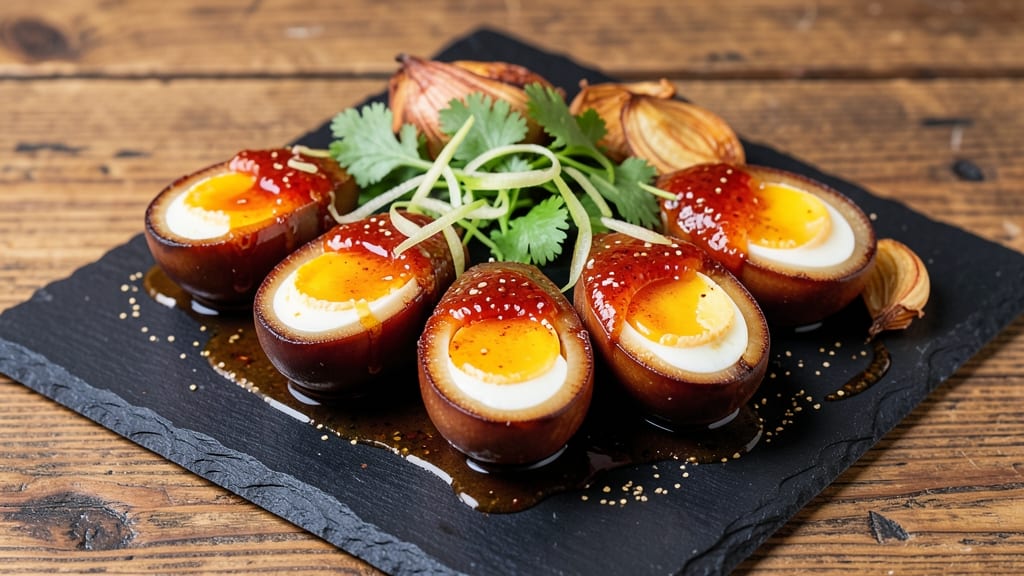
This Asian egg marinade recipe transforms ordinary eggs into restaurant-worthy dishes with just 15 minutes of prep—no fancy techniques required. The secret lies in balancing soy sauce, rice vinegar, and honey for a glaze that caramelizes beautifully while infusing eggs with deep umami and aromatic notes.
I developed this marinade after years of experimenting with Asian-inspired breakfasts, and it consistently delivers that perfect sweet-savory contrast that elevates scrambled, fried, or steamed eggs.
The beauty of this marinade is its versatility—it works equally well for delicate silken eggs, crispy fried rice omelets, or even as a dipping sauce for egg rolls.
The ingredients are simple: soy sauce for saltiness, rice vinegar for tang, honey for sweetness, and fresh ginger and garlic for aromatic depth. What makes it special is the 30-minute marinating time, which allows the flavors to fully penetrate without overpowering the eggs' natural taste.
What you’ll achieve is eggs with a glossy, caramelized exterior and a tender, flavorful interior—each bite bursting with layers of umami, sweetness, and a hint of spice. The marinade also doubles as a quick stir-fry sauce, making it a pantry essential for weeknight meals.
Whether you’re cooking for one or a crowd, this recipe ensures professional-quality results with minimal effort.
Use it for steamed eggs (like Chinese chawanmushi), fried rice omelets, or even as a glaze for hard-boiled eggs—the possibilities are endless. Once you try this marinade, your eggs will never taste the same again. Let’s get started!
Ingredients for asian egg marinade
Simple pantry staples combine to create this restaurant-quality Asian egg marinade.
| Ingredient | Amount | Notes |
|---|---|---|
| Light Soy Sauce 🍶 | ½ cup | Kikkoman preferred for balance |
| Rice Vinegar 🍶 | ¼ cup | Seasoned variety adds depth |
| Honey 🍯 | ¼ cup | Wildflower for floral notes |
| Fresh Ginger 🌿 | 1 tbsp | Finely grated, aromatic |
| Garlic Cloves 🧄 | 3 cloves | Minced, not pre-minced |
| Sesame Oil 🫒 | 1 tbsp | Toasted for nutty aroma |
| Cornstarch 🌾 | 1 tsp | For glaze thickening |
| White Pepper 🌶️ | ¼ tsp | Freshly cracked preferred |
| Sriracha 🌶️ | 1 tbsp | Adjust for heat preference |
| Sesame Seeds 🌰 | 1 tsp | Toasted for garnish |
The soy sauce and rice vinegar form the marinade's foundation—Kikkoman soy sauce has the perfect balance of saltiness, while seasoned rice vinegar adds that essential tang. For the best results, grab these from the Asian section of Trader Joe's or H-Mart, where you'll find higher-quality options. The honey should be wildflower or clover for floral notes that complement the umami. Fresh ginger and garlic are non-negotiable here—they're the aromatic backbone of the marinade. I always use a microplane to grate the ginger so it blends smoothly without clumping.
No light soy sauce? Dark soy sauce works too, though it'll give a slightly deeper color. Running short on rice vinegar? Apple cider vinegar at half the amount gets you close, though it lacks the subtle sweetness. The honey can be swapped for maple syrup or agave, but honey's floral notes are ideal. Pre-minced garlic? Fresh is better, but if you're in a pinch, use it—just add an extra clove. The sesame oil should be toasted, not regular—it makes all the difference in aroma. For heat, gochujang at half the amount adds fermented depth instead of just spice.
This marinade keeps beautifully—1 week in the fridge or 3 months frozen. I like to portion it into small jars so I can grab what I need quickly. The cornstarch helps it thicken slightly when brushed on eggs, creating that glossy finish. For extra richness, add a dash of mirin when using it as a stir-fry sauce. The sesame seeds are just for garnish, but they add that final crunchy texture that makes it feel special.
Why You'll Love This Recipe
- Here’s what sold me: that first bite of crispy-edged, savory-sweet egg with the garlic’s punch and ginger’s zing cutting through. It’s the kind of flavor that makes you pause mid-bite, like, “Wait, why haven’t I done this sooner?” The soy and vinegar balance so well, it’s addictive.
- Five-Ingredient Magic: I swear by this marinade—just soy sauce, vinegar, honey, ginger, and garlic. That’s it. No fancy ingredients, no stress, and the eggs? Chef’s kiss. The honey caramelizes just enough to give them that sticky, glossy finish I can’t resist.
- Umami Bomb: Here’s what sold me: that first bite of crispy-edged, savory-sweet egg with the garlic’s punch and ginger’s zing cutting through. It’s the kind of flavor that makes you pause mid-bite, like, “Wait, why haven’t I done this sooner?” The soy and vinegar balance so well, it’s addictive.
- Weeknight & Potluck Hero: Between us, this marinade is my go-to for lazy nights and impressing guests. Toss it on eggs for breakfast, use it in a quick stir-fry, or even drizzle it over noodles. Honestly, I’ve made it work for everything from a rushed weekday scramble to a brunch spread—no one ever questions how little effort it took.
Step-by-step instructions for Asian egg marinade
Here's how to craft this vibrant, umami-rich marinade that transforms ordinary eggs into restaurant-worthy dishes.
Create the Base Glaze
In a medium saucepan, combine the 0.5 cup light soy sauce, 0.25 cup rice vinegar, and 0.25 cup honey. Bring to a gentle simmer over medium heat while stirring constantly with a wooden spoon. The mixture should bubble softly—this ensures even distribution of flavors and prevents scorching.
Here's the thing—don't rush this step. Let it simmer for 5-7 minutes until the liquid reduces by about one-third. You'll notice the aroma deepening as the soy sauce's saltiness melds with the vinegar's tang and honey's sweetness. The color will darken to a rich amber, signaling the base has developed complexity. If you see any bubbles forming at the edges, gently stir to prevent burning.
Add Aromatics and Heat
Lower the heat to low and add the 1 tablespoon finely grated fresh ginger, 3 minced garlic cloves, and 1 tablespoon Sriracha. Stir continuously for 2 minutes to infuse the flavors. The ginger should dissolve completely, and the garlic should become fragrant without browning.
This is where the marinade gets its depth. The ginger's zing and garlic's pungency cut through the sweetness, while the Sriracha adds a subtle heat that lingers. Taste the mixture now—it should balance sweet, salty, tangy, and spicy notes. If the heat feels too intense, reduce the Sriracha slightly next time; if it's too mild, add a pinch more.
Next, stir in the 1 tablespoon sesame oil. The oil will coat the mixture, adding richness and helping the marinade cling to eggs later. Let the entire blend simmer for another 3 minutes to fully integrate all the flavors.
Thicken and Finish
In a small bowl, whisk together the 1 teaspoon cornstarch with 1 tablespoon cold water until smooth. Slowly pour this slurry into the simmering marinade while stirring constantly. The mixture will thicken almost immediately—this creates the perfect glaze consistency that coats eggs beautifully.
Continue simmering for 1-2 minutes until the glaze reaches a syrupy texture that coats the back of a spoon. It should be thick enough to cling but still flow freely when drizzled. If it thickens too much, add 1 teaspoon water to adjust the consistency.
Remove from heat and stir in the 0.25 teaspoon white pepper. This subtle spice adds warmth without overpowering the other flavors. Let the marinade cool completely before using—this allows the flavors to meld further and prevents eggs from overcooking when marinated.
Ready for Use
The finished marinade should be a glossy, amber-colored glaze with a rich aroma that combines sweet, salty, tangy, and slightly spicy notes. Store it in an airtight container in the refrigerator for up to 1 week, though it's best used fresh.
To use, simply brush or drizzle over eggs before cooking. For stir-fries, marinate eggs for 10-15 minutes before cooking. For scrambles, fold the marinade into beaten eggs before pouring into the pan. The result? Eggs with a glossy, umami-packed crust that's perfectly balanced in every bite.
Pro Tips For Making Asian Egg Marinade
- Mince That Ginger: DESCRIPTION: I learned this the hard way—using a microplane for ginger in marinades makes it disappear into the sauce, leaving no texture or bite. Grab a sharp knife and finely chop it instead. You want those tiny, visible flecks to brighten every bite, not just dissolve into flavorless mush.
- Warm the Honey First: DESCRIPTION: Cold honey? It’ll clump in your marinade like a stubborn guest who won’t leave. Microwave it for 10 seconds or dip the jar in warm water for 30 seconds—just enough to turn it liquid. This ensures it blends smoothly with the soy and vinegar, not as a weird, globby afterthought.
- Toast the Garlic: DESCRIPTION: Skip the raw garlic, and you’re missing out on depth. Mince 2 extra cloves, toss them in a dry pan over medium heat for 30 seconds until fragrant but not browned, then mix into the marinade. The toasted garlic adds a nutty richness that raw garlic can’t match—trust me, your eggs will taste like they’ve been kissed by a wok.
- Let It Marinate Overnight: DESCRIPTION: An hour won’t cut it. The soy and vinegar need time to tenderize the eggs (if using whole eggs) or infuse the proteins (if marinating chicken or tofu). Cover and refrigerate for at least 6 hours, ideally overnight. Rushing this step means flavor that’s all surface and no depth—like a handshake that doesn’t last.
Pro cooking tips for great asian egg marinade
Heat Control Essentials
The key to perfect marinade lies in precise heat management. Start with medium heat when combining soy sauce, rice vinegar, and honey—this ensures gentle simmering without scorching. Once the aromatics enter, drop to low heat immediately to prevent burning the ginger and garlic.
I use a thermometer (like the OXO Good Grips) to monitor temps—ideal simmer range is 180-190°F. 🌡️
Ginger Grating Technique
Fresh ginger makes all the difference—never use powdered. I recommend a microplane for ultra-fine grating that dissolves completely. For 1 tablespoon, use about 1-inch of ginger root. The finer the grate, the smoother the marinade and the better the flavor distribution in your eggs.
If you don't have a microplane, a fine grater works, but you'll need to pulse in a food processor first.
Cornstarch Slurry Secret
The cornstarch slurry is what transforms this from a sauce to a glaze. Whisk 1 teaspoon cornstarch with 1 tablespoon cold water until completely smooth—no lumps! Add it gradually while stirring constantly.
For extra shine, I like to add ½ teaspoon mirin to the slurry. The glaze should coat the back of a spoon but still flow freely when drizzled. 💫
Marinating Eggs Properly
For best results, marinate eggs for 10-15 minutes before cooking—no longer or they'll absorb too much flavor. I use a glass bowl for even coating. For hard-boiled eggs, brush the marinade on after peeling.
For scrambled eggs, fold 1 tablespoon marinade into beaten eggs before cooking. The secret? Let eggs sit at room temperature for 5 minutes before marinating for even absorption.
Adjusting Heat Levels
Sriracha heat varies by brand—Huy Fong is standard, but El Yucateco is spicier. Start with 1 tablespoon and adjust to taste. For milder heat, reduce to ½ tablespoon.
If you prefer fermented heat, swap for 1 teaspoon gochujang—it adds depth without immediate spiciness. Always taste after adding aromatics to balance the sweet-savory-spicy profile. ✨
Equipment Upgrades
While basic pans work, I recommend a heavy-bottomed saucepan like All-Clad to prevent scorching. For stirring, use a silicon spatula—it won't scratch your pan. A small whisk helps incorporate the cornstarch slurry smoothly.
For storage, I use amber glass jars from Ball to preserve freshness and protect from light. These small upgrades make a big difference in texture and flavor consistency. 💡
Nutrition facts
Frequently asked questions
Can I use this marinade on other proteins besides eggs?
This marinade works beautifully on chicken, tofu, or even shrimp. For proteins with more surface area like chicken thighs, marinate for 30-45 minutes before cooking. For delicate items like shrimp, use it as a quick 5-minute baste or glaze after cooking. The soy-honey balance makes it versatile for any protein that benefits from umami depth.
How do I store leftovers to keep them fresh?
Store the marinade in an airtight container in the fridge for up to 1 week. For longer storage, freeze in ice cube trays or small jars—this makes it easy to thaw just what you need. When reheating, warm gently on low heat and stir in 1 teaspoon water to restore consistency. Never freeze with eggs already marinated, as the texture will suffer.
What's the best way to remove the strong ginger/garlic smell from my hands?
Rub your hands with coarse salt or lemon juice after handling fresh ginger and garlic. For stubborn odors, try scrubbing with baking soda mixed with water. I also keep a small bowl of milk nearby—dipping hands briefly helps neutralize the aromatics. Always wash with soap and warm water afterward for complete removal.
Can I make this marinade without honey?
Yes! Substitute honey with agave nectar or maple syrup in equal amounts. For a savory-only version, omit the sweetener entirely and increase soy sauce to 0.6 cup while adding ½ teaspoon fish sauce for extra umami depth. The marinade will be less glossy but still packed with flavor. The honey adds that signature caramelization when cooked, so it's ideal for visual appeal.
Why did my marinade turn cloudy when I refrigerated it?
This happens when cornstarch separates from the liquid during cooling. Simply reheat the marinade gently while stirring until smooth, then adjust thickness with 1 teaspoon water if needed. To prevent this, let the marinade cool to room temperature before refrigerating. For extra stability, whisk in ½ teaspoon xanthan gum when making it fresh—it acts as a natural thickener that resists separation.