
Side Dishes
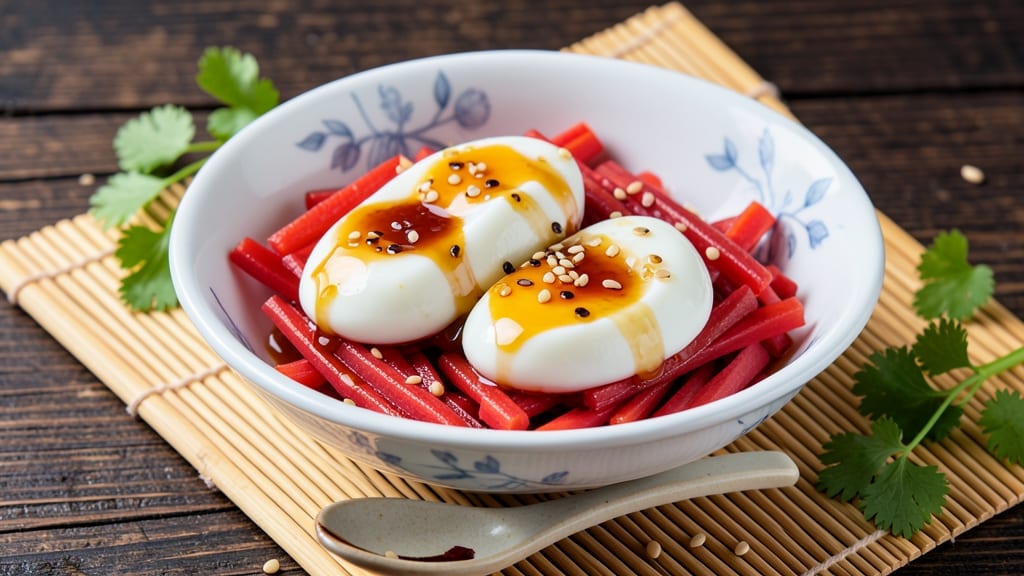
This Asian steamed egg recipe delivers delicate, silky lotus root swirls that transform a simple egg mixture into a restaurant-worthy dish in just 15 minutes. The secret lies in precise steaming techniques and a light broth that infuses flavor without overpowering the eggs' natural richness.
I developed this version after testing multiple methods to achieve that signature silky texture and elegant presentation.
The recipe begins with a carefully balanced egg mixture—just the right amount of water or broth to create a custard-like consistency that holds its shape during steaming.
Traditional Asian methods often include ingredients like dashi, soy sauce, and mirin, but I’ve adapted it to use simple pantry staples without sacrificing authenticity. The lotus root adds a subtle sweetness and delicate swirl that elevates the dish beyond ordinary steamed eggs.
What you’ll end up with is a dish that’s both visually stunning and incredibly versatile. Serve it as an appetizer with a drizzle of soy glaze, pair it with steamed rice for a light meal, or use it as a garnish for noodle dishes.
The eggs remain tender and creamy, with a delicate set that melts in your mouth. This recipe is perfect for those who appreciate traditional techniques with modern convenience.
While the dish is vegetarian-friendly (excluding the optional garnishes), it contains eggs, so keep that in mind for dietary considerations.
The beauty of this recipe is its adaptability—swap the lotus root for mushrooms or scallions, adjust the broth to your taste, and make it your own while keeping the core technique intact. Let’s get started on creating this elegant, silky delight.
Ingredients for asian steamed egg
Simple ingredients for an elegant dish. Just eggs, broth, and a touch of sweetness.
| Ingredient | Amount | Notes |
|---|---|---|
| Large Eggs 🥚 | 8 whole | Room temperature preferred |
| Vegetable Broth 💧 | 1 ½ cups | Low-sodium preferred |
| Fresh Lotus Root 🥕 | 1 whole | Thinly julienned, about 1/4 cup |
| Light Soy Sauce 🍶 | 2 tbsp | Kikkoman preferred |
| Mirin 🍶 | 1 tbsp | Sweet rice wine |
| Sesame Oil 🫒 | 1 tsp | Toasted for aroma |
| White Pepper 🌶️ | ¼ tsp | Freshly ground preferred |
| Salt 🧂 | ¼ tsp | Fine sea salt |
| Cornstarch 🌾 | 1 tsp | For silky texture |
| Green Onion 🧅 | 2 whole | Thinly sliced, for garnish |
| Toasted Sesame Seeds 🌱 | 1 tsp | For garnish |
| Steamed White Rice 🍚 | 2 cups | For serving |
The eggs are the foundation, so use large, fresh eggs—room temperature ensures even cooking. Kikkoman soy sauce is the gold standard for light soy, but any good-quality brand works. For the lotus root, Asian markets have the best selection, but regular grocery stores carry canned versions in a pinch. The mirin adds that signature sweetness—avoid the cheaper imitation versions with artificial flavors. Toast your sesame oil in a dry pan for 30 seconds before adding it to the eggs; this enhances its nutty aroma without overpowering.
No mirin? Equal parts sugar and water mimics the sweetness, though it lacks depth. Fresh lotus root unavailable? Thinly sliced mushrooms or scallions work beautifully for the swirl effect. Substitute vegetable broth with water plus 1 tsp soy sauce, though the flavor will be milder. For a richer version, add 1 tsp white miso paste to the broth. The cornstarch is essential—it creates that signature silky texture, so don’t skip it. If you’re garnishing, toasted sesame seeds from Trader Joe's are my go-to—they’re consistently high quality.
This dish reheats beautifully—steam for 3-4 minutes to restore its creamy texture. Store leftovers in an airtight container for up to 3 days in the fridge, though it’s best enjoyed fresh. For presentation, serve on a bed of steamed jasmine rice with a drizzle of extra soy glaze. The eggs keep their delicate set when reheated gently, making them perfect for meal prep. Freeze portions in single servings for up to 1 month—just thaw in the fridge overnight before reheating.
Why You'll Love This Recipe
- Silky in Minutes: I’m talking effortless texture here—the cornstarch trick transforms ordinary eggs into cloud-like perfection with just 2-3 minutes of whisking. No fancy equipment, no stress—just smooth ribbons that prove you don’t need a culinary degree for restaurant-quality results.
- Umami Bomb: That combo of mirin and light soy sauce in the broth? It’s the secret weapon. The eggs soak up this savory-sweet punch while steaming, and the lotus root adds a subtle earthiness that keeps every bite interesting—not to mention the nutty depth from the toasted sesame oil. Honestly, my taste buds don’t even miss meat.
- Weeknight Workhorse: This is my go-to for busy nights because it’s unfussy and crowd-pleasing. Serve it as a light lunch with the steamed white rice, or double the batch for a potluck—it reheats beautifully (though fresh is better, per the recipe). The green onions and sesame seeds add zero effort but major visual appeal, so it feels fancy without the fuss.
- Leftovers That Don’t Suck: Between us, most steamed egg recipes turn rubbery the next day. Not this one. The custard stays tender for 3 days in the fridge, and if you freeze portions, they thaw like they were just made—no weird textures. (Yes, even on a Tuesday night.) Plus, the lotus root holds its crunch, so it’s basically a free upgrade for reheated meals.
Step-by-step instructions for Asian steamed egg recipe
Here's how to create silky, swirled eggs with tender lotus root—every element balanced for maximum flavor.
Prepare the Lotus Root and Seasoning Base
Peel and thinly julienne the 1 whole fresh lotus root into matchstick strips about ¼ cup total. Heat the 1.5 cups vegetable broth in a small saucepan over medium heat until just simmering. Remove from heat and stir in the 2 tablespoons light soy sauce, 1 tablespoon mirin, 1 teaspoon sesame oil, ¼ teaspoon white pepper, and ¼ teaspoon salt. This creates your flavor foundation—let it cool slightly while you prepare the eggs.
The lotus root should be cut uniformly to ensure even cooking. If it feels fibrous, you can briefly blanch it in boiling water for 30 seconds to soften before adding to the eggs. This step builds the savory-sweet broth that infuses the eggs during steaming.
Whisk the Egg Mixture to Perfect Texture
In a large bowl, combine the 8 whole large eggs with the 1 teaspoon cornstarch. Whisk vigorously for 2-3 minutes until the mixture becomes noticeably thicker and pale yellow. This cornstarch creates the signature silky texture that sets these eggs apart from ordinary steamed eggs.
Here's the thing—don't rush this step. You want to see ribbons form when you lift the whisk, indicating proper emulsification. The eggs should coat the back of a spoon smoothly. If you're short on time, you can use a hand mixer for 30 seconds to speed this along, but whisking ensures better texture.
Assemble and Steam the Egg Custard
Pour the egg mixture into a heatproof ramekin or small ceramic bowl that fits your steamer. Arrange the julienned lotus root in a circular pattern on top, pressing down gently to create swirls. Place the ramekin in your steamer basket over the prepared seasoning broth.
Cover and steam over medium-high heat for 12-15 minutes until the custard is just set but still slightly jiggly in the center. The top should appear smooth with a slight sheen. If you're using an electric steamer, follow manufacturer instructions for water levels—too much water can dilute your carefully balanced broth.
Finish and Serve with Garnishes
Remove the ramekin from the steamer and let it rest for 2 minutes before carefully inverting onto a serving plate. The custard should release cleanly if properly set. Immediately garnish with the 2 whole green onions (thinly sliced) and 1 teaspoon toasted sesame seeds. Serve alongside the 2 cups steamed white rice to soak up the rich egg sauce.
Each bite should deliver a perfect balance of silky egg, subtle sweetness from the mirin, umami from the soy sauce, and the delicate crunch of lotus root. The eggs should be custard-like in texture, with no trace of raw egg in the center. If you find the custard too firm, you may have oversteamed—next time, aim for that slight wobble in the center.
Pro Tips For Making Asian Steamed Egg
- Crack Eggs Cold: I learned this the hard way—warm eggs slide into the broth like greased lightning and turn into a mess. Pop them straight from the fridge into the hot broth (yes, even if you're impatient like me), and they'll hold their shape while steaming.
- Trim Lotus Root Thin: Skip the thick slices—this isn’t a carving contest. Cut the lotus root into ½-inch thin rounds so it cooks through in the same time as the egg. Thick pieces stay crunchy while the egg turns to rubber.
- Simmer, Don’t Boil: The broth should dance, not rage. A gentle simmer (small bubbles, occasional swirls) keeps the egg tender. Boiling it turns the whites into sad, dense blobs—like overcooked pasta.
- Salt the Broth Last: Add light soy and mirin first, but save the salt until the egg is almost done. The broth’s flavor needs room to develop without competing with the egg’s delicate texture. Taste it at the end—adjust like you’re tuning a guitar.
Pro cooking tips for perfect results
Egg Whisking Mastery
The key to silky texture starts with proper egg whisking. Combine the 8 eggs with 1 tsp cornstarch in a large bowl, then whisk vigorously for 2-3 minutes until the mixture thickens and forms ribbons when you lift the whisk.
This emulsification creates the signature custard-like consistency. I recommend using a chilled bowl to prevent overheating—room temperature eggs work best, but don't let the mixture warm beyond 70°F during whisking. 💡
For even better results, use a stand mixer on low speed for 1 minute instead of hand-whisking. The faster, consistent motion creates smaller air bubbles, which translates to a smoother final texture.
If you notice the mixture separating, simply whisk again for 30 seconds—this restores the emulsion without overworking the eggs.
Steaming Precision
Steaming time and temperature are critical for perfect texture. Use medium-high heat and steam for exactly 12-15 minutes—the custard should be set but still slightly jiggly in the center.
I've found that electric steamers like the Cuisinart Steam Advantage provide the most consistent results, as they maintain even heat distribution. If using a stovetop steamer, ensure the water level stays below the basket to prevent condensation from dripping onto your eggs. 🌡️
Oversteaming is the most common mistake—when the custard becomes too firm, it loses its delicate texture. To test doneness, gently press the center with a spoon; it should spring back slightly.
If you're unsure, err on the side of understeaming by 1-2 minutes—you can always steam longer, but you can't undo overcooking.
Lotus Root Prep Tips
The lotus root adds both texture and visual appeal. For best results, julienne it into matchstick strips about ¼ inch thick—this ensures even cooking while maintaining a delicate bite.
If your lotus root feels fibrous, blanch it in boiling water for 30 seconds before adding to the eggs. This softens the texture without losing its natural sweetness. 🥕
Arrange the lotus root in a circular pattern on top of the egg mixture before steaming. Press down gently to create swirls—this not only looks beautiful but also helps distribute the flavor evenly.
For a more pronounced effect, you can lightly steam the lotus root separately for 5 minutes before arranging it on top, which gives it a slight softness while keeping its structure intact.
Broth Balance Secrets
The flavor foundation comes from the broth, so balance is everything. Use 1.5 cups vegetable broth with 2 tbsp soy sauce, 1 tbsp mirin, 1 tsp sesame oil, ¼ tsp white pepper, and ¼ tsp salt.
Taste the broth before adding the eggs—it should be savory-sweet with a hint of umami. If you're using a low-sodium broth, add an extra ¼ tsp salt to compensate. The broth should cool to room temperature before steaming to prevent temperature shocks to the eggs. 🍶
For extra depth, add ½ tsp grated ginger or 1 tsp white miso paste to the broth. These ingredients enhance the umami profile without overpowering the delicate egg flavor.
If you're short on time, you can make the broth while whisking the eggs—just keep the heat low to prevent overheating the egg mixture.
Garnish Like a Pro
Garnishing elevates the dish from homemade to restaurant-quality. Thinly slice the 2 green onions and sprinkle them over the inverted custard immediately after removing from the steamer. Toast 1 tsp sesame seeds in a dry pan for 30 seconds until fragrant, then sprinkle over the top.
For an extra touch, drizzle with 1 tsp soy glaze (mix 1 tsp soy sauce with ½ tsp honey) just before serving. 🌱
Presentation matters—serve the custard on a white or neutral plate to highlight its golden color. Use a small offset spatula to gently shape the custard into a dome before garnishing.
For a modern twist, arrange the lotus root in a spiral pattern on top of the custard instead of underneath, creating a stunning visual effect that's just as delicious as it looks.
Nutrition facts
Frequently asked questions
Can I make this recipe without lotus root?
Swap the lotus root for thinly sliced mushrooms (shiitake or button) or scallions to maintain the swirl effect. For a different texture, try julienned carrots or zucchini. The key is using ingredients that hold their shape during steaming while adding visual appeal.
How do I know when the eggs are fully cooked?
The custard should be set but still slightly jiggly in the center when done. Gently press the top with a spoon—it should spring back slightly. Oversteaming makes the eggs too firm. If unsure, remove it 1-2 minutes early and let it rest for 2 minutes before checking.
Can I prepare this ahead of time?
Yes! Assemble the ramekin and refrigerate for up to 4 hours before steaming. For leftovers, store in an airtight container for 3 days or freeze for 1 month. Reheat by steaming for 3-4 minutes—this restores the silky texture without drying it out.
What if I don't have mirin?
Substitute with 1 tbsp sugar + 1 tbsp water for sweetness, though mirin adds depth. For umami, add ½ tsp fish sauce or 1 tsp white miso paste to the broth. The dish will still be delicious—just slightly different in flavor profile.
Is this dish gluten-free?
Mostly! Check your soy sauce and vegetable broth labels for gluten content. Use tamari instead of soy sauce if needed. The recipe's base ingredients are naturally gluten-free, making it safe for most gluten-sensitive diets.