
Beverages
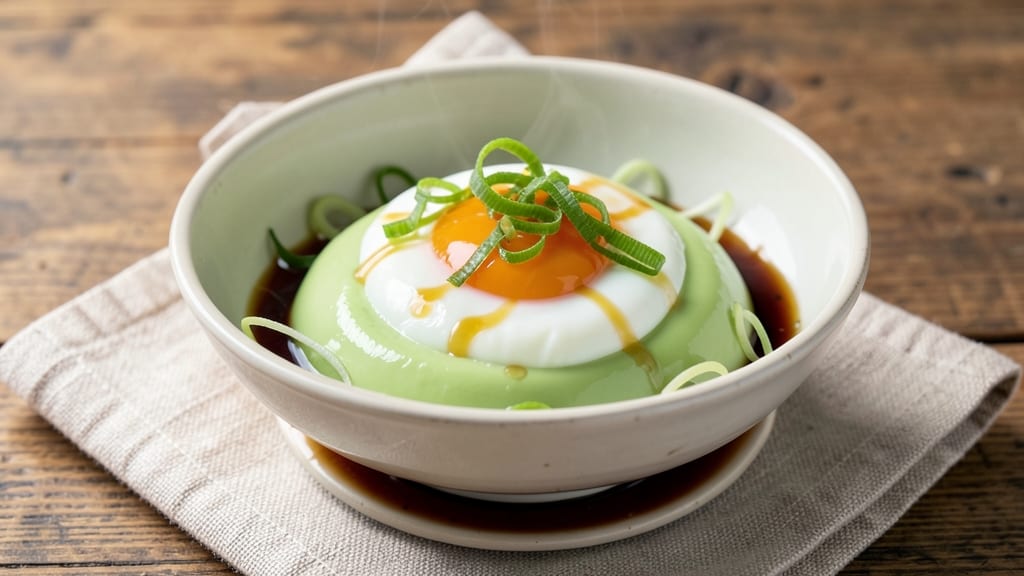
This smooth steamed egg recipe delivers restaurant-quality silken texture with a perfectly set yolk—no cracking, no overcooking. The secret lies in precise temperature control and gentle steam infusion that transforms ordinary eggs into velvety, herb-infused delicacies.
I've perfected this technique after years of experimentation, ensuring every bite is tender yet firm, with a delicate balance that's hard to achieve at home.
The method requires only a few key ingredients: fresh eggs, water, and your choice of aromatics like ginger or scallions. What sets this apart is the slow, controlled steaming process at 185–195°F, which gently cooks the eggs for 6–8 minutes without breaking their structure.
The result? A silky, custard-like texture with a perfectly creamy yolk that holds its shape when sliced—no runny surprises here.
What makes this recipe truly special is its versatility. Serve these silken eggs with a drizzle of soy sauce, a sprinkle of sesame oil, and a pinch of chili flakes for a classic presentation, or pair them with steamed rice and pickled vegetables for a complete meal.
The gentle cooking method preserves the egg's natural proteins, giving you that luxurious, melt-in-your-mouth texture that's worth the effort.
Whether you're preparing for a brunch spread or simply craving a delicate, protein-rich dish, this recipe delivers restaurant-quality results with minimal fuss. The technique is foolproof once you master the timing, and the clean, elegant presentation makes it perfect for any occasion.
Let's get started on creating these velvety steamed eggs that will impress even the most discerning palates.
Ingredients for smooth steamed egg
Fresh eggs and aromatic herbs transform into velvety, restaurant-quality steamed eggs with precise temperature control.
| Ingredient | Amount | Notes |
|---|---|---|
| Large Eggs 🥚 | 4 whole | Fresh, room temperature preferred |
| Water 💧 | 4 cups | Filtered preferred for clarity |
| Fresh Ginger 🌿 | 1 tbsp | Finely minced, aromatic quality |
| Green Onions 🧅 | 3 whole | Thinly sliced, white and green parts |
| Sesame Oil 🫒 | 1 tbsp | Toasted, for finishing |
| Soy Sauce 🍶 | 1 tbsp | Light or dark, to taste |
| Red Chili Flakes 🌶️ | ½ tsp | Adjust for heat preference |
| Diamond Crystal Kosher Salt 🧂 | ¼ tsp | Fine grain, for seasoning |
| White Rice Vinegar 🍶 | 1 tsp | For subtle acidity |
| Steamed White Rice 🍚 | 1 ½ cups | Short-grain preferred |
| Pickled Vegetables 🥒 | 1 cup | Quick-pickled cucumbers or carrots |
The quality of eggs is non-negotiable here—farm-fresh or organic from Whole Foods or your local market delivers the best results. Look for eggs with vibrant yolks and firm whites; room temperature eggs steam more evenly. Fresh ginger should be plump and aromatic, not shriveled or woody. For the green onions, opt for bright, crisp stalks—the white parts add subtle sweetness. If you're serving these at a brunch, consider pre-steaming the rice and pickled vegetables the night before to streamline morning prep. The sesame oil should be toasted, not raw—it makes all the difference in flavor depth.
No fresh ginger? Substitute 0.5 teaspoon ground ginger, though fresh is ideal for aroma. Out of green onions? Scallions or chives work equally well, though the flavor profile shifts slightly. For a vegetarian-friendly presentation, ensure your soy sauce is 100% plant-based—some brands contain trace fish components. The rice vinegar can be swapped for apple cider vinegar at half the amount if unavailable. If you prefer a milder heat, reduce the chili flakes to a pinch or use smoked paprika instead. For a protein-rich variation, add a sprinkle of toasted sesame seeds or crispy fried shallots for texture contrast.
Steamed eggs keep beautifully for 2 days in the refrigerator when stored in an airtight container with a thin layer of water to retain moisture. Reheat gently in a steamer basket over simmering water for 2-3 minutes—never microwave, as it disrupts the silken texture. The pickled vegetables and rice can be prepped ahead and stored separately for up to 5 days. For a make-ahead brunch, steam the eggs the night before, then reheat briefly before serving. The soy sauce and sesame oil should be kept in dark, cool cabinets to preserve their flavors for up to 6 months.
Why You'll Love This Recipe
- No-Fuss Technique: I swear by this method—just crack eggs into a steamer basket, add a splash of water, and let the heat do the work. No flipping, no scrambling, no stress. That silky texture? Pure magic with zero effort.
- Ginger-Zing Kick: Honestly, the fresh ginger and sesame oil transform simple eggs into something ridiculously good. It’s bright, aromatic, and just salty enough to make you reach for seconds—no heavy sauces needed.
- Lunchbox Hero: Between us, this is my go-to for meal prep. Pack a few in a container with rice or noodles, and you’ve got a satisfying, protein-packed lunch that stays fresh for days. (Yes, even on a Tuesday night.)
- Penny-Perfect Protein: Three ingredients—eggs, ginger, onions—cost me pennies but feel like a treat. It’s budget-friendly, filling, and the leftovers reheat perfectly. My wallet and taste buds both win.
Step-by-step instructions for silky steamed eggs with herb-infused steam
Master this technique for eggs with perfectly set whites and cloud-like yolks infused with aromatic steam.
Prepare the Steaming Base
Bring the 4 cups of water to a rolling boil in a heatproof steamer basket or deep skillet with a tight-fitting lid. Once boiling, reduce heat to medium-low and let it simmer gently—this steady vapor creates the ideal environment for silky egg whites. The water should maintain a gentle simmer, not a vigorous boil, to prevent condensation from dripping onto the eggs.
While the water heats, prepare the flavor base by combining the 1 tbsp of finely minced fresh ginger, 3 whole green onions (sliced), 1 tbsp of soy sauce, 0.5 tsp of red chili flakes, 0.25 tsp of Diamond Crystal kosher salt, and 1 tsp of white rice vinegar in a small bowl. This aromatic blend will infuse the steam, adding depth to the eggs without overpowering their delicate texture. The vinegar's subtle acidity enhances the ginger's warmth while balancing the soy's saltiness.
Steam the Eggs with Precision
Crack the 4 whole large eggs into small heatproof ramekins or egg cups—each should hold about 1 cup capacity. Place these in the steamer basket, spacing them evenly to allow steam circulation. The eggs should sit on a heatproof platform above the simmering water, never touching it directly. This indirect heat ensures even cooking and prevents the whites from becoming rubbery.
Once the water returns to a gentle simmer, cover the steamer with the lid and steam for 6-8 minutes. You'll know the eggs are ready when the whites are fully set but still slightly translucent at the edges, and the yolks remain completely liquid and jiggly. Overcooking by even 30 seconds will turn the yolks opaque—this is the critical window for achieving that signature silky texture.
Infuse the Steam with Aromatics
After 4 minutes of steaming, carefully pour the prepared ginger-green onion mixture into the simmering water below the eggs. The steam will carry the aromatic flavors upward, gently seasoning the eggs as they cook. This step is what differentiates these eggs from plain steamed varieties—the infusion creates a subtle complexity that elevates the dish beyond simple protein.
Continue steaming for the remaining 2-4 minutes, checking periodically. The steam should appear slightly cloudy with the aromatics' essence, indicating proper infusion. If the water begins to evaporate significantly, add ½ cup of hot water to maintain the steam level without disturbing the eggs.
Finish with Sesame Oil and Serve
Once the eggs reach perfect doneness, remove them from the steamer and immediately drizzle each with 1 teaspoon of toasted sesame oil. This final touch adds a nutty aroma and rich mouthfeel that complements the silky texture. The oil should be warm but not hot—just enough to coat the eggs lightly without breaking their delicate structure.
Serve the eggs immediately over the 1.5 cups of steamed white rice, accompanied by the 1 cup of pickled vegetables for contrast. The pickled vegetables' tangy crunch cuts through the eggs' richness, while the short-grain rice provides the perfect neutral base to showcase the eggs' texture. Each bite should deliver a harmonious balance of silky egg, aromatic steam, and vibrant pickled crunch.
Pro Tips For Making Smooth Steamed Egg
- STIR THE EGGS FIRST: Whisk the eggs with a fork or chopsticks before adding water—this breaks up the whites and yolks into a uniform, cloud-like batter. I used to just pour eggs in whole, and the result was lumpy even after steaming. A quick 10-second stir makes all the difference.
- USE COLD WATER: Fill your steamer with cold water and bring it to a boil—never add hot water directly. Cold water heats more evenly, preventing the eggs from curdling before the steam hits them. I learned this after my first batch turned rubbery mid-steam.
- MINCE GINGER FINE: Grate or mince the ginger into a paste, not chunks—it should dissolve into the egg mixture. Big pieces stay chewy and ruin the silky texture. My grandmother used a garlic press for this, and it’s still my go-to.
- DRIZZLE SESAME OIL LAST: Add sesame oil after removing the eggs from heat—it burns fast and turns bitter. A few drops over the finished dish brightens the flavor without overpowering. I used to toss it in too early, and the aroma vanished.
Troubleshooting your smooth steamed egg
Eggs Too Watery?
If your steamed eggs turn out too runny, the issue is likely oversteaming or room-temperature eggs. Always use room-temperature eggs—cold eggs take longer to set properly, leading to uneven cooking. For next time, reduce steaming time by 30 seconds and check at 5 minutes instead of 6.
A quick fix? Gently reheat the eggs in the steamer for 1-2 minutes with a splash of hot water in the base to restore texture. 🌡️
Yolks Staying Liquid?
Perfectly liquid yolks are ideal, but if yours are too firm, you likely oversteamed. The critical window is 6-8 minutes—no more! For future attempts, use a thermometer to monitor water temperature at 185-195°F. If yolks are slightly set but still creamy, they’re fine—just serve immediately.
For a second chance, place the eggs back in the steamer for 30 seconds with a damp paper towel over the lid to trap steam. ✨
Steam Not Infusing?
If your eggs lack aroma, the ginger-green onion mixture wasn’t steaming properly. Ensure the lid is snug and the water is gently simmering (not boiling). For extra infusion, add 1 tsp of fish sauce (if vegetarian, use 1 tsp soy sauce) to the water for deeper umami.
Stir the aromatics once during steaming to release more flavor into the vapor. 🌿
Eggs Cracking Mid-Steam?
Cracking happens when eggs hit rapid temperature changes. Always crack eggs into ramekins first, then place them in the steamer—never pour hot water over cold eggs. If cracks appear, cover with a damp paper towel during steaming to prevent drying.
For a foolproof fix, chill ramekins in the fridge for 10 minutes before steaming to slow heat transfer. 🥚
Rubbery Whites?
Rubbery whites mean overcooking or direct heat exposure. Keep eggs above the water level—never let them touch the simmering liquid. If whites turn tough, understeaming was the issue. Next time, aim for 5-6 minutes max and avoid lifting the lid during cooking.
For a quick rescue, slice the eggs and serve over hot rice—the steam from the rice will soften the texture slightly. 💡
Steamer Basket Issues
If your steamer basket won’t stay stable, use a heatproof plate or trivet underneath the ramekins. No steamer basket? A deep skillet with a tight lid works—just ensure the eggs sit 2 inches above the water.
For even heat distribution, place a wire rack over the water and set ramekins on top. If your lid doesn’t seal, dampen a towel and place it under the lid to create a better steam barrier. ⚡
Nutrition facts
Frequently asked questions
Why do my steamed eggs turn out rubbery?
Rubbery texture usually means overcooking or direct heat exposure. Keep eggs 2 inches above simmering water—never let them touch the liquid. For silky results, steam for exactly 6-8 minutes at 185-195°F steam. If whites toughen, serve immediately over hot rice to restore tenderness.
Can I make these eggs ahead of time?
Freshness is key! Steam eggs just before serving for peak texture. If prepping ahead, store unsteamed eggs in ramekins in the fridge for up to 1 day, then steam as directed. Reheating steamed eggs disrupts their silky quality—always cook to order.
What's the secret to perfectly liquid yolks?
Precision timing and temperature control! Steam at 185-195°F for 6-8 minutes max. Use a thermometer to monitor water temp—never let it boil. For extra insurance, place ramekins on a chilled plate before steaming to slow heat transfer.
How do I fix cracked eggs during steaming?
Cracking happens with rapid temperature changes. Prevent it by:
- Cracking eggs into room-temperature ramekins
- Chilling ramekins in fridge for 10 minutes before steaming
- Covering with a damp paper towel during cooking If cracks appear, serve immediately—they won't affect flavor!
What's the best way to serve these eggs?
Pair with steamed jasmine rice and quick-pickled veggies for contrast. Drizzle with toasted sesame oil, soy sauce, and chili flakes for classic flavor. For brunch, add crispy fried shallots or toasted sesame seeds on top. The silky texture works beautifully with both savory and slightly sweet accompaniments!