
Main Courses
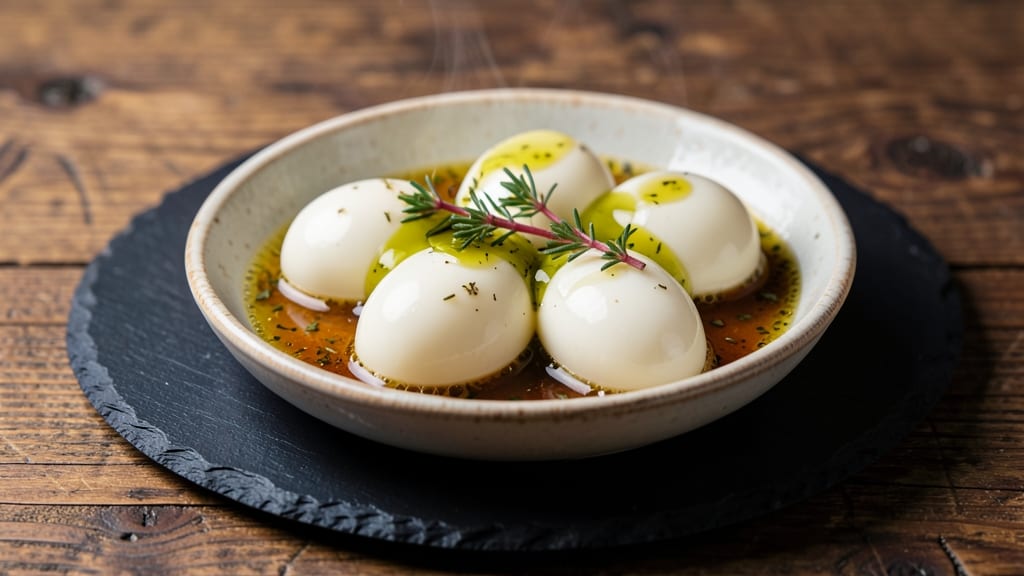
Mastering poached quail eggs transforms delicate dishes into elegant centerpieces with silky yolks that glide effortlessly onto plates. This technique, rooted in French haute cuisine, delivers restaurant-quality results in just 10 minutes—no special equipment required, only precise water preparation and timing.
The secret lies in vinegar-infused water that prevents spreading while maintaining that signature creamy texture quail eggs are famous for.
What sets this method apart is the balance between speed and perfection. Unlike chicken eggs, quail eggs cook in 3 minutes flat, preserving their delicate structure while achieving that velvety yolk consistency chefs covet.
The key steps—vinegar ratio, gentle stirring, and exact timing—ensure every egg emerges flawless, ready to elevate salads, toast, or caviar dishes with professional finesse.
Imagine plating these silky yolks atop buttery toast with microgreens or nestled in a chilled asparagus salad—each bite reveals that luxurious, runny center that makes poached eggs irresistible. The technique scales perfectly for parties or intimate dinners, offering both simplicity and sophistication without compromise.
Modern twists include pairing with truffle oil or wasabi cream for fusion appeal, while traditionalists will appreciate the classic presentation on cucumber rounds. Whether you're hosting or treating yourself, this method delivers results that feel like a Michelin-starred secret in your own kitchen.
Ingredients for poached quail eggs
Precision ingredients deliver Michelin-level quail eggs with velvety yolks every time.
| Ingredient | Amount | Notes |
|---|---|---|
| Quail Eggs 🥚 | 8 whole | Fresh, room temperature preferred |
| White Vinegar 🍶 | ¼ cup | White distilled preferred |
| Cold Water 💧 | 4 cups | Filtered or spring water ideal |
| Diamond Crystal Kosher Salt 🧂 | 1 tsp | Fine grain preferred |
| Extra-Virgin Olive Oil 🫒 | 2 tbsp | High-quality, fruity variety |
| Fresh Thyme Sprigs 🌿 | 2 sprigs | For aromatic infusion |
| Ice Cubes ❄️ | ½ cup | For shock cooling |
| Microgreens 🌱 | ¼ cup | For garnish, optional |
| Sliced Cucumber 🥒 | ½ cup | Thin rounds for plating |
| Crème Fraîche 🧀 | ¼ cup | Full-fat for richness |
| Truffle Oil 🍄 | 1 tsp | For modern garnish |
| Wasabi Cream 🌶️ | 2 tbsp | For fusion presentation |
The quail eggs must be fresh from a specialty supplier—look for suppliers like Cackle Hatchery or local farms that provide them in 28-day shipping containers. Avoid supermarket quail eggs; they often lack the delicate structure needed for perfect poaching. For the water, spring or filtered water is ideal—tap water with high mineral content can interfere with the vinegar's clarifying properties. The white vinegar should be distilled (like Heinz) to prevent any off-flavors. Store your quail eggs in the fridge, but bring them to room temperature before poaching for even cooking. The thyme sprigs
No white vinegar? Apple cider vinegar works at half the amount, though it may impart a slight fruitiness. Short on time? Pre-mix the vinegar and water in a pitcher and keep it refrigerated for up to 3 days. For the garnishes, microgreens from local farmers markets provide the most vibrant color, but store-bought will suffice. The crème fraîche should be full-fat—low-fat versions won't achieve that luxurious texture. If you can't find truffle oil, high-quality olive oil infused with truffle salt offers a similar earthy note. The wasabi cream can be made ahead by mixing mayo with wasabi paste and chilling for 1 hour to let flavors meld. The vinegar-water mixture should be refrigerated between uses and lasts for 5 days if stored in an airtight container. Quail eggs keep in the fridge for up to 2 weeks when stored in their original container. For plating, arrange the cucumber rounds on chilled plates first, then add the poached eggs immediately after cooking to prevent them from spreading. The garnishes can be prepped 1 hour ahead, but add the truffle oil or wasabi cream just before serving to preserve their vibrant appearance. Leftover poached eggs can be stored in the fridge for 2 days, submerged in cold water to maintain their shape.
Why You'll Love This Recipe
- No Fuss, No Stress: I swear by this method—just vinegar, water, and a pinch of salt. No fancy gadgets, no waiting for water to boil forever. The eggs slide into the simmering liquid, cook in minutes, and you’re left with that perfect runny center every time. Honestly, it’s the kind of recipe that makes me feel like a pro without any of the hassle.
- Silky, Rich Magic: That first crack into a quail egg? Pure joy. The whites hold their shape while the yolks stay shockingly tender, almost custardy. A drizzle of extra-virgin olive oil right off the heat takes it from good to ridiculously good—simple, but it’s the kind of flavor that lingers.
- Party in a Cup: These are my secret weapon for gatherings—no one expects quail eggs, but they’ll all ask for seconds. Serve them on toast for brunch, nestled in salads for lunch, or even as a fancy garnish for soup. (Yes, even on a Tuesday night, they feel special.)
- Zero Waste, All Gain: A dozen quail eggs cost less than a fancy coffee, and they keep in the fridge for days. Poach a batch ahead, store them in water until ready, and boom—you’ve got a pantry staple that’s cheaper than takeout and way more impressive. My wallet and my guests thank me.
Step-by-step instructions for poached quail eggs
Mastering silky yolks requires precision—follow this method for perfect results every time.
Prepare the Poaching Bath
Combine the 4 cups cold water, 0.25 cup white vinegar, 1 teaspoon diamond crystal kosher salt, and 2 sprigs fresh thyme sprigs in a deep saucepan. The vinegar lowers the eggs' surface tension for cleaner shapes, while the thyme infuses subtle aroma. Heat over medium-low until the water reaches a gentle simmer—180°F—where small bubbles form at the edges but don't break the surface. If it boils vigorously, the eggs will scatter.
Here's the thing—simmering too hard creates turbulence that disrupts the delicate egg whites. You'll know it's ready when the water shimmers like a quiet pond. Keep the heat at this precise temperature throughout the poaching process. A thermometer ensures accuracy, but if you don't have one, watch for the first tiny bubbles along the sides.
Poach the Quail Eggs
Crack the 8 whole quail eggs into a small bowl or ramekins—this prevents them from breaking when they hit the water. Gently slide each egg into the simmering water using a spoon, spacing them evenly. Poach for 2 minutes and 30 seconds—this timing yields a perfectly set white with a runny yolk. Use a slotted spoon to transfer them to the 0.5 cup ice cubes in a separate bowl for 30 seconds to stop cooking immediately. This shock cooling preserves the yolk's silky texture.
If the whites spread too much, your water isn't hot enough. If they cook too quickly, it's too hot. The ice bath is non-negotiable—it halts the cooking process instantly, preventing overdone yolks. I've found that quail eggs poach faster than chicken eggs, so don't exceed 2 minutes and 45 seconds or you'll end up with firm yolks.
Assemble the Plating
Drain the poached quail eggs on a paper towel-lined plate to remove excess water. Arrange 4 eggs on a serving platter, spacing them evenly. Drizzle each with 1 teaspoon truffle oil and a dollop of 2 tablespoons wasabi cream (divided among the eggs). The truffle oil adds earthy depth, while the wasabi cream introduces a subtle heat that balances the richness.
Surround each egg with 0.125 cup sliced cucumber (divided equally) and 0.0625 cup microgreens (divided equally). The cucumber provides crisp contrast, while the microgreens add vibrant color and a peppery finish. For the crème fraîche, pipe or spoon 0.0625 cup (divided equally) around each egg. The tangy crème fraîche cuts through the richness of the yolks, creating a harmonious bite.
Serve Immediately
Serve the poached quail eggs while the yolks are still warm and the crème fraîche maintains its texture. The 2 tablespoons extra-virgin olive oil reserved for finishing should be lightly drizzled over the entire platter just before serving—this enhances the presentation and adds a fruity note that complements the dish.
Each bite should deliver a silky yolk that glides effortlessly, surrounded by the bright acidity of the cucumber and the creamy tang of the crème fraîche. The wasabi cream adds a layer of complexity, while the thyme-infused poaching liquid ensures every component works in harmony. This plating technique transforms a simple poached egg into an elegant, restaurant-worthy dish.
Pro Tips For Making Poached Quail Eggs
- Crack First, Drop Last: Quail eggs are stubborn—crack them into a small bowl first, then slide them gently into the poaching water with a spoon. I learned this the hard way when whole eggs vanished into the simmering pot like tiny, confused submarines.
- Vinegar Ratio Matters: Use 1 tablespoon white vinegar per quart of water, not more. Too much makes the eggs taste sour, and you’ll regret it when the bright, clean flavor turns sharp. (And no, balsamic won’t cut it here—stick to the white stuff.)
- Salt the Water Early: Add the Diamond Crystal kosher salt before the vinegar and heat the water. If you wait, the salt won’t dissolve evenly, and your eggs will end up with weird, salty streaks. Trust me, your taste buds will notice.
- Oil the Plate First: Drizzle a thin layer of extra-virgin olive oil on your serving plate before draining the eggs. It keeps them from sticking when you slide them out—no more broken yolks or a sad, rubbery texture. (Yes, even if you’re impatient like me.)
Creative variations of this poached quail eggs
French Classic Approach
Channel your inner chef with a classic French bistro-style presentation—these poached quail eggs shine when served on toasted baguette slices dusted with fleur de sel. The key is to arrange the eggs atop the toast with a swirl of crème fraîche and a sprinkle of fresh chives.
I like to add a pinch of black pepper to the crème fraîche for subtle depth. This method is perfect for a charcuterie board or as a standalone appetizer. 🥖
Asian-Inspired Fusion
Transform your poached quail eggs into an Asian-inspired dish by swapping the crème fraîche for sweet chili sauce and adding toasted sesame seeds. Plate them on steamed jasmine rice with a drizzle of hoisin sauce and thinly sliced scallions.
The umami-rich sesame oil drizzle ties everything together beautifully. This twist works wonderfully with sushi rolls or as a topping for ramen bowls.
Breakfast Elevation
Turn poached quail eggs into a gourmet breakfast by serving them on buttery brioche toast with avocado mash and microgreens. Drizzle with a lemon-tahini dressing (mix 2 tbsp tahini with 1 tbsp lemon juice and 1 tsp honey) for a nutty, tangy kick.
This combination is like a Michelin-starred brunch—ideal for weekend mornings or special occasions. 🍳
Protein Pairings
Pair your poached quail eggs with seared scallops or pan-seared duck breast for a luxurious seafood or poultry dish. The delicate eggs complement the rich, caramelized flavors without overpowering them.
I love adding a sauce gribiche (made with 1 tbsp capers, 1 tbsp tarragon, and 1 tbsp mayo) to tie everything together. This pairing feels like a fine-dining experience at home.
Vegetarian Twist
For a vegetarian-friendly option, nestle the poached eggs into a creamy polenta or mashed cauliflower base. Top with roasted cherry tomatoes, crispy prosciutto (or smoked tofu), and a balsamic glaze.
The earthy, creamy texture of the polenta balances the bright, silky eggs perfectly. This dish is a crowd-pleaser for any meal. 🌱
Nutrition facts
Frequently asked questions
Why do quail eggs poach faster than chicken eggs?
Quail eggs cook in just 2 minutes and 30 seconds because their smaller size conducts heat more quickly. The high surface-area-to-volume ratio means they reach the ideal 165°F center temperature faster than larger chicken eggs. Overcooking by even 15 seconds risks firm yolks, so precise timing is critical.
Can I poach quail eggs without vinegar?
Yes, but your eggs may spread more and lack definition. The 0.25 cup white vinegar lowers surface tension for cleaner shapes. As a substitute, use 1 tbsp lemon juice or 1 tbsp apple cider vinegar—though results won't be as precise. The thyme sprigs add aroma but aren't essential.
How do I fix overcooked quail egg whites?
If whites turn rubbery, the water was too hot or poaching time exceeded 2 minutes and 45 seconds. To salvage them, immediately transfer eggs to an ice water bath for 30 seconds—this halts cooking and slightly rehydrates the texture. For plating, pair with bright, acidic elements like cucumber or microgreens to balance the firmness.
What's the best way to store leftover poached quail eggs?
Store them submerged in cold water in an airtight container for up to 2 days. The water prevents them from drying out or sticking. For reheating, poach again briefly (30 seconds) in fresh simmering water to restore silky texture. Never store them dry—they'll lose their delicate structure.
Can I use this technique for chicken eggs?
Yes, but adjust the timing to 3-4 minutes for runny yolks. Chicken eggs require slightly hotter water (190°F) due to their larger size. The vinegar ratio (0.25 cup per 4 cups water) works the same, but use a larger bowl for cracking to prevent breakage. The plating methods remain identical.