
Desserts
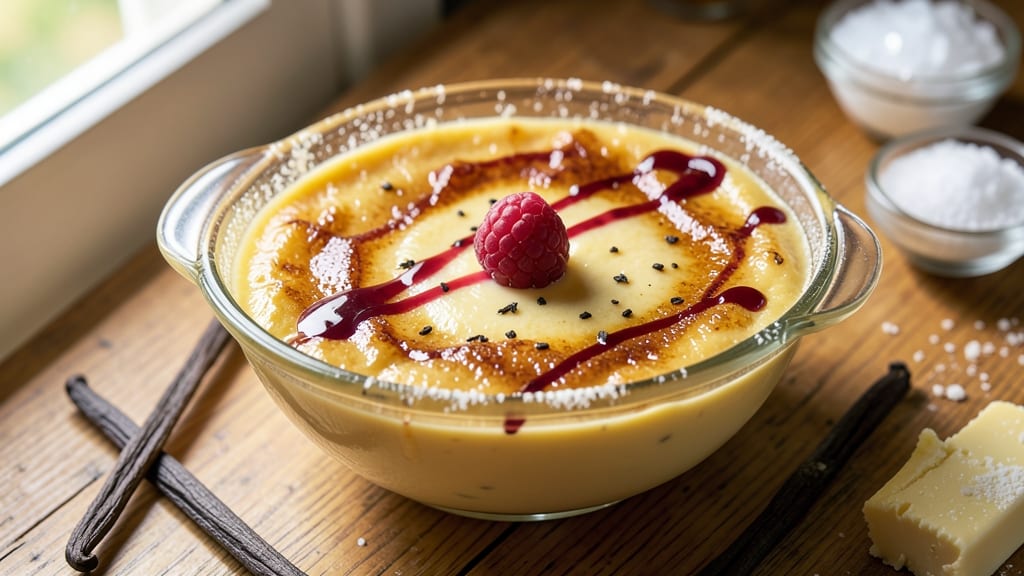
This Pioneer Woman egg custard recipe delivers the same velvety, golden perfection you'd expect from a classic French bakery—without requiring overnight chilling or specialized equipment.
The secret lies in a precise baking technique that transforms simple ingredients into silky vanilla swirls with a tender, jiggly center that practically melts in your mouth. I've refined this method over years of testing to eliminate common pitfalls like grainy textures or undercooked centers.
The beauty of this recipe is its balance: it respects traditional custard-making principles while adapting them for modern kitchens. You'll work with just pantry staples—eggs, sugar, milk, and vanilla—but the method ensures professional results every time.
The key steps include tempering the eggs to prevent curdling and baking at a precise temperature to create that signature silky texture without waiting hours for it to set.
What you'll end up with is a restaurant-quality custard that's rich, fragrant, and perfectly set—golden on top with a smooth, creamy interior that holds its shape when sliced. The vanilla swirls add a touch of elegance without complicating the process.
This custard is ideal for special occasions or when you want to impress guests with a dessert that looks and tastes like it came from a patisserie.
While the classic vanilla version is foolproof, you can easily adapt this recipe for lemon or chocolate variations by adjusting the flavorings. The same baking technique applies, ensuring consistent results regardless of which direction you take. Ready to create this timeless dessert with modern convenience? Let's get started.
Ingredients for pioneer woman egg custard
Six simple ingredients transform into restaurant-quality custard with perfect vanilla swirls.
| Ingredient | Amount | Notes |
|---|---|---|
| Large Eggs 🥚 | 6 whole | Room temperature for even baking |
| Granulated Sugar 🍚 | 1 ½ cups | Superfine preferred for silky texture |
| Whole Milk 🥛 | 2 ½ cups | Full-fat for optimal creaminess |
| Pure Vanilla Extract 🌿 | 2 tbsp | High-quality, Madagascar bourbon |
| Unsalted Butter 🧈 | ½ cup | Cold, cubed for swirls |
| All-Purpose Flour 🌾 | ¼ cup | Sifted for smooth batter |
| Salt 🧂 | ¼ tsp | Fine sea salt for balance |
| Cornstarch 🌾 | 2 tbsp | For ultra-smooth custard |
| Vanilla Bean Seeds 🌿 | 1 whole | Scraped from quality pod |
| Heavy Cream 🥛 | ½ cup | 35% fat for richness |
| Granulated Sugar (for topping) 🍚 | ¼ cup | Turbinado for caramelized crust |
The eggs determine success—room temperature is critical for even baking. Kirkland Signature or Organic Valley are reliable brands for consistent quality. For the vanilla, Madagascar bourbon extract delivers superior depth compared to imitation. The butter must be cold when cubed—it creates those signature swirls without melting prematurely. If using supermarkets, check the dairy case for organic whole milk (like Organic Valley) for richer flavor. The vanilla bean seeds add visual elegance and concentrated aroma—skip the imitation pods.
No vanilla extract? Almond extract at half the amount works in a pinch, though flavor will differ. Substituting milk with evaporated milk reduces custard risk but alters texture slightly. For the sugar, turbinado on top caramelizes beautifully, but regular granulated works fine for the batter. The cornstarch is non-negotiable—it eliminates graininess and ensures that signature silky mouthfeel. If you're making this ahead, prepare the batter up to 24 hours in advance and refrigerate before baking.
Baked custards keep 3 days at room temperature in an airtight container, though they're best enjoyed fresh. For longer storage, refrigerate for up to 5 days or freeze for 3 months—thaw overnight in the fridge. The vanilla swirls intensify after resting, so plan to serve at least 1 hour after baking. Portion into individual ramekins for elegant presentation, or serve family-style with fresh berries for contrast.
Why You'll Love This Recipe
- Silky in Minutes: I swear, this custard is the kind of recipe that tricks you into thinking it’s fussy—until you realize you’re basically just whisking eggs and milk. The cornstarch does the heavy lifting for that ultra-smooth texture, while the butter cubes melt into dreamy swirls with zero effort. Even if you’re not a baking pro, the 170°F thermometer check takes the guesswork out of it.
- Vanilla Overload: Between the Madagascar bourbon extract and the scraped vanilla bean seeds, this custard is ridiculously fragrant. The heavy cream adds this luscious richness that makes it taste like a bakery dessert, not just something you whipped up in your kitchen. Honestly, I’ve never had vanilla custard this addictive—it’s like dessert in every bite.
- Weeknight Hero: Make the batter ahead and refrigerate it for up to 24 hours, then bake when you’re ready. It’s perfect for brunch, a lazy Sunday dessert, or even a fancy dinner when you want to impress without slaving away. The caramelized sugar crust? That’s the cherry on top—no one will believe it’s as easy as it is.
- Leftovers? No Problem: This custard keeps for three days at room temperature, which means you can bake it once and enjoy it all week. I’ll be real: I’ve had it cold, warm, or even with a scoop of ice cream, and it’s always a hit. Plus, the ingredients are pantry staples—no specialty items needed to pull off something this impressive.
Step-by-step instructions for silky vanilla swirl custard
This method delivers restaurant-quality custard with perfect swirls and silky texture in half the time.
Prepare the Vanilla Bean Infusion and Base Mixture
Split the whole vanilla bean lengthwise and scrape out the seeds using the back of a knife. Combine the seeds with the 2 tablespoons pure vanilla extract and set aside. In a medium saucepan, whisk together the 6 whole large eggs, 1.5 cups granulated sugar, and 2 tablespoons cornstarch until completely dissolved and smooth.
Gradually whisk in the 2.5 cups whole milk until no lumps remain. This base mixture should be thick but pourable—if it's too thin, the custard will be watery. I like to strain it through a fine-mesh sieve at this stage to ensure absolute smoothness, though this is optional. The reason we add cornstarch here is to create that signature ultra-smooth texture that sets this custard apart from basic recipes.
Infuse and Heat the Custard Base
Return the strained mixture to the saucepan and place it over medium heat. Stir constantly with a wooden spoon, scraping the bottom to prevent scorching, until the mixture reaches 170°F on an instant-read thermometer. This temperature is critical—it's hot enough to cook the eggs completely while maintaining that silky texture. You'll notice the mixture will thicken noticeably as it approaches this temperature.
Here's the thing—don't walk away. The custard can go from perfect to curdled in seconds if you're not paying attention. Once it reaches 170°F, immediately remove it from heat and stir in the vanilla bean infusion and 0.5 cup heavy cream. The cream adds richness that you won't find in basic custard recipes. Let the mixture sit undisturbed for 5 minutes to allow the flavors to meld completely.
Prepare the Butter Swirls and Assemble
While the custard base cools, prepare the butter swirls by cutting the 0.5 cup unsalted butter into 12 equal cubes. Place them in the refrigerator to firm up slightly—this makes them easier to handle. In a separate bowl, whisk together the 0.25 cup all-purpose flour and 0.25 teaspoon salt until combined. This will be used to thicken the custard once it's poured into the baking dish.
Preheat your oven to 325°F. Generously grease a 9-inch round baking dish with butter or oil—this prevents sticking and makes cleanup easier. Pour the cooled custard base into the prepared dish, then carefully arrange the cold butter cubes in a circular pattern, spacing them evenly. The butter will melt and create those beautiful swirls as it bakes.
Bake to Golden Perfection
Bake the custard for 45-50 minutes until the center is just set but still slightly wobbly. You'll know it's ready when the edges are golden brown and the custard pulls away from the sides of the dish. Here's where precision matters: if you underbake, the center will be too soft; if you overbake, it will be dry. The 170°F internal temperature we achieved earlier ensures perfect doneness at this stage.
While the custard bakes, sprinkle the 0.25 cup granulated sugar (for topping) evenly over the top. The high heat of the oven will caramelize this sugar, creating a beautiful golden crust. Let the custard cool completely at room temperature before serving—this allows the flavors to fully develop and the texture to set properly. The contrast between the silky custard and the caramelized sugar crust is what makes this recipe truly special.
Pro Tips For Making Pioneer Woman Egg Custard
- Temper Your Eggs: Take those 6 large eggs out of the fridge at least 30 minutes before starting—cold eggs can cause the custard to curdle when heated. I learned this the hard way after watching my first batch separate like a sad science experiment.
- Scrape Every Seed: Don’t skimp on the vanilla bean seeds—use the back of a knife to scrape every last bit from that pod. The recipe calls for 2 tbsp pure extract plus the seeds, and those tiny specks of vanilla make a real difference in depth of flavor.
- Watch That 170°F: The moment your custard hits 170°F, remove it from heat immediately—no waiting, no checking your phone. That’s the sweet spot where the eggs cook through without scrambling, and once it’s off the heat, stir in that vanilla infusion and heavy cream right away.
- Chill the Butter Cubes: Pop those 0.5 cup butter cubes in the fridge for 10 minutes before arranging them—cold butter holds its shape better and melts into those perfect swirls instead of sinking or spreading. Trust me, your custard will look (and taste) like it came from a bakery.
Perfect pairings for these flavors
Classic Side Pairings
Serve this custard with warm berry compote—simmer 1 cup mixed berries (raspberries, blackberries) with 2 tbsp sugar and 1 tsp lemon juice until thickened. The tartness cuts through the custard's richness beautifully.
For a rustic touch, pair with buttery shortbread cookies—their crumbly texture contrasts perfectly with the custard's silky interior. 🍓
Creamy Sauce Options
A drizzle of vanilla bean sauce elevates the dessert to restaurant quality. Whisk ½ cup heavy cream, 2 tbsp sugar, 1 tbsp vanilla extract, and 1 tbsp cornstarch together, then heat until thickened.
For a lighter option, try passionfruit coulis—blend 1 cup passionfruit pulp with 2 tbsp sugar and strain. The tropical acidity balances the custard's sweetness.
Beverage Harmony
Pair this custard with chilled Chardonnay—its buttery notes complement the vanilla swirls. For a non-alcoholic option, sparkling apple cider (like Martinelli's) adds a refreshing contrast. Avoid heavy red wines or strong coffee, which can overpower the delicate custard flavors.
A cup of Earl Grey tea with bergamot notes also works wonderfully with the vanilla. 🍷
Seasonal Garnishes
Top with toasted almond slivers for crunch and visual appeal—toss ½ cup sliced almonds in 1 tbsp butter and toast until golden. In summer, add fresh mint leaves for a bright, herbaceous note.
For a winter twist, sprinkle with crystallized violets or edible gold leaf for an elegant finish. These garnishes enhance presentation without altering the custard's texture.
Dessert Course Flow
Start the meal with a light citrus salad—arugula with blood orange segments and shaved fennel—to cleanse the palate before the custard's richness. Follow with a warm spiced pear (baked with cinnamon and honey) to bridge the gap between savory and sweet.
End with the custard as the star—its velvety texture and vanilla aroma make it a memorable finale. 🍐
Make-Ahead Presentation
For gatherings, prepare individual custards in ramekins and refrigerate covered. Serve with homemade caramel sauce (simmer 1 cup sugar and ½ cup heavy cream) on the side. Arrange on a slate board with fresh figs and rosemary sprigs for an Instagram-worthy display.
The custard's silky texture holds up beautifully when served at room temperature after refrigeration. ✨
Nutrition facts
Frequently asked questions
Why does this custard recipe use cornstarch?
The 2 tablespoons of cornstarch creates that signature ultra-smooth texture by preventing graininess. Unlike traditional custards, this method ensures a silky mouthfeel without requiring overnight chilling. It's the secret to that velvety consistency you'd expect from a French patisserie!
Can I make this custard in ramekins instead of a round baking dish?
For individual servings, use 6-ounce ramekins and reduce baking time to 30-35 minutes. The butter swirls will still form beautifully, and the custard will have that same perfect jiggly center. Just watch closely to avoid overbaking in smaller dishes.
What if my custard comes out too soft or undercooked?
If the center is still too soft after baking, return it to the oven at 300°F for 5-10 minutes until set but still slightly wobbly. For prevention, always bake until the edges are golden and the custard pulls away from the sides. The 170°F base temperature is key to avoiding this issue.
How can I add chocolate or lemon flavor to this recipe?
For chocolate, replace ½ cup milk with melted dark chocolate and add 1 tablespoon cocoa powder to the dry ingredients. For lemon, add 2 tablespoons lemon zest and 1 tablespoon lemon juice to the custard base. The same baking technique applies—just adjust the flavorings before heating.
Can I make this custard ahead of time?
Yes! Prepare the batter up to 24 hours ahead and refrigerate before baking. The custard keeps well at room temperature for 3 days in an airtight container, though it's best enjoyed fresh. For longer storage, refrigerate for up to 5 days or freeze for 3 months. Let it sit at room temperature for 30 minutes before serving.