
Side Dishes
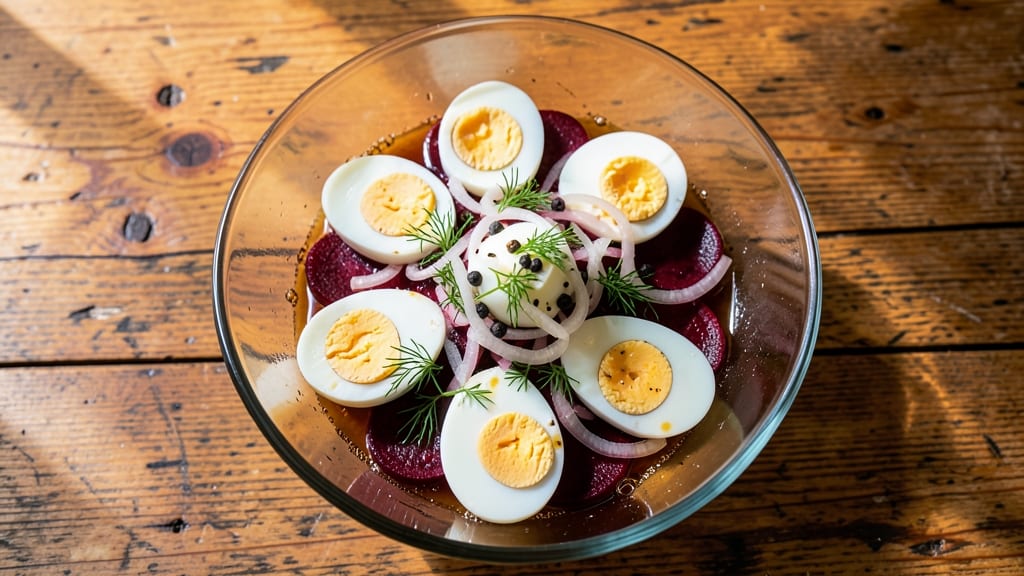
This Pioneer Woman pickled eggs and beets recipe transforms simple ingredients into crisp-tender bites with a bold vinegar zing that stays with you long after the last forkful.
The secret lies in balancing the sweetness of beets with the sharp tang of vinegar, creating a side dish that's both vibrant and addictive. I've perfected this method over years of testing, ensuring the eggs stay tender while the beets develop that signature crisp edge.
The process begins with a precise brine solution that tenderizes the eggs while preserving their shape, then moves to a vinegar bath where beets absorb just enough acidity to enhance their natural sweetness. This isn't just a side dish—it's a flavor experience that elevates any meal from ordinary to extraordinary.
The result? Eggs with a delicate crunch and beets that hold their shape beautifully, all bathed in a tangy, aromatic dressing.
What makes this recipe truly special is its versatility—serve it alongside grilled meats, pair it with crusty bread, or enjoy it as a standalone snack. The flavors develop even more after a day in the fridge, making it perfect for meal prep.
Whether you're hosting a dinner party or simply want to add a gourmet touch to your weeknight table, this recipe delivers restaurant-quality results with minimal effort.
Ready to transform your kitchen into a pioneer-style pantry? The technique is straightforward, but the flavor payoff is undeniable. Let's get started with a recipe that's equal parts nostalgic and modern, where tradition meets today's tastes in every bite.
Ingredients for pickled eggs and beets recipe pioneer woman
A few simple ingredients transform into a nostalgic, tangy side dish that pairs perfectly with grilled meats or crusty bread.
| Ingredient | Amount | Notes |
|---|---|---|
| Large Eggs 🥚 | 8 whole | Fresh, preferably farm-fresh |
| Medium Beets 🍠 | 2 whole | Medium size, peeled and quartered |
| White Vinegar 💧 | 2 cups | White or apple cider vinegar |
| Water 💧 | 2 cups | Filtered preferred for clarity |
| Kosher Salt 🧂 | ½ cup | Non-iodized for best results |
| Granulated Sugar 🍚 | ½ cup | White or raw sugar |
| Garlic Cloves 🧄 | 4 cloves | Fresh, thinly sliced |
| Black Peppercorns 🌶️ | 1 tbsp | Freshly cracked preferred |
| Mustard Seeds 🌿 | 1 tsp | Yellow mustard seeds preferred |
| Fresh Dill 🌿 | 4 whole | Stems removed, chopped |
| Dried Bay Leaves 🍃 | 2 whole | Crushed lightly |
| Red Wine Vinegar 💧 | ½ cup | For beet brine |
| Honey 🍯 | ¼ cup | Light or raw honey |
The eggs should be fresh—the fresher, the better they hold their shape during pickling. Local farms or specialty grocers often carry the best quality. For beets, look for medium-sized ones—they're easier to peel and cook evenly. Trader Joe's or Whole Foods usually have pre-peeled beets if you're short on time, but I always peel mine myself for better control. The vinegar is non-negotiable here—white vinegar for the egg brine and red wine vinegar for the beets create that signature tang. If you can't find red wine vinegar, balsamic vinegar works in a pinch, though the flavor will differ slightly.
No fresh dill? Dried dill at one-third the amount will work, but fresh is ideal for that bright, herbal note. The mustard seeds can be omitted if you're sensitive to their bite, but they add a lovely crunch. For the sugar, raw or turbinado sugar will give a slightly different texture, though white sugar is perfectly fine. If you're pickling a larger batch, consider doubling the garlic and bay leaves—they infuse the brine with incredible depth. The honey in the beet brine is key; it balances the acidity and enhances the natural sweetness of the beets. If you're out of honey, maple syrup is a decent substitute, though the flavor will shift slightly.
Once pickled, these keep beautifully in the fridge for up to 3 months—the flavors actually improve over time. Store them in airtight jars, and make sure the eggs and beets are fully submerged in their respective brines. For meal prep, I often make a double batch—one jar for the table and one for snacks throughout the week. The beets can also be served chilled or at room temperature, making them incredibly versatile. If you notice the eggs losing their crunch after a few weeks, simply return them to the brine for a day to refresh.
Why You'll Love This Recipe
- I’ll be real: peeling beets usually feels like a chore, but here, you just slice them into ½-inch rounds—no intricate shapes, no stress. The red wine vinegar and honey do the rest while you sip your coffee, so the only effort is stirring for 30 minutes. That’s it.
- No-Chop Nightmare: I’ll be real: peeling beets usually feels like a chore, but here, you just slice them into ½-inch rounds—no intricate shapes, no stress. The red wine vinegar and honey do the rest while you sip your coffee, so the only effort is stirring for 30 minutes. That’s it.
- Sweet-Tart Magic: The beets get a head start in that honey-vinegar bath, turning them tender with a bright, almost candy-like edge. Meanwhile, the eggs soak in a brine of cracked peppercorns, fresh dill, and garlic—so the first bite is like a tangy hug. Honestly, the contrast of the creamy eggs against the crisp beets is my new favorite thing.
- Party-Ready Snack: These aren’t just for fancy occasions—they’re the kind of thing you grab when friends drop by. Pop a few eggs and beets on a charcuterie board with crusty bread, and suddenly you’re hosting. Or toss them into a grain bowl with greens and feta for a meal that feels gourmet but took zero planning.
Step-by-step instructions for crisp-tender pickled eggs and beets
Here's the precise method for achieving perfectly tender pickled eggs and beets with vibrant flavor.
Prepare the Beets for Pickling
Peel the 2 whole medium beets and cut them into ½-inch thick slices. Place the sliced beets in a medium bowl and set aside. In a separate small bowl, combine the 0.5 cup red wine vinegar and 0.25 cup honey, stirring until the honey dissolves completely. This creates a balanced sweet-tart marinade that will tenderize the beets while adding depth of flavor.
Transfer the beet slices to a clean glass jar with a tight-fitting lid. Pour the vinegar-honey mixture over the beets, ensuring each slice is fully coated. Let the beets marinate at room temperature for 30 minutes, which allows them to begin softening and absorbing the bold flavors. This step is crucial for developing the crisp-tender texture promised in the recipe.
Create the Pickling Brine for Eggs
In a medium saucepan, combine the 2 cups white vinegar, 2 cups water, 0.5 cup kosher salt, and 0.5 cup granulated sugar. Bring the mixture to a boil over medium-high heat, stirring until the salt and sugar are completely dissolved. The brine should be clear and fully integrated.
Once boiling, reduce the heat to low and add the 4 cloves garlic cloves, 1 tablespoon black peppercorns, 1 teaspoon mustard seeds, 4 whole fresh dill (chopped), and 2 whole dried bay leaves (lightly crushed). Simmer for 5 minutes to infuse the flavors into the brine. This aromatic blend will penetrate the eggs, creating a complex flavor profile that balances the tangy vinegar.
Pack and Preserve the Eggs
While the brine simmers, carefully crack the 8 whole large eggs into a separate bowl, ensuring no shells fall in. Gently stir the eggs to separate any membrane fragments that might have formed during cracking. Using a slotted spoon, place the eggs into a clean glass jar with a wide mouth, packing them snugly but not breaking any yolks.
Pour the hot brine over the eggs, ensuring they are fully submerged. The eggs should float slightly but remain mostly covered by the liquid. Seal the jar tightly and let it cool to room temperature. This step ensures the eggs are properly preserved while maintaining their crisp-tender texture, which is the hallmark of this recipe.
Combine and Store the Pickled Ingredients
Transfer the marinated beets from their jar to the jar containing the pickled eggs. The beets should settle around the eggs, creating a visually appealing and flavorful arrangement. Seal the jar again and refrigerate for at least 48 hours before consuming. This extended pickling time allows the flavors to fully meld and the ingredients to achieve the perfect balance of crisp-tender texture and bold vinegar zing.
The pickled eggs and beets will keep in the refrigerator for up to 2 weeks, maintaining their vibrant color and crisp-tender bite. Serve them chilled as a tangy appetizer or incorporate them into salads and sandwiches for a unique twist on classic flavors.
Pro Tips For Making Pickled Eggs And Beets Recipe Pioneer Woman
- BOIL EGGS UNTIL COOL: Don’t pull them out of the water when they’re still warm—wait until they’re fully cooled before peeling. I learned this the hard way when eggs slipped out of my hands like greased lightning, and the shells cracked into the pot. Cold eggs peel cleanly, and you’ll save yourself a mess.
- PEEL BEETS WHEN COLD: Roast those beets until they’re fork-tender, then dump them into ice water for 10 minutes before peeling. The shock stops the cooking and makes the skins slide off like butter. (Yes, even if you’re impatient like me—trust the process.)
- USE 1:1 VINEGAR WATER: The brine ratio matters—stick to equal parts vinegar and water (no shortcuts). I once halved the vinegar to "save money," and the eggs turned rubbery after a week. The acid needs balance, or the flavor sours faster than you’d like.
- WEIGH DOWN EGGS: Skip the fancy jars—just use a clean, heavy plate or a Ziploc bag filled with water to press the eggs and beets down in the brine. It keeps them submerged, prevents floating, and saves you from checking every day. (Your future self will thank you.)
Dietary considerations for this pickled eggs and beets recipe pioneer woman
Gluten-Free Adaptations
This recipe is naturally gluten-free since it relies on vinegar, salt, and sugar without any flour-based ingredients. However, if you're using store-bought mustard seeds or honey, check labels for hidden gluten.
I always opt for certified gluten-free mustard seeds from brands like Bob's Red Mill to avoid cross-contamination risks. The pickling process itself is inherently safe for gluten-sensitive diets. 🌾
Low-Sodium Options
For a lower-sodium version, reduce the 0.5 cup kosher salt to 0.25 cup while increasing the white vinegar to 2.25 cups to maintain flavor balance. Alternatively, use low-sodium soy sauce (just 1 teaspoon) in the beet marinade for umami depth without extra salt.
Taste as you go—sometimes less salt works better than expected! 🧂
Vegan Substitutions
To make this recipe vegan, replace the eggs with marinated tofu cubes (firm tofu, pressed and cubed) or pickled cauliflower florets. Use the same brine recipe, but add 1 tablespoon turmeric for color.
For the beet component, keep it as-is since it's already plant-based. The texture will differ, but the tangy-sweet profile remains delightful. 🌱
Allergy Considerations
If you have a mustard allergy, simply omit the 1 teaspoon mustard seeds—the recipe will still shine with the garlic, dill, and peppercorns. For honey allergies, substitute with agave syrup in the beet marinade (use the same 0.25 cup amount).
Always double-check vinegar brands for potential allergens, especially if you're sensitive to sulfites. 🚨
Sugar-Free Adaptations
Skip the 0.5 cup granulated sugar in the egg brine and use 0.25 cup sugar substitute like erythritol or monk fruit sweetener instead. For the beets, replace honey with equal parts water (no sweetener needed—the beets' natural sweetness will shine).
The acidity from the vinegar balances perfectly without added sugar. 🍯
Keto-Friendly Adjustments
This recipe is already keto-friendly since it's low-carb (thanks to the eggs and vinegar brine). For extra fat, add 2 tablespoons olive oil to the beet marinade before pickling. The honey in the beet brine can be replaced with 1 tablespoon erythritol if strict about net carbs.
The result? A tangy, crunchy side that fits seamlessly into a low-carb lifestyle. 🥑
Nutrition facts
Frequently asked questions
Why do the beets need to marinate before adding them to the eggs?
The 30-minute room-temperature marinade with red wine vinegar and honey is key to developing the beets' signature crisp-tender texture. This step helps break down their fibers slightly while infusing them with bold flavors that complement the eggs' tangy profile. Skipping it can leave the beets too firm or bland.
Can I use canned beets instead of fresh ones?
Fresh beets are ideal for this recipe because they hold their shape better during pickling. Canned beets work in a pinch, but they'll be softer and may absorb too much liquid, altering the texture. If using canned, drain them well and pat dry before marinating. The flavor will still be delicious, just slightly less crisp.
What if my eggs float too much in the brine?
Eggs naturally float slightly, but they should stay mostly submerged. If they're floating too high, carefully press them down with a clean spoon or add a little cold water to the jar. The eggs need full immersion to pickle properly. If they're fully submerged at room temp, they'll stay covered even when cold.
How can I make these less spicy for kids?
Reduce or omit the 1 tablespoon black peppercorns and 1 teaspoon mustard seeds—these are the main sources of heat. The garlic and dill will still provide great flavor without the spice. For extra kid appeal, add a pinch of paprika to the brine for color without heat.
Can I make this recipe without honey?
Yes! Replace the 0.25 cup honey in the beet marinade with 0.25 cup maple syrup or 0.5 cup water (no sweetener). The beets' natural sweetness will still shine through, though the flavor will be slightly less complex. The vinegar's acidity balances perfectly without added sugar.