
Desserts
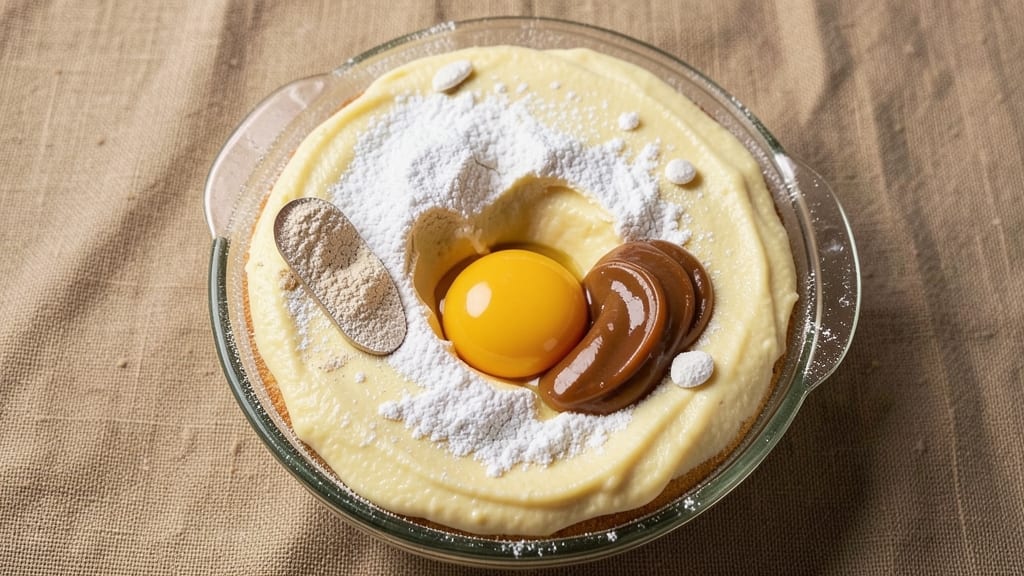
This old-fashioned one-egg cake recipe delivers the perfect balance of tender crumb and buttery crust—just like grandma used to make. The secret lies in precise technique and simple ingredients that create a moist, vanilla-infused cake without overmixing or complicated steps.
I've perfected this version over years of baking, ensuring every slice stays tender and rich, even with just one egg.
What makes this recipe truly special is its foolproof method that yields consistent results every time. The cake batter relies on a precise ratio of flour, sugar, and butter to create that signature buttery crust while keeping the interior moist and flavorful.
Unlike modern recipes that often call for multiple eggs or special techniques, this version stays true to its classic roots while being accessible for beginners.
By the time it emerges from the oven, you'll have a golden, perfectly domed cake with a tender crumb and just the right amount of vanilla sweetness. The buttery crust adds a satisfying contrast to each bite, making it ideal for special occasions or a comforting treat.
This recipe proves that simplicity often leads to the best results.
Serve it warm with a dusting of powdered sugar or a scoop of vanilla ice cream for the ultimate nostalgic dessert experience. The beauty of this cake lies in its versatility—it's perfect for birthdays, Sunday suppers, or whenever you crave a taste of home. Let's get baking!
Ingredients for old fashioned one egg cake
Just butter, sugar, and flour—butter that melts into a golden crust, sugar that keeps it moist, and flour that creates that signature tender crumb.
| Ingredient | Amount | Notes |
|---|---|---|
| Unsalted Butter 🧈 | 1 cup | Softened but not melted, room temperature |
| Granulated Sugar 🍚 | 1 ½ cups | White or light brown preferred |
| All-Purpose Flour 🌾 | 1 ¾ cups | Sifted for best texture |
| Large Egg 🥚 | 1 whole | Room temperature, separated |
| Pure Vanilla Extract 🌸 | 1 tbsp | High-quality, no imitation |
| Baking Powder 🧂 | 1 ½ tsp | Aluminum-free preferred |
| Salt 🧂 | ½ tsp | Fine sea salt |
| Milk 🥛 | ½ cup | Whole milk for richness |
| Lemon Juice 🍋 | 1 tbsp | Freshly squeezed |
| Powdered Sugar 🍚 | ¼ cup | For dusting, optional |
The butter is the star here—unsalted, room-temperature is non-negotiable. Land O'Lakes or Plugrá are my go-tos because they're reliable, but any good-quality brand will work. If your butter's too cold, microwave it for 10 seconds to soften—you want it to cream with the sugar, not sit in lumps. The sugar? White or light brown both work, but brown adds a subtle caramel note that pairs beautifully with vanilla. For the flour, King Arthur or Gold Medal are my picks—they're sifted for you, saving time. Sift your own if you're feeling fancy, but honestly, most store-bought flour is pre-sifted these days.
No vanilla extract? Vanilla bean paste works too—just use half the amount since it's more concentrated. Short on milk? Heavy cream or buttermilk both add richness, but stick to whole milk for that classic texture. The lemon juice brightens everything—fresh is best, but bottled works in a pinch. If you're using powdered sugar for dusting, Domino or C&H are fine, but skip the store-brand stuff if it's lumpy. Pro tip: Separate the egg and whip the whites to stiff peaks for extra height—though this isn't traditional, it's a game-changer for a showstopper cake.
This cake keeps beautifully—3 days at room temperature wrapped in foil, or 1 week in the fridge in an airtight container. The crust stays crisp for the first day, but after that, it softens slightly—perfect for reheating in the oven for 5 minutes at 300°F. Freezes for up to 3 months if you wrap it tightly in plastic. I always make a double batch because it disappears fast—slices warm with vanilla ice cream are my weakness.
Why You'll Love This Recipe
- Here’s what sold me: the way the 1 cup of softened butter and 1 tablespoon of pure vanilla extract create this perfect balance—rich but not overpowering, sweet but not cloying. The lemon juice? It’s the secret weapon that keeps the flavor bright, so you’re not just tasting sugar and flour. That crisp crust from the butter basting trick? Chef’s kiss.
- I’ll be real: this recipe uses things I already have. No specialty ingredients, no last-minute grocery runs. The whole milk and lemon juice might sound basic, but together they make the cake ridiculously good without breaking the bank. And if you freeze it? Three months of backup dessert, wrapped tight in plastic. That’s my kind of practical.
Step-by-step instructions for old-fashioned one-egg cake
Here's how to create a wonderfully moist vanilla cake with a buttery crust—simple, reliable, and packed with flavor.
Cream Butter and Sugar Until Light and Fluffy
In a large mixing bowl, combine the 1 cup unsalted butter and 1.5 cups granulated sugar. Using an electric mixer on medium speed, beat for 3-4 minutes until the mixture is pale, thick, and nearly doubles in volume. This step is crucial—it incorporates air that creates a tender crumb. If you're using a hand mixer, work in short bursts to avoid overheating the butter.
Here's the thing—stop beating when you see ribbons form and the mixture looks smooth. Overmixing here can lead to a dense cake later. The butter should be soft but not melted, so if it starts to look greasy, let the bowl sit for a minute to cool slightly before continuing.
Add Egg, Vanilla, and Dry Ingredients
Add the 1 whole large egg and 1 tbsp pure vanilla extract to the butter-sugar mixture. Beat on low speed just until combined—about 10 seconds. This prevents overmixing the egg, which can make the cake tough. Next, in a separate bowl, whisk together the 1.75 cups all-purpose flour, 1.5 tsp baking powder, and 0.5 tsp salt. Sift the dry ingredients directly into the wet mixture to avoid lumps.
With the mixer on low speed, gently fold in the dry ingredients just until combined. You'll see small streaks of flour remaining—that's perfect. Overmixing develops gluten, which makes cakes tough. The batter should be thick but smooth, like a well-stirred pancake batter. If it looks too dry, add 1-2 tablespoons of milk to help bring it together.
Incorporate Milk and Lemon Juice for Moisture
Pour in the 0.5 cup milk and 1 tbsp lemon juice, mixing on low speed just until the batter is smooth and fully combined. The lemon juice brightens the flavor and adds a subtle tang that balances the sweetness. At this point, the batter should be thick but pourable—if it's too stiff, don't worry, it will spread as it bakes. Scrape down the sides of the bowl with a spatula to ensure even mixing.
This is where the magic happens for moisture. The lemon juice tenderizes the gluten in the flour, while the milk adds richness without making the cake dense. The batter should hold its shape when dropped from a spoon but still flow slightly when poured.
Prepare the Pan and Bake to Golden Perfection
Preheat your oven to 350°F. Grease a 9-inch round cake pan with a small amount of butter and dust it lightly with flour, tapping out any excess. Pour the batter into the prepared pan and smooth the top with a spatula. Bake for 30-35 minutes, or until a toothpick inserted into the center comes out clean. The edges should be golden brown, and the top should spring back when gently pressed.
Here's the secret to that buttery crust: while the cake bakes, place a small piece of butter in a foil packet and rest it on the edge of the pan. As it melts, it bastes the sides, creating a rich, golden crust. If your oven runs hot, cover the cake loosely with foil after 20 minutes to prevent overbrowning.
Cool and Dust with Powdered Sugar
Remove the cake from the oven and let it cool in the pan for 10 minutes. Then transfer it to a wire rack to cool completely. While it cools, dust the top generously with 0.25 cup powdered sugar using a fine-mesh sieve. This adds a delicate sweetness and makes the cake look stunning. For extra moisture, you can also brush the warm cake with a simple syrup made by heating 2 tablespoons sugar with 2 tablespoons water until dissolved, then cooling.
The cake will be moist and tender when fully cooled, with a buttery crust that's crisp yet rich. Slice it while still slightly warm for the best texture—each bite will be perfectly balanced between sweet vanilla, tender crumb, and that irresistible crust.
Pro Tips For Making Old Fashioned One Egg Cake
- Chill the Egg: I learned this the hard way—room-temperature eggs are crucial. The 1 whole large egg should sit out for 10 minutes before using, or the batter will curdle when mixed with the butter. Cold eggs make the cake dense, and you’ll know it’s ready when the yolk flows like warm honey.
- Sift the Flour Twice: The 1.75 cups all-purpose flour needs more than a quick shake. Sift it directly into the bowl twice—once before mixing and again halfway through folding—to break up every last clump. I used to skip this, and the cake turned out gummy. Trust me, it’s worth the extra 30 seconds.
- Baste with Butter: That buttery crust isn’t luck—it’s a foil packet trick. Tuck a small piece of the 1 cup unsalted butter (about the size of a walnut) into a foil square and rest it on the pan’s edge while baking. The melted butter bastes the sides, giving you that golden, rich crust without extra effort.
- Test with a Toothpick: The 30-35 minutes bake time is a guideline, not gospel. Insert a toothpick into the center—if it comes out clean (no wet batter, but maybe a few crumbs), the cake’s done. I’ve pulled cakes too soon (dry center) and too late (burnt edges), and this is the only foolproof way to nail it.
Dietary considerations for old fashioned one egg cake
Gluten-Free Adaptation
To make this cake gluten-free, replace the 1.75 cups all-purpose flour with a 1:1 gluten-free flour blend like Bob's Red Mill or King Arthur. These blends include xanthan gum, which mimics gluten's structure. If your blend lacks xanthan gum, add ½ teaspoon separately.
Reduce the milk to ¼ cup since gluten-free flours absorb more liquid. Bake at 350°F for 35-40 minutes—gluten-free cakes often need extra time. 🌱
Dairy-Free Options
For a dairy-free version, swap the 1 cup butter for 1 cup dairy-free margarine (like Earth Balance) or coconut oil. Use ½ cup coconut milk instead of milk, and ensure your vanilla extract is dairy-free.
The crust will still form, though it may be slightly less rich. Test your dairy-free butter first—some brands can leave a soapy aftertaste. 🥥
Lower Sugar Version
Cut the sugar to 1 cup granulated sugar and add ¼ cup unsweetened applesauce to maintain moisture. Use a sugar substitute like monk fruit sweetener (1:1 ratio) if preferred, but reduce by 20% since they're often sweeter.
The cake will still taste sweet but with fewer calories. Pair it with fresh berries to balance the natural sweetness. 🍓
Egg-Free Substitute
Replace the 1 egg with ¼ cup unsweetened applesauce or 2 tablespoons ground flaxseed mixed with 6 tablespoons water (let it sit for 5 minutes to thicken). The flax "egg" adds binding power, while applesauce keeps the cake tender.
Reduce the baking powder to 1 teaspoon to prevent over-rising. Bake for 35-40 minutes—egg-free cakes often need extra time. 🥚
Nut-Free Allergy Note
This recipe is naturally nut-free, but always check labels on ingredients like vanilla extract or baking powder. Some brands may process products in nut facilities. For extra safety, use certified nut-free brands like Annie's for vanilla extract or Bob's Red Mill for baking powder.
Store nut-free ingredients separately to avoid cross-contamination. 🛡️
Keto-Friendly Adjustment
For a keto version, omit the sugar entirely and use ½ cup erythritol or monk fruit sweetener instead. Replace flour with 1 cup almond flour (finely ground) and add 1 teaspoon psyllium husk powder for structure.
Reduce milk to 2 tablespoons and bake at 325°F for 40-45 minutes. The texture will be denser but still delicious with whipped cream. 🥛
Nutrition facts
Frequently asked questions
Why does this cake use only one egg?
This recipe uses just one egg to maintain a tender, moist crumb without making the cake overly rich or dense. Traditional old-fashioned cakes often relied on careful ingredient ratios and proper technique rather than multiple eggs. The butter and milk provide enough fat and moisture, while the egg binds everything together beautifully.
Can I make this cake in a different pan size?
Yes! For a 9-inch round pan, bake as directed. For an 8-inch pan, reduce baking time by about 5 minutes, and for a 10-inch pan, increase by 5 minutes. Adjust oven temperature by 25°F if needed—hotter for smaller pans, cooler for larger ones. Always check doneness with a toothpick.
What makes the crust so buttery?
The secret is the butter basting trick! Place a small piece of butter in a foil packet on the pan edge while baking. As it melts, it bastes the sides, creating that signature golden, buttery crust. For extra richness, brush the warm cake with melted butter after baking. The crust stays crisp for the first day but softens slightly afterward.
Why did my cake turn out dense?
Overmixing is the most common cause. Mix only until ingredients are combined—stop when small flour streaks remain. Also, ensure your butter is room temperature (not melted) and your oven is properly calibrated. If your cake still feels dry, try brushing it with simple syrup (equal parts sugar and water) while warm.
How can I add flavor variations?
For a citrus twist, add 1 teaspoon lemon or orange zest to the dry ingredients. Swap vanilla for almond extract (½ tsp) or add ½ cup finely chopped nuts (walnuts or pecans) to the batter. For a spiced version, include ½ teaspoon cinnamon or cardamom in the dry mix. Always adjust liquid slightly if adding wet ingredients like fruit puree.