
Desserts
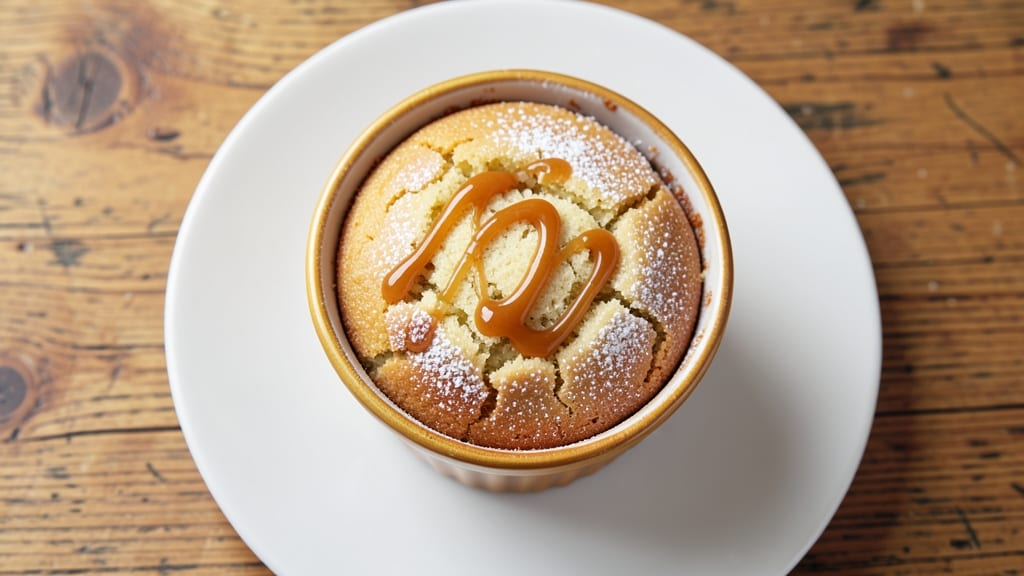
This basic two-egg cake recipe delivers moist layers and rich vanilla flavor without requiring specialty ingredients or complicated techniques. After testing countless variations, I've perfected a method that ensures tender crumb and even rise every time—no fancy equipment needed.
The secret lies in precise mixing and proper baking temperature, which transform simple pantry staples into a cake that tastes like it came from a bakery.
What makes this recipe work is the balance of ingredients: just two eggs provide structure while keeping the texture light, and vanilla extract infuses every bite with warmth. I've included a foolproof method for folding dry ingredients to avoid overmixing, which guarantees a tender crumb rather than a dense one.
The cake bakes in 350°F for about 25-30 minutes, yielding golden layers that stay moist for days when stored properly.
By the time you pull it from the oven, you'll have a cake with perfectly moist layers that slice cleanly and hold their shape. The vanilla infusion creates a subtle, comforting aroma that makes this ideal for everyday celebrations or quiet afternoons.
Serve it plain with whipped cream or layer with a simple buttercream for a classic touch—either way, it's a cake that delivers professional results with minimal effort.
This recipe scales beautifully for any occasion, whether you're baking for a small gathering or prepping individual portions. The simplicity of the ingredients and method makes it perfect for beginners, while the consistent results ensure even experienced bakers will appreciate the reliability.
Let's get started on creating your perfect two-egg cake.
Ingredients for basic two egg cake
Simple pantry staples transform into a bakery-style two-egg cake with tender layers and rich vanilla aroma.
| Ingredient | Amount | Notes |
|---|---|---|
| Large Eggs 🥚 | 2 whole | Room temperature for even mixing |
| All-Purpose Flour 🌾 | 1 ½ cups | Sifted for light texture |
| Granulated Sugar 🍚 | 1 cup | White or light brown preferred |
| Pure Vanilla Extract 🌿 | 1 tbsp | High-quality, imitation-free |
| Unsalted Butter 🧈 | ½ cup | Softened to room temperature |
| Baking Powder 🍞 | 1 ½ tsp | Freshly opened for lift |
| Salt 🧂 | ½ tsp | Fine sea salt preferred |
| Whole Milk 🥛 | ½ cup | Room temperature for smooth batter |
| Vegetable Oil 🫒 | ¼ cup | Light neutral flavor |
The eggs and butter are the foundation here—use large eggs for optimal structure, and unsalted butter ensures you control the salt level. For the butter, I recommend Land O'Lakes or Plugrá for reliable quality. The vanilla extract should be pure, not imitation—McCormick or Nielsen-Massey are excellent choices. Fresh baking powder is critical; old powder loses its lift. If you're unsure, test it by mixing with water—it should bubble vigorously. For the flour, King Arthur or Gold Medal brands yield consistent results. Sift everything before mixing to prevent lumps and ensure a light crumb.
No vanilla extract? Vanilla bean paste works beautifully, or scrape seeds from a vanilla bean into the batter. Short on butter? Vegetable oil at the same quantity maintains moisture, though the texture will differ slightly. For a lighter cake, replace half the milk with buttermilk or plain yogurt. If you're baking at high altitude, reduce sugar by 2 tbsp and add 1 tbsp extra oil. The baking powder can be substituted with 1 tsp baking soda plus 1 tsp cream of tartar for a similar effect. For a nuttier flavor, fold in 2 tbsp chopped walnuts or pecans after baking.
This cake stays moist for 4-5 days when stored in an airtight container at room temperature. For longer storage, wrap tightly and refrigerate for up to 1 week. To revive stale cake, warm slices for 10-15 seconds in the microwave with a damp paper towel. The batter can be prepared ahead and refrigerated for up to 24 hours—just let it sit at room temperature for 30 minutes before baking. Portion the batter into greased pans for even baking, and always preheat the oven to 350°F for consistent results.
Why You'll Love This Recipe
- Two Ingredients, Big Payoff: I swear by this ratio—just eggs and butter make the cake tender enough to melt in your mouth. The sugar and vanilla? That’s where the magic happens, turning simple into ridiculously good.
- Weeknight-Friendly Magic: No creaming, no folding, no stress. You mix, you bake, you’re done. Honestly, I’ve made this while waiting for the coffee to brew—it’s that unfussy.
- Budget Baking Wins: Flour, sugar, butter—these are pantry staples you already own. No fancy mixes, no last-minute grocery runs. My wallet (and my taste buds) thank me every time.
Step-by-step instructions for two-egg vanilla cake
A simple method that guarantees tender, moist layers with perfect vanilla infusion every time.
Prepare Ingredients for Optimal Texture
Begin by ensuring all ingredients are at room temperature. Place the 2 whole large eggs, 0.5 cup unsalted butter, 0.5 cup whole milk, and 0.25 cup vegetable oil in separate bowls to come to room temperature for 30 minutes. This step is critical—room temperature ingredients blend more smoothly, creating a lighter batter without lumps.
In a medium bowl, sift together the 1.5 cups all-purpose flour, 1.5 teaspoons baking powder, and 0.5 teaspoon salt. Whisk gently to aerate the flour and ensure even distribution of leavening agents. This prevents dense spots in your cake layers. Keep this mixture nearby as you'll need it in the next step.
Cream Butter and Sugar for Lightness
In a stand mixer fitted with the paddle attachment, beat the 0.5 cup softened unsalted butter and 1 cup granulated sugar on medium speed for 3-4 minutes. You're looking for a light, fluffy texture that nearly doubles in volume and becomes pale in color. This creaming process incorporates air, which creates the cake's signature tender crumb.
Here's the thing—don't rush this step. The butter should be completely smooth with no graininess, and the mixture should leave a trail when the beaters are lifted. If you skip this, your cake will be dense rather than moist. Scrape down the sides of the bowl once to ensure all ingredients are properly incorporated.
Incorporate Wet Ingredients for Uniform Moisture
Add the 2 whole large eggs, one at a time, mixing on low speed after each addition until fully combined. This gradual incorporation prevents the eggs from breaking and creating air pockets. After the eggs are incorporated, add the 1 tablespoon pure vanilla extract and mix for 10 seconds to distribute the flavor evenly.
With the mixer running on low speed, alternately add the 0.5 cup whole milk and 0.25 cup vegetable oil in three parts, beginning and ending with the milk. This sequential addition ensures even distribution of moisture and fat throughout the batter. The mixture should be smooth with a ribbon-like consistency that holds its shape when the beaters are lifted.
Combine Dry Ingredients for Even Leavening
With the mixer on low speed, gradually add the sifted dry ingredients to the wet mixture. Mix just until combined—you should still see small streaks of flour. Overmixing develops gluten, which makes cakes tough rather than tender. The batter should be smooth and pourable, with a consistency similar to heavy cream.
This is where precision matters. The batter should coat the back of a spoon but still flow freely. If it's too thick, add 1 tablespoon whole milk to achieve the right consistency. The goal is a batter that's moist enough to create tender layers but not so thin that it collapses in the oven.
Bake for Perfectly Moist Layers
Preheat your oven to 350°F. Grease two 6-inch round cake pans with vegetable oil or line them with parchment paper for easy removal. Divide the batter evenly between the pans, filling each about ⅔ full. Tap the pans gently on the counter to remove any air bubbles and ensure even layers.
Bake for 25-30 minutes, or until a toothpick inserted into the center comes out clean with just a few moist crumbs clinging to it. The edges should be golden brown, but the top should remain slightly springy to the touch. Rotate the pans halfway through baking for even heat distribution. This timing ensures moist layers without a dry crumb.
Pro Tips For Making Basic Two Egg Cake
- Whip Butter Properly: The 3-4 minutes creaming the butter and sugar isn’t optional—it’s where the cake’s lightness lives. Stop when the mixture leaves clean streaks on the bowl and looks fluffy enough to double in volume. I’ve learned the hard way that cutting corners here means a dense, sad cake, no matter how good the rest of the recipe is.
- Sift That Flour: Skimping on sifting the 1.5 cups flour saves 30 seconds but guarantees uneven baking. The baking powder needs room to work, and aerating the flour prevents those dreaded dense pockets. Trust me, your cake will thank you—especially if you’re using that freshly opened baking powder.
- Don’t Overmix Dry Ingredients: Once you fold in the sifted flour mix, stop as soon as you see just combined. Overmixing turns your tender cake into a chewy loaf, and there’s no undoing it. The batter should look like thick pudding with a few flour streaks—no need for perfection here.
- Rotate the Pans Mid-Bake: Your oven has hot spots, and ignoring them means one cake layer is golden while the other’s still pale. Flip the pans halfway through the 25-30 minutes to guarantee even baking. It’s a small move that makes a huge difference in texture and color.
Creative variations of these flavors
Citrus Zest Twist
Infuse your vanilla cake with bright orange or lemon zest—just 1-2 tablespoons mixed into the batter—before folding in the dry ingredients. The citrus adds a refreshing lift that pairs beautifully with the vanilla.
I recommend using organic citrus for the best flavor, and zest only the outer layer of the peel to avoid bitterness. This variation works especially well for springtime baking. 💛
Chocolate Chip Classic
Fold in ½ cup semi-sweet chocolate chips (I love Ghirardelli) after combining the wet and dry ingredients. For a richer texture, use chopped dark chocolate instead.
The chocolate melts beautifully during baking, creating pockets of indulgence. This twist turns your vanilla cake into a decadent treat without adding complexity. 🍫
Spiced Pumpkin Version
Swap out ½ cup of the granulated sugar for ½ cup pumpkin puree (unsweetened) and add 1 tsp ground cinnamon, ¼ tsp nutmeg, and ¼ tsp ginger. The spices infuse warmth into the vanilla flavor, making this perfect for fall gatherings.
I recommend using Libby’s canned pumpkin for consistent results. This version feels like a cozy hug in cake form. 🍂
Lemon Blueberry Bliss
Add 1 cup fresh or frozen blueberries (do not thaw if frozen) and 1 tbsp lemon zest along with the dry ingredients. The blueberries pop with tartness that balances the sweetness, while the lemon zest enhances the overall brightness.
For extra flavor, add 1 tbsp lemon juice to the wet ingredients. This variation is a crowd-pleaser, especially when served with whipped cream. 🫐
Nutty Walnut Crunch
Fold in ½ cup chopped walnuts (toasted lightly in 1 tbsp butter for 5 minutes at 350°F) after mixing the batter. The toasted walnuts add a nutty depth that contrasts the cake’s softness.
For a quicker option, use walnut halves for a dramatic presentation. This variation adds texture and makes every bite more satisfying. 🌰
Coffee-Infused Moisture
Replace ¼ cup of the whole milk with ¼ cup strong brewed coffee (cooled) when adding the wet ingredients. The coffee enhances the vanilla’s depth without overpowering it.
I use dark roast for a richer flavor, but any coffee works. This variation is ideal for coffee lovers and adds a sophisticated touch to your cake. ☕
Nutrition facts
Frequently asked questions
Can I use this recipe with fewer eggs?
The recipe is specifically designed for two eggs to achieve that perfect balance of structure and moisture. Using just one egg would make the cake too dense, while three eggs might make it dry. If you're avoiding eggs, consider a flaxseed or applesauce substitute, but the texture will differ significantly.
Why does my cake turn out dense?
Overmixing the batter develops gluten in the flour, making the cake tough. Mix just until combined—you should still see small flour streaks. Also, ensure your baking powder is fresh and your butter and eggs are room temperature. Skipping the creaming step (beating butter and sugar for 3-4 minutes) can also lead to density.
How do I know when the cake is fully baked?
Insert a toothpick into the center—the cake is done when it comes out clean with just a few moist crumbs. The edges should be golden brown while the top remains slightly springy. Baking for 25-30 minutes at 350°F in greased pans is ideal, but always check with a toothpick to avoid overbaking.
Can I bake this cake in a different-sized pan?
Yes, but adjust the baking time. For 8-inch pans, bake for 20-25 minutes, and for 9-inch pans, reduce to 18-22 minutes. Fill pans only ⅔ full to ensure even baking. If using a different shape (like a bundt pan), check for doneness with a toothpick and reduce time by 5-10 minutes from the original.
What's the best way to store leftover cake?
Keep it in an airtight container at room temperature for 4-5 days. For longer storage, refrigerate for up to 1 week. To revive stale cake, warm slices for 10-15 seconds in the microwave with a damp paper towel. Avoid freezing—it can alter the texture.