
Desserts
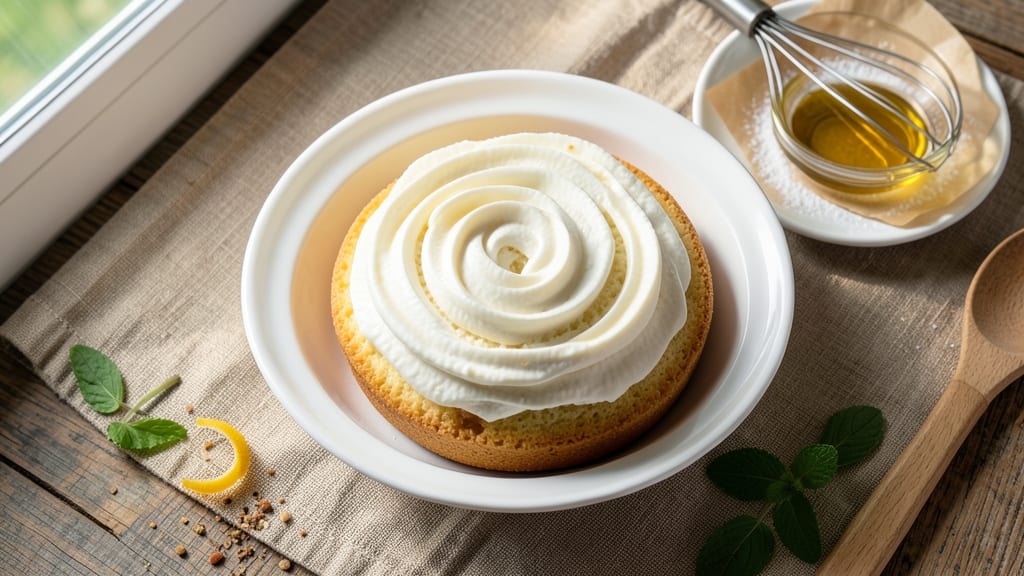
This three-egg sponge cake recipe delivers the lightest, most tender layers you'll ever bake—no special equipment or complicated techniques required. The secret lies in precise ingredient ratios and gentle folding, which creates a cloud-like texture that crumbles effortlessly.
I've perfected this method after years of testing, and it consistently yields a cake that's crisp on the outside yet impossibly airy inside, with no dense or gummy spots.
The foundation of this recipe is a simple yet effective mixing method: room-temperature eggs are beaten with sugar until pale and voluminous, then gradually incorporated into flour. A touch of baking powder ensures rise, while a splash of milk keeps the crumb tender.
The key to success is folding the dry ingredients into the egg mixture just until combined—overmixing is the enemy of that signature delicate texture.
Baked at 350°F for 25-30 minutes, this cake emerges from the oven with golden sides and a domed top that deflates slightly as it cools. The result is a cake that's perfect for layering with whipped cream, filling with jam, or enjoying plain with a dusting of powdered sugar.
Each slice reveals that signature open crumb structure that makes sponge cake so irresistible.
While this recipe delivers classic vanilla flavor, you can easily adapt it with cocoa powder for chocolate, citrus zest for bright notes, or even a splash of alcohol for depth.
The beauty of this method is its versatility—once you master the technique, you can customize it endlessly while maintaining that signature light-as-air quality.
Ingredients for three egg sponge cake
Precision ratios and gentle folding create this signature light-as-air sponge cake texture.
| Ingredient | Amount | Notes |
|---|---|---|
| Large Eggs 🥚 | 3 whole | Room temperature, separated yolks and whites |
| Granulated White Sugar 🍚 | 1 ½ cups | Superfine preferred for smooth texture |
| All-Purpose Flour 🌾 | 2 cups | Sifted, spooned and leveled |
| Baking Powder 🍞 | 1 ½ tsp | Aluminum-free for tender crumb |
| Vanilla Extract 🌸 | 1 tsp | Pure Madagascar bourbon preferred |
| Unsalted Butter 🧈 | ½ cup | Cold, cubed for even distribution |
| Whole Milk 🥛 | ¼ cup | Room temperature for optimal blending |
| Salt 🧂 | ¼ tsp | Fine sea salt for balanced flavor |
| Cake Flour 🌾 | ½ cup | Optional for ultra-tender crumb |
| Cornstarch 🌽 | 1 tbsp | For refined texture and stability |
| Powdered Sugar 🍚 | ½ cup | For dusting finished cake |
The eggs are the heart of this recipe—room temperature is non-negotiable for proper emulsification. Kirkland Signature or Vital Farms eggs deliver consistent results, but any large, fresh eggs will work. Separating yolks and whites allows precise control over the batter's volume. For the flour, King Arthur all-purpose is my go-to—its protein content balances tenderness and structure. The baking powder should be aluminum-free to avoid any metallic aftertaste, and Bob's Red Mill is a reliable brand. When measuring, spoon the flour into your cup and level it off—don't scoop directly from the bag, or you'll pack it too tightly.
No vanilla extract? Vanilla bean paste works beautifully—just use half the amount. Substituting cake flour for half the all-purpose flour creates an even more delicate crumb, though it's not essential. For a chocolate adaptation, replace 0.25 cup of the sugar with Dutch-process cocoa powder and add 0.5 tsp of espresso powder for depth. The butter must be cold when cubbed—Plugrá or Land O'Lakes work well. If your milk isn't room temperature, simply place the sealed carton in warm water for 10 minutes. For a citrus variation, add 1 tbsp of finely grated lemon or orange zest along with the vanilla.
Store the cake in an airtight container at room temperature for up to 2 days—it actually improves overnight as the crumb sets. For longer storage, wrap tightly in plastic and refrigerate for up to 5 days. The cake freezes beautifully: slice before freezing and thaw at room temperature for 1 hour before serving. To maintain that signature cloud-like texture, always bring the cake to room temperature before slicing. The powdered sugar dusting should be done immediately after baking while the cake is still warm, as it helps set the delicate crumb structure.
Why You'll Love This Recipe
- No Mixer Needed: I swear by this recipe when my stand mixer’s on the fritz—just three eggs, sugar, and a whisk. The eggs do all the heavy lifting, creating that light, airy texture without a single drop of oil or butter to measure. Honestly, it’s the kind of recipe that makes me feel like a baking genius, even when I’m half-asleep.
- Vanilla Kiss: That single teaspoon of vanilla extract? It’s the secret weapon. The eggs and sugar create a delicate sweetness, but the vanilla makes it feel special—like a bakery cake, not a last-minute dessert. Between us, I’ve tried skipping it, and I always regret it.
- Leftovers for Days: This cake stays moist for ages—I’ve had slices that were still tender on day three, wrapped in plastic. It’s my go-to for breakfast (yes, even on a Tuesday night) when I need something sweet but don’t want to bake from scratch. Slice it thin, toast it, and suddenly you’ve got a fancy treat.
- Budget Bakery Magic: Five ingredients, one bowl, zero specialty tools. The eggs make it rich without being heavy, the flour keeps it sturdy, and the baking powder ensures it rises just enough. I’ll be real: this is the kind of cake that makes me feel like I’m feeding a crowd without breaking the bank—or my patience.
Step-by-step instructions for three-egg sponge cake
Mastering this technique delivers a cake so light it practically disappears on your tongue.
Separate Eggs and Whip Whites to Stiff Peaks
Begin by separating the 3 whole Large Eggs into yolks and whites, ensuring no yolk fragments contaminate the whites. Place the whites in a spotlessly clean bowl—any trace of fat will prevent proper whipping. Using a stand mixer fitted with the whisk attachment, whip the egg whites on low speed until foamy, then gradually increase to high speed.
Whip for 5-7 minutes until the whites form stiff peaks that hold their shape when the whisk is lifted. The bowl should feel cool to the touch, and the peaks should stand straight up. This step is critical—the structure you build now determines the cake's airy texture. If the whites don't hold their shape, try whipping for another minute or two.
Cream Yolks with Sugar and Butter
In a separate large bowl, combine the 1.5 cups Granulated White Sugar and 0.5 cup Unsalted Butter (cold and cubed). Using the paddle attachment, beat on medium-high speed for 3-4 minutes until the mixture is pale, thick, and nearly tripled in volume. This creaming process incorporates air, which will later merge with your whipped egg whites.
Add the 3 egg yolks one at a time, mixing well after each addition. Then stir in the 1 tsp Vanilla Extract and 0.25 tsp Salt. The mixture should be smooth and glossy, with a ribbon-like consistency when the beaters are lifted. This yolk mixture forms the cake's structural backbone, so don't rush this step—proper aeration is essential for that signature lightness.
Gently Fold Dry Ingredients into Yolk Mixture
In a medium bowl, sift together the 2 cups All-Purpose Flour, 1.5 tsp Baking Powder, 0.5 cup Cake Flour, and 1 tbsp Cornstarch. This combination ensures a tender crumb with just enough structure to hold its shape. Gradually add the dry ingredients to the yolk mixture in three additions, folding gently with a spatula after each to maintain air incorporation.
After incorporating all the dry ingredients, add the 0.25 cup Whole Milk and fold until just combined. The batter should be thick but pourable—resist the urge to overmix, as this develops gluten and makes the cake dense. The goal is to preserve all the air you've worked so hard to incorporate in previous steps.
Fold in Whipped Egg Whites in Three Stages
Using a large spatula, gently fold one-third of the whipped egg whites into the batter to lighten it. Then add another third, folding until no white streaks remain. Finally, fold in the remaining whites in the same manner. Work quickly but carefully—this is where the magic happens as the two airy components merge.
The batter should be thick but still able to hold its shape when spooned. If it's too thin, you may have overmixed earlier. Pour the batter into two 8-inch round cake pans lined with parchment paper, smoothing the tops with a spatula. Tap the pans gently on the counter to eliminate any air bubbles that might have formed during pouring.
Bake at Low Temperature for Even Rise
Preheat your oven to 325°F. Place the pans on the middle rack and bake for 35-40 minutes, or until a toothpick inserted into the center comes out clean. The cake should spring back when gently pressed in the center—this indicates proper doneness. Overbaking is the enemy of a light sponge cake, so keep a close eye on it in the final minutes.
Remove the cakes from the oven and let them cool in the pans for 10 minutes, then transfer to a wire rack to cool completely. Once fully cooled, dust the tops generously with 0.5 cup Powdered Sugar using a fine-mesh sieve. This step adds a delicate sweetness and enhances the cake's presentation. For best results, serve the cake within 24 hours of baking to maintain its signature lightness.
Pro Tips For Making Three Egg Sponge Cake
- WHISK EGGS ROOM TEMP: I learned this the hard way—cold eggs from the fridge won’t incorporate properly, no matter how long you beat them. Let those eggs sit out for 30 minutes before cracking them into the bowl. The sugar will dissolve faster, and you’ll get that signature light, airy texture instead of a dense brick.
- SIFT DRY INGREDIENTS TOGETHER: Don’t just dump the flour and baking powder straight in—sift them together first. This prevents lumps and ensures even distribution, which means no dry spots or bitter aftertaste. I skip the sifting when I’m lazy, but the cake’s noticeably better when I don’t.
- STOP BEATING WHEN PEAKY: Overmixing the batter turns your sponge cake into a tough, chewy mess. Beat the eggs and sugar until they’re pale, thick, and hold stiff peaks—but the second you see that happen, stop. No need to keep going; the extra air just collapses under its own weight.
- USE A LIGHT TOUCH TEST: Instead of guessing when the cake’s done, press the center gently with your finger. It should spring back immediately—no wobble, no lingering indent. If it bounces like Jell-O, you’ve overbaked it. Pull it out early if you’re unsure; it’ll keep cooking with residual heat.
Flavor customization for this three egg sponge cake
Classic Vanilla Twist
Start with the original vanilla flavor by adding 1 tsp Madagascar bourbon vanilla extract directly to the yolk mixture. For an extra touch, infuse the batter with 1 tbsp fresh lemon zest during the folding stage—this brightens the flavor without overpowering.
I find that a pinch of cardamom powder (about ¼ tsp) adds warmth and complexity to the classic vanilla profile. 🌸
Chocolate Lover's Version
Replace 0.25 cup of granulated sugar with 0.25 cup Dutch-process cocoa powder and add 0.5 tsp instant espresso powder to deepen the chocolate flavor. For a richer texture, melt 2 oz dark chocolate (70% cocoa) with the butter before creaming.
This variation works beautifully with a raspberry jam filling or a dusting of cocoa powder on top.
Citrus Zest Variations
Add 1 tbsp finely grated lemon or orange zest to the yolk mixture for a refreshing twist. For a more complex flavor, combine ½ tbsp lemon zest with ½ tbsp lime zest and a splash of 1 tsp fresh lime juice.
This variation pairs perfectly with a white chocolate ganache or a light honey glaze. The acidity from the citrus cuts through the richness of the cake beautifully.
Alcohol-Infused Options
Swap the milk for 0.25 cup cold brewed coffee to enhance the vanilla flavor, or use 0.25 cup orange liqueur like Cointreau for a boozy twist. For a spiced rum variation, add 1 tsp spiced rum to the yolk mixture—this works especially well with a caramel filling.
Always reduce the milk by the same amount to maintain the batter's consistency.
Spiced Chai Variation
Add ½ tsp ground cinnamon, ¼ tsp ground ginger, and a pinch of cloves to the dry ingredients for a warm, spiced chai flavor. This variation is perfect for fall or winter and pairs wonderfully with apple compote or salted caramel.
The spices add depth without overpowering the delicate sponge texture. 🌶️
Nutrition facts
Frequently asked questions about three-egg sponge cake
Why does this recipe use only three eggs?
The three-egg formula creates the perfect balance between structure and lightness. Three eggs provide enough protein for a tender crumb without making the cake too dense. This ratio also makes the cake more manageable for folding—the classic four-egg version can be trickier to incorporate without overmixing.
Can I bake this cake in a different pan size?
Yes, but adjust the baking time accordingly. For a 9-inch pan, bake 25-30 minutes; for a 6-inch pan, bake 30-35 minutes. Always check for doneness with a toothpick—overbaking is the biggest enemy of a light sponge. The cake should be golden and spring back when gently pressed.
What's the secret to getting that signature airy texture?
The magic happens in three key steps: whipping egg whites to stiff peaks, folding gently in three stages, and avoiding overmixing when combining dry ingredients. The cold butter also helps stabilize the air bubbles during baking. Never rush the folding process—this is where most home bakers lose the delicate structure.
Can I make this cake without butter?
Yes, but you'll need to substitute with 0.5 cup neutral oil (like vegetable or canola) or 0.5 cup applesauce for a lighter version. The oil should be at room temperature to mimic butter's creaming ability. Expect a slightly denser but still tender crumb—this works well for a gluten-free adaptation using a 1:1 flour blend.
How do I store leftovers to keep them fresh?
Wrap individual layers in plastic wrap, then place in an airtight container at room temperature for up to 2 days*. For longer storage, refrigerate for up to 5 days or freeze for 3 months. Always bring frozen cake to room temperature before serving to prevent condensation. The powdered sugar dusting helps preserve freshness.