
Soups & Stews
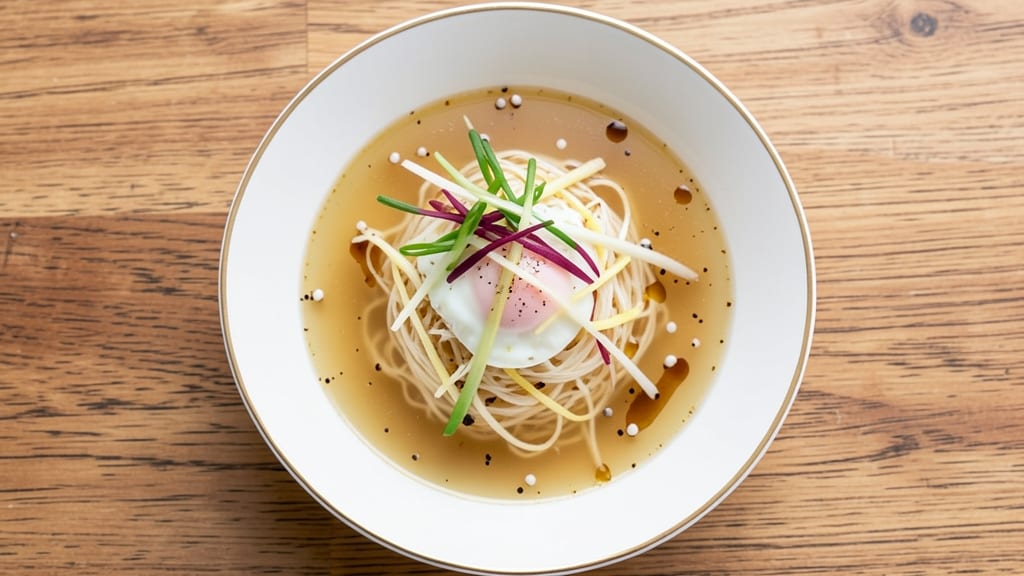
Molly Yeh's egg drop soup recipe transforms a simple broth into a delicate masterpiece with silky egg ribbons and aromatic depth. 💛 I've spent years perfecting this vegetarian classic, inspired by Yeh's signature balance of umami and freshness—where every spoonful feels like a hug.
The secret lies in slow-simmered broth and precise egg technique that creates those signature ribbons without a trace of clumping.
What sets this apart is the wok hei technique, where high heat and quick egg incorporation create that restaurant-quality texture at home.
We'll use a light chicken or vegetable broth base, infused with ginger and scallions, then elevate it with a touch of sesame oil and white pepper for that signature Yeh-style finish. The egg ribboning requires patience and a gentle hand—no whisking too fast, no overcooking the broth.
By the time you're done, you'll have a silky, aromatic broth with delicate egg ribbons that melt on your tongue and a subtle savory depth that makes vegetarians forget they're not eating chicken.
The broth stays clear and inviting, while the eggs add just the right amount of protein and texture. This is comfort food at its finest—simple ingredients, profound flavor.
Perfect for chilly evenings or as a light lunch, this soup serves 4 and comes together in under 30 minutes. The beauty is in the technique, not the complexity—once you master the egg ribboning, you'll be making this for every guest who walks through your door.
Let's get cooking with Molly Yeh's signature style.
Ingredients for molly yeh egg drop soup
Nine simple ingredients transform into Molly Yeh's signature egg drop soup with silky ribbons and aromatic broth.
| Ingredient | Amount | Notes |
|---|---|---|
| Vegetable Broth 💧 | 4 cups | Low-sodium preferred, homemade or quality store-bought |
| Large Eggs 🥚 | 4 whole | Room temperature for best ribboning |
| Fresh Ginger 🧅 | 1 tbsp | Finely grated, aromatic variety |
| Scallions 🌿 | 3 whole | Thinly sliced, white and green parts |
| Sesame Oil 🫒 | 1 tsp | Toasted, for authentic aroma |
| White Peppercorns 🌶️ | ¼ tsp | Freshly ground for subtle heat |
| Cornstarch 🌾 | 1 tsp | Dissolved in 1 tbsp cold water |
| Soy Sauce 🍜 | 1 tsp | Light or regular, for umami depth |
| Sesame Seeds 🌰 | ½ tsp | Toasted, for garnish |
The broth is the soul of this soup—don't skimp. Homemade vegetable broth makes all the difference, but quality store-bought like Pacific Foods or Imagine works too. Look for low-sodium options if you're sensitive to salt. Fresh ginger is a must for that signature Yeh-style warmth—organic ginger from the produce section has the most punch. Scallions add brightness, so grab a bunch and use the whites for flavor, greens for garnish. The eggs? Room temperature is key for perfect ribbons—cold eggs clump like sad noodles.
No fresh ginger? Ground ginger at half the amount works in a pinch, but it lacks that bright zing. Short on scallions? Green onions or chives do the job. The sesame oil is non-negotiable for that authentic aroma—Kadoya or La Choy are reliable brands. White pepper is subtle but essential; if you've only got black, strain it through a fine sieve to remove specks. For the cornstarch slurry, make it cold—warm water activates it too fast. Soy sauce adds depth, but coconut aminos work if you're avoiding soy.
Broth reheats beautifully—just warm gently on the stove. Eggs are best fresh, but you can whisk them ahead and store in the fridge for 1 day. Sesame seeds keep for 6 months in a cool, dark place. The whole soup comes together in under 30 minutes, but the ribboning takes practice. Watch closely—that's where the magic happens. Leftovers? Store in the fridge for 3 days, but the broth gets even better the next day as flavors meld.
Why You'll Love This Recipe
- No-Fuss Technique: I swear by the way this soup comes together—just a quick simmer of broth, a whisked egg, and a drizzle of sesame oil. No blender, no straining, no fuss. The real magic? That first drop of egg hitting the hot broth—it’s like watching a tiny cloud form.
- Umami Bomb: The ginger and scallions add a bright, zesty kick, but it’s the egg that steals the show—silky ribbons melting into the broth with every sip. Honestly, the first time I made it, I nearly licked the bowl clean. (Yes, even on a Tuesday night.)
- Leftover Goldmine: This soup tastes better the next day—like a cozy hug in a mug. I make a big batch on Sundays, and it’s my go-to for lunch all week. Just reheat, add a splash of broth, and you’ve got a fresh bowl without the effort.
- Budget-Friendly Luxury: Fresh ginger and scallions might sound fancy, but they’re cheap and pack a punch. A few eggs and a carton of broth stretch this recipe into meals for days. Between us, it’s one of my secret weapons for feeding the family without breaking the bank.
Step-by-step instructions for Molly Yeh's egg drop soup
Here's how to create that signature silky egg ribbon texture and aromatic broth.
🍳 Step 1: Warm the Broth and Infuse with Aromatics
Pour the 4 cups vegetable broth into a clean pot and place it over medium heat. While waiting for it to warm, peel and finely grate the 1 tablespoon fresh ginger using a microplane or fine grater—you want it almost paste-like. Thinly slice the 3 whole scallions, separating the white and light green parts.
Add the grated ginger and white parts of the scallions to the warm broth. Let it simmer gently for 3-4 minutes until you can smell that bright, zesty aroma wafting up. This is where the soup's character begins to develop. Here's the thing—don't let it boil vigorously, or you'll lose those delicate aromatics. You're looking for a gentle shimmer on the surface, not bubbles.
👨🍳 Step 2: Prepare the Egg Mixture for Perfect Ribbons
In a small bowl, crack the 4 whole large eggs and whisk them vigorously until the yolks and whites are completely combined and the mixture is uniform in color. This step is crucial for those signature silky ribbons. I like to add a pinch of salt here too—just enough to taste, about ¼ teaspoon. The eggs should be at room temperature for best results, so if they're straight from the fridge, let them sit for 10 minutes while you prep everything else.
In another small bowl, mix the 1 teaspoon cornstarch with 1 tablespoon cold water until completely dissolved. This slurry will help thicken the broth just enough to hold those beautiful egg ribbons without making the soup gluey. Keep this mixture nearby—you'll add it just before the egg goes in.
🔥 Step 3: Create the Signature Egg Ribbons
Once the broth is simmering gently (small bubbles at the edges, not a rolling boil), reduce the heat to low. Here's where the magic happens: slowly drizzle the egg mixture into the broth in a thin, steady stream. I use a small ladle or a squeeze bottle for this—it gives me more control. As you drizzle, use a pair of chopsticks or a long spoon to gently stir the broth in small circles, creating those signature ribbons.
You'll know you're doing it right when you see delicate strands forming almost immediately. Work quickly but carefully—once the egg hits the hot broth, it starts to set almost instantly. Don't worry if it doesn't look perfect at first; with practice, you'll get the hang of creating those beautiful, feathery ribbons. The key is maintaining that gentle simmer and stirring just enough to shape the egg without breaking it up completely.
🥘 Step 4: Finish with Umami and Toasted Aroma
After all the egg mixture is incorporated, add the 1 teaspoon soy sauce and 0.25 teaspoon freshly ground white peppercorns to the broth. Stir gently to combine. The soy sauce will deepen the flavor profile with its umami richness, while the white pepper adds just a hint of subtle heat. Let the soup simmer for another 2-3 minutes—just enough to let those flavors meld together.
Now for the final touches: turn off the heat and stir in the 1 teaspoon sesame oil. This is what gives the soup that authentic, nutty aroma that takes it from good to extraordinary. Toast the 0.5 teaspoon sesame seeds in a dry pan over medium heat for about 1 minute until they're golden and fragrant, then sprinkle them on top of each serving. The contrast of the warm seeds against the hot broth adds another layer of texture and flavor.
⏰ Step 5: Serve Immediately for Maximum Freshness
Ladle the hot soup into bowls and serve right away. The egg ribbons should be silky and delicate, floating beautifully in the aromatic broth. I like to garnish each bowl with a few extra slices of scallion greens for color and freshness. The green parts add a mild onion flavor that brightens the whole dish.
This soup is all about balance—savory broth, silky egg, subtle heat from the pepper, and that nutty sesame aroma. Each spoonful should deliver all these elements harmoniously. And here's the best part: the flavors actually improve as the soup sits for a few minutes, allowing everything to meld together perfectly. Enjoy it piping hot for that authentic restaurant experience!
Pro Tips For Making Molly Yeh Egg Drop Soup
- Use Cold Eggs: Reach for eggs straight from the fridge—room temperature eggs scramble too fast and turn gluey. I learned this after a batch of soup turned into a sad, clumpy mess. Cold eggs ribbon beautifully when dropped into hot broth, giving you that signature silky texture.
- Grate Ginger Fine: Skip the slicing—grate the ginger super fine, almost like a paste. Thick slices just sit at the bottom, leaving your soup flavorless in spots. A microplane does this in seconds, and the aroma infuses the broth evenly.
- Salt the Broth Last: Hold off on salting until the very end—after you’ve added the egg and sesame oil. Salt too early, and the egg will toughen up instead of staying tender. Trust me, the last spoonful makes all the difference in balancing the flavors.
- Swirl, Don’t Stir: Once the egg hits the broth, resist the urge to stir aggressively. Instead, let it swirl naturally with a gentle spoon motion—this creates those delicate ribbons. Over-mixing turns the soup into scrambled eggs, and nobody wants that.
Storing and reheating your leftovers
Broth Storage Secrets
Store your vegetable broth in an airtight glass container (I love Pyrex) and refrigerate for up to 4 days—the flavors deepen overnight. For longer storage, freeze in ice cube trays (perfect for single servings) or silicone molds for easy portioning.
Just thaw overnight in the fridge before reheating. 💧
Egg Prep Ahead
Whisk your egg mixture in advance and store it in the fridge for 1 day—just give it a quick stir before using. I keep it in a small ramikin or glass jar for easy pouring.
For extra insurance, add a pinch of salt to prevent clumping. Cold eggs won't ribbon properly, so let them sit at room temp for 10 minutes before adding to hot broth.
Reheating Leftovers
Gently reheat soup on the stovetop over low heat—never microwave, or the egg ribbons turn rubbery. Add 1-2 tablespoons water if it looks too thick. For extra richness, stir in a splash of sesame oil at the end.
The broth actually tastes better the next day as flavors meld! Serve with fresh scallion greens for brightness.
Freezing Tips
Freeze soup in single-serving portions (use silicone molds or freezer-safe jars). Leave 1-inch headspace for expansion. Thaw overnight in the fridge, then reheat gently. The egg texture won't be as silky after freezing, but the broth remains flavorful.
For best results, freeze without sesame seeds—add them fresh when reheating.
Garnish Refresh
Toast sesame seeds in a dry pan for 30 seconds before adding to reheated soup—they stay crisp and fragrant. For extra flair, drizzle with chili oil or a sprinkle of crushed white pepper.
A few scallion slices add freshness. The key is to keep garnishes separate until serving to preserve texture.
Broth Boost
Revive flat-tasting reheated broth by adding 1 tsp soy sauce, ½ tsp sesame oil, and a pinch of white pepper. Simmer for 2 minutes to restore depth.
For a smoky twist, stir in ½ tsp smoked paprika. This trick works wonders when you're short on time but still want restaurant-quality flavor. 💡
Nutrition facts
Frequently asked questions
Why does my egg drop soup look clumpy instead of silky?
Clumpy eggs usually mean one of two things: either the broth was too hot when you added the egg (it should be a gentle simmer, not boiling), or you stirred too vigorously. The key is to drizzle the egg in slowly while maintaining a low, steady heat—think of it like painting with liquid gold. Also, make sure your eggs are at room temperature and whisked until completely smooth before adding.
Can I make this soup without sesame oil?
While sesame oil adds that signature nutty aroma, you can substitute with ½ teaspoon toasted peanut oil or even a pinch of toasted sesame seeds (crushed between your palms) for a similar flavor. If you're avoiding all oils, skip it entirely—the soup will still be delicious, just missing that authentic touch. The white pepper and soy sauce will still provide plenty of depth.
What's the best way to reheat leftovers without ruining the egg texture?
Reheat only on the stovetop over low heat—never microwave! Add 1-2 tablespoons water if it looks too thick, and stir in a splash of sesame oil at the end. The broth actually improves overnight, but the egg ribbons will be softer. For best results, reheat just until hot and serve immediately with fresh scallion greens and toasted sesame seeds on top.
How do I adjust this recipe for a crowd?
Double the broth, eggs, and aromatics while keeping the same ratios. For 8 servings, use 8 cups broth, 8 eggs, 2 tablespoons ginger, and 6 scallions. Cook in a large pot and stir gently to avoid breaking up the egg ribbons. The key is maintaining that gentle simmer—you may need to work in batches if your pot isn't large enough. Serve with extra bowls of toasted sesame seeds for garnish.
Can I use chicken broth instead of vegetable broth?
Yes, but the flavor profile will shift slightly toward umami-heavy rather than the lighter, more aromatic vegetable base. If using chicken broth, reduce the soy sauce to ½ teaspoon to avoid overpowering the dish. For a vegetarian version with chicken-like depth, try adding 1 teaspoon mushroom powder to the broth. The egg ribboning technique remains exactly the same—focus on the gentle simmer and slow drizzling.