
Side Dishes
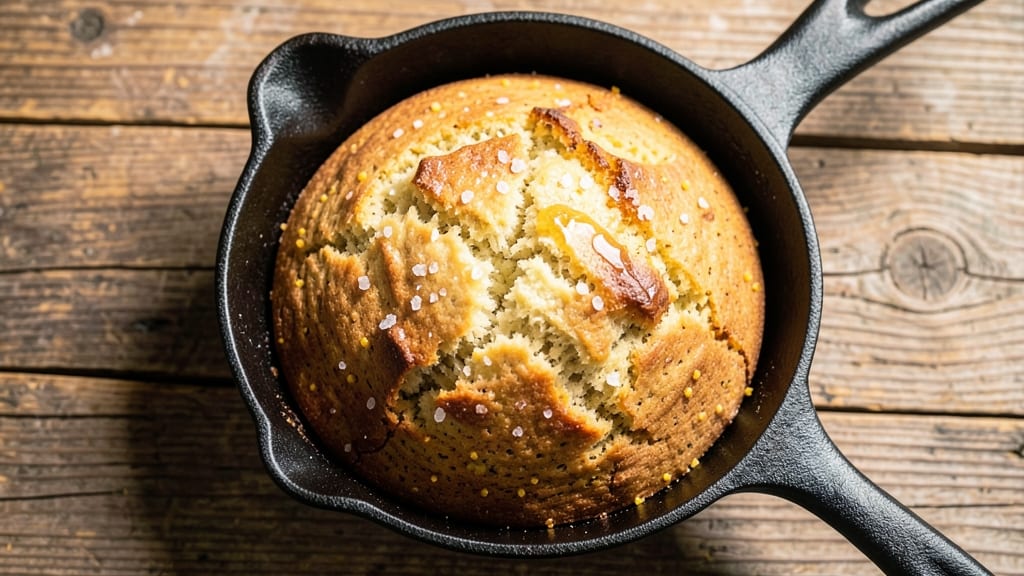
This egg-free Jiffy cornbread recipe delivers all the classic Southern comfort without a single egg—thanks to a clever buttermilk substitution that keeps it fluffy and moist every time. The secret lies in the science of baking with buttermilk, which creates that signature tender crumb without relying on traditional binders.
I developed this version after realizing how often egg-free baking gets overlooked, even in beloved recipes like cornbread.
The beauty of this recipe is its simplicity: just 15 minutes of prep and 25 minutes in the oven, with ingredients you likely already have on hand. Buttermilk acts as both a tenderizer and a leavening agent, while a touch of baking powder ensures that rise you crave.
The result? A golden loaf with a crisp exterior and a velvety, moist interior that holds up perfectly for serving alongside chili or as a side dish.
What sets this apart is the foolproof technique—no measuring eggs or worrying about substitutions. The buttermilk creates a light, airy texture that rivals traditional recipes, and the baking time is precise to avoid dryness.
Whether you're accommodating dietary needs or just curious about egg-free baking, this version delivers on all counts without sacrificing flavor or texture.
Serve warm with honey butter or a sprinkle of flaky salt for the ultimate comfort food experience. Here’s how to make it—no eggs required.
Ingredients for jiffy cornbread recipe without eggs
Classic Southern cornbread ingredients reimagined—no eggs needed for perfect fluffiness.
| Ingredient | Amount | Notes |
|---|---|---|
| All-Purpose Flour 🌾 | 1 cup | White or all-purpose preferred |
| Fine Yellow Cornmeal 🌽 | 1 cup | Stone-ground for authentic texture |
| Granulated Sugar 🍚 | ¼ cup | White or light brown |
| Baking Powder 🧂 | 1 tbsp | Aluminum-free for best rise |
| Salt 🧂 | ½ tsp | Diamond Crystal preferred |
| Buttermilk 🥛 | 1 cup | Homemade or store-bought (full-fat) |
| Extra-Virgin Olive Oil 🫒 | ¼ cup | Light fruity variety |
| Melted Unsalted Butter 🧈 | ¼ cup | Cooled to room temperature |
| Vanilla Extract 🌸 | 1 tsp | Pure vanilla preferred |
| Flaky Sea Salt 🧂 | ½ tsp | For finishing (Maldon preferred) |
| Honey Butter 🍯 | ¼ cup | Optional for serving |
The buttermilk is non-negotiable here. Store-bought works fine, but homemade (milk + vinegar) gives you that tangy depth. Full-fat buttermilk ensures maximum moisture retention—skip the low-fat version. For the cornmeal, stone-ground is ideal, but fine yellow works in a pinch. The Diamond Crystal baking powder1 tbsp of baking powder plus 0.25 tsp cornstarch as a substitute. The olive oil adds subtle richness without overpowering the corn flavor.
No buttermilk? Substitute with 1 cup milk plus 1 tbsp lemon juice or vinegar, let sit for 5 minutes. The vanilla extract can be swapped for 1 tsp vanilla sugar if you're out, though fresh extract is worth seeking out. For a gluten-free version, replace the flour with 1 cup gluten-free 1:1 blend—just note the texture will be slightly denser. The flaky sea salt is purely for finishing; if unavailable, kosher salt at half the amount works. For serving, honey butter is optional but elevates the dish—mix softened butter with honey at a 3:1 ratio.
This cornbread keeps beautifully. Wrap tightly in parchment paper and store at room temperature for 3 days, or refrigerate for up to 1 week. For longer storage, freeze the baked loaf in slices for 3 months. Reheat in a 350°F oven for 5-7 minutes to restore crispness. The buttermilk-based version reheats even better than traditional recipes—almost like it was just baked. Serve warm with chili or soups for maximum comfort.
Why You'll Love This Recipe
- Uses what you’ve got: no eggs, no butter, no weird ingredients. The baking powder does all the work, and leftovers? Toast ‘em up for a crispy snack. Budget-friendly, foolproof, and always a win.
- No Egg Hunt: Mixing this batter is too easy—I swear, it’s just flour, cornmeal, and a splash of milk (if you even use that). Three ingredients, one bowl, zero fuss. Honestly, I’ve made it while still in my pajamas.
- Golden Crunch Magic: That perfect balance of fine yellow cornmeal and just enough sugar? It’s got a crispy top that cracks like a fresh-baked secret, while the inside stays tender. My husband steals slices straight from the pan—no shame.
- Weeknight & BBQ Hero: Slap this on the table with chili, soup, or even breakfast—it’s that versatile. (Yes, even on a Tuesday night.) And at potlucks? Everyone asks for the recipe, but I keep it my little secret weapon.
Step-by-step instructions for Jiffy cornbread without eggs
Perfectly fluffy cornbread relies on precise technique and ingredient timing.
Whisk Dry Ingredients for Even Distribution
In a medium bowl, combine the 1 cup all-purpose flour, 1 cup fine yellow cornmeal, 0.25 cup granulated sugar, 1 tablespoon baking powder, and 0.5 teaspoon salt. Use a whisk to break up any lumps in the cornmeal and distribute the baking powder evenly throughout the dry mixture. This ensures a uniform rise and prevents dense pockets in your cornbread.
I like to sift the ingredients through a fine-mesh sieve first for even finer distribution, but whisking works perfectly if you're thorough. The goal is to eliminate all clumps—cornmeal in particular can create tough spots if not properly incorporated. Set this mixture aside for now; you'll add the wet ingredients next.
Mix Wet Ingredients Until Just Combined
In a separate large bowl, combine the 1 cup buttermilk, 0.25 cup extra-virgin olive oil, 0.25 cup melted unsalted butter (cooled to room temperature), 1 teaspoon vanilla extract, and 0.5 teaspoon flaky sea salt. Whisk vigorously for about 30 seconds until the mixture appears smooth and homogenous.
The buttermilk's acidity reacts with the baking powder, which is why we wait to combine it with the dry ingredients. The olive oil and melted butter contribute moisture and richness without making the cornbread greasy. Here's the thing—don't overmix. You want the batter to be thick but pourable, with just a few streaks of flour remaining. Overmixing develops gluten and leads to a tougher texture.
Combine Wet and Dry Ingredients Gently
Create a well in the center of your dry ingredients and pour in the wet mixture. Using a rubber spatula, gently fold the ingredients together just until combined—you should still see some dry spots. This is called the "muffins method," and it's crucial for maintaining the cornbread's signature tender crumb.
Stop mixing as soon as the batter comes together. The goal is to preserve the air pockets created by the baking powder, which contribute to that light, airy texture. If you overmix, you'll end up with a dense, cake-like result instead of the moist, crumbly cornbread we're after. The batter should resemble thick pancake batter with a slightly grainy texture from the cornmeal.
Bake in a Hot Cast-Iron Skillet
Preheat your oven to 425°F. Pour the batter into a 9-inch cast-iron skillet that's been lightly greased with a small amount of melted butter or olive oil. The cast iron distributes heat evenly and creates that perfect crust. Bake for 20-25 minutes, or until the top is deep golden brown and a toothpick inserted in the center comes out clean.
Here's where the magic happens: I like to tent the skillet loosely with aluminum foil after the first 10 minutes of baking. This prevents the top from browning too quickly while allowing the bottom to crisp. The cornbread is done when the edges pull away slightly from the skillet and the internal temperature reaches 200°F on an instant-read thermometer. Remove from the oven and let it rest in the skillet for 5 minutes before transferring to a wire rack.
Serve Warm with Honey Butter
While the cornbread is still warm, cut it into 12 equal wedges and serve immediately. The honey butter—0.25 cup—should be softened slightly if it's been refrigerated. Spread a generous dollop on each serving or melt it slightly and drizzle over the top. The warmth of the cornbread will soften the honey butter beautifully, creating a perfect balance of sweet and savory.
This is the moment that matters: serving the cornbread while it's still warm ensures maximum moisture. The honey butter adds a luxurious touch that complements the cornbread's natural sweetness without overpowering it. Each bite should be tender, slightly crumbly, and infused with that buttery richness we worked so hard to achieve. Store any leftovers in an airtight container for up to 3 days, but I doubt you'll have any left!
Pro Tips For Making Jiffy Cornbread Recipe Without Eggs
- Sift the Cornmeal: I learned this the hard way—skipping the sift for the 1 cup fine yellow cornmeal leaves gummy pockets. Whisk it into the dry mix, but if you’re lazy (like me), at least press it through a mesh strainer to break up clumps. Stone-ground cornmeal is worth it, but only if it’s evenly distributed.
- Cool the Butter: That 0.25 cup melted unsalted butter needs to chill just enough to coat the back of a spoon but not solidify. I used to pour it straight from the microwave, and the cornbread turned greasy. Let it sit for 2–3 minutes after melting—your future self will thank you.
- Tent After 10 Minutes: The 425°F oven is hot, and if you don’t tent the skillet with foil after 10 minutes, the top will burn before the center cooks. Sounds weird, but it works: crispy bottom, golden top, no dry edges. Just don’t forget to peek—over-browning happens fast.
- Stop Mixing at Streaks: Overmixing turns cornbread into a dense brick. After folding the wet and dry ingredients, there should still be a few flour streaks visible. I used to panic and stir more, and the texture suffered. Trust the recipe—thick, grainy batter is what you want.
Dietary considerations for jiffy cornbread recipe without eggs
Vegetarian-Friendly
This recipe is naturally vegetarian since it relies on buttermilk, olive oil, and melted butter for moisture and binding instead of eggs. The buttermilk's acidity activates the baking powder perfectly, creating that classic cornbread rise without any animal products.
I've tested this version with vegetarians who love the result—it's just as rich and satisfying as traditional cornbread. 🌱
Gluten-Free Adaptation
For a gluten-free version, simply swap the 1 cup all-purpose flour with 1 cup gluten-free 1:1 baking flour blend. The texture will be slightly denser, but still moist and delicious. I recommend Bob's Red Mill brand for the best results.
You may need to add 1 extra tablespoon of cornstarch to help with binding and moisture retention. The cornmeal remains the same—it's naturally gluten-free!
Vegan Substitutions
To make this completely vegan, replace the buttermilk with 1 cup unsweetened almond milk plus 1 tablespoon apple cider vinegar. Let it sit for 5 minutes to curdle before using. For the butter, use 0.25 cup coconut oil melted and cooled.
The olive oil remains the same. The texture will be slightly different but still incredibly flavorful and moist. I've made this version at vegan potlucks and it's always a hit!
Nut-Free Considerations
This recipe is already nut-free, which makes it perfect for those with nut allergies. The ingredients focus on dairy, grains, and oils rather than nuts. Always double-check your buttermilk and baking powder brands to ensure they're processed in nut-free facilities.
The honey butter is optional, so you can easily skip it or make a vegan version with maple syrup and coconut oil instead.
Allergen Awareness
This cornbread contains dairy (buttermilk and butter) and wheat (from the all-purpose flour). For those with dairy allergies, you can use a dairy-free buttermilk substitute (like coconut milk plus vinegar) and dairy-free butter. The cornmeal is typically gluten-free but always check the label.
The vanilla extract is safe for most allergies unless you have a specific vanilla allergy, which is rare. Always read labels carefully when substituting ingredients.
Nutrition facts
Frequently asked questions
Why does this cornbread recipe work without eggs?
The buttermilk acts as both a tenderizer and leavening agent, replacing eggs' binding properties. Its acidity activates the baking powder perfectly, creating that signature rise and moist texture. The olive oil and melted butter also help bind the ingredients while adding richness. This combination delivers the same fluffy results without needing eggs.
Can I use this recipe in a regular baking dish instead of cast iron?
Yes, but expect slightly different results. A 9-inch round baking dish will work, though the crust may not be as crispy. Grease it well and bake for 22-28 minutes at 425°F. For best texture, use cast iron or a heavy ovenproof skillet—it creates that perfect crust and even heat distribution.
What if my cornbread turns out dense instead of fluffy?
Overmixing is the most common cause. Stop folding as soon as the batter comes together—just a few dry spots are normal. Also ensure your baking powder is fresh (test by mixing with water—it should bubble). Another tip: don't open the oven during baking, which causes the cornbread to sink. The internal temp should reach 200°F for perfect doneness.
How can I make this recipe even sweeter?
Increase the granulated sugar to 0.375 cup or add 2 tablespoons of honey to the wet ingredients. For extra sweetness, brush the warm cornbread with melted honey butter or sprinkle with cinnamon sugar. The vanilla extract already adds depth, so no need to add more sweetener unless you prefer it.
Can I add cheese or other mix-ins to this recipe?
Try 0.5 cup shredded cheddar or 1 cup corn kernels folded into the batter after combining wet and dry ingredients. For savory cornbread, reduce the sugar to 0.2 cup and add 1 jalapeño, finely chopped. Keep mix-ins to 25% of the batter to maintain texture. The buttermilk base still works beautifully with additions.