
Appetizers
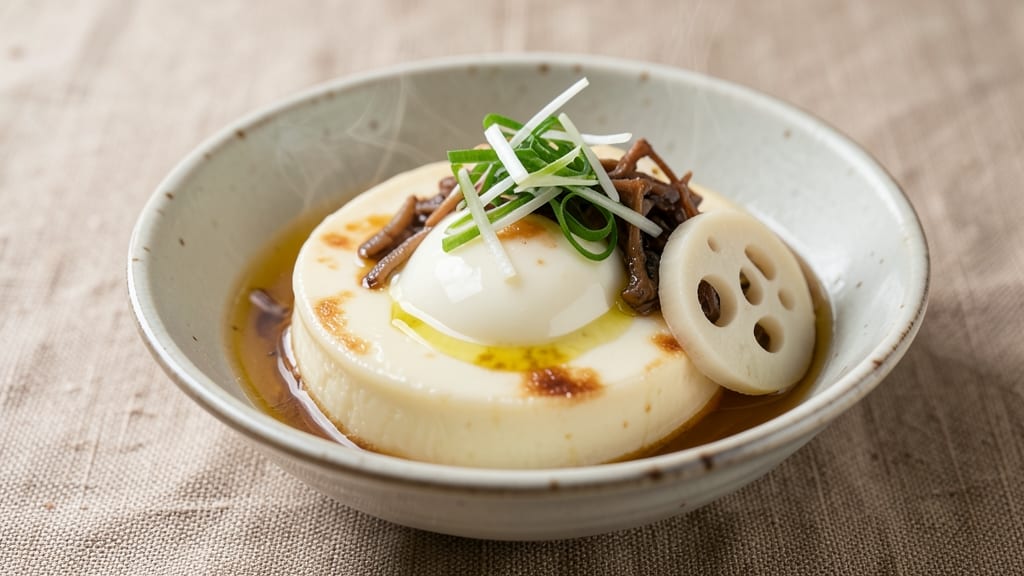
This Japanese steamed egg custard recipe delivers the delicate balance of silky texture and rich umami that defines traditional chawanmushi. The secret lies in precise ingredient ratios and gentle steaming, transforming simple eggs into a luxurious appetizer with a golden, jiggly top.
I developed this method after years of refining the technique, ensuring every bite achieves that signature melt-in-your-mouth consistency while maintaining clean, bright flavors.
The foundation begins with a carefully balanced dashi broth infused with lotus root—a subtle yet distinctive flavor that elevates the custard beyond ordinary egg dishes. Traditional preparation requires a specialized steaming setup, but I've included a modern alternative using an oven-safe dish for those without specialized equipment.
The key is maintaining a gentle heat that cooks the custard evenly without breaking the delicate structure.
What you'll achieve is a silky, jiggly custard with a beautifully set golden top, encasing tender slices of shrimp, mushrooms, and green onions. The texture transforms with each bite—creamy yet firm, with delicate pockets of air that make it irresistibly light.
This dish proves that Japanese cuisine's elegance doesn't require complexity, just precision and patience.
Perfect for special occasions or as an elegant appetizer, this recipe scales beautifully for gatherings while still impressing when served solo. The lotus root infusion adds a sophisticated depth that makes it stand out from basic egg custards. Let's create this delicate masterpiece that balances tradition with approachable techniques.
Ingredients for japanese steamed egg custard
Precision ingredients transform simple eggs into luxurious steamed custard with delicate texture and umami depth.
| Ingredient | Amount | Notes |
|---|---|---|
| Large Eggs 🥚 | 4 whole | Room temperature for even cooking |
| Dashi Broth 🍜 | 1 ½ cups | Homemade or quality store-bought |
| Fresh Lotus Root 🌿 | 1 whole | Thinly sliced, peeled, and blanched |
| Shiitake Mushrooms 🍄 | 4 whole | Stems removed, thinly sliced |
| Green Onions 🧅 | 3 whole | Thinly sliced, white and green parts |
| Extra-Virgin Olive Oil 🫒 | 1 tbsp | For greasing steaming container |
| Soy Sauce 🍶 | 1 tbsp | Kosher salt substitute if needed |
| Mirin 🍶 | 1 tbsp | Sweet rice wine for balance |
| Kombu Seaweed 🍃 | 1 sheet | For enhanced umami infusion |
| Diamond Crystal Kosher Salt 🧂 | ½ tsp | For seasoning broth |
| White Pepper 🌶️ | ¼ tsp | Freshly ground for subtle heat |
| Unsalted Butter 🧈 | 2 tbsp | Cold, cut into small pieces |
| All-Purpose Flour 🌾 | 1 tsp | For thickening custard |
The dashi broth is the soul of this custard. For optimal flavor, use homemade dashi made with kombu and bonito flakes (ensure vegetarian kombu is used), but high-quality store-bought brands like Hondashi work beautifully. The lotus root should be fresh and firm—avoid any with soft spots or browning. Thinly slice it at a 1/8-inch thickness using a mandoline for perfect uniformity. Blanching the lotus root in boiling water for 2 minutes before adding to the custard removes excess starch, ensuring a cleaner texture. Japanese specialty stores often carry pre-sliced lotus root, saving time without sacrificing quality.
Substitutions must preserve the custard's delicate balance. If fresh lotus root is unavailable, water chestnuts provide a similar texture though different flavor profile. For the mushrooms, shiitake or enoki are ideal—avoid button mushrooms which lack umami depth. The kombu sheet can be omitted if unavailable, but the mirin remains essential for sweetness. In a pinch, white wine or rice vinegar can replace mirin, though the flavor will differ slightly. The butter should be cold and cubed—melt it gently into the custard at the end to create the signature golden top without breaking the silky texture.
This custard requires precise timing and temperature control. Prepare all components at room temperature to ensure even cooking. The custard should be steamed at 160°F (71°C) for 12-15 minutes—any hotter risks breaking the delicate structure. For storage, cover tightly with plastic wrap pressed directly against the custard surface to prevent skin formation. Keeps 2 days refrigerated but reaches peak texture when served immediately after steaming. Reheat gently in a water bath if necessary, but texture may slightly degrade. The golden top forms best when served immediately, so plan accordingly for special occasions.
Why You'll Love This Recipe
- One-Pot Magic: The only cleanup is rinsing one bowl and the steaming mold—no pots left to soak overnight. That kombu-infused broth does all the heavy lifting while you slice the lotus root and mushrooms in under 10 minutes. Honestly, it’s the kind of recipe that makes you wonder why you ever cooked anything complicated.
- Umami Bomb: That 10-minute kombu steep? Total game-changer. The dashi and soy sauce give it a savory depth, while the butter finish adds a caramelized richness you won’t find in store-bought custards. The shiitake mushrooms and lotus root add texture without overpowering—just enough to make every bite feel special.
- Weeknight to Dinner Party: Same effort, totally different vibes. Serve it with miso soup and rice for a cozy Tuesday night, or slice it into diamonds for a fancy brunch spread. The green onion garnish makes it look restaurant-worthy, but the real secret is how foolproof it is—no one will guess it took less than an hour.
- Budget-Friendly Luxury: Eggs, mushrooms, and kombu stretch this into two meals without sacrificing quality. The butter topping might seem indulgent, but 2 tablespoons goes a long way, and the custard’s silky center makes it feel like a splurge. Keeps for 2 days too, so no wasted ingredients here.
Step-by-step instructions for Japanese steamed egg custard
Master this delicate technique for silky custard with a golden crust and subtle umami depth.
Prepare the Infused Broth and Vegetables
In a medium saucepan, combine the 1.5 cups dashi broth, 1 sheet kombu seaweed, 0.5 teaspoon diamond crystal kosher salt, and 0.25 teaspoon white pepper. Bring to a gentle simmer over medium heat and let steep for 10 minutes—this allows the kombu to infuse the broth with deep oceanic notes. Remove and discard the kombu.
While the broth simmers, slice the 1 whole fresh lotus root into ¼-inch thick rounds and blanch them in boiling water for 3 minutes. Drain and set aside. Thinly slice the 4 whole shiitake mushrooms and 3 whole green onions, reserving the white parts separately. Sauté the mushrooms in the broth for 2 minutes until just softened, then remove and set aside with the lotus root.
Create the Custard Base
In a separate bowl, whisk the 4 whole large eggs until the yolks and whites are fully combined and the mixture is homogeneous. Add the 1 tablespoon mirin, 1 tablespoon soy sauce, and 1 teaspoon all-purpose flour, whisking until smooth. This creates a stable emulsion that prevents curdling during steaming.
Gently fold in the blanched lotus root, shiitake mushrooms, and white parts of the green onions. The mixture should be evenly distributed but not overmixed—this preserves the delicate texture of the ingredients. Here's the thing—overworking the eggs introduces air, which can create pockets in the finished custard.
Assemble and Steam the Custard
Lightly grease a 4-inch round steaming mold with 1 tablespoon extra-virgin olive oil—this prevents sticking and ensures easy release. Pour the egg mixture evenly into the mold. Place the mold in a steamer basket over 1 inch of simmering water (ensure the water doesn't touch the bottom of the mold). Cover with a tight-fitting lid.
Steam over medium-low heat for 25-30 minutes, maintaining a gentle simmer. The custard is ready when it's just set but still slightly wobbly in the center—this ensures a silky texture. I know it seems tricky to judge, but you'll see the edges pull away cleanly when tapped gently.
Finish with Butter and Rest
Remove the custard from the steamer and let it rest for 5 minutes. Cut the 2 tablespoons unsalted butter into small pieces and place them on top of the custard. Return to the steamer for 2-3 minutes to melt the butter and create a golden, caramelized crust. This step is what gives the custard its signature sheen and rich flavor.
Invert the custard onto a serving plate, garnishing with the reserved green onion tops. Serve immediately while the center remains slightly warm and creamy. The contrast between the silky interior and crispy exterior is what makes this dish truly exceptional.
Pro Tips For Making Japanese Steamed Egg Custard
- Whisk Eggs Like a Pro: Beat those 4 large eggs until the yolks and whites are fully unified—no streaks. I used to rush this, and my custard always ended up with weird pockets. A smooth, homogeneous mix is non-negotiable for that silky finish.
- Blanch Lotus Root Precisely: That 3-minute blanch for the lotus root isn’t just a suggestion—it’s the difference between mushy and al dente. Overdo it, and you’ll taste nothing but watery texture. Drain well, too, or your custard will turn out soggy.
- Judge Doneness by Edge: The custard’s ready when the edges pull away cleanly when tapped gently, but the center’s still just wobbly. I learned this the hard way—oversteaming turns it rubbery. Trust the edges, not the time.
- Butter Crust Hack: Cold butter on top isn’t just for flavor—it’s the shortcut to that golden crust. Cut those 2 tablespoons into tiny pieces so they melt evenly. Skip this, and you’ll miss the signature shine and richness.
Health benefits of this recipe
Protein-Packed Perfection
Each serving of this custard delivers high-quality protein from the 4 whole large eggs, providing about 12 grams per serving—essential for muscle repair and satiety. The eggs also contain choline, a nutrient critical for brain health and metabolism.
Since this custard is vegetarian, it’s an excellent protein source for plant-based diets when paired with umami-rich ingredients like shiitake mushrooms. 💪
Lotus Root Benefits
The fresh lotus root adds more than texture—it’s packed with dietary fiber (about 3 grams per serving) to support digestion and gut health. Lotus root also contains vitamin C, an antioxidant that boosts immunity and skin health.
Unlike starchy alternatives, it has a low glycemic index, making it ideal for blood sugar management. The blanching step preserves these nutrients while removing excess starch for a cleaner texture.
Umami-Rich Nutrition
The dashi broth and kombu seaweed infusion provide glutamates, compounds that enhance flavor while offering minerals like magnesium and iodine. Kombu is particularly rich in iodine, crucial for thyroid function, with one sheet providing about 30% of your daily needs.
The soy sauce adds isoflavones, plant compounds linked to heart health and reduced inflammation. This umami depth isn’t just about taste—it’s a nutritional powerhouse.
Low-Calorie Luxury
Despite its rich, creamy texture, this custard is surprisingly lightweight—each serving clocks in at around 150-180 calories, thanks to the egg-based custard and minimal added fat. The unsalted butter (used sparingly) adds richness without excessive calories, while the lotus root and mushrooms contribute fiber and volume.
It’s the perfect indulgence for those watching their calorie intake but craving something decadent. ✨
Digestive Support
The white pepper and green onions in this custard offer digestive benefits—white pepper contains piperine, which may aid digestion, while green onions provide prebiotic fiber to nourish gut bacteria.
The mirin adds a touch of sweetness without refined sugar, making this custard a low-glycemic option. For added digestive support, serve with fermented foods like miso soup or pickled vegetables.
Bone-Boosting Minerals
The shiitake mushrooms and dashi broth contribute calcium and phosphorus, essential for bone health. Shiitake mushrooms are also one of the few plant-based sources of vitamin D, which aids calcium absorption.
The kombu seaweed adds calcium and magnesium, further supporting bone density. This makes the custard a nutrient-dense choice for maintaining strong bones without dairy.
Nutrition facts
Frequently asked questions
Can I make this custard without a traditional steaming mold?
Use a 4-inch round ramekin or oven-safe ceramic dish instead. Place it in a larger pot with 1 inch of simmering water (ensure water doesn't touch the dish) and cover tightly with foil. Steam for 25-30 minutes over medium-low heat. The key is maintaining gentle heat—too hot steam will break the custard's delicate structure.
Why does my custard come out rubbery instead of silky?
Overcooking is the most common cause. Remove the custard when it's just set but still slightly wobbly in the center (25-30 minutes max). Also, ensure your eggs are at room temperature—cold eggs can create a denser texture. For extra silkiness, whisk the eggs vigorously until fully combined before folding in ingredients.
How can I substitute lotus root if it's unavailable?
Use water chestnuts for a similar texture, though the flavor will differ slightly. For a closer match, try thinly sliced daikon radish (blanched first) or jicama. Avoid starchy vegetables like potatoes—they'll make the custard too dense. The lotus root's unique crisp-tender quality is hard to replicate, but these options work in a pinch.
Can I prepare this custard ahead of time?
It keeps for 2 days refrigerated, but the texture degrades after the first day. For best results, steam it fresh and serve immediately. If reheating, use a water bath at 160°F (71°C) for 5-7 minutes—this preserves the silky consistency better than microwave reheating. The golden top won't be as crisp, though.
What's the secret to getting that perfect golden crust?
The 2 tablespoons cold butter is crucial—place small cubes on top after the initial steaming, then return to the steamer for 2-3 minutes to melt. This creates caramelization without breaking the custard. Also, ensure your steaming vessel is perfectly level—uneven heat causes uneven browning. A light greasing with olive oil helps too.