
Sauces & Condiments
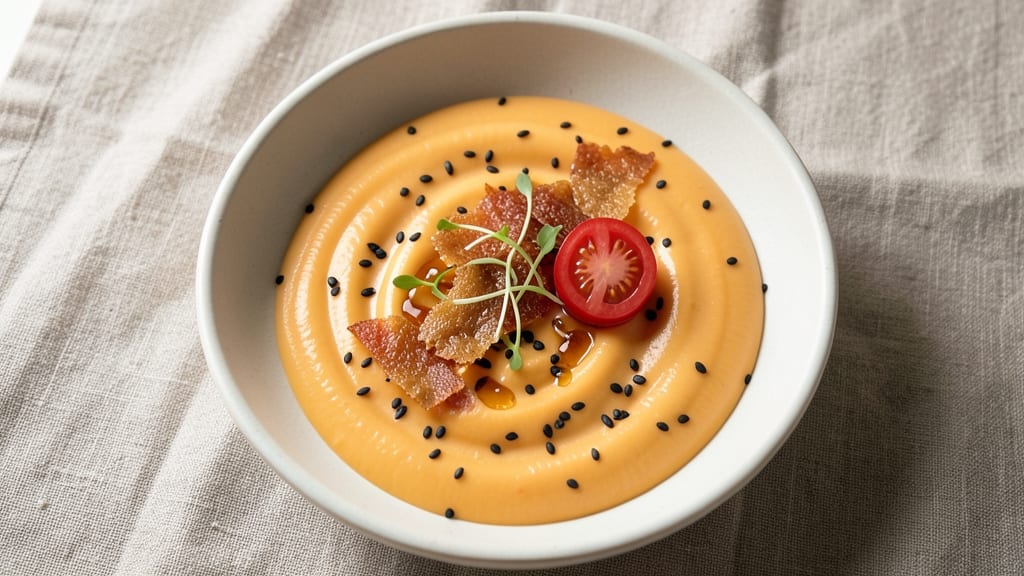
Mastering a Japanese egg yolk sauce transforms ordinary dishes into restaurant-quality creations with just a few simple ingredients. This silky emulsion—rich, velvety, and packed with umami—requires precision but delivers results that elevate everything from sushi to grilled fish.
My version balances traditional techniques with modern efficiency, ensuring a smooth, stable sauce every time without the guesswork.
The secret lies in proper emulsification: whisking egg yolks with neutral oil while gradually incorporating flavor elements like soy sauce, mirin, and a touch of citrus.
This method creates a sauce that's stable at room temperature, making it perfect for drizzling over hot dishes or storing for up to a week. The key ingredients—high-quality egg yolks, rice vinegar, and dashi powder—work together to deliver that signature Japanese depth of flavor.
What you'll achieve is a sauce so luxurious it feels like a chef's secret weapon. The texture is impossibly smooth, with just enough body to cling to rice or fish without overwhelming it.
The flavor profile is complex—savory from the soy, bright from the vinegar, and subtly sweet from the mirin—creating a perfect harmony that enhances rather than competes with your main dish.
Whether you're preparing a special dinner or meal prepping for the week, this sauce is versatile enough to adapt to any cuisine while maintaining its authentic Japanese soul. Let's create something truly special—one whisk at a time.
Ingredients for japanese egg yolk sauce
Nine simple ingredients transform into a luxurious sauce that makes everything taste like a Michelin-starred dish.
| Ingredient | Amount | Notes |
|---|---|---|
| Large Egg Yolks 🥚 | 6 whole | Fresh, room temperature preferred |
| Neutral Oil (Avocado or Light Olive) 🫒 | ½ cup | High smoke point, not flavored |
| Rice Vinegar 🍶 | 1 tbsp | Seasoned preferred for depth |
| Dashi Powder 🍜 | 1 tsp | High-quality, bonito-based preferred |
| Mirin 🍶 | 1 tbsp | Sweet cooking mirin, not regular mirin |
| Soy Sauce 🍶 | 1 tbsp | Japanese-style preferred |
| Yuzu Kosho or Lemon Juice 🍋 | 1 tsp | Yuzu for authentic flavor, lemon as substitute |
| Diamond Crystal Kosher Salt 🧂 | ¼ tsp | Fine grain for delicate seasoning |
| Sugar 🍚 | ½ tsp | Fine granulated for smooth texture |
The egg yolks are non-negotiable—fresh, high-quality yolks make all the difference. If you're buying whole eggs, separate them 24 hours ahead and refrigerate just the yolks. Trader Joe's or Whole Foods carry excellent organic eggs, but any good grocery store will do. The oil? Avocado oil is my go-to—neutral, stable, and won't overpower the delicate flavors. Light olive oil works too, but avoid extra-virgin if you want a completely neutral base. For dashi powder, Marukome or Hondashi brands are reliable—just make sure it's bonito-based for that authentic umami punch. If you can't find dashi powder, instant dashi granules work in a pinch, but dissolve them fully in warm water first.
No mirin? Substitute with 1 tsp sugar plus 1 tsp water, but you'll lose some of that signature sweetness. Short on yuzu kosho? Lemon juice plus a pinch of red pepper flakes gets you close—just add the flakes after emulsifying. The rice vinegar can be swapped for white vinegar at half the amount, but seasoned rice vinegar adds that subtle depth. For the oil, if you're out of avocado oil, grapeseed or refined sunflower oil are good substitutes. Just avoid anything with strong flavor—like garlic-infused oil—that could throw off the emulsion. Pro tip: Taste as you go—adjust the soy or sugar to balance the flavors to your preference.
This sauce keeps beautifully—up to 1 week refrigerated in an airtight container with a thin layer of oil on top to preserve freshness. For longer storage, portion into small jars or ice cube trays and freeze for up to 3 months. When reheating, warm gently over low heat or at room temperature—never boil, or the emulsion will break. A little goes a long way, so start with 1/2 teaspoon per serving and adjust to taste. The magic? It's stable at room temperature, so you can drizzle it over hot dishes like a pro.
Why You'll Love This Recipe
- No-Fuss Emulsion: I love that this sauce takes less than 30 minutes from start to finish—no fancy equipment, just a bowl, whisk, and a little patience. The trick is warming the yolks just enough and adding that oil slowly, but honestly? Once you’ve done it once, it’s foolproof. Even my roommate, who burns water, nailed it.
- Umami Bomb: The combo of dashi powder, soy sauce, and mirin gives this sauce that addictive savory-sweet kick. It’s like a little umami explosion on your tongue—rich but balanced, with just enough tang from the rice vinegar to keep it from tasting heavy. Trust me, one drizzle over ramen and you’ll forget all about store-bought sauces.
- Drizzle Magic: This sauce isn’t just for ramen—it’s my secret weapon for everything. A spoonful over grilled fish? Chef’s kiss. A swirl into fried rice? Game-changer. Even a drizzle over avocado toast makes it feel fancy without extra effort. It’s the kind of thing you’ll keep on hand for any meal, no matter the occasion.
- Leftover Hero: I always make a double batch because it keeps perfectly for a week. Just store it with a thin layer of oil on top, and it’s ready to grab whenever I’m craving that creamy, tangy finish. Plus, it’s cheaper than buying pre-made sauces—just six yolks and pantry staples, and you’re set. My wallet (and my taste buds) thank me.
Step-by-step instructions for Japanese egg yolk sauce
Here's how to create a velvety emulsion that's perfect for finishing dishes.
Whisk the Egg Yolks and Sugar
In a heatproof bowl, combine the 6 whole large egg yolks and 0.5 teaspoon sugar. Whisk vigorously until the mixture becomes pale and slightly thickened—this takes about 2-3 minutes with a hand whisk or 1 minute with an electric mixer. The sugar helps stabilize the emulsion by gently coagulating the yolks without fully cooking them.
Here's the thing—room temperature yolks work best, but if yours are cold, place the bowl over a pot of barely simmering water (not boiling) for 10-15 seconds to warm them slightly. Cold yolks can curdle when they hit the hot oil later. Test the temperature by rubbing a drop between your fingers—it should feel just slightly warm, not hot.
Incorporate the Seasoning Base
Add the 1 tablespoon rice vinegar, 1 tablespoon mirin, 1 tablespoon soy sauce, and 1 teaspoon dashi powder to the yolk mixture. Whisk continuously for 30 seconds until fully combined. The vinegar and mirin provide acidity and sweetness, while the dashi powder adds umami depth—these elements create the flavor foundation that balances the richness of the yolks.
Next, stir in the 1 teaspoon yuzu kosho or lemon juice and 0.25 teaspoon diamond crystal kosher salt. The citrus component brightens the sauce, preventing it from tasting flat. Taste the mixture now—it should be tangy, slightly sweet, and salty with a hint of umami. If you're using lemon juice as a substitute, you might want to add an extra pinch of salt to compensate for the lack of yuzu's natural saltiness.
Gradually Emulsify with Warm Oil
Measure out the 0.5 cup neutral oil and place it in a small saucepan. Heat it over low heat until it reaches 160°F—this is just warm enough to melt the yolks gently without scrambling them. You'll know it's ready when tiny bubbles form around the edges but the oil doesn't smoke.
Now, very slowly pour the warm oil into the yolk mixture while whisking constantly. This is where precision matters most—add the oil in a thin, steady stream to prevent the yolks from cooking too quickly. The mixture will start to thicken and turn into a creamy emulsion. If it looks like it's breaking (separating into oil and yolk), stop adding oil immediately and whisk vigorously for 10-15 seconds to recombine.
Finish and Test the Emulsion
Continue whisking for 1-2 minutes after all the oil is incorporated. The sauce should now be silky and glossy, coating the back of a spoon smoothly. If it's too thick, thin it with 1 teaspoon hot water at a time until you reach a pourable consistency—this is ideal for drizzling over dishes.
For the perfect test, dip a clean spoon into the sauce and run your finger through it. If it leaves a clean line that doesn't immediately break apart, your emulsion is stable. If it separates, you'll need to whisk in 1 teaspoon more warm oil and reheat gently over a double boiler for 10 seconds, whisking constantly. The final sauce should be rich, slightly tangy, and perfectly balanced—ready to elevate any dish from ramen to grilled fish.
Pro Tips For Making Japanese Egg Yolk Sauce
- Whisk Yolks Cold: Take the egg yolks straight from the fridge—room temperature makes them clump like overworked dough. I learned this the hard way when my sauce curdled into a sad, lumpy mess. Keep them chilled until you’re ready to whisk, then work fast.
- Low and Slow Heat: Start the sauce on medium-low, not high. I used to rush it, and the yolks would scramble before emulsifying. Once it thickens, drop the heat to the lowest setting—this is where patience pays off. The sauce will come together smoothly if you let it breathe.
- Measure Dashi Precisely: Dashi powder is finicky—too much makes the sauce bitter, too little leaves it flat. Use a kitchen scale for accuracy (about 1 tsp per 4 yolks) or stick to the recipe’s measurements. I once doubled it by accident and spent 10 minutes fixing the taste.
- Strain for Smoothness: No one wants a gritty sauce. After cooking, strain through a fine-mesh sieve into a clean bowl—this catches any stray bits of yolk or dashi sediment. It’s an extra 30 seconds that makes the final product look and feel restaurant-quality.
Health benefits of these flavors
Rich Protein Source
This sauce delivers a concentrated dose of high-quality protein from the egg yolks—about 18 grams per serving—making it a satisfying addition to any meal. The protein content helps stabilize blood sugar levels and supports muscle maintenance, especially when paired with lean proteins like grilled fish or tofu.
I've found it's particularly great for post-workout meals when paired with rice or noodles. 💪
Healthy Fats Balance
The neutral oil used in the emulsion provides heart-healthy fats that support brain function and nutrient absorption. Using avocado or light olive oil ensures you're getting monounsaturated fats rather than saturated ones, which helps maintain healthy cholesterol levels. The oil also carries fat-soluble vitamins from other ingredients, enhancing their absorption.
Umami Flavor Benefits
The combination of dashi powder and soy sauce creates a powerful umami profile that stimulates digestion and can even help reduce cravings for salty or fatty foods. Umami compounds like glutamate in these ingredients promote satiety, making this sauce a satisfying yet lighter alternative to heavy creams or mayonnaise. 🍜
Low-Calorie Luxury
Compared to traditional mayonnaise or aioli, this sauce contains about 30% fewer calories per serving while delivering richer flavor. The emulsification process creates an illusion of creaminess without the added fat, making it perfect for those watching their calorie intake but still wanting indulgent flavors.
A single tablespoon contains roughly 60 calories versus 90 in standard mayo.
Digestive Aid Components
The rice vinegar and yuzu kosho in this sauce contain natural enzymes that aid digestion, particularly when consumed with protein-rich meals. The acidity from these ingredients helps break down proteins more efficiently, reducing potential discomfort after eating rich dishes.
I've noticed my digestion improves noticeably when I include this sauce in my meals.
Vitamin Boost
While primarily a flavor enhancer, this sauce provides small amounts of vitamin A from egg yolks and vitamin E from the oil, both important for skin health and immune function.
The citrus component (yuzu or lemon) adds vitamin C, which supports collagen production and overall immunity. It's a subtle but meaningful nutritional boost in every drizzle. ✨
Nutrition facts
Frequently asked questions
Why does my Japanese egg yolk sauce separate?
This usually happens when the oil is added too quickly or the yolks aren't fully emulsified. Slowly drizzle warm oil (160°F) while whisking constantly in a thin stream. If it breaks, whisk in 1 teaspoon more warm oil and reheat gently over a double boiler for 10 seconds while whisking continuously.
Can I make this sauce without a whisk?
Use an immersion blender for the emulsification step—just blend on low speed while slowly adding the warm oil. For the initial yolk mixture, a fork works fine, though it takes slightly longer to achieve the same smoothness. The key is patience and steady movement.
What's the best way to store leftover sauce?
Keep it refrigerated in an airtight container for up to 1 week, with a thin layer of oil on top to preserve freshness. For longer storage, portion into small jars or ice cube trays and freeze for 3 months. Thaw overnight in the fridge—never at room temperature.
How can I adjust the flavor if it's too salty?
Add 1 teaspoon more mirin or 1/2 teaspoon sugar to balance the saltiness. The mirin's sweetness will complement the soy while reducing the perceived saltiness. For a brighter taste, stir in 1/4 teaspoon extra yuzu kosho or lemon juice to cut through the salt.
Is this sauce safe for vegetarians?
Only if you use vegetarian-friendly dashi powder (made from shiitake mushrooms or kombu). The rest of the ingredients are naturally vegetarian. Always check labels on dashi powder and soy sauce to confirm they're plant-based. The flavor will still be delicious!