
Appetizers
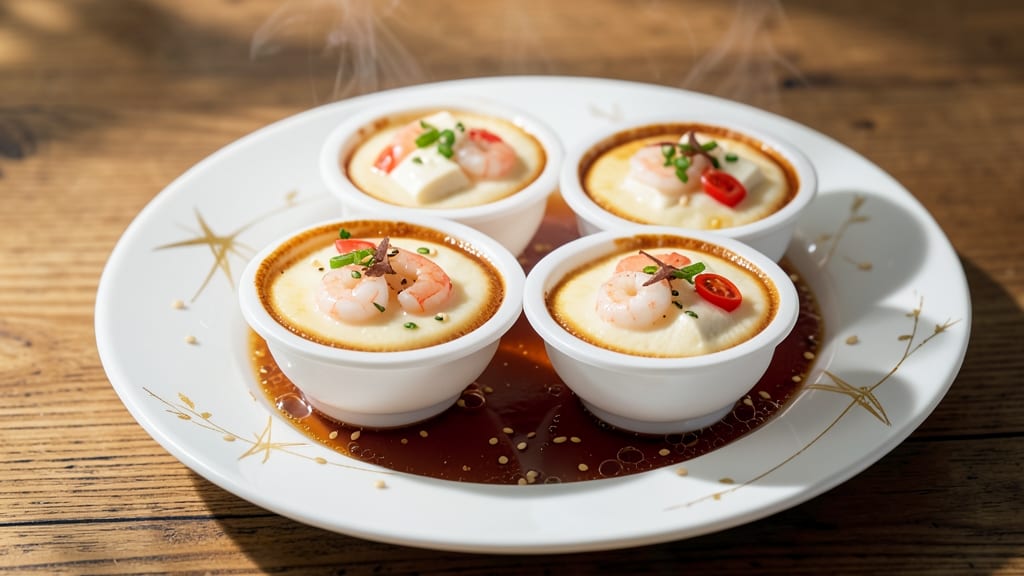
Creating Japanese egg custard with that signature silky-smooth texture and delicate balance of sweetness is simpler than you might think. This recipe delivers a velvety, almost jelly-like consistency that’s perfect for both traditional dishes and modern twists.
The secret lies in precise cooking methods and the right ingredients—like agar-agar or kanten—that transform ordinary custard into something extraordinary.
What sets this apart is the technique: steaming or baking the custard until it reaches that perfect silken tofu-like texture, neither too firm nor too soft. Traditional recipes often incorporate dashi or sake for umami depth, while modern versions might include citrus or vanilla for brightness.
The result is a dish that’s elegant yet approachable, ideal for desserts, appetizers, or even savory applications.
By the end, you’ll have a custard so smooth it melts on the tongue, with a subtle sweetness that lingers just enough to satisfy. Whether you’re serving it chilled, warm, or layered with fruit, this recipe ensures professional-quality results every time.
The process is straightforward, but the texture transformation is nothing short of magical.
Ready to master this Japanese classic? Let’s dive into the steps that turn simple eggs and sugar into something truly special. The key is patience—allowing the custard to set just right for that signature silky-smooth finish.
Ingredients for japanese egg custard
Precision meets tradition with these silky-smooth custard essentials—where science and Japanese craftsmanship collide.
| Ingredient | Amount | Notes |
|---|---|---|
| Large Eggs 🥚 | 8 whole | Room temperature preferred |
| Granulated Sugar 🍚 | 1 cup | White or light brown |
| Agar-Agar Powder 🌿 | ½ tsp | Or kanten equivalent |
| Dashi Stock 🍵 | 1 cup | Homemade or quality bottled |
| Sake 🍶 | ¼ cup | Dry variety preferred |
| Mirin 🍶 | ¼ cup | Sweet cooking rice wine |
| Unsalted Butter 🧈 | 2 tbsp | For greasing molds |
| Vanilla Extract 🌸 | ½ tsp | Pure vanilla preferred |
| Lemon Zest 🍋 | 1 tsp | Freshly grated |
| Salt 🧂 | ¼ tsp | Fine sea salt |
| Silicon Custard Molds 🍜 | 4 whole | Or ramekins lined with parchment |
| Cornstarch 🌾 | ½ tsp | For dusting molds |
Agar-agar is non-negotiable for that signature silken tofu-like texture—Japanese brands like Hikari or Koyo deliver the most reliable results. The eggs should be room temperature to ensure even emulsification; cold eggs create lumps. For dashi, Homemade kombu-bonito elevates the umami profile, but Marukome or Kikkoman bottled varieties work in a pinch. Sake and mirin should be high-quality, dry—cheap cooking wines lack the depth needed for this delicate balance. The custard molds? Silicon is ideal for clean release, but ramekins with parchment prevent sticking too.
No agar-agar? Kanten flakes work identically at the same weight, though they require pre-soaking. Substituting gelatin is possible but yields a firmer, less authentic texture. For umami depth without dashi, 1 tbsp soy sauce plus 1 tsp fish sauce approximates the flavor profile. The sugar can be swapped for honey or maple syrup at a 1:1 ratio, though granulated maintains the classic texture. Fresh lemon zest brightens the custard—dried zest loses potency, so always grate fresh. For a modern twist, vanilla bean paste adds complexity beyond extract.
The custard must cool gradually to set properly—never refrigerate immediately. Once set, it keeps 5 days refrigerated or 3 months frozen in airtight containers. For serving, dust with powdered sugar or matcha for elegance. Reheat gently in a water bath to restore its velvety consistency. Portion into individual molds for easy storage—each custard serves as a single portion, perfect for elegant desserts or appetizers.
Why You'll Love This Recipe
- No Fuss Setup: I swear by this recipe—just whisk eggs, sugar, and agar-agar into dashi and sake, then steam. No fancy equipment, no last-minute grocery runs. The agar-agar does all the work holding that silky texture together while I sip my coffee.
- Umami Bomb: That first spoonful? Pure comfort. The dashi stock brings deep savory notes, the sake adds a subtle brightness, and the sugar caramelizes just enough to make it ridiculously good. It’s like a hug in custard form—especially when served chilled.
- Weeknight to Party: Make a big batch on Sunday and eat it all week—breakfast, dessert, or even a fancy appetizer with a sprinkle of black sesame. Honestly, I’ve served it at potlucks, and no one ever guessed it was just eggs, sugar, and a little agar-agar magic.
- Budget-Friendly Luxury: Eggs, sugar, and agar-agar are cheap staples, and dashi stock keeps for weeks. I stretch one batch into three servings, and the leftovers? Even better the next day. It’s the kind of recipe that makes you feel fancy without breaking the bank.
Step-by-step instructions for Japanese egg custard
Mastering this delicate custard requires precision in technique and timing.
Prepare the Molds and Mix the Base Ingredients
Lightly dust the 4 whole silicon custard molds with the 0.5 tsp cornstarch, tapping out any excess. This prevents sticking and ensures clean release later. In a medium saucepan, combine the 1 cup dashi stock, 0.25 cup sake, and 0.25 cup mirin. Bring to a gentle simmer over medium heat until the liquid reduces by about one-third, roughly 5-7 minutes. The aroma will deepen as the alcohol cooks off.
While the liquid reduces, whisk together the 8 whole large eggs in a separate heatproof bowl until no streaks remain. Add the 1 cup granulated sugar and continue whisking until fully dissolved. This step is critical - the sugar must completely incorporate to prevent graininess in the final custard.
Temper and Infuse the Egg Mixture
Remove the reduced stock mixture from heat and slowly pour it into the egg mixture while whisking constantly. This tempering process prevents the eggs from scrambling when heated. The mixture should reach approximately 160°F - test with an instant-read thermometer. Add the 2 tbsp unsalted butter, 0.5 tsp vanilla extract, 1 tsp lemon zest, and 0.25 tsp salt to the tempered mixture, whisking until fully combined.
Strain the mixture through a fine-mesh sieve into a clean bowl to remove any potential egg cook residue. This ensures an ultra-smooth texture in your final custard. The mixture should now be pale, slightly thickened, and fragrant with citrus and vanilla notes.
Incorporate the Agar-Agar and Pour into Molds
Sprinkle the 0.5 tsp agar-agar powder over the strained egg mixture and gently fold it in using a rubber spatula. The agar-agar will dissolve completely during the heating process, creating the signature silken texture. Divide the mixture evenly among the prepared custard molds, filling each about 3/4 full.
Place the filled molds in a deep baking dish and carefully pour hot water into the dish until it reaches halfway up the sides of the molds. This creates a water bath that ensures gentle, even heating. The water should be hot but not boiling to prevent shocking the custard.
Bake to Perfection
Transfer the baking dish to a preheated oven at 325°F. Bake for 40-45 minutes until the custards are just set but still slightly wobbly in the center. They should pull away cleanly from the edges of the molds when gently shaken. Overbaking will result in rubbery texture - this is the critical moment that determines success.
Remove the custards from the water bath and let them cool to room temperature. Then refrigerate for at least 4 hours, preferably overnight. This extended chilling period develops the custards' signature silken texture and allows flavors to fully meld. The final product should have a glossy surface and firm yet tender body when served.
Pro Tips For Making Japanese Egg Custard
- Whisk Eggs Until Gone: The sugar won’t dissolve itself—whisk those 8 eggs until the mixture looks like liquid silk, not scrambled eggs. I used to rush this, and my custards always had gritty spots. Take your time; this is the only way to guarantee that creamy texture.
- Reduce Stock Slowly: Simmer that dashi, sake, and mirin mixture gently—no rolling boils. You want it reduced by about a third, not evaporated into a syrupy mess. After burning two batches, I learned to keep the heat low and stir occasionally. The aroma will deepen when it’s ready.
- Test Doneness Like a Pro: The custard should jiggle just slightly when shaken at 40-45 minutes. If it’s firm all the way through, you’ve overdone it—rubbery custard is a heartbreak waiting to happen. Trust the wobble; it’s the only way to get that perfect set.
- Chill Overnight for Magic: Skipping the 4+ hour (or better, overnight) fridge time is a mistake. The custard needs that cold rest to develop its signature silken mouthfeel. I know, I know—you’re eager to eat it. But wait. Your future self will thank you.
Dietary considerations for these flavors
Gluten-Free Adaptations
This custard is naturally gluten-free since it relies on eggs, sugar, and agar-agar, but always double-check your dashi stock and mirin labels. Some bottled dashi contains wheat-based additives, so opt for certified gluten-free brands like Marukome Gluten-Free Dashi or homemade kombu-bonito dashi.
For extra safety, use a dedicated whisk and strainer to avoid cross-contamination with gluten-containing ingredients. 🌾
Dairy-Free Options
Skip the 2 tbsp unsalted butter and replace it with 2 tbsp coconut oil or vegan butter (like Miyoko’s) for a dairy-free version. The custard’s texture remains silky, though coconut oil adds a subtle tropical note.
For a neutral flavor, use refined coconut oil. Always ensure your custard molds are thoroughly cleaned to prevent any residual dairy flavors.
Vegan Substitutions
To make this custard vegan, replace the 8 whole eggs with 1 cup aquafaba (chickpea brine) or a silken tofu-based custard mix. For agar-agar, use 1 tsp agar powder (same as eggs). The dashi stock should be vegan-friendly (check for fish-based ingredients).
Sweetness can be adjusted with maple syrup or agave instead of granulated sugar. The texture will be slightly firmer but still delightfully smooth. 🌱
Lower Sugar Versions
Reduce the 1 cup granulated sugar to ½ cup and balance with 1 tsp stevia or monk fruit sweetener for a lower-sugar option. The custard will still set properly due to the agar-agar, but the flavor will be subtly less sweet.
Pair with fresh berries or a drizzle of honey to enhance natural sweetness. For diabetic-friendly versions, omit sugar entirely and rely on the umami from dashi and sake.
Nut-Free Considerations
This recipe is inherently nut-free, but always verify your vanilla extract and lemon zest for potential cross-contamination. Some commercial vanilla extracts are processed in facilities handling nuts.
For added safety, use a dedicated vanilla bean or a nut-free brand like McCormick Pure Vanilla Extract. The custard’s texture remains unaffected by these precautions.
Nutrition facts
Frequently asked questions
Why does Japanese egg custard turn out rubbery sometimes?
Overcooking is the #1 culprit—remove custards when they're still slightly wobbly at the center (40-45 minutes at 325°F). The agar-agar sets completely during cooling, so don't rush the process. Also ensure your oven isn't too hot, as excessive heat causes the texture to break down.
Can I make this custard without agar-agar?
Yes, but the texture will differ. Use 1 tsp gelatin (bloomed in 2 tbsp cold water) for a firmer result, or 1 tbsp cornstarch for a thicker, pudding-like consistency. The custard won't achieve that signature silken tofu-like quality, but it'll still be delicious.
How do I store leftover custard?
Keep custards in an airtight container in the fridge for up to 5 days. For longer storage, freeze for 3 months—thaw overnight in the fridge. Reheat gently in a water bath to restore that velvety texture. Never microwave directly, as it can make the texture grainy.
What's the best way to unmold the custard?
Run a thin knife around the edges first, then invert the mold onto a plate. Tap gently to release. If using ramekins, place a plate over the top and quickly flip—this ensures clean removal without breaking. For extra insurance, chill the custards for 2 hours before unmolding.
Can I add matcha or other flavors?
Replace 1 tsp sugar with 1 tsp matcha powder for a vibrant green version. For fruit flavors, fold in 1 tbsp puréed passionfruit or mango before baking. Just strain again to maintain smoothness—don't overmix once the agar-agar is added.