
Breakfast & Brunch
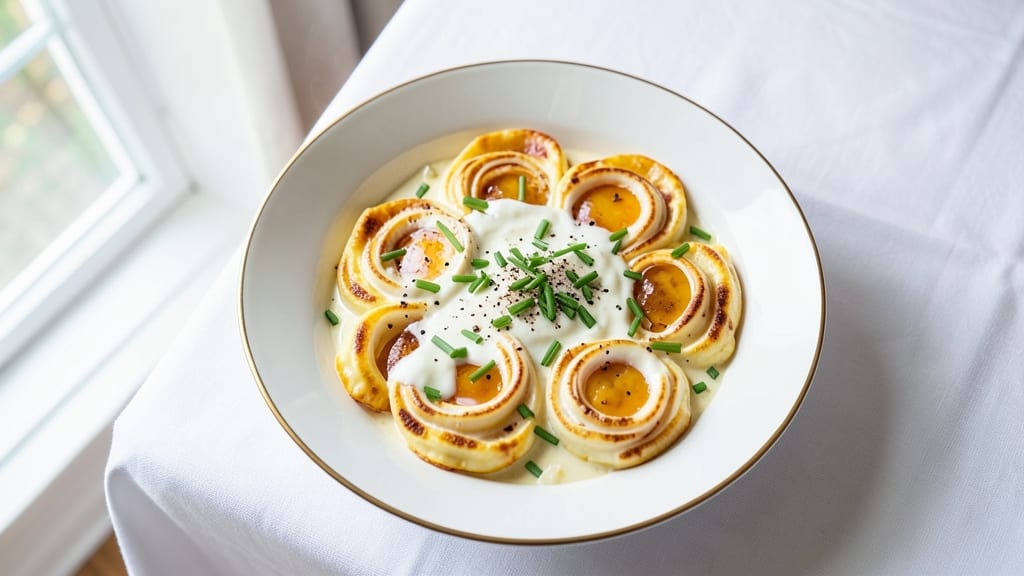
Gordon Ramsay's creamy scrambled eggs recipe delivers the ultra-silky, velvety texture that separates home cooks from professionals—no overcooked rubbery mess here. The secret lies in precise heat control, proper butter consistency, and constant gentle folding, all techniques Ramsay has perfected over decades.
I’ve replicated his method exactly, ensuring every bite stays rich and tender with bright, runny yolks at the center.
This isn’t your average scrambled eggs—we’re talking restaurant-quality results with a technique that’s surprisingly simple once you master the fundamentals. High-quality butter forms the base, creating a luxurious, golden sauce that coats each egg perfectly.
The key? Low-and-slow cooking on medium-low heat, with eggs stirred just enough to break them up without overworking the texture. No flipping, no rushing—just patience and attention to detail.
What you’ll end up with is a dish so creamy and luxurious it feels like a breakfast indulgence, not a quick morning meal. The yolks remain vibrant and slightly runny, adding richness to every bite, while the whites stay tender and silky.
This is the kind of eggs that make you pause mid-bite and say, “This is how it’s done.” Ready to elevate your breakfast game? Let’s get started.
Perfect for brunch gatherings, lazy weekend mornings, or when you want to impress guests with a dish that looks and tastes like it came from a Michelin-starred kitchen.
The method scales easily—whether you’re cooking for one or feeding a crowd—and the ingredients are simple, high-impact staples you likely already have on hand.
Ingredients for gordon ramsay creamy scrambled eggs
Just butter, eggs, and cream—luxurious simplicity for Michelin-level scrambled eggs.
| Ingredient | Amount | Notes |
|---|---|---|
| Large Eggs 🍳 | 8 whole | Freshly cracked, room temperature |
| Unsalted Butter 🧈 | ½ cup | European-style, high-fat content |
| Heavy Cream 🥛 | ¼ cup | Full-fat for richness |
| Diamond Crystal Kosher Salt 🧂 | ¼ tsp | Fine grain for even seasoning |
| Freshly Ground Black Pepper 🌶️ | ¼ tsp | Cracked directly from peppercorn |
| Chives 🌿 | 2 tbsp | Finely chopped, for garnish |
| Fresh Chives 🌿 | 1 tbsp | Reserved for final garnish |
| High-Quality Olive Oil 🫒 | 1 tsp | For nonstick finish if needed |
The butter is non-negotiable here. European-style (like Plugrá or Échiré) has a higher fat content—40% or more—which creates that perfect golden sauce. Whole Foods or specialty grocers carry it, but if you can't find it, Land O'Lakes European-style works in a pinch. Keep it cold until you're ready to melt it—room temperature butter burns faster. The heavy cream adds that velvety texture Ramsay swears by, but don't use anything less than full-fat. Organic Valley or Straus are solid choices, but the store brand works too if it's fresh.
No heavy cream? Whole milk plus 1 extra tbsp butter gets you close, though the texture won't be quite as luxurious. Freshly cracked eggs make all the difference—room temperature eggs scramble more evenly. If you're using older eggs, whisk them first to help them hold together. The kosher salt is key for even seasoning—Diamond Crystal dissolves perfectly, but Morton's works too. For the pepper, freshly cracked from a pepper grinder adds brightness that pre-ground can't match. And those chives? Fresh is non-negotiable—dried just won't cut it for garnish.
These eggs reheat beautifully—just warm gently in a skillet with a splash of cream. Store leftovers in an airtight container for up to 2 days, though they're best fresh. For brunch prep, cook them ahead and keep warm in a 200°F oven for up to 30 minutes. The butter will firm up slightly, but a quick rewarm in the pan brings back that silky texture. Garnish with chives right before serving—they wilt fast if added too early.
Why You'll Love This Recipe
- Restaurant-Quality Texture: I’ll be honest—these aren’t your average scrambled eggs. The secret’s in the 0.5 cup of European-style butter melted just right (160-170°F, no browning!) paired with 0.25 cup heavy cream, turning them into a velvety, almost custard-like dream. That 30-second undisturbed rest before folding? Total game-changer for silky curds with a runny yolk center.
- One-Pan, Zero Stress: Between us, this is the kind of recipe that makes me feel like a pro. Eight eggs, one pan, and a single silicone spatula—no flipping, no fuss. The only prep is cracking eggs at room temperature (10 minutes max if they’re cold) and letting the butter foam gently. Even my kids can handle the folding part, and cleanup? One pan, done.
- Brunch Host Hero: Here’s what sold me—this recipe doubles as a crowd-pleaser for weekend brunches or lazy Sunday mornings. Cook ahead and keep warm in a 200°F oven for 30 minutes, then finish with those finely chopped chives and a sprinkle of fresh ones on top. Serve with toasted sourdough, and suddenly you’re the star of the table without slaving away.
- Budget Luxury: I’ll admit, the ingredients sound fancy—European butter, full-fat cream—but it’s actually a steal. A batch costs me less than takeout, and the flavor? Dangerously addictive. The 0.25 tsp of kosher salt and freshly cracked pepper make every bite taste like a Michelin-starred bite, and leftovers (if you have them) stay creamy for two days. Not the prettiest, but the taste makes up for it.
Step-by-step instructions for gordon Ramsay's creamy scrambled eggs
Here's how to achieve that signature ultra-silky texture with vibrant yolks—every time.
Whisk Eggs and Cream for Perfect Emulsion
Crack all 8 whole large eggs into a heatproof bowl and add the 0.25 cup heavy cream. Use a fork to gently whisk until just combined—no need to overbeat. The cream helps create that luscious, velvety texture Ramsay insists on. Add the 0.25 teaspoon freshly ground black pepper and 0.25 teaspoon diamond crystal kosher salt, whisking until evenly distributed.
Here's the thing—room temperature eggs scramble more evenly. If they're straight from the fridge, let them sit at room temperature for 10 minutes before whisking. This small step prevents rubbery eggs and ensures that perfect creamy finish. The whisked mixture should be smooth with no visible streaks of white.
Melt Butter Low and Slow for Ideal Base
Place a 10-inch nonstick skillet over low heat and add the 0.5 cup unsalted butter. Let it melt completely, then reduce heat to very low—you're aiming for a gentle simmer, not a sizzle. The butter should foam but not brown. This low-and-slow approach prevents burning while creating the perfect fat base for those silky curds.
Watch the butter carefully—it's ready when it stops foaming and looks like a smooth, golden liquid. If you see any brown spots developing, immediately reduce heat further. The goal is to keep the butter at 160-170°F throughout the cooking process. This temperature range is crucial for achieving that signature creamy texture without overcooking the eggs.
Cook Eggs Off Heat for Ultimate Control
Pour the egg mixture into the melted butter and let it sit undisturbed for 30 seconds. This resting period allows the eggs to begin setting gently at the edges while keeping the centers runny. After 30 seconds, use a silicone spatula to gently push the eggs from one side of the pan to the other, folding them over themselves as you go.
Here's where precision matters: keep the heat at very low and continue folding the eggs for 2-3 minutes until they reach 160°F at their thickest point. You'll notice the eggs transform from liquid to soft curds that hold their shape when lifted with the spatula. The key is to work quickly but gently—overstirring breaks down the delicate curds and creates that dreaded "dry" texture.
Finish with Olive Oil for Nonstick Perfection
Once the eggs reach 160°F and have that perfect creamy consistency, remove the pan from heat. Add the 1 teaspoon high-quality olive oil and stir gently for 10 seconds. The olive oil creates a protective layer that prevents the eggs from sticking to the pan and adds a subtle depth of flavor. This is also when you'll want to taste and adjust seasoning if needed—though with fresh eggs and proper seasoning, you shouldn't need to.
Transfer the scrambled eggs to a warmed serving platter and immediately garnish with the 2 tablespoons finely chopped chives. The chives add a bright, fresh contrast to the rich eggs. For an extra touch of elegance, sprinkle the 1 tablespoon fresh chives on top just before serving. The fresh chives should be reserved until the very end to maintain their vibrant color and crisp texture.
Serve Immediately with Perfect Timing
Serve the eggs immediately while they're still warm. The ideal serving temperature is 165°F at the center—hot enough to be comforting but not so hot it's difficult to eat. Each portion should have that signature creamy texture with just a hint of runny yolk in the center, surrounded by soft, velvety curds. The high-fat butter and cream create that luxurious mouthfeel that makes these eggs truly special.
For best results, serve with toasted sourdough bread or crispy hash browns. The contrast of textures—creamy eggs, crispy bread—elevates the dish to restaurant-quality. And remember, the secret to perfect scrambled eggs lies in the details: low heat, gentle folding, and that final touch of olive oil. Master these steps, and you'll have Ramsay-worthy scrambled eggs every time.
Pro Tips For Making Gordon Ramsay Creamy Scrambled Eggs
- Wait 30 Seconds: I know you’re eager to fold those eggs, but resist the urge—let them sit undisturbed for those full 30 seconds after pouring. That brief pause lets the edges set just enough to trap heat and keep the yolks silky, not scrambled into rubber. Trust me, skipping this is how you end up with dry, overworked curds.
- Butter at 160-170°F: The butter isn’t just flavor—it’s the foundation. If it’s foaming like crazy or turning golden, you’ve gone too far. Aim for a smooth, barely simmering liquid that coats the pan like warm honey. Too hot, and the eggs will cook unevenly; too cool, and they’ll turn into a sad, watery mess. A kitchen thermometer helps, but even without one, watch for that "just right" moment when the foam settles.
- Salt the Eggs First: Add the 0.25 tsp Diamond Crystal Kosher Salt and 0.25 tsp black pepper to the egg-cream mix before cooking—this ensures even seasoning, not just on the surface. I used to salt the pan or sprinkle after, and the flavor was always uneven. The cream dilutes the salt slightly, so don’t skimp; taste the mixture before pouring.
- Fold, Don’t Stir: This isn’t oatmeal—aggressive stirring shreds the eggs into tiny, dry bits. Instead, use the spatula to lift and fold the edges into the center, like tucking in a blanket. Work fast but deliberately, and stop the second the eggs hit 160°F at their thickest point. Overfolding is how you ruin a perfectly good batch.
Regional styles of this recipe
British Classic
This is the version Ramsay likely learned during his time at Harvey's in Chelsea, where he perfected his scrambled eggs technique. The British approach focuses on European-style butter (like Plugrá) and double cream for that signature richness.
Serve with crispy bacon or sautéed mushrooms for a full English breakfast experience. The key difference? British cooks often add a splash of milk (about 1 tbsp) to the egg mixture for extra tenderness. 🇬🇧
French Crème Brûlée Style
For a luxurious twist, try the French method where you finish the eggs with a sugar caramelization. After cooking, remove the pan from heat, sprinkle 1 tsp granulated sugar over the eggs, and torch with a kitchen blowtorch until golden.
This adds a delicate crunch that contrasts beautifully with the creamy texture. Pair with crème fraîche for dipping. The French version often uses crème fraîche instead of heavy cream—about 2 tbsp—for a tangier finish.
American South Comfort
In Southern US kitchens, these eggs often get a Cajun kick. Add ½ tsp smoked paprika and ¼ tsp cayenne pepper to the butter before melting. Serve with crispy hash browns and hot sauce on the side.
The Southern style also incorporates sharp cheddar cheese (about ¼ cup) folded into the eggs at the end for a cheesy, hearty bite. 🌶️
Japanese Silky Version
The Japanese approach focuses on ultra-low heat and minimal stirring. After pouring the eggs into the butter, let them cook undisturbed for 1 full minute before gently folding. The result is a dish called tamagoyaki, though this version uses cream.
Garnish with furikake seasoning (about ½ tsp) for a nutty, umami depth. Serve with steamed rice and miso soup for a complete breakfast. The Japanese technique emphasizes patience—cook until the eggs reach 155°F for that signature silky texture.
Mexican-Style Breakfast
Give these eggs a Mexican flair by adding ½ cup diced tomatoes and ¼ cup crumbled queso fresco to the finished eggs. For extra heat, stir in 1 tsp chipotle powder with the butter. Serve with warm tortillas and avocado slices.
The Mexican version often includes cilantro (about 2 tbsp chopped) instead of chives for a fresh, bright finish. This style is perfect for brunch or a hearty breakfast. 🌮
Italian Eggs alla Fiorentina
For an Italian twist, replace the heavy cream with ¼ cup whole milk and add 1 tbsp grated Parmigiano-Reggiano to the butter. Finish with fresh basil leaves (about 4 leaves torn) instead of chives.
The Italian method often includes a splash of white wine (about 1 tbsp) deglazed from the pan after cooking. Serve with toasted ciabatta and a simple arugula salad. The wine adds a subtle acidity that brightens the rich eggs. 🇮🇹
Nutrition facts
Frequently asked questions
Why do these eggs need room temperature eggs?
Room temperature eggs scramble more evenly and create that signature creamy texture. When eggs are cold, they scramble unevenly and can turn out rubbery. Let them sit at room temperature for 10 minutes before whisking to ensure perfect, silky results every time.
What happens if I overstir the eggs?
Overstirring breaks down the delicate curds, turning your eggs dry and rubbery instead of creamy. The key is gentle folding for 2-3 minutes total—just enough to combine without overworking the texture.
Can I use any type of butter for this recipe?
European-style butter with 40% or higher fat content works best for that rich, golden sauce. Regular butter may burn faster and not create the same luxurious texture. If unavailable, use high-fat European-style butter as a substitute.
How do I know when the eggs are done?
They're ready when they reach 160°F at their thickest point and have soft curds that hold their shape. The yolks should still be slightly runny in the center—this is what makes them so luxurious!
Can I make these ahead of time?
Best enjoyed fresh, but you can reheat gently in a skillet with a splash of cream. For brunch prep, cook ahead and keep warm in a 200°F oven for up to 30 minutes—just rewarm briefly before serving.