
Side Dishes
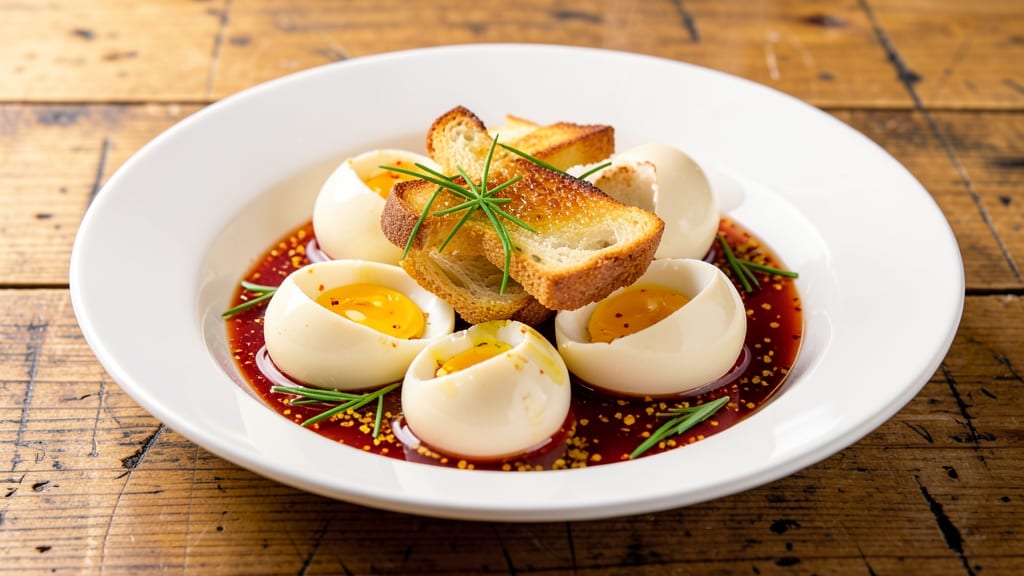
This hot pickled eggs recipe transforms ordinary hard-boiled eggs into a bold, briny side dish that adds crunch and tang to any meal in just 10 minutes. The secret lies in a quick vinegar cure that infuses the eggs with sharp, tangy flavor while keeping them perfectly firm.
I first discovered this technique while searching for a way to elevate simple sides, and the results were game-changing—especially when paired with fried chicken or sandwiches.
The process is straightforward: hard-boil eggs, then cure them in a vinegar-spice brine for 10 minutes before serving. This method ensures they stay crunchy on the outside while maintaining a tender bite inside.
The key to balancing flavor is using white vinegar (not apple cider) for a sharper tang, and a pinch of mustard powder to enhance the crunch without overpowering the egg’s natural taste.
What you’ll end up with is a crispy, vinegar-kissed egg that adds texture and brightness to any plate. Serve them warm alongside fried chicken, sandwiches, or even as a bold appetizer with a side of hot sauce.
The contrast of crunchy exterior and creamy interior makes this dish unforgettable—perfect for brunch, game day, or a quick weeknight meal.
For best results, use freshly boiled eggs and adjust the vinegar-to-water ratio to taste—more vinegar means more tang, while a splash of hot sauce adds heat. This recipe scales easily, so double the batch for parties or meal prep. Let’s get started!
Ingredients for hot pickled eggs
A handful of bold ingredients that transform simple eggs into a restaurant-worthy side dish.
| Ingredient | Amount | Notes |
|---|---|---|
| Large Eggs 🥚 | 8 whole | Freshly boiled, peeled, room temperature |
| White Vinegar 💧 | 1 cup | Distilled, not apple cider |
| Water 💧 | 1 cup | Filtered preferred for clarity |
| Diamond Crystal Kosher Salt 🧂 | 1 ½ tbsp | Fine grain for even dissolution |
| Mustard Powder 🌶️ | 1 tsp | Yellow or Dijon for authentic crunch |
| Garlic Powder 🧄 | ½ tsp | Freshly ground preferred |
| Ground Black Pepper 🌶️ | ½ tsp | Freshly cracked for intensity |
| Red Pepper Flakes 🌶️ | ¼ tsp | Adjust for desired heat level |
| Hot Sauce 🌶️ | 1 tbsp | Frank's RedHot recommended |
| Fresh Dill 🌿 | 1 tbsp | Chopped, optional for brightness |
| Extra-Virgin Olive Oil 🫒 | 1 tbsp | For post-cure coating |
The eggs are the foundation—freshly boiled within the last 24 hours ensures perfect firmness. Room temperature eggs absorb the brine more evenly, so take them out of the fridge 30 minutes before pickling. For the white vinegar, avoid apple cider—it lacks the sharpness needed for that signature tang. Diamond Crystal kosher salt dissolves completely, preventing grainy texture. If you're short on time, pre-boiled eggs from the grocery store work fine, but they won't have the same crisp exterior. The garlic powder and mustard powder are non-negotiable for that signature crunch—Penzeys Spices carries excellent quality if you want to splurge.
No white vinegar? Distilled vinegar is a direct substitute, but rice vinegar will give a milder flavor. Yellow mustard powder provides a sharper crunch than Dijon, but both work. For heat, cayenne pepper at half the amount delivers more punch than red pepper flakes. The hot sauce can be swapped for liquid smoke (½ tsp) if you want a smoky twist. Fresh dill adds brightness but isn't essential—dried dill at one-third the amount works in a pinch. If you're making this for a crowd, double the batch and use a large stainless steel bowl to ensure even curing.
The brine keeps for up to 1 week in the fridge, but the eggs should be pickled for no more than 10 minutes—any longer risks over-softening. For meal prep, store the cured eggs in a sealed container with a paper towel to absorb excess moisture. They'll stay crisp for 3-4 days this way. To serve, drain well and toss with extra-virgin olive oil for a glossy finish. Reheat gently in a dry skillet if serving warm, or serve straight from the fridge for a refreshing contrast. Portion into small jars for individual servings—they make perfect appetizers for game day.
Why You'll Love This Recipe
- No Fuss, No Fail: I’ll be real—this recipe is the kind of thing I make when I’m too tired to think. Hard-boil eggs, toss them into a jar with vinegar, salt, and mustard powder, and let them sit. That’s it. No peeling, no fussing, no "I forgot to soak them" disasters.
- Tangy Crunch Alert: Honestly, the flavor is where this recipe shines. The mustard powder gives it a subtle kick, while the vinegar keeps it bright and sharp—like a cross between a pickle and a mustard glaze. The eggs stay creamy inside with that perfect little bite on the outside. (Yes, even on a Tuesday night.)
- Snack Attack Ready: Between us, these are my go-to for parties, lunchboxes, or when I need a quick protein boost. They keep for weeks in the fridge, so I can make a big batch and grab them whenever. My kids reach for them before chips—no joke.
- Pennies and Minutes: I’m not kidding when I say this is budget-friendly. Eggs are cheap, vinegar lasts forever, and you’re using pantry staples. Plus, it’s one of those recipes where the longer they sit, the better they taste. Make a jar on Sunday, and you’ve got snacks all week without extra effort.
Step-by-step instructions for hot pickled eggs
Here's the method for perfectly brined eggs with vibrant color and crisp texture.
Prepare the Brining Solution
In a medium saucepan, combine the 1 cup white vinegar, 1 cup water, 1.5 tablespoons diamond crystal kosher salt, 1 teaspoon mustard powder, 0.5 teaspoon garlic powder, 0.5 teaspoon ground black pepper, and 0.25 teaspoon red pepper flakes. Bring to a simmer over medium-high heat while stirring until the salt and spices fully dissolve—you should see a clear, golden liquid with no visible granules.
Here's the thing—this solution needs to be completely clear. If you see any undissolved salt or pepper, strain it through a fine-mesh sieve into a clean bowl. The clarity of this brine ensures even flavor distribution and prevents cloudy pickled eggs. Once clear, remove from heat and let cool to room temperature for 5 minutes. This step prevents thermal shock to your eggs when they're added.
Add Eggs and Hot Sauce
While the brine cools, carefully place the 8 whole large eggs into a heatproof container or jar that can accommodate them in a single layer. Pour the cooled brine over the eggs, ensuring they're completely submerged. If any eggs float, gently press them down with a clean spoon or weight them with a small plate.
Add the 1 tablespoon hot sauce and 1 tablespoon chopped fresh dill to the brine. Stir gently to distribute these ingredients evenly around the eggs. The hot sauce will infuse subtle heat, while the dill adds a bright herbal note that cuts through the vinegar's sharpness. Seal the container tightly and let it sit at room temperature for at least 4 hours—this initial period allows the eggs to begin absorbing the flavor while maintaining their structural integrity.
Refrigerate for Maximum Flavor Development
After the initial 4-hour room-temperature period, transfer the container to the refrigerator and let the eggs pickle for at least 12 hours, or up to 48 hours for deeper flavor. The cold temperature slows the pickling process, allowing the vinegar to penetrate the eggshells gradually without compromising their texture. Check the eggs after 12 hours—they should have a slightly translucent appearance and a firm bite when tapped gently.
This is the moment that matters: the balance between acid penetration and egg texture. If you prefer a more intense flavor, extend the refrigeration time to 24 hours, but don't exceed 48 hours or the eggs may become overly soft. The vinegar's acidity will create a delicate crust on the eggshells, which is what gives hot pickled eggs their signature crunch.
Finish with Olive Oil Coating
Once the eggs reach your desired level of pickling, remove them from the brine and pat them dry with paper towels. This step is crucial—any residual moisture will prevent the olive oil from adhering properly. In a small bowl, combine the 1 tablespoon extra-virgin olive oil with a pinch of the reserved diamond crystal kosher salt from the brine.
Using a pastry brush, coat each egg thoroughly with this olive oil mixture. The oil adds a silky mouthfeel that contrasts beautifully with the vinegar's bite and the eggs' crunch. Let the eggs sit at room temperature for 10 minutes before serving to allow the oil to fully absorb into the shell's surface. Store any unused pickled eggs in the refrigerator, submerged in fresh brine, for up to 2 weeks.
Pro Tips For Making Hot Pickled Eggs
- Boil Eggs Until Firm: I learned this the hard way—undercooked eggs turn rubbery when pickling. Test one at 9 minutes: if it spins like a top, you’re good. Overcooked eggs? They’ll crack during pickling. Aim for 9-10 minutes in simmering water.
- Use Cold Eggs: Hot eggs shatter when submerged. Shock them in ice water for 5 minutes first—this also peels them easier. No ice bath? Run them under cold water until fully cooled. Trust me, your jar won’t look like a science experiment.
- Measure Salt Precisely: Diamond Crystal is 1:2 ratio (1 tsp salt = 2 tbsp water). Too little? Bland. Too much? Cloudy brine. Weigh it if possible, or use a kitchen scale for accuracy. I used to eyeball it—now I don’t.
- Add Mustard Last: Mustard powder burns in hot vinegar. Mix it with a splash of cold water first, then stir it into the cooled brine. This keeps the color bright and the flavor balanced. (Yes, it’s an extra step, but the texture is worth it.)
Perfect pairings for hot pickled eggs
Crispy Fried Chicken
Hot pickled eggs are a match made in heaven with crispy fried chicken—the tangy crunch cuts through the richness perfectly. I like to serve them on the side of buttermilk-fried chicken thighs (coated in Paprika Seasoning from McCormick) with a drizzle of honey mustard for extra brightness.
The contrast of the crunchy egg exterior and juicy chicken creates an irresistible bite. For best results, fry the chicken to 165°F internal temperature and keep the eggs warm in a 200°F oven for 5 minutes before serving. 🍗
Classic Sandwiches
Add these pickled eggs to any sandwich for a bold, briny kick. I love them on a grilled cheese with sharp cheddar and applewood smoked bacon, or in a Reuben with sauerkraut and Russian dressing.
For a Southern twist, layer them on a pimento cheese sandwich with crispy fried okra. The eggs add texture and prevent the sandwich from becoming too heavy. Serve with a side of pickles to amplify the tangy flavor profile. 🥪
Breakfast Plates
Elevate your breakfast game by serving hot pickled eggs alongside crispy bacon, sausage patties, and fluffy pancakes. The vinegar's sharpness balances the sweetness of the pancakes beautifully. I also like to add them to a breakfast burrito with scrambled eggs, cheese, and salsa.
For a lighter option, serve them with avocado toast and a sprinkle of flaky sea salt. The eggs add a savory crunch that keeps the meal interesting. 🍳
Game Day Appetizers
These pickled eggs are perfect for game day—serve them in small shot glasses or mini mason jars with toothpicks for easy snacking. Pair them with spicy wings, mozzarella sticks, and buffalo cauliflower bites. The tangy flavor cleanses your palate between bites of rich, fried foods.
For extra fun, arrange them on a platter with pickled jalapeños and chipotle crema for dipping. This combo is always a crowd-pleaser at parties. 🏈
Beverage Pairings
A crisp lager like Heineken or Corona balances the tangy, spicy notes of the pickled eggs beautifully. For a non-alcoholic option, try sparkling water with a squeeze of lemon—the bubbles complement the crunch.
If you prefer cocktails, a whiskey sour or gin and tonic with cucumber enhances the vinegar's brightness. Avoid heavy, sweet drinks that might clash with the sharp flavors. 🍺
Global Twists
For a Korean-inspired twist, serve the pickled eggs with kimchi and bulgogi beef. The fermented flavors play well together, adding depth to the dish. In a Mexican-style platter, pair them with queso fresco, black beans, and corn tortillas.
For a Mediterranean vibe, serve alongside hummus, olives, and grilled halloumi. These global pairings take the eggs to new flavor heights. 🌍
Nutrition facts
Frequently asked questions
Can I use store-bought pickled eggs instead of making them from scratch?
Store-bought pickled eggs won't work—they're already too soft and lack the signature crunchy exterior from the quick vinegar cure. This recipe requires freshly boiled eggs to achieve the perfect texture. The 10-minute vinegar bath creates that essential crispness that store versions can't replicate.
How do I prevent my eggs from becoming too soft during pickling?
Keep the pickling time to no more than 10 minutes in the hot brine—longer exposure softens the shells. Use room-temperature eggs (not cold) to prevent thermal shock, and always store them in the fridge after pickling. For extra firmness, add 1 extra teaspoon of mustard powder to the brine.
What's the best way to reheat pickled eggs?
For warm serving, place eggs in a dry skillet over medium-low heat for 1-2 minutes per side until heated through. Never microwave—they'll lose their crisp texture. To keep them warm for a crowd, place in a 200°F oven for 5 minutes before serving.
Can I make these eggs spicier?
Double the red pepper flakes to 0.5 teaspoon or add 1 teaspoon cayenne pepper to the brine. For extra heat, serve with hot sauce drizzle or spicy mayo. If you love heat, try adding ½ teaspoon crushed red pepper flakes directly to the olive oil coating.
How long can I store the leftover brine?
The leftover brine keeps for up to 1 week in the fridge. Strain out any egg debris and store in an airtight container. You can reuse it for quick pickling other veggies like radishes or cucumbers, but avoid using it for another batch of eggs—the flavor profile changes after the first use.