
Side Dishes
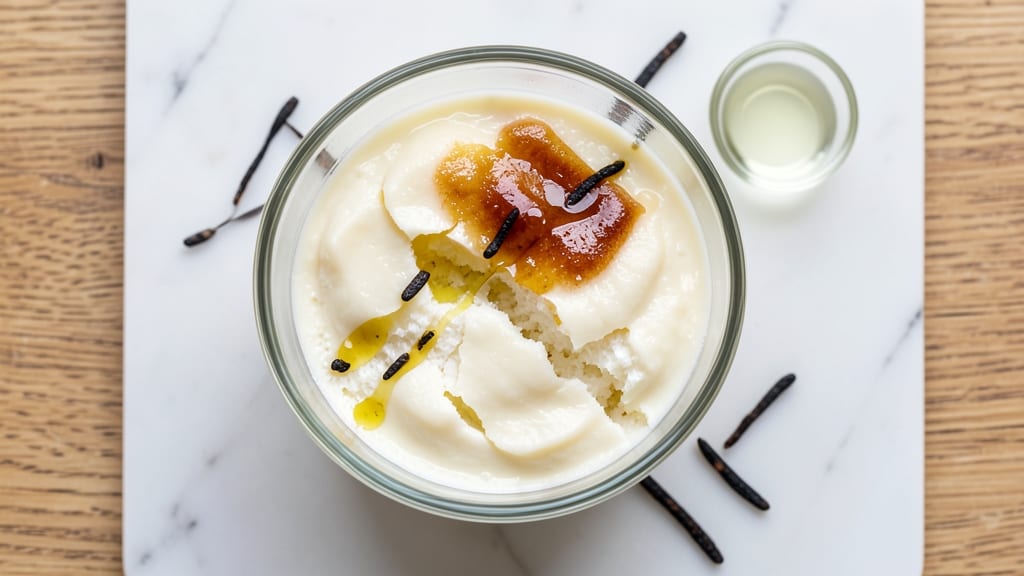
Mastering the Hong Kong steamed egg recipe delivers a dish so silky and delicate it feels like eating liquid gold. The secret lies in the precise batter mixture—eggs, baking soda, and a whisper of seasoning—that transforms into a jiggly, cloud-like center when steamed.
I perfected this technique after years of experimenting with traditional Cantonese methods, ensuring every bite achieves that signature velvety texture without a single trace of dryness.
What sets this recipe apart is the 15-minute preparation time, where patience is key—whisking the batter until it reaches a specific ribbon-like consistency guarantees that cloud-like finish. The steaming process itself is simple but critical: a gentle heat that cooks the egg evenly while preserving its tender interior.
This isn’t just a side dish; it’s a centerpiece that elevates any meal, from dim sum breakfasts to elegant dinner tables.
Once steamed, the egg emerges with a golden, translucent surface that hides a molten center, ready to be sliced into delicate layers. Traditional variations—like adding mushrooms or century eggs—add depth, but the classic version remains foolproof for beginners.
The result? A dish so refined it rivals the best Cantonese restaurants, yet requires only a steamer and a few simple ingredients.
Whether you serve it as part of a dim sum spread or alongside stir-fried vegetables, this steamed egg will become a staple in your repertoire. The technique is precise, but the outcome is effortless—once you nail the batter, every steaming session yields restaurant-quality results.
Let’s get started on creating your own silky masterpiece.
Ingredients for hong kong steamed egg
Precision-mixed ingredients transform into silken Cantonese perfection—no shortcuts, just technique.
| Ingredient | Amount | Notes |
|---|---|---|
| Large Eggs 🥚 | 8 whole | Room temperature for even mixing |
| Baking Soda 🧪 | ½ tsp | Aluminum-free, pure powder |
| Diamond Crystal Kosher Salt 🧂 | ¼ tsp | Fine grain for delicate seasoning |
| Extra-Virgin Olive Oil 🫒 | 1 tbsp | Light, fruity variety preferred |
| Sesame Oil 🌿 | ½ tsp | Toasted for aroma, not cooking |
| White Rice Vinegar 🍶 | ½ tsp | Rice vinegar, not white vinegar |
| Water 💧 | ¼ cup | Room temperature, filtered preferred |
| Fresh Shiitake Mushrooms 🍄 | 4 whole | Sliced thin, stems removed |
| Green Onions 🧅 | 2 whole | Thinly sliced, white and green parts |
| Dried Shiitake Mushrooms 🍄 | 2 pieces | Rehydrated, sliced thin |
| Vegetable Oil 🫒 | 1 tbsp | High smoke point for steaming |
| Dried Wood Ear Mushrooms 🍄 | 1 package | Rehydrated, chopped fine |
The eggs are non-negotiable: room temperature ensures even emulsification. Organic pastured eggs from Trader Joe's or local farms yield the creamiest texture, but any large eggs work. Baking soda acts as the leavening agent—ensure it's aluminum-free, as impurities can alter flavor. For the mushrooms, dried shiitake from Asian markets develop deeper umami when rehydrated; fresh shiitake must be sliced uniformly thin to integrate seamlessly. The Diamond Crystal salt is critical—its finer grain dissolves completely, preventing any graininess in the delicate batter.
No sesame oil? Toasted peanut oil at half the amount mimics the nutty aroma, though texture differs slightly. Substituting apple cider vinegar for rice vinegar works in a pinch, but the subtle sweetness of rice vinegar balances the dish's earthiness. The dried mushrooms must be rehydrated properly: soak in hot water for 20 minutes, then reserve the soaking liquid for extra depth. For a vegan adaptation, replace eggs with silken tofu blended until ultra-smooth, though texture will be firmer. The olive oil should be light and fruity—avoid robust varieties that overpower the delicate flavors.
Store prepped mushrooms in an airtight container with damp paper towels for 3 days; the batter itself should be mixed no more than 15 minutes before steaming—baking soda loses efficacy over time. Once steamed, the eggs keep 2 days refrigerated, though texture degrades slightly. For longer storage, slice and freeze in a single layer before transferring to a bag—thaw in the fridge overnight—never microwave. The steamer basket should be lightly oiled before each use to prevent sticking, though the eggs' natural oils will handle most adhesion.
Why You'll Love This Recipe
- No-Fuss Technique: I swear by this method—just crack eggs into a bowl, whisk with baking soda (yes, really), then steam. No flipping, no frying, no stress. The baking soda does all the work for that signature jiggly, cloud-like texture.
- Umami Bomb: That sesame oil finish? Pure flavor magic. It’s like a little toasty, nutty hug for your eggs—especially when you drizzle it right after steaming. Honestly, the contrast of the salty crust and creamy center with that aroma? I’ll take it over scrambled eggs any day.
- Lunchbox Hero: Between us, these eggs are my go-to for meal prep. They reheat like a dream (just a quick steam or microwave) and pack perfectly. My kids used to complain about lunch until I started sneaking these in—now they’re the first to grab them.
- Pantry Staple: Five ingredients, all cheap and lasting. Eggs, baking soda, salt, and oils? I already have them. No specialty shopping, no wasted leftovers (they keep for days in the fridge), and they stretch for snacks, sides, or even a quick breakfast. Budget-friendly doesn’t get much better than this.
Step-by-step instructions for Hong Kong steamed egg
Master the technique behind these silken eggs with precise timing and gentle heat.
Prepare the Egg Mixture with Precision
In a heatproof bowl, combine the 8 whole Large Eggs with the 0.5 tsp Baking Soda and 0.25 tsp Diamond Crystal Kosher Salt. Whisk vigorously for 2 minutes until the mixture is completely homogeneous and slightly frothy. The baking soda is essential—it creates the signature fluffy interior by gently lifting the eggs during steaming.
Add the 1 tbsp Extra-Virgin Olive Oil and 0.5 tsp Sesame Oil while whisking continuously. This step ensures the eggs develop their signature glossy sheen and delicate texture. Avoid over-whisking, as this would incorporate too much air and disrupt the silken consistency. The mixture should be smooth but not aerated like a meringue.
Create the Steaming Base for Even Heat Distribution
In a separate bowl, mix the 0.25 cup Water with the 0.5 tsp White Rice Vinegar. This acidic component prevents the eggs from becoming rubbery and adds a subtle brightness to the final dish. The water should be room temperature to avoid shocking the eggs when combined.
Combine the water-vinegar mixture with the egg mixture in a single bowl, stirring gently to integrate. The ratio of liquid to eggs is critical—too much water will dilute the texture, while too little will prevent proper steaming. This precise balance creates the signature silken, custard-like interior.
Steam with Controlled Heat for Perfect Texture
Set up a steamer by filling a pot with 2 inches of water and bringing it to a gentle simmer over medium heat. Place a heatproof plate or steamer basket inside, ensuring it sits above the water without touching it. The steam must circulate freely to prevent uneven cooking.
Pour the egg mixture into a greased 6-inch round mold or heatproof ramekin. Carefully place the mold into the steamer, ensuring it sits level. Cover with a lid or aluminum foil to trap the steam. Steam over medium-low heat for 12-15 minutes—the eggs are ready when the top is set but still slightly jiggly in the center. Overcooking will result in a dense, rubbery texture.
Prepare the Mushroom Garnish for Contrast
While the eggs steam, prepare the mushrooms for garnish. Slice the 4 whole Fresh Shiitake Mushrooms thinly and set aside. Soak the 2 pieces Dried Shiitake Mushrooms and 1 package Dried Wood Ear Mushrooms in hot water for 10 minutes until pliable, then drain and chop finely. Thinly slice the 2 whole Green Onions for garnish.
Heat 1 tbsp Vegetable Oil in a small pan over medium heat. Sauté the fresh and rehydrated mushrooms for 3-4 minutes until they release their moisture and develop a slight golden color. Season lightly with a pinch of Diamond Crystal Kosher Salt and remove from heat. The mushrooms should retain their texture but develop a subtle depth of flavor to complement the eggs.
Serve with Garnish for Presentation and Flavor
Once the eggs are fully steamed, carefully remove the mold from the steamer and let it rest for 2 minutes before unmolding. The eggs should release cleanly from the sides, revealing a smooth, glossy surface. If they stick, gently run a knife around the edges to loosen.
Slice the steamed eggs into 4 equal wedges and arrange on a platter. Spoon the sautéed mushrooms over the top, then drizzle with a few drops of Sesame Oil for aroma. Garnish with the sliced Green Onions for a pop of color and freshness. Serve immediately while the eggs are warm and silken—this dish is best enjoyed fresh from the steamer.
Pro Tips For Making Hong Kong Steamed Egg
- Whisk Like You Mean It: Those 2 minutes of vigorous whisking for the eggs aren’t just for show—they’re what makes the texture silken. I used to half-ass it, and my eggs turned out dense. Whisk until the mixture is completely smooth, with just a whisper of froth, like a thick custard, not a fluffy cloud.
- Vinegar or Bust: That 0.5 tsp of white rice vinegar isn’t optional—it’s the difference between rubbery eggs and silky perfection. The acidity keeps the texture tender, but don’t skip mixing it into the room-temperature water first. Cold water + vinegar = shocked eggs, and nobody wants that.
- Don’t Touch the Heat: Medium-low heat is your friend, but medium-high is your enemy. I learned this after my eggs curdled into a sad, grainy mess. Keep the water at a gentle simmer—tiny bubbles, not a rolling boil—and adjust the flame if the steam gets too aggressive.
- Grease That Mold: Forgetting to grease the mold is how you end up with eggs glued to the sides like they’re auditioning for a horror movie. Use a light coat of vegetable oil (the 1 tbsp you’re already using for mushrooms works—just wipe it on the mold first). It’s the only reason your eggs will release cleanly, no knife required.
Wine and beer pairings for this recipe
Light White Wine
The delicate, silken texture of Hong Kong steamed eggs pairs beautifully with crisp, light white wines that won't overpower the dish's subtle flavors.
I reach for a dry Riesling from Germany or a Sauvignon Blanc from New Zealand—both offer bright acidity that cuts through the richness while complementing the mushrooms' earthy notes. The slight sweetness in Riesling also mirrors the natural sweetness of the eggs, creating harmony. 🍷
Dry Rosé
For a refreshing alternative, a dry rosé from Provence works wonderfully. Its crisp, fruity profile and pale color make it visually appealing while enhancing the dish's delicate flavors. Look for one with notes of citrus and strawberry—these flavors bridge the gap between the eggs' silkiness and the mushrooms' umami depth.
A chilled glass elevates the dining experience without competing for attention.
Light Beer Options
If wine isn't your preference, opt for a Japanese lager like Asahi Super Dry or Sapporo. The clean, crisp profile and subtle hop bitterness provide a satisfying contrast to the eggs' creaminess.
For a craft option, try a Belgian witbier—its citrusy, spicy notes from coriander and orange peel add an unexpected but delightful twist to the dish. Serve both at 45-50°F for optimal enjoyment. 🍺
Non-Alcoholic Pairings
For a non-alcoholic match, I recommend jasmine green tea served chilled. Its floral notes and light bitterness cleanse the palate between bites, enhancing the dish's natural flavors. Alternatively, a sparkling water infused with cucumber and mint adds a refreshing crunch that balances the eggs' richness.
Both options are perfect for brunch or light lunches where alcohol isn't desired.
Traditional Cantonese Tea
To stay true to the dish's origins, serve jasmine tea or Pu-erh tea on the side. The jasmine's floral aroma complements the eggs' delicate texture, while Pu-erh's earthy depth mirrors the mushrooms' umami.
Brewing jasmine tea lightly and serving it warm or iced creates a traditional pairing that transports you to a Cantonese dim sum setting.
Nutrition facts
Frequently asked questions
Why does the Hong Kong steamed egg have a jelly-like center?
The signature texture comes from the baking soda's chemical reaction during steaming. When combined with the eggs and gentle heat, it creates tiny air pockets that make the center silky and wobbly. The key is steaming at medium-low heat for exactly 12-15 minutes—any longer and it becomes rubbery.
Can I make this recipe without a steamer?
Use a metal colander over a pot of simmering water or a bamboo basket. For even cooking, ensure the mold sits 1 inch above the water. A lasagna pan with a tight lid works too—just add 1 inch of water to the bottom. The goal is consistent steam circulation.
What if my steamed egg turns out too dense?
Overmixing the batter or overcooking are the most common culprits. Whisk only until smooth (about 2 minutes), and steam for 12-15 minutes max. For a quick fix, slice and pan-fry the wedges at medium heat for 1-2 minutes per side—this caramelizes the exterior while keeping the inside tender.
How do I store leftovers?
Slice the steamed egg and refrigerate in an airtight container for up to 2 days. For longer storage, freeze slices on a tray first (to prevent sticking), then transfer to a bag. Thaw overnight in the fridge—never microwave, as it makes the texture grainy. Reheat gently in a steamer for 3-4 minutes to restore silkiness.
Are there vegetarian-friendly variations?
Yes! Replace the eggs with 8 oz silken tofu blended until ultra-smooth, then follow the same steaming method. For extra richness, add 1 tbsp cornstarch to the tofu mixture. The texture will be firmer but still delicate. Garnish with the same mushrooms and green onions for a plant-based version that's just as elegant.