
Side Dishes
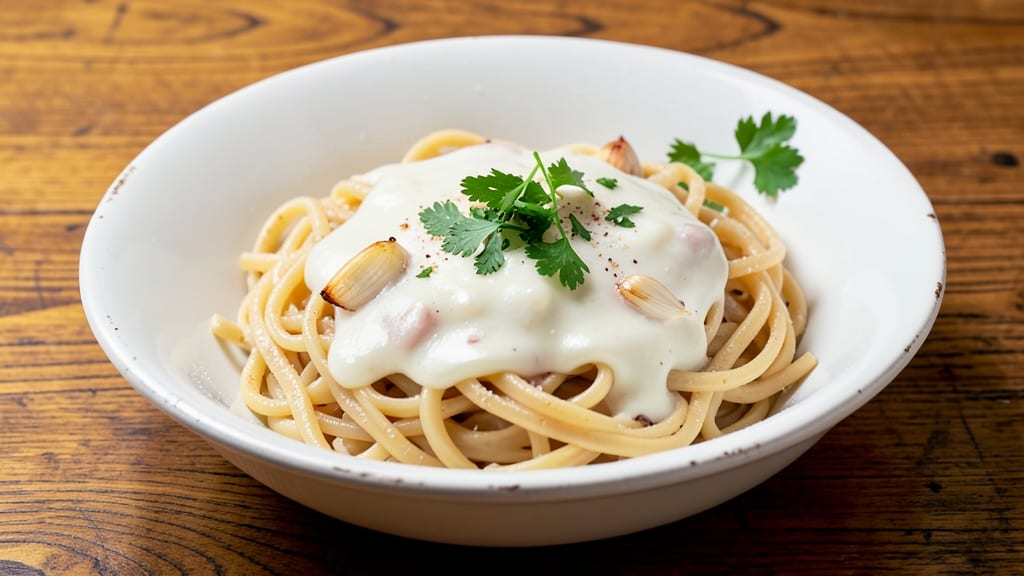
Grandma's egg noodle recipe brings back the comforting aroma of home-cooked meals that stick to your ribs long after dinner. There's something magical about the way fresh egg noodles absorb rich sauces, creating a dish that's both simple and deeply satisfying.
I've perfected this recipe over years of family gatherings, where it becomes the star of every meal.
The beauty of this dish lies in its versatility—whether you're making homemade noodles or using store-bought, the key is in the sauce. A classic butter-and-cheese combination creates a velvety coating that clings perfectly to each noodle, while a pinch of salt and pepper brings out the natural flavors.
The result is a hearty side that pairs beautifully with roasted meats or stands alone as a comforting main.
What makes this recipe special is how it transforms ordinary ingredients into something extraordinary. The noodles cook in just 10 minutes, while the sauce comes together in minutes, making it perfect for weeknight dinners or holiday feasts.
Every bite delivers that nostalgic warmth, proving that sometimes the simplest dishes are the most memorable.
Serve this dish with a sprinkle of fresh parsley for color, or add a side of steamed vegetables for balance. The leftovers reheat beautifully, making it an ideal meal prep option too. Here's how to create this timeless classic in your own kitchen.
Ingredients for grandma's egg noodle
Pantry staples and a few fresh touches—this homestyle cheese sauce transforms simple noodles into comfort food magic.
| Ingredient | Amount | Notes |
|---|---|---|
| Fresh Egg Noodles 🍝 | 8 oz | Homemade or store-bought, medium width |
| Unsalted Butter 🧈 | ½ cup | Full-fat for best flavor |
| Sharp White Cheddar Cheese 🧀 | 1 ½ cups | Shredded, block preferred |
| Whole Milk 🥛 | ¼ cup | Warmed slightly for creaminess |
| Garlic Cloves 🧄 | 2 cloves | Minced, fresh preferred |
| Fresh Parsley 🌿 | 0.1 cup | Chopped, for garnish |
| Kosher Salt 🧂 | ½ tsp | Adjust to taste |
| Freshly Ground Black Pepper 🌶️ | ¼ tsp | Light hand for seasoning |
| Heavy Cream 🥛 | ¼ cup | Optional for extra richness |
| Freshly Baked Bread 🍞 | 4 slices | For serving, optional |
| Steamed Green Beans 🥦 | 1 ½ cups | Optional vegetable side |
The cheese is where the magic happens. Sharp white cheddar melts smoothly and has that perfect tang—Kraft or Cabot are my go-tos, but any block-style cheddar works. Pre-shredded gets clumpy, so grab a bag of blocks and shred it yourself. For the butter, Land O'Lakes or Plugrá are reliable, but any unsalted butter will do. The garlic? Fresh is non-negotiable here—jarred minced has a metallic aftertaste that ruins everything. If you're making homemade noodles, King Arthur flour is my secret for that perfect egg noodle texture.
No sharp cheddar? Parmesan mixed with mild cheddar works in a pinch, but the flavor won't be the same. Short on butter? Olive oil or margarine can substitute, though the taste will be different. The heavy cream is optional but adds that restaurant-quality richness—Hormel or Organic Valley are good brands if you're buying store-bought. For the parsley, fresh is ideal, but if you're out, dried parsley at one-third the amount will work. The green beans can be any steamed vegetable—broccoli or asparagus both pair well. And if you're feeling fancy, toss in a splash of lemon juice at the end for brightness.
This sauce reheats beautifully—just add a splash of milk or water to loosen it up. Keeps in the fridge for 4-5 days sealed tightly, or freeze portions for up to 3 months. I always double the recipe because leftovers make the best next-day lunches. For serving, crusty bread or garlic bread is perfect, but it's just as good on its own. The noodles cook in minutes, so time your sauce to finish just as they're done—that's when it clings best. Garnish with extra parsley right before serving, or save it for later.
Why You'll Love This Recipe
- I’ll be real: I make this twice in one week. The sauce stays rich when reheated, and the noodles hold up better than takeout. Stash it in the fridge for 4-5 days or freeze portions for 3 months—because nothing beats coming home to a dish that tastes like home, even on day three.
- One-Pot Magic: The only pan you’ll need is the one you melt that 0.5 cup unsalted butter in—no extra dishes, no stress. I swear, the way the 1.5 cups sharp white cheddar melts into the whole milk and garlic while you stir is practically hands-off once you get the rhythm.
- Cheese Clings Like Glue: That’s not an exaggeration. The fresh egg noodles—still coated in their starchy cooking water—grab the sauce like it’s their job. No dry spots, no sad noodles at the bottom. It’s the kind of dish where every bite feels intentional, thanks to that 30-second garlic toast and the heavy cream (if you use it) making the sauce sing.
- Weeknight Workhorse: Between us, this is my go-to when I need to feed the family fast but still feel like I’ve done something special. Skip the steamed green beans if you’re in a rush, or add them for balance—either way, it’s ready in 25 minutes. And honestly? The freshly baked bread on the side makes it feel like a restaurant meal, even if you’re in pajamas.
Step-by-step instructions for grandma's egg noodle recipe
Here's how to create that classic homestyle cheese sauce that clings perfectly to every noodle.
Cook the Fresh Egg Noodles Al Dente
Bring a large pot of water to a rolling boil and add 8 oz fresh egg noodles. I like to use a pinch of the 0.5 tsp kosher salt in the boiling water to enhance flavor. Cook the noodles for 8-9 minutes until they're al dente—you want them tender but still with a slight bite. They should float to the surface when done.
While they cook, I recommend tasting one noodle at the 7-minute mark to check for doneness. Fresh egg noodles cook faster than dried pasta, so timing is everything. Once al dente, drain the noodles immediately and set them aside in a colander. Don't rinse them—the residual starch helps the cheese sauce cling beautifully.
Create the Creamy Cheese Sauce Base
In a large skillet over medium-low heat, melt the 0.5 cup unsalted butter until it foams but doesn't brown. Add the 2 minced garlic cloves and cook for 30 seconds until fragrant—this prevents the garlic from burning while infusing flavor. Here's the thing—don't walk away during this step. Garlic burns in seconds.
Next, gradually whisk in the 1.5 cups sharp white cheddar cheese, 0.25 cup whole milk, and 0.25 cup heavy cream. I use a wooden spoon for this to avoid scratching my nonstick pan. Keep stirring constantly until the cheese melts completely and the sauce thickens to a smooth consistency. This should take about 3-4 minutes. If the sauce looks too thick, add 1-2 tablespoons of pasta water to loosen it.
Combine Noodles and Sauce for Perfect Coating
Add the drained noodles to the cheese sauce and toss gently but thoroughly to coat each strand completely. The sauce should cling to the noodles like a second skin. If you notice any dry spots, add another splash of pasta water and toss again. The key here is patience—don't rush the tossing or you'll end up with uneven coverage.
Season immediately with the 0.5 tsp kosher salt and 0.25 tsp freshly ground black pepper. I like to give it a final taste at this stage to adjust seasoning. The cheese should be tangy enough to stand on its own, but the salt and pepper balance it perfectly. Let the mixture sit for 1-2 minutes off the heat to allow the flavors to meld.
Prepare the Steamed Green Beans and Bread
While the noodles finish, arrange the 1.5 cups steamed green beans on a serving platter. I like to toss them lightly with a pinch of kosher salt and a few sprinkles of fresh parsley for color and freshness. The green beans should still be vibrant and crisp—just barely steamed to maintain their texture.
Warm the 4 slices freshly baked bread in the oven at 350°F for 3-4 minutes until toasted and crisp. This gives the bread that perfect crunch to complement the creamy noodles. Arrange the bread slices alongside the green beans on the serving platter.
Serve Immediately with Perfect Pairings
Transfer the cheesy noodles to a serving dish or directly onto plates. The sauce should be glossy and cling to every noodle without pooling at the bottom. Garnish with the remaining 0.1 cup fresh parsley for a pop of color and freshness. Serve immediately with the steamed green beans and toasted bread on the side.
This dish tastes best when served right away while the noodles are hot and the cheese sauce is still creamy. Each bite should deliver that perfect balance of rich, cheesy flavor with a satisfying texture contrast from the green beans and bread. Don't skip the bread—it's essential for soaking up any extra sauce.
Pro Tips For Making Grandma'S Egg Noodle
- Test Noodles Early: Fresh egg noodles cook faster than you’d expect—taste one at 7 minutes. If it’s still firm, keep going; if it’s mushy, drain immediately. I learned this the hard way after serving overcooked noodles that turned to glue.
- Shred Cheese Like a Pro: Use a block of sharp white cheddar and shred it yourself—pre-shredded cheese has anti-caking agents that make the sauce grainy. A box grater works best, and don’t pulse it in the food processor or you’ll end up with cheese dust instead of smooth strands.
- Don’t Rush the Toss: When combining noodles and sauce, take your time—lumpy spots mean undercooked strands or missed sauce. Work in batches if needed, and use tongs to flip noodles gently. I used to rush this and always ended up with dry pockets of noodles.
- Warm the Milk: Heat the whole milk just until it’s lukewarm before adding it to the butter—cold milk makes the cheese sauce seize up. Microwave it for 15 seconds or warm it in a small saucepan over low heat. Trust me, your sauce will thank you.
Essential equipment for this dish
Noodle-Making Essentials
For homemade egg noodles, you’ll need a stand mixer with a dough hook attachment—I swear by my KitchenAid Artisan Series—and a rolling pin with a nonstick surface to prevent sticking.
A pasta machine (like the Imperia Atlas 150) takes your noodles from thick to thin in seconds, but a sharp knife and steady hand work in a pinch.
If you’re buying fresh noodles, look for medium-width ones at specialty stores or the refrigerated section of grocery stores like Whole Foods or Trader Joe’s. 🍝
Sauce-Making Tools
A nonstick skillet (I use All-Clad Stainless) is non-negotiable for the cheese sauce—it prevents sticking and makes cleanup a breeze. A wooden spoon is better than metal for stirring to avoid scratching the pan.
For melting cheese smoothly, a small saucepan comes in handy if your skillet is too shallow. Don’t forget a fine-mesh strainer for draining noodles without losing starch—OXO Good Grips is my go-to brand. 🧈
Heat Control Helpers
An instant-read thermometer (like the Thermoworks ThermoPop) ensures your butter melts to 160°F without burning, while a kitchen timer keeps your noodles from overcooking. For even heat distribution, use a medium-sized saucepan—nothing too deep or shallow.
If you’re adding garlic, a garlic press (like Norpro) saves time and ensures even mincing. 🌡️
Serving & Garnishing
A large serving platter (I love Le Creuset stoneware) keeps everything warm and presents the dish beautifully. For garnishing, tweezers help place parsley leaves precisely, and a small bowl keeps extra cheese or butter handy for second helpings.
If you’re serving with bread, a skillet or toaster oven works for quick toasting. 🍞
Storage & Reheating Gear
For leftovers, glass storage containers (like Pyrex) preserve flavor better than plastic. A microwave-safe bowl with a splash of milk revives the sauce’s creaminess when reheating.
If you’re freezing, quart-sized freezer bags (with ZipLoc) save space and thaw faster than containers. Label everything with dates—trust me, you’ll thank yourself later. ❄️
Nutrition facts
Frequently asked questions
Can I use dried pasta instead of fresh egg noodles?
Dried pasta works perfectly—just swap in 8 oz of egg pasta or fettuccine and cook it for 10-12 minutes until al dente. The sauce will still cling beautifully, though fresh noodles have that extra tender bite. The key is to drain and toss immediately to capture the starch for that perfect cling.
Why does my cheese sauce turn out grainy instead of smooth?
Pre-shredded cheese contains anti-caking agents that cause clumps! Skip it—use whole blocks of sharp cheddar and shred it yourself right before cooking. Also, melt the cheese slowly over low heat and stir constantly to avoid scorching. If it gets grainy, add a splash of pasta water and whisk vigorously.
How do I reheat leftovers without drying out the noodles?
Reheat gently in a skillet over low heat with a splash of whole milk or pasta water to restore creaminess. Cover with a lid to trap steam, and stir occasionally. Microwaving works too—just cover loosely and stir halfway through. Never reheat in the microwave without liquid, or the noodles will turn rubbery.
Can I make this dish ahead of time?
Yes! Cook the noodles and sauce separately, then refrigerate. When ready to serve, reheat the sauce first in a skillet, then toss with the noodles. Store sauce in an airtight container for 4-5 days—it freezes beautifully too for up to 3 months. Just thaw overnight in the fridge before reheating.