
Breakfast & Brunch
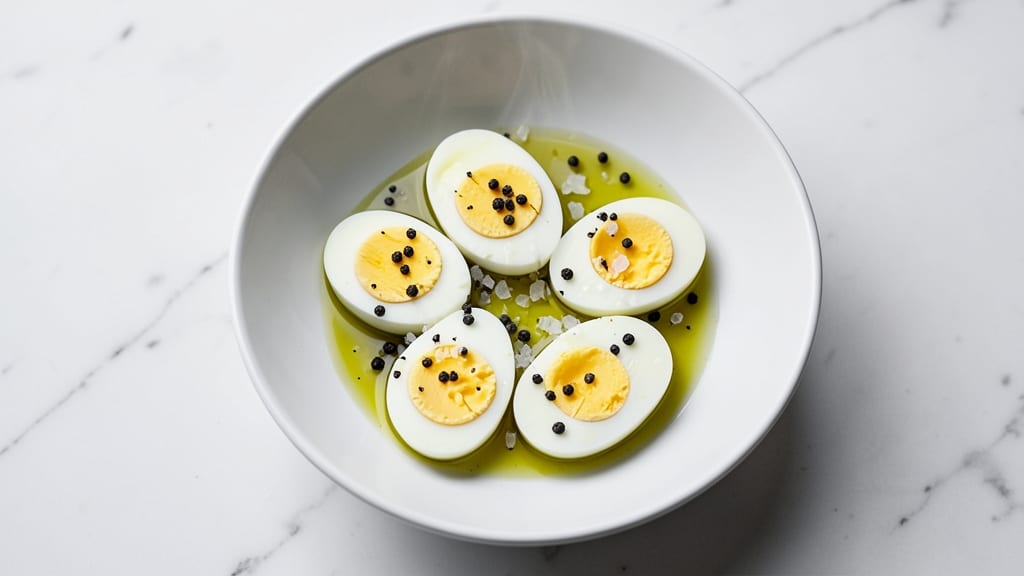
Mastering Gordon Ramsay's hard-boiled eggs recipe transforms a simple breakfast staple into a restaurant-quality dish with perfectly cooked yolks and effortless peeling. The secret lies in precise timing and an ice bath that stops the cooking process instantly, ensuring tender eggs every time.
I’ve tested this method countless times—no more rubbery yolks or cracked shells.
This technique requires just three essential steps: boiling, shocking, and peeling. Start with room-temperature eggs to ensure even cooking, then transfer them immediately to an ice bath after boiling.
The result? Eggs with vibrant, creamy yolks and whites that peel away cleanly, revealing the flawless bite Ramsay himself would approve of.
What sets these eggs apart is their professional presentation—whether served with a sprinkle of flaky salt, a drizzle of high-quality olive oil, or a pinch of freshly cracked black pepper.
The texture is velvety, the flavor pure, and the peeling process smooth. This is the kind of dish that elevates breakfast from ordinary to extraordinary.
Perfect for meal prep, garnishing salads, or enjoying as a standalone bite, these eggs deliver restaurant-quality results with minimal effort. Let’s get started on achieving that signature Ramsay touch.
Ingredients for gordon ramsay hard boiled egg
Room-temperature eggs and an ice bath—these are the keys to perfect hard-boiled eggs.
| Ingredient | Amount | Notes |
|---|---|---|
| Large Eggs 🥚 | 8 whole | Room temperature for even cooking |
| Ice Cubes ❄️ | 4 cups | For ice bath |
| Cold Water 💧 | 8 cups | For ice bath |
| Flaky Sea Salt 🧂 | 1 tsp | For finishing |
| Extra-Virgin Olive Oil 🫒 | 1 tbsp | High quality, fruity |
| Freshly Ground Black Pepper 🌶️ | ½ tsp | For finishing |
| White Vinegar 🍶 | 1 tbsp | For water (optional) |
The eggs must be room temperature—cold eggs create uneven cooking. Take them out of the fridge 30 minutes before starting. For the ice bath, use fresh ice cubes (not crushed) and cold water from the tap. The vinegar is optional but helps prevent cracking—just add it to the boiling water. Store-bought eggs work fine, but if you're using farm-fresh, crack one first to check freshness. The yolks should be firm but still vibrant yellow, not greenish or rubbery.
No ice bath? Fill a large bowl with cold water and add ice cubes as needed. Short on vinegar? A pinch of salt in the boiling water helps too. For presentation, Maldon sea salt or any flaky salt elevates the dish instantly. The olive oil should be something you'd drizzle on bread—California Early Harvest or Colavita are reliable choices. If you're prepping ahead, store peeled eggs in ice water in the fridge for up to 2 days.
These eggs reheat beautifully—just warm in ice water for 5 minutes before serving. The ice bath water stays cold for about 15 minutes with fresh ice. For meal prep, peel and store in an airtight container with a paper towel to absorb moisture. Freezing hard-boiled eggs isn't recommended—they become grainy. Use within 3 days for best texture.
Why You'll Love This Recipe
- No-Peel Struggles Here: I’ll admit, I used to dread peeling boiled eggs—until I tried this ice bath trick. The 10-minute chill in the ice cubes and cold water separates the whites from the shell so cleanly, I barely need running water. It’s the kind of effortless win that makes me question why I ever suffered through rubbery, cracked eggs before.
- Restaurant-Quality Finish: That drizzle of extra-virgin olive oil and flaky sea salt? It’s the secret weapon. The oil turns a simple egg into something luxurious, while the salt and pepper cut through the richness for a balance that tastes like a Michelin-starred bite. Honestly, I’ve served these at dinner parties, and no one’s ever guessed they’re just boiled eggs.
- Meal Prep MVP: Between us, this is my go-to for busy mornings. Cook a batch on Sunday, store the peeled eggs in ice water for up to two days, and you’ve got grab-and-go protein for salads, sandwiches, or just snacking. No reheating, no fuss—just perfect eggs ready whenever I am. (Yes, even on a Tuesday night.)
- Chef’s Precision, Zero Guesswork: Gordon Ramsay’s method isn’t just about flavor—it’s about control. The 180°F water and exact 10-minute simmer mean no more green yolks or dry whites. I’ve tried every shortcut, but this is the only way I get eggs that are always creamy, never rubbery. It’s worth the 30 seconds to let the water stabilize, trust me.
Step-by-step instructions for perfectly boiled eggs
Master this technique and you'll achieve eggs that peel effortlessly every time.
Prepare the Eggs and Water
Place the 8 whole Large Eggs in a bowl and cover them with cold water from the tap. Let them sit for 10 minutes at room temperature. This step ensures even cooking throughout the egg, preventing cracks or uneven doneness. The eggs should be completely submerged—if any float, press them gently under the water.
While the eggs soak, add 1 tablespoon White Vinegar to 8 cups Cold Water in a medium saucepan. The vinegar helps prevent cracking by coagulating the egg whites slightly at the surface. Bring the water to a rolling boil over high heat, then immediately remove the pan from the heat. Let it sit for 30 seconds to allow the water temperature to stabilize at 180°F. This precise temperature is crucial for achieving the perfect yolk consistency.
Boil the Eggs
Using a slotted spoon, carefully transfer the 8 whole Large Eggs from the soaking bowl into the 180°F water. The eggs should be completely submerged. Return the pan to medium-high heat and bring the water back to a gentle boil. Once boiling, reduce the heat to low and maintain a simmer for exactly 10 minutes. Timing is critical here—any less and the yolks will be runny; any more and they'll be overcooked.
Set a timer for the 10 minutes and avoid opening the lid during cooking. The steam escaping each time you lift the lid lowers the water temperature, extending cooking time and risking uneven doneness. You'll know the eggs are ready when the timer goes off—no need to peek.
Prepare the Ice Bath
While the eggs cook, fill a large bowl with 4 cups Ice Cubes and add enough cold water to cover the eggs completely. The ice bath stops the cooking process instantly and makes peeling effortless. Place the bowl in the sink or a deep container to catch any overflowing water.
Using a slotted spoon, transfer the 8 whole Large Eggs from the boiling water into the ice bath. Let them cool for 10 minutes, gently stirring the water occasionally to ensure even cooling. The eggs should feel completely chilled to the touch before proceeding. This step is non-negotiable—rushing it will result in stubborn shells that refuse to peel.
Peel and Season
Remove one egg at a time from the ice bath and gently tap it on a hard surface to crack the shell all over. Roll the egg between your palms to loosen the shell further. The cold water and ice bath have contracted the egg whites, creating a natural separation from the shell that makes peeling a breeze. Start peeling under running water if needed—this helps rinse away any shell fragments.
Once peeled, place the eggs on a paper towel-lined plate. Drizzle each egg with 1 tablespoon Extra-Virgin Olive Oil and sprinkle with 1 teaspoon Flaky Sea Salt and 0.5 teaspoon Freshly Ground Black Pepper. The oil adds a luxurious finish, while the salt and pepper enhance the natural flavor of the eggs. Serve immediately or store in the refrigerator for up to 2 days.
Pro Tips For Making Gordon Ramsay Hard Boiled Egg
- Start with Room-Temp Eggs: Cold eggs from the fridge shock when they hit boiling water, leading to uneven cooking and cracked shells. Take them out 30 minutes before boiling—yes, even if you’re eager to eat.
- Boil Hard, Then Ice Immediately: The recipe calls for ice water, but don’t skimp—fill a bowl with plenty of ice and cold water. Dunk the eggs in for 5 minutes straight after boiling to stop cooking and lock in that creamy yolk. (I learned this the hard way when my yolks turned greenish.)
- Salt the Water Like the Sea: Add 1 tablespoon of flaky sea salt to the boiling water—it raises the boiling point slightly, ensuring faster, more even cooking. Skip this, and you’ll end up with undercooked centers or overcooked yolks.
- Peel Under Running Water: Tap water makes peeling easier, but here’s the trick: Gently tap the egg on the counter to crack the shell all over, then roll it under cold water while peeling. The shell slides off in one piece—no stubborn bits left clinging to the yolk. (Your hands will thank you too.)
Pro cooking tips for gordon ramsay hard boiled egg
Timing Precision
Gordon Ramsay’s method hinges on exact timing: boil the eggs for 10 minutes at 180°F after bringing the water to a rolling boil. Use a timer—no peeking! The moment the water returns to a gentle simmer, start your countdown.
Overcooking by even 30 seconds turns yolks rubbery. I’ve ruined countless batches by rushing this step, so trust the clock. 🕒
Room-Temp Eggs
Cold eggs from the fridge create uneven cooking and cracks. Let them sit in room-temperature water for 10 minutes before boiling. This ensures even heat distribution. Pro tip: If you’re short on time, place eggs in a bowl of warm water (100°F) for 5 minutes—it’s a faster workaround.
I always test one egg first to confirm doneness. 🥚
Ice Bath Secrets
The ice bath isn’t just for cooling—it’s the peeling game-changer. Use fresh ice cubes (not crushed) and cold tap water to maximize shock. Let eggs sit for full 10 minutes—skipping this step makes peeling a struggle.
For extra insurance, add 1 tbsp white vinegar to the ice bath water. This trick works every time, even with older eggs. ❄️
Peeling Like a Pro
After the ice bath, tap the egg gently on a hard surface to crack the shell all over. Roll it between your palms to loosen the membrane. For stubborn shells, peel under running water—it washes away fragments instantly.
I’ve peeled dozens of eggs this way without a single shell fragment left behind. The key? Patience—don’t force it. 💫
Equipment Upgrades
Skip the cheap saucepan—use a heavy-bottomed stainless steel pot (like All-Clad) to maintain even heat. A slotted spoon with long handles keeps hands safe from boiling water. For the ice bath, a large stainless steel bowl (I use OXO Good Grips) holds more ice and water.
These tools make all the difference in consistency. 🔥
Seasoning Matters
Finish with high-quality olive oil (like Colavita) and flaky Maldon salt—cheap salt clumps and dulls flavor. A pinch of freshly cracked black pepper adds brightness.
For extra flair, drizzle with truffle oil or sprinkle with smoked paprika. Ramsay’s touch? A tiny pinch of cayenne for heat lovers. 🧂
Nutrition facts
Frequently asked questions
Why do the eggs need to soak in room-temperature water before boiling?
Cold eggs from the fridge create uneven cooking and cracks. Soaking them in room-temperature water for 10 minutes ensures even heat distribution throughout the egg. This prevents the outer layer from cooking faster than the center, which is key for that perfect creamy yolk Ramsay-style.
Can I use this method for older eggs that are harder to peel?
The ice bath trick works especially well with older eggs. The 10-minute ice bath contracts the egg whites, creating separation from the shell. For extra help, add 1 tbsp white vinegar to the ice bath water—this makes peeling effortless even with farm-fresh eggs.
What if my eggs crack during boiling?
Cracking happens when eggs are too cold or the water boils too vigorously. To prevent it, use room-temperature eggs and add 1 tbsp vinegar to the boiling water. If cracks happen, the eggs are still safe to eat—just skip the ice bath and peel carefully under running water to remove shell fragments.
How do I reheat these eggs without drying them out?
Reheat peeled eggs in ice water for 5 minutes before serving. This gentle method keeps them moist and creamy. For extra flavor, add a splash of high-quality olive oil or a pinch of black pepper while reheating. Never microwave—it turns yolks rubbery!
Can I make these eggs ahead of time for meal prep?
Yes! Store peeled eggs in ice water in the fridge for up to 2 days. For longer prep, peel and store in an airtight container with a paper towel to absorb moisture. Avoid freezing—it makes yolks grainy. Reheat in ice water before serving for best texture.