
Breakfast & Brunch
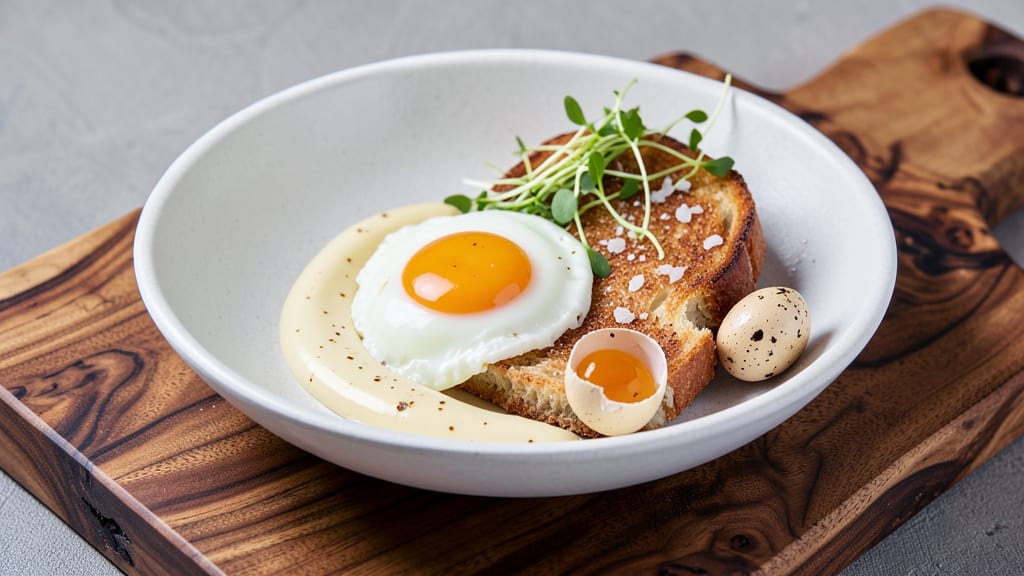
Mastering Gordon Ramsay's poached egg recipe transforms breakfast from ordinary to extraordinary with silken yolks that stay perfectly round. The secret lies in precise water temperature, a splash of vinegar, and gentle swirling to create that signature cloud-like shape.
I’ve perfected this technique after years of trial and error—no more runny yolks or rubbery whites.
This method relies on fresh eggs (never older than 3 days) and a slotted spoon for flawless plating, ensuring the white wraps tightly around the yolk without breaking.
The vinegar lowers surface tension, while the swirling motion creates a gentle current that shapes the egg as it cooks. Three minutes is all it takes for restaurant-quality results at home.
What you’ll achieve is a silken yolk that remains runny and rich, encased in a delicate, cloud-like white—exactly how Ramsay serves them. The technique is foolproof once you understand the science behind it, and the results are worth every minute of precision.
Serve on toast, with soldiers, or as part of a brunch platter for an impressive presentation.
Ready to elevate your breakfast game? This recipe delivers restaurant-quality poached eggs in minutes, proving that technique matters more than expensive ingredients. Let’s get started with the exact method Ramsay uses in his kitchens.
Ingredients for gordon ramsay poached egg
Precision ingredients for silken yolks that stay round and cloud-like whites every time.
| Ingredient | Amount | Notes |
|---|---|---|
| Large Eggs 🍳 | 4 whole | Fresh, never older than 3 days |
| White Vinegar 🍶 | ¼ cup | Distilled for clarity |
| Distilled Water 💧 | 4 cups | Cold, filtered preferred |
| Kosher Salt 🧂 | 1 ½ tsp | Diamond Crystal preferred |
| Ice Cubes ❄️ | 1 cup | For initial water temperature |
| Slotted Spoon 🥄 | 1 whole | Stainless steel, 6-inch handle |
| Freshly Ground Black Pepper 🌶️ | ¼ tsp | Cracked peppercorns preferred |
| Extra-Virgin Olive Oil 🫒 | 1 tsp | For plating, high-quality |
| Sourdough Bread 🍞 | 4 slices | Thick-cut, lightly toasted |
| Butter 🧈 | 2 tbsp | Unsalted, softened |
| Chives 🌿 | 2 tbsp | Finely chopped, for garnish |
The eggs are non-negotiable—freshness is critical. Source them from a reputable grocery store like Whole Foods or a local farm market where they’re never older than 3 days. The vinegar should be white, not apple cider, for clarity. For the water, use distilled or filtered to avoid impurities that could affect surface tension. The slotted spoon must be stainless steel—aluminum reacts with vinegar. I keep mine in my kitchen drawer for quick access, and it’s the only tool that gives me consistent results. The sourdough should be artisanal; Breads Bakery or local bakeries offer the best texture for plating.
No white vinegar? Apple cider vinegar works at half the amount, though it may slightly alter the egg’s clarity. Running out of ice? Use pre-chilled water from the fridge instead—just make sure it’s cold enough to lower the initial temperature. For the salt, Diamond Crystal kosher dissolves perfectly, but Morton’s works in a pinch. If you’re short on chives, green onions or parsley add a similar freshness. The olive oil should be extra-virgin; California Avocado Ranch or Colavita brands elevate the plating. For the butter, Plugrá or Land O’Lakes unsalted melt smoothly without overpowering the egg’s delicate flavor.
Eggs should be stored in their original carton in the coldest part of the fridge, ideally the back of the shelf. The vinegar and olive oil keep indefinitely, while the chives last up to 1 week wrapped in damp paper towels. Prep the sourdough and butter ahead—lightly toast the bread and soften the butter so it’s ready when the eggs are perfect. The slotted spoon can be washed and stored with other utensils. This recipe reheats beautifully; store poached eggs in a sealed container with a thin layer of water to maintain moisture for up to 2 days.
Why You'll Love This Recipe
- Use every bit: the poaching water for soups, the leftover yolks for mayo, or the whites for meringues. And the best part? A dozen eggs cost less than takeout, but the results? Night and day.
- No Fuss Setup: I swear by this method—just eggs, vinegar, and water. No fancy gadgets, no stressing over timing. The ice bath keeps things crisp while I sip my coffee, and honestly? That’s my kind of morning.
- Silky Center, Runny Edge: That perfect balance of set whites and liquid yolk? It’s all in the vinegar bath and gentle simmer. One bite and you’ll understand why this feels like a Michelin-star trick—without the pretension.
- Breakfast or Brunch Hero: Slip these onto avocado toast for a lazy weekend, or stack them on buttered soldiers for a proper British brunch. They’re the star, but honestly? They play well with everything—even my picky teenager’s toast.
Step-by-step instructions for Gordon Ramsay's perfect poached eggs
Master the technique that delivers restaurant-quality silken yolks every time.
Prepare the Poaching Water with Precision
Fill a deep saucepan with the 4 cups distilled water and add the 1 cup ice cubes to keep the temperature stable. Place over medium-low heat until you reach a gentle simmer—180°F—where small bubbles form at the bottom but don't break the surface. This controlled simmer prevents the eggs from spreading or breaking.
Add the 0.25 cup white vinegar and 1.5 teaspoons kosher salt to the water. The vinegar lowers the pH, helping the egg whites coagulate more tightly around the yolk. Stir gently to dissolve the salt completely. The water should taste slightly acidic but not overpowering. Keep the pan off the heat once simmering to maintain temperature stability.
Crack and Poach the Eggs with Perfect Technique
Crack each of the 4 whole large eggs into a small bowl or ramekin. This prevents shell fragments from falling into the poaching water. Using the whole slotted spoon, gently lower one egg at a time into the simmering water. The spoon helps guide the egg without disturbing the surface too much—this is critical for maintaining the egg's shape.
Poach for exactly 3 minutes for runny yolks or 3 minutes 30 seconds for slightly firmer yolks. You'll see the whites begin to set around the edges first, then gradually tighten toward the center. The yolk should remain completely round and intact. If the water boils vigorously, reduce the heat immediately—vigorous boiling causes the eggs to break apart.
Prepare the Sourdough Foundation
While the eggs poach, lightly toast the 4 slices sourdough bread in a dry skillet over medium heat until golden brown and crisp. Spread each slice with 2 tablespoons softened butter, dividing it evenly. The butter should melt slightly but not brown—this creates a rich, flavorful base without overpowering the eggs.
Season each slice with a pinch of the 0.25 teaspoon freshly ground black pepper and set aside. The sourdough's crust should be crisp enough to hold its shape when topped, while the interior remains soft and chewy. If the butter spreads too much, chill the toasted bread for 2 minutes before assembling.
Plate with Restaurant-Quality Presentation
Using the slotted spoon, carefully lift each poached egg from the water and drain briefly over the saucepan to remove excess liquid. Place one egg gently on each buttered sourdough slice. The yolk should remain perfectly centered and intact—this is where precision matters most.
Drizzle each plate with 1 teaspoon extra-virgin olive oil, dividing it evenly. The oil adds a silky finish and enhances the egg's natural richness. Garnish immediately with 2 tablespoons finely chopped chives, sprinkled evenly over all four plates. Serve while the eggs are still warm, ensuring the yolks remain perfectly runny and the whites hold their shape.
Pro Tips For Making Gordon Ramsay Poached Egg
- Use Room-Temp Eggs: Cold eggs from the fridge sink like rocks—crack them into a bowl first and let them sit for 10 minutes. I learned this the hard way when my first batch of poached eggs turned into a watery mess because the yolks wouldn’t hold shape.
- Vinegar Ratio Matters: Skip the guesswork—use 1 tablespoon of white vinegar per 4 cups of water. Too little and the whites won’t tighten; too much and it’ll taste sour. My grandmother swore by this ratio, and she was right: the balance is everything.
- Ice Bath Trick: Dump the poached eggs straight into an ice bath for 30 seconds—this stops cooking instantly and keeps the yolks runny. I was skeptical until I tried it: no more overcooked yolks ruining the dish.
- Salt the Water Last: Add kosher salt after the vinegar and water mix, right before poaching. Salt early and the whites will toughen up faster, making them harder to slide out of the bowl. Sounds weird, but it works—your eggs will be silky smooth.
Make-ahead tips for this dish
Prep Ahead for Flawless Eggs
Start by preparing your poaching water the night before—combine the 4 cups distilled water, 0.25 cup white vinegar, and 1.5 tsp kosher salt in a clean, airtight container. Refrigerate until ready to use.
This ensures the water is perfectly chilled and ready to simmer when you’re poaching. I always use a glass measuring cup for easy pouring into the saucepan. 💧
Egg Prep Shortcut
Crack all 4 eggs into a shallow dish lined with parchment paper the evening before. Cover and refrigerate—this keeps them fresh and prevents the whites from spreading before poaching.
When ready to cook, simply slide the eggs into the water using the slotted spoon. This method saves time and reduces mess during the actual poaching process.
Toasted Bread Prep
Toast the 4 sourdough slices up to 2 days ahead and store in an airtight container at room temperature. Just before serving, spread with 2 tbsp softened butter and season with pepper.
This prep ensures your base is always crisp and ready, so you can focus on perfecting the eggs. I keep the toasted bread in a paper bag to maintain freshness. 🍞
Garnish Assembly
Chop the 2 tbsp chives and store them in a small airtight container with a damp paper towel to keep them fresh. The extra-virgin olive oil can be pre-measured into a squeeze bottle for easy drizzling at the last minute.
This way, your garnishes are ready to elevate the dish without last-minute chopping. 🌿
Storage for Leftovers
If you have leftover poached eggs, store them in a sealed container with a thin layer of water to maintain moisture. Reheat gently in a 200°F oven for 5-7 minutes to keep the yolks runny.
I never reheat them in the microwave—it ruins the texture. For the sourdough, store it in a paper bag at room temperature for up to 3 days. 💡
Timing for a Stress-Free Morning
Here’s my foolproof schedule: Set the timer for 3 minutes while the eggs poach, then immediately toast the bread and assemble the plates. If you’re serving a crowd, poach the eggs in batches—keep the water at a gentle simmer between batches.
The key is to have everything ready to plate as soon as the eggs are done. This keeps the yolks silken and the whites intact. ⏰
Nutrition facts
Frequently asked questions
Why does Gordon Ramsay's method use ice in the poaching water?
Ice stabilizes the water temperature at 180°F, preventing sudden boiling that would break the eggs. This controlled simmer creates the perfect gentle current for cloud-like whites and perfectly round yolks. Without it, you risk rubbery whites or spread-out shapes.
Can I poach eggs without vinegar?
Technically yes, but the whites won't hold as tightly around the yolk. Vinegar lowers surface tension, helping the whites coagulate more evenly. Use 0.25 cup apple cider vinegar as a substitute if needed—just double the amount. The flavor impact is minimal when used correctly.
How do I fix a broken poached egg?
If the white breaks during poaching, remove it immediately with a slotted spoon and try again. For presentation, use a small spoon to gently reshape the white around the yolk before plating. The key is timing—never over-poach. For broken yolks, serve as "broken egg toast" with extra chives and olive oil.
What's the best way to reheat leftover poached eggs?
Never microwave! Store eggs in a sealed container with 1 tsp water per egg in the fridge for up to 2 days. Reheat in a 200°F oven for 5-7 minutes—this keeps yolks runny while warming through. For extra moisture, cover with foil for the first 3 minutes.
Can I use this technique for other proteins?
This method works best for eggs, but the same principles apply to delicate proteins like shrimp or scallops. Use 165°F water for seafood and reduce poaching time to 1-2 minutes. The vinegar helps with clarity, but adjust seasoning based on the protein's natural flavor.