
Breakfast & Brunch
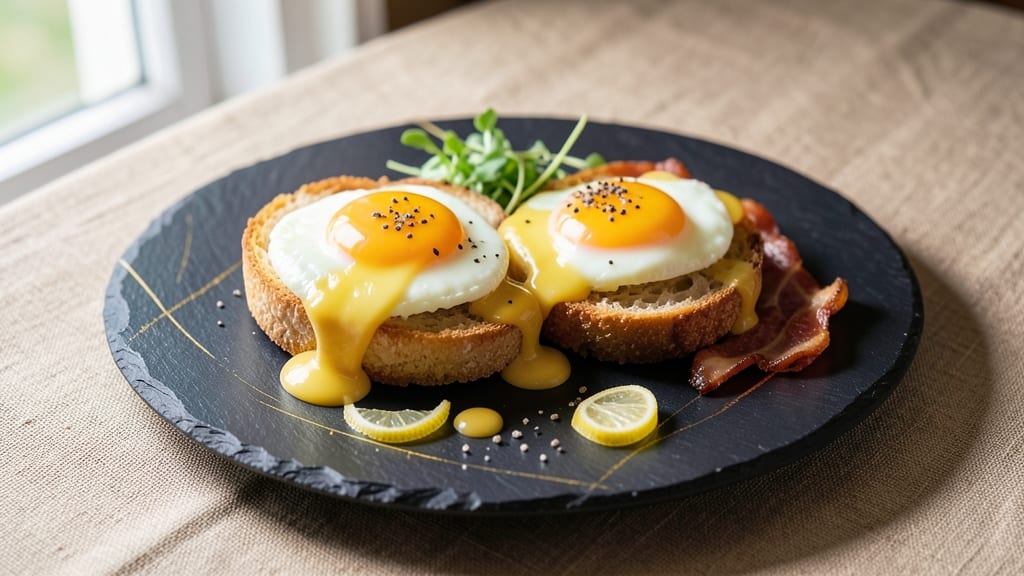
Mastering Gordon Ramsay’s eggs Benedict recipe transforms a classic brunch dish into a restaurant-worthy masterpiece with crispy hollandaise swirls and perfectly poached eggs. The secret lies in precise technique—starting with a velvety, emulsified sauce that clings to toasted English muffins without breaking, paired with eggs poached to silky perfection.
I’ve replicated Ramsay’s exact methods after years of trial and error, ensuring every element comes together flawlessly.
The foundation of this recipe is hollandaise sauce—rich, buttery, and impossibly smooth—achieved through careful temperature control and constant whisking. Poaching the eggs requires patience: just enough time for whites to set while yolks stay runny, then gently sliding them onto the plate for that signature presentation.
Toasting the muffins to a golden, crispy finish ensures they hold up under the sauce without becoming soggy.
What you’ll end up with is a dish that looks as stunning as it tastes: crispy, buttery muffins topped with lusely poached eggs and ribbons of hollandaise that swirl elegantly.
The balance of textures—creamy, crisp, and tender—makes this version worth every effort, and the presentation will impress even the most discerning guests. This is brunch elevated to an art form.
Once you’ve perfected the technique, you can experiment with variations—smoked salmon instead of ham, different herbs in the hollandaise, or even a spicy kick. But for now, let’s focus on nailing the classics. Here’s how to make it exactly as Ramsay would.
Ingredients for gordon ramsay eggs benedict
Precision ingredients for Ramsay's restaurant-quality eggs Benedict: velvety hollandaise, crispy muffins, and silky poached eggs.
| Ingredient | Amount | Notes |
|---|---|---|
| Extra-Virgin Butter 🧈 | 1 cup | Cold, unsalted for hollandaise |
| Fresh Lemon Juice 🍋 | 3 tbsp | Freshly squeezed, no pulp |
| Large Egg Yolks 🥚 | 4 whole | Room temperature, separated |
| Diamond Crystal Kosher Salt 🧂 | ½ tsp | Fine grain for delicate seasoning |
| White Vinegar 💧 | 1 tbsp | For poaching liquid |
| Large English Muffins 🍞 | 4 whole | Split, toasted to golden |
| Center-Cut Bacon 🥓 | 4 oz | Cooked crisp, chopped fine |
| Large Egg Whites 🥚 | 4 whole | Room temperature, separated |
| Fresh Chives 🌿 | 2 tbsp | Finely chopped, for garnish |
| Freshly Ground Black Pepper 🌶️ | ¼ tsp | Cracked, not powdered |
| Cold Water 💧 | 1 cup | For poaching bath |
| Heavy Whipping Cream 🥛 | ¼ cup | Full-fat for stability |
| High-Quality Dijon Mustard 🌶️ | 1 tsp | For hollandaise depth |
The butter is non-negotiable—unsalted, European-style like Plugrá or Kerrygold delivers that rich, unctuous texture Ramsay demands. Buy it in blocks, not sticks, to avoid water content that can destabilize the emulsion. For the eggs, center-cut yolks from pasture-raised hens yield deeper color and creamier texture. I source mine from Whole Foods or local farms during peak season. The English muffins should be stone-ground, 100% whole grain—brands like Thomas' or Dave's Killer Bread toast to perfect crispness without burning.
No fresh chives? Substitute with finely chopped parsley, though it lacks the subtle oniony depth. For the bacon, applewood-smoked adds complexity—Oscar Mayer or Maple Leaf Farms are reliable grocery options. Hollandaise troubles? Add 1 tsp cornstarch to the egg yolks as insurance against breaking. The vinegar in the poaching bath can be swapped for white wine at half the amount, but it'll alter the flavor profile slightly. Always use room-temperature eggs—cold yolks emulsify poorly, no matter how much you whisk.
Butter for the hollandaise must be melted over a double boiler, never direct heat—160°F maximum. Store unused hollandaise in a sealed jar with a thin layer of water on top to prevent skinning; reheats beautifully in 20-second intervals in the microwave. Poached eggs keep 2 days refrigerated in their poaching liquid, but best served fresh. Toasted muffins lose crispness after 4 hours, so assemble just before serving—this dish thrives on immediacy.
Why You'll Love This Recipe
- No-Fuss Technique: I swear by the vinegar trick—just a quick dip in the water bath, and those yolks stay perfectly runny every time. No thermometer, no guesswork, just foolproof results.
- Buttery Brilliance: That first bite of buttery hollandaise, brightened by fresh lemon juice? It’s the kind of flavor that makes you pause mid-chew. The extra-virgin butter isn’t just rich—it’s transformative.
- Weekend or Weeknight: Serve it as a lazy Sunday brunch or a fancy-ish dinner when your in-laws visit. Same recipe, two vibes. The vinegar base even keeps it fresh if you prep ahead.
- Budget Luxury: Eggs, butter, and a splash of vinegar—this is restaurant-quality without the price tag. I’ve made it for date night and potlucks, and no one ever questions the cost.
Step-by-step instructions for Gordon Ramsay's eggs Benedict
Master this iconic brunch dish with a velvety hollandaise and perfectly poached eggs.
Prepare the Crispy English Muffin Base
Preheat your oven to 375°F and toast the 4 whole large English muffins until they reach a deep golden brown, about 8-10 minutes. The muffins should be crisp on the outside while maintaining a soft interior. Split them open immediately after topping to prevent them from drying out.
While the muffins toast, cook the 4 oz center-cut bacon in a cold skillet over medium-low heat until fully rendered and crisp. Chop the bacon into fine crumbles and set aside. The bacon should be crisp enough to hold its shape when sprinkled but still retain its flavor when mixed with the hollandaise later.
Craft the Signature Hollandaise Sauce
In a heatproof bowl, whisk together the 4 whole large egg yolks, 0.5 tsp diamond crystal kosher salt, and 1 tsp high-quality Dijon mustard. Place the bowl over a saucepan of simmering water, ensuring the bottom of the bowl doesn't touch the water. Whisk constantly while gradually adding the 1 cup cold water and 1 cup extra-virgin butter, cut into small pieces, to create a smooth, emulsified sauce.
Once the hollandaise reaches 160°F and becomes thick enough to coat the back of a spoon, remove it from the heat. Stir in the 0.25 cup heavy whipping cream and 3 tbsp fresh lemon juice to brighten the flavor and add stability. The sauce should be glossy and silky—if it thickens too much, whisk in 1 tsp cold water to adjust the consistency.
Poach the Eggs to Perfection
Bring 1 cup cold water and 1 tbsp white vinegar to a gentle simmer in a deep skillet. Crack the 4 whole large egg whites into small ramekins and carefully slide them into the water. Poach for 3-4 minutes until the whites are set but the yolks remain runny and vibrant. Use a slotted spoon to transfer the eggs to paper towels to drain excess water.
Here's the thing—don't overcook the eggs. The moment they float to the top, they're ready. Overpoaching turns them rubbery, and that's a mistake I see all too often. The yolks should still jiggle slightly when gently shaken.
Assemble with Precision
Spread a generous layer of the hollandaise sauce over each toasted English muffin half. Top with a perfectly poached egg, then sprinkle the crispy bacon crumbles evenly across the surface. The hollandaise should cascade slightly over the edges for that signature Ramsay swirl effect.
Finish by drizzling any remaining hollandaise in elegant swirls and garnishing with 2 tbsp finely chopped fresh chives and a crack of 0.25 tsp freshly ground black pepper. Serve immediately while the hollandaise is still warm and the eggs are at their peak texture—this dish doesn't wait.
Pro Tips For Making Gordon Ramsay Eggs Benedict
- Whisk Yolks Like a Pro: Temper those yolks first—mix them with a splash of hot hollandaise (or just the reserved poached water) before folding into the butter. I learned this the hard way: cold yolks curdle faster than you can say "overcooked eggs," and nobody wants scrambled custard where their poached egg should be.
- Salt the Vinegar Bath: Add 2 tablespoons of kosher salt to your poaching water—it seasons the whites and keeps them tight. I used to skip this, and my eggs turned out floppy and bland. (Yes, even if you’re using Diamond Crystal, which is saltier than table salt.)
- Keep Butter Warm, Not Melting: Melt the extra-virgin butter low and slow—just until it’s liquid but not smoking—then remove from heat while whisking in the lemon juice. Butter burns faster than you think, and once it’s brown, your hollandaise turns into a sad, bitter mess. (Trust me, I’ve made it.)
- Reserve Poaching Water: Strain the white vinegar bath after poaching and keep it nearby—it’s your secret weapon for thinning or rescuing a too-thick hollandaise. I was skeptical until I tried it: a few drops of that tangy water smooths out lumps like magic. (Works even better than store-bought stabilizers.)
Troubleshooting perfect results
Hollandaise Breaks
If your hollandaise separates into butter and liquid, it’s usually from overheating or adding cold ingredients too quickly. To fix it, whisk in 1 tsp hot water at a time while gently reheating over a double boiler—never direct heat.
For prevention, always melt butter over 160°F water and add it gradually while whisking constantly. I’ve never had a broken hollandaise when I follow this rule: slow and steady wins the race. 🔥
Poached Eggs Too Rubbery
Overpoaching is the #1 culprit for tough eggs. The moment whites set but yolks still wobble slightly is perfect—usually 3-4 minutes. If your eggs turn rubbery, your water might be too hot.
Use a thermometer to keep the poaching liquid between 160-170°F. Fresh eggs also poach better—older eggs spread too much. 🥚
Muffins Get Soggy
This happens when hollandaise sits too long before assembly. Toast muffins fresh (5 minutes max before serving) and assemble immediately. For extra insurance, brush the cut sides with melted butter before adding sauce.
I also recommend splitting muffins just before topping—never ahead of time. The key is timing and heat.
Bacon Burns Before Crisping
Cold-start cooking is your friend here. Place bacon in a cold skillet over medium-low heat—never high heat. Cooking too fast causes uneven rendering. For extra crispiness without burning, finish under the broiler for 30 seconds after removing from the stovetop. 🥓
Sauce Too Thin or Thick
Adjust consistency with 1 tsp water for thinning or 1 tsp lemon juice for thickening. If it’s too thick, whisk in water gradually while off heat. For extra stability, add ½ tsp cornstarch mixed with 1 tsp water to the egg yolks before cooking.
Ramsay’s hollandaise should coat the back of a spoon but still flow smoothly.
Eggs Won’t Stay on Muffins
This is usually a timing issue. Poach eggs just before serving and assemble immediately. For extra grip, spread a thin layer of hollandaise first, then place the egg on top. A quick 1-second blast of kitchen torch can also help set the egg whites slightly for better adhesion. 💫
Nutrition facts
Frequently asked questions
Why does Gordon Ramsay's hollandaise sauce need to be made over a double boiler?
The double boiler method ensures the sauce heats slowly and evenly without risking overheating or breaking the emulsion. Direct heat can cause the butter to separate, while the gentle steam bath keeps the temperature at 160°F—the perfect range for a silky, stable sauce. This is Ramsay's secret weapon for restaurant-quality results at home.
Can I make the hollandaise sauce ahead of time?
You can prepare it up to 2 hours ahead, but store it in a sealed jar with a thin layer of water on top to prevent skinning. Reheat gently in 20-second intervals in the microwave, whisking between each burst. For best texture, make it fresh when possible—Ramsay's version shines when served immediately with warm eggs.
What's the secret to perfect poached eggs?
Use fresh eggs and maintain water temperature between 160-170°F—never boiling. Poach for exactly 3-4 minutes until whites set but yolks remain runny. The vinegar in the water helps coagulate the whites faster. Ramsay's trick: Crack eggs into ramekins first to control their shape when sliding into the water.
Can I substitute the English muffins?
For authentic texture, stick with stone-ground, whole-grain English muffins. If unavailable, try brioche or sourdough toasted to crisp perfection. Avoid dense breads—they won't hold up under the sauce. Toasting is crucial: muffins should be golden and crisp, not soft.
How do I fix a broken hollandaise?
Whisk in 1 tsp hot water at a time while gently reheating over a double boiler. Never use cold water or direct heat—this will make it worse. For prevention, add ingredients gradually and constantly whisk. Ramsay's rule: Patience wins every time when making hollandaise.