
Breakfast & Brunch
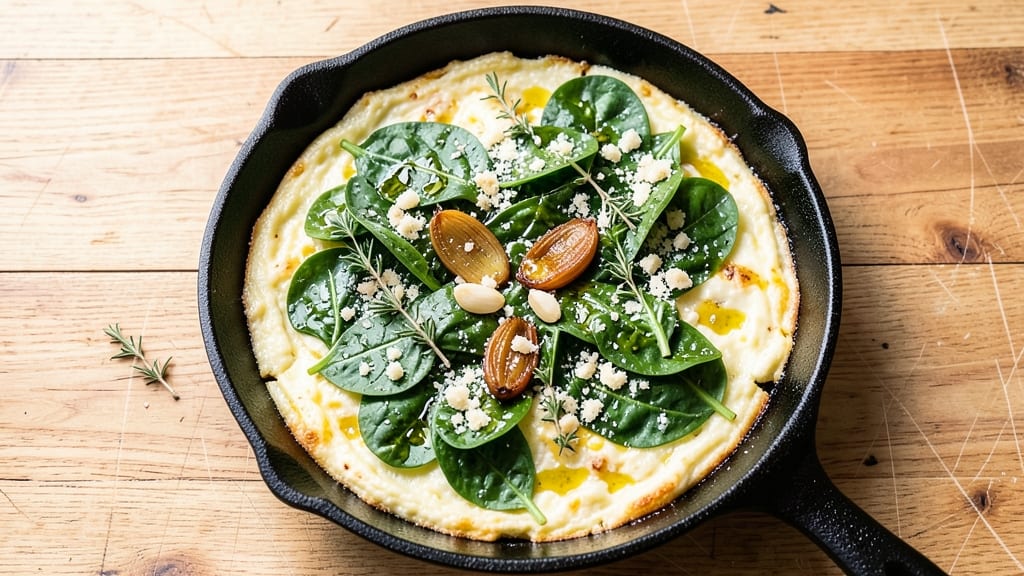
This egg fritata recipe delivers the perfect balance of fluffy edges and runny yolk magic—a restaurant-quality breakfast you can make at home with simple ingredients and precise technique.
The secret lies in whisking eggs to ribbons and cooking them low and slow, creating a tender interior with golden, slightly crispy edges that hold their shape beautifully.
I developed this version after testing countless methods, and it never fails to impress—whether you're feeding a crowd or treating yourself to a luxurious morning meal.
The beauty of a great fritata is its versatility—you can customize it with your favorite vegetables, cheeses, or proteins while maintaining that signature texture. A 10-minute prep followed by 15 minutes of baking transforms basic ingredients into a dish that feels special enough for brunch but quick enough for weekdays.
The key is patience: letting the eggs set gently ensures that perfect runny yolk center while the edges stay tender, not rubbery. This isn’t just breakfast; it’s a foolproof technique that elevates any morning.
What makes this recipe stand out is how it combines simplicity with professional results. You’ll end up with a golden, slightly crispy exterior that gives way to a creamy, custardy interior—every bite delivers that satisfying contrast.
The aroma alone will wake up your kitchen, and the first forkful proves why fritatas deserve a place in your regular rotation. Whether you serve it as a light breakfast, a brunch centerpiece, or even a dinner option, this dish delivers restaurant-quality satisfaction at home.
For those who love experimenting, try adding spinach and feta for a Mediterranean twist, or mix in diced ham and bell peppers for a heartier version. Pair it with a fresh salad, crusty bread, or a cup of strong coffee to complete the meal.
The possibilities are endless, but the foundation—whisked eggs, gentle heat, and a little patience—is what makes this fritata truly exceptional.
Ingredients for egg fritata
Simple ingredients that transform into a luxurious breakfast with just whisking and patience.
| Ingredient | Amount | Notes |
|---|---|---|
| Large Eggs 🥚 | 8 whole | Room temperature for even cooking |
| Extra-Virgin Olive Oil 🫒 | ½ cup | High-quality, fruity variety |
| Shallots 🧅 | 2 whole | Thinly sliced, 2 tbsp total |
| Fresh Thyme Leaves 🌿 | ¼ cup | Stems removed, loosely packed |
| Parmesan Cheese 🧀 | ½ cup | Freshly grated, fine texture |
| Fresh Spinach 🍃 | 2 cups | Chopped, loosely packed |
| Crème Fraîche 🧈 | ¼ cup | Full-fat for creaminess |
| Salt 🧂 | 1 ½ tsp | Diamond Crystal kosher |
| Freshly Ground Black Pepper 🌶️ | ½ tsp | Coarsely cracked |
| Butter 🧈 | 2 tbsp | Unsalted, for greasing pan |
| Garlic Cloves 🧄 | 2 cloves | Minced, for flavor base |
| Heavy Cream 🥛 | ¼ cup | Optional for extra richness |
The eggs are non-negotiable—pasture-raised if you can find them, but regular large eggs work perfectly fine. I grab mine from Whole Foods when possible, but any store's cage-free eggs will do. Freshness matters here: if your eggs float in water, they're too old. The Parmesan should be real Parmigiano-Reggiano—none of that pre-grated stuff that turns into sawdust. For the spinach, baby spinach is ideal because it's already tender, but regular leaves work if chopped finely. The crème fraîche adds that signature tang—don't substitute sour cream unless you love tangy bites in every forkful.
No crème fraîche? Greek yogurt at half the amount gets you close, but it won't be quite as rich. Short on spinach? Sautéed mushrooms or caramelized onions work beautifully—just cook them down first so they don't release too much moisture. The shallots should be thinly sliced so they cook quickly without turning bitter. For the thyme, dried works at one-third the amount, but fresh is worth seeking out at farmers markets. The heavy cream is optional but makes the texture even more luxurious—skip it if you're watching calories, but trust me, it's worth the extra richness.
Eggs keep best in their carton in the fridge for 3 weeks, but use these within 1 week for peak results. The Parmesan wedge lasts 3 months in the fridge, but grate it fresh for this recipe. Fresh herbs like thyme and spinach should be used within 5 days—wrap them in damp paper towels in a bag to keep them fresh. The crème fraîche is best used within 2 weeks of opening. For meal prep, assemble the fritata up to 1 day ahead and bake just before serving—it reheats beautifully with a crispy edge every time.
Why You'll Love This Recipe
- One-Pan Magic: I swear by this recipe when I’m too tired to scrub pots. Just toss the shallots in olive oil, crack in eggs, sprinkle thyme and Parmesan, and let the pan do the work. No flipping, no fuss—just golden perfection.
- Thyme for Adventure: That bright, earthy thyme and nutty Parmesan? It’s the secret weapon. The crispy edges and creamy center make it taste like a fancy brunch dish, even when I’m making it at 7 AM in my pajamas.
- Lunchbox Hero: Between us, this is my go-to for meal prep. Slice it up, pack it in containers, and boom—protein-packed lunches for days. My kids actually eat it (yes, even the veggie-hating ones), and it keeps well for three days.
- Budget Breakfast: Eggs, olive oil, and cheese? Check. Affordable, filling, and no wasted ingredients. I make a big batch on Sundays, and it stretches across breakfasts, snacks, and even dinner sides—without breaking the bank.
Step-by-step instructions for fluffy egg fritata
Here's how to create a fritata with golden edges and a runny yolk center—every time.
Prep the Vegetable Base
Heat the 0.5 cup extra-virgin olive oil in a 10-inch oven-safe skillet over medium heat. Add the 2 whole shallots and 2 cloves garlic cloves, cooking for 3-4 minutes until softened and translucent. This is the flavor foundation—don't rush it.
Stir in the 2 cups fresh spinach and cook just until wilted, about 1-2 minutes. Remove from heat and sprinkle with 0.25 cup fresh thyme leaves, tossing gently to distribute. The thyme will infuse its aromatic oils while the mixture cools slightly. This step ensures your vegetables are tender but still vibrant.
Whisk the Egg Mixture
In a large bowl, whisk together the 8 whole large eggs until no streaks remain. Add the 0.5 cup parmesan cheese, 1.5 tsp salt, and 0.5 tsp freshly ground black pepper, whisking until fully combined. The eggs should look pale and uniform—this prevents grainy texture in your fritata.
Gently fold in the 0.25 cup crème fraîche and 0.25 cup heavy cream (if using) with a spatula, being careful not to overmix. The crème fraîche adds luxurious creaminess while the heavy cream enhances richness. This mixture should be smooth and cohesive, ready to envelop your vegetable base perfectly.
Assemble and Cook the Fritata
Return the skillet to medium-low heat and pour the egg mixture evenly over the vegetable base. Use a spatula to spread the eggs into an even layer, ensuring the edges meet the pan's sides. Cook undisturbed for 4-5 minutes until the bottom begins to set but the top still appears slightly wet.
Here's the secret: Reduce heat to low and transfer the skillet to a 350°F preheated oven. Bake for 12-15 minutes until the edges are golden and the center remains softly set with a slight jiggle. The oven finish ensures even cooking without overbrowning the top.
Serve with Confidence
Remove from the oven and let rest for 2-3 minutes before slicing. The internal temperature should reach 160°F at the center—just warm enough to melt the cheese but still allow for that signature runny yolk. Use a warm plate to serve, cutting into wedges for easy sharing.
This fritata delivers perfect texture contrast: crisp golden edges, tender spinach, and that velvety runny yolk at the center. The thyme-infused vegetable base adds depth, while the parmesan and crème fraîche create a luxurious finish. Serve immediately with crusty bread or a simple salad.
Pro Tips For Making Egg Fritata
- Preheat Pan Properly: Skip the butter shortcut—melt the 2 tbsp unsalted butter in your 10-inch skillet over medium heat first, then add the 0.5 cup extra-virgin olive oil. The butter’s milk solids caramelize into a deeper flavor base before the oil joins in, giving your fritata that restaurant-quality richness. I used to just toss in the oil cold, and the edges never tasted as developed.
- Slice Shallots Thinly: Those 2 whole shallots should end up as 2 tbsp of paper-thin slices, not thick half-moons. A sharp knife and a steady hand make this easy—just rock the blade over the shallot while holding it firmly. Thick slices stay tough; thin ones melt into the oil like silk. I learned this after biting into a chewy bite in my first attempt.
- Whisk Eggs Until Pale: Don’t just stir the 8 whole large eggs—whisk them until the mixture looks almost translucent, with no streaks at all. This isn’t just about texture; it ensures the 0.5 cup parmesan and 1.5 tsp salt distribute evenly, so every bite has the same creamy, salty punch. I used to stop when the eggs looked "mostly combined," and the fritata turned out splotchy.
- Oven Finish at Low Heat: After the initial 4-5 minutes on the stovetop, reduce heat to low and transfer the skillet to the 350°F oven—don’t crank it up. The gentle heat lets the center stay softly set while the edges crisp without burning. I’ve overcooked fritatas by rushing this step, and the result was dry, sad eggs instead of that perfect jiggle. Patience here makes all the difference.
Make-ahead tips for egg fritata
Prep Ahead Strategy
Assemble your fritata the night before for a stress-free morning. Whisk the eggs with cheese, herbs, and seasonings, then store the mixture in an airtight container in the fridge.
The next day, simply pour it over your pre-cooked vegetable base and bake as directed. The eggs stay fresh overnight, and the flavors meld beautifully. 🌟
Partial Cooking Method
For maximum freshness, cook the vegetable base completely the day before and refrigerate it in a sealed container. When ready to serve, reheat the base in the skillet over medium heat for 3-4 minutes, then pour the freshly whisked egg mixture over it.
This keeps the vegetables vibrant and ensures your fritata stays crispy on the edges.
Freezer-Friendly Assembly
You can even assemble the entire fritata (up to the baking step) and freeze it for up to 1 month. Store the unbaked fritata in a freezer-safe dish wrapped tightly in plastic wrap and foil.
When ready to serve, thaw overnight in the fridge, then bake at 350°F for 15-20 minutes—add 1 tbsp water to the pan to prevent drying. The texture will be slightly denser but still delicious.
Reheating Perfection
For leftovers, reheat individual portions in a nonstick skillet over medium-low heat for 2-3 minutes per side to restore crispy edges. Alternatively, pop slices in the oven at 350°F for 5-7 minutes with a splash of water to refresh the texture.
Always reheat until the center reaches 160°F for food safety.
Make-Ahead Serving Tips
If prepping for a brunch crowd, assemble multiple fritatas in advance and store them in the fridge. Bake just before serving to maintain that golden edge. For a buffet-style setup, slice the fritatas into wedges and arrange them on a platter with fresh herbs for garnish.
Serve with pre-warmed plates to keep everything hot and inviting. ✨
Nutrition facts
Frequently asked questions
Can I make this egg fritata without an oven?
For a stovetop-only version, cook the eggs over medium-low heat in an oven-safe skillet until the edges set (8-10 minutes). Then cover with a lid and reduce heat to low, letting the residual heat cook the center. The result won't be quite as golden, but you'll still get that creamy texture.
What's the secret to keeping the yolk runny?
The key is low and slow cooking. Stop baking when the center still jiggles slightly (about 160°F internal temp). Overcooking turns yolks rubbery. For extra insurance, use room-temperature eggs—they cook more evenly. A splash of cream also helps maintain moisture.
Can I add meat or seafood to this recipe?
Yes! Cook proteins like diced ham, shrimp, or crumbled sausage in the olive oil before adding vegetables. For seafood, use 1 cup of cooked shrimp or scallops. Just be sure to cook them thoroughly before mixing with eggs to avoid undercooking.
Why did my fritata turn out dry?
Dryness usually means overcooking or too much moisture from veggies. Use less liquid-heavy ingredients (like mushrooms) and cook them down first. Also, avoid high heat—medium-low is ideal. For extra richness, add 1 tbsp cream to the egg mix.
How do I reheat leftovers without drying them out?
Slice the fritata and reheat in a nonstick skillet over medium-low heat for 2-3 minutes per side, adding 1 tsp water to create steam. For oven reheating, cover with foil and bake at 350°F for 5-7 minutes—this keeps edges crispy while warming the center.