
Breakfast & Brunch
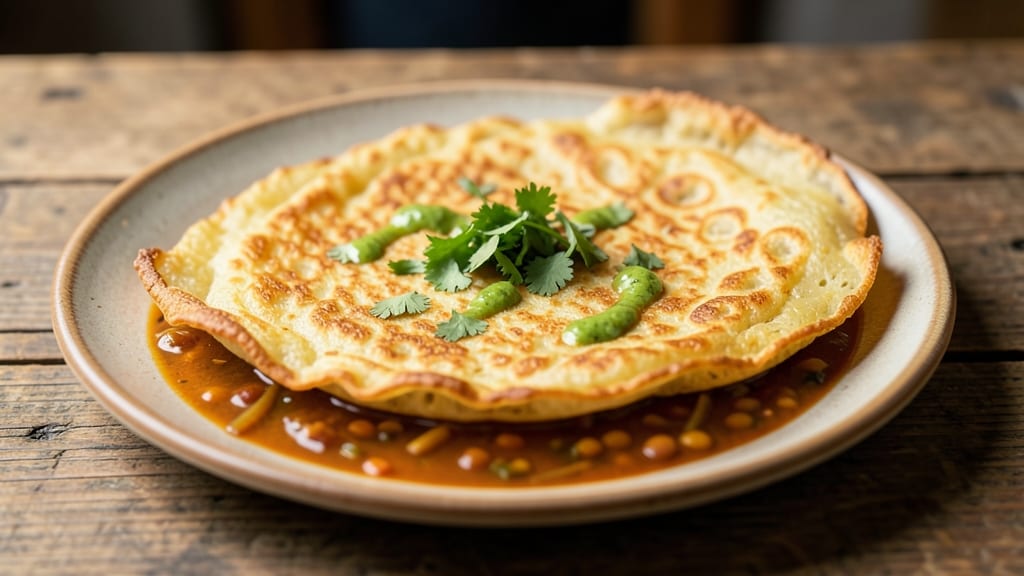
This egg dosa recipe delivers the perfect balance of crispy edges and fluffy, fermented layers—just like your favorite South Indian breakfast. The secret lies in proper fermentation and precise pan technique, which transforms simple rice and urad dal into a restaurant-worthy dish.
I’ve refined this method over years of testing, ensuring every bite has that signature crunch and airy texture.
Fermentation is key to achieving that signature fluffiness, but don’t worry—this recipe includes both traditional and modern shortcuts. Whether you ferment overnight or use a pre-fermented batter, the result is the same: tender, layered dosas with crispy golden edges.
The batter’s texture is light yet sturdy, holding its shape as you spread it thin on the hot griddle.
What sets this recipe apart is the cooking technique: a well-heated pan, just the right amount of oil, and quick, even spreading. The edges crisp up beautifully while the center stays soft and pillowy.
Serve with coconut chutney or sambar for the full South Indian experience—each bite is a perfect harmony of textures and flavors.
Perfect for breakfast, brunch, or even a light dinner, this egg dosa recipe is versatile enough for everyday meals but impressive enough for guests. The method is foolproof, and the results are undeniably satisfying. Let’s get started!
Ingredients for egg dosa
Simple yet transformative ingredients for restaurant-quality egg dosas at home—fermentation magic starts here.
| Ingredient | Amount | Notes |
|---|---|---|
| White Rice 🍚 | 1 cup | Uncooked, long-grain preferred |
| Urad Dal (Split Black Gram) 🌾 | ½ cup | Uncooked, skinless preferred |
| Large Eggs 🥚 | 3 whole | Fresh, room temperature |
| Rice Flour 🌾 | ¼ cup | For crispy edges |
| Cumin Seeds 🌿 | 1 tbsp | Toasted for aroma |
| Asafoetida (Hing) 🌶️ | ¼ tsp | Pinch for flavor depth |
| Salt 🧂 | 1 ½ tsp | Diamond Crystal preferred |
| Ghee or Vegetable Oil 🫒 | ½ cup | For cooking, ghee preferred |
| Fresh Cilantro 🌿 | ¼ cup | Chopped, for garnish |
| Lemon Juice 🍋 | 1 tbsp | Freshly squeezed |
| Yogurt (Plain) 🥛 | ¼ cup | Whisked for fermentation |
| Sugar 🍬 | ½ tsp | For fermentation |
| Water 💧 | 1 ½ cups | Filtered for best results |
The urad dal and rice are the backbone of this recipe—soak them overnight for optimal fermentation. Whole Foods or Indian grocery stores carry the best quality urad dal; look for bright yellow, unblemished grains. The eggs need to be fresh and room temperature—crack them gently to avoid breaking yolks. For the rice, jasmine or basmati works best, but any long-grain variety will do. The ghee adds an unmatched richness—Amul or local Indian brands are my top picks, but vegetable oil works in a pinch. Toast your cumin seeds in a dry pan until fragrant—this step is non-negotiable for that authentic aroma.
No urad dal? Substitute with idli rice or moong dal (though texture will differ slightly). Running out of ghee? Avocado oil or coconut oil works just as well. The yogurt can be swapped for buttermilk if needed, but reduce the water by 2 tbsp. Fresh cilantro is ideal, but dried coriander at half the amount will work in a bind. For the fermentation, if you're short on time, add 1 tsp baking soda to the batter right before cooking—it’ll give you that fluffy texture without waiting. The asafoetida (hing) might be tricky to find—check the Indian aisle at Whole Foods or order online if you can’t locate it.
The batter ferments best in a glass or ceramic bowl—plastic can react with the acidity. Cover with a damp cloth and let it sit at room temperature for 8-12 hours, or refrigerate overnight for a slower, more controlled fermentation. Once ready, the batter should be light, bubbly, and slightly tangy. It keeps in the fridge for up to 3 days, but fresh is always best. For crispy edges, heat your pan until a drop of water sizzles instantly—this is absolutely essential. Serve immediately with coconut chutney or sambar for the full South Indian experience.
Why You'll Love This Recipe
- I’ll be real: fermentation can sound intimidating, but this batter handles itself. Just toss in the 1 cup white rice, 0.5 cup urad dal, and 1.5 cups water, let it sit overnight, and wake up to a ready-to-use, bubbly mix. No fancy equipment—just a bowl and a damp cloth. That 12-hour ferment does all the work while you sleep, and honestly? The results are worth the minimal effort.
- The secret’s in the layers: that rice flour for the golden edges, the 3 eggs for the rich, custardy center, and the toasted cumin seeds for warmth. Flip it right when the bottom is crispy, and you’ve got that perfect contrast—crunchy outside, fluffy inside. The lemon juice and yogurt in the egg mix add a tangy depth that makes every bite irresistible.
Step-by-step instructions for egg dosa recipe
Here's the method to achieve those legendary fluffy layers and crispy edges—every time.
Ferment the Batter for Maximum Fluffiness
In a large bowl, combine the 1 cup white rice, 0.5 cup urad dal (split black gram), 1.5 tsp salt, 0.5 tsp sugar, and 1.5 cups water. Mix thoroughly until no dry spots remain—this ensures even fermentation. Let the batter sit at room temperature for 30 minutes, then cover with a damp cloth and ferment overnight (or at least 12 hours) in a warm place.
The fermentation process is what creates those signature airy layers. You'll know it's ready when the batter develops a slightly tangy aroma and doubles in volume. If your kitchen is cool, place the bowl near a warm spot like above the oven or near a heating vent. Pro tip: Use a spoon to gently press the batter down every few hours during fermentation—this prevents a thick skin from forming on top.
Prepare the Egg and Spice Mixture
In a separate bowl, whisk together the 3 whole large eggs, 0.25 cup plain yogurt, 1 tbsp lemon juice, 1 tbsp toasted cumin seeds, and 0.25 tsp asafoetida (hing) until completely combined. The eggs should be at room temperature for best incorporation—this prevents lumps in your final batter. Add 0.25 cup rice flour and mix until smooth. This mixture will later be folded into the fermented batter for that signature eggy richness.
Here's the thing—don't overmix the eggs. You want a smooth, slightly thick consistency that will blend seamlessly with the fermented batter. If it looks too runny, let it sit for 5 minutes while you prepare your cooking setup. The rice flour acts as a natural thickener and helps create those crispy edges when cooked.
Combine Batter and Prepare for Cooking
After fermentation, the batter should be light and slightly bubbly. Gently fold in the egg mixture using a spatula, being careful not to deflate the batter. Add 0.25 cup chopped fresh cilantro and mix lightly—just enough to distribute the herbs without overworking the batter. Let the combined batter rest for 15 minutes at room temperature before cooking. This resting period allows the flavors to meld and the batter to reach the perfect consistency.
While the batter rests, heat 0.5 cup ghee or vegetable oil in a non-stick dosa pan or heavy skillet over medium-high heat. The oil should be hot enough to shimmer but not smoke—this is crucial for achieving those crispy edges. I like to test the heat by dropping a tiny bit of batter into the oil; if it sizzles immediately and spreads, you're ready to go.
Cook the Perfect Dosa
Pour about ½ cup of batter into the center of the hot pan. Quickly spread it in a circular motion using the back of the spoon, creating a thin, even layer about ⅛-inch thick. Watch closely as the edges begin to crisp and turn golden brown—this should happen within 30-45 seconds. The key is to keep the heat consistent; if the edges brown too quickly, reduce the heat slightly.
When the bottom is crispy and the top still looks slightly wet, carefully flip the dosa using a spatula. Press down gently with the spatula to help it release from the pan. Cook the other side for another 20-30 seconds until golden brown and crispy all over. You'll know it's perfect when it releases easily from the pan with minimal sticking. Serve immediately while still warm and crispy.
Stack and Serve with Confidence
Repeat the process with the remaining batter, keeping each dosa warm by stacking them on a clean kitchen towel. The residual heat will keep them crispy while you finish cooking. For extra fluffiness, I like to serve mine with a dollop of coconut chutney or mint chutney on the side—this cuts through the richness of the egg and adds a refreshing contrast.
Each dosa should have multiple layers visible when you cut into it, with crispy edges that give way to a soft, fluffy interior. The egg mixture should be evenly distributed throughout, giving each bite that satisfying combination of texture and flavor. Don't forget to garnish with additional fresh cilantro if desired—it adds a bright pop of color and freshness that elevates the dish.
Pro Tips For Making Egg Dosa
- SOAK URAD DAAL OVERNIGHT: I learned this the hard way—rushing the soak means a grittier batter that won’t spread smoothly. Split black gram needs at least 6 hours (overnight is best) to soften properly, especially if you’re not using a pressure cooker.
- CRACK EGGS DIRECTLY INTO BATTER: Skip the bowl—crack eggs straight into the wet batter to avoid lumps. The warm batter gently cooks the whites immediately, while the yolks blend in effortlessly. (Yes, it looks messy at first, but the texture is far more even.)
- HEAT PAN UNTIL SMOKING HOT: A lukewarm pan is the enemy of crispy egg dosas. Get your nonstick skillet smoking hot before adding oil—this guarantees a golden crust on the first side. If you’re impatient and lower the heat, your dosas will turn out soggy in the middle.
- MIX IN RICE FLOUR LAST: Add the rice flour after the batter has rested for 30 minutes. This prevents a gluey texture—flour absorbs moisture instantly, and waiting ensures the urad dal and rice have softened enough to handle the extra dryness. (Trust me, your dosas will thank you.)
Troubleshooting this recipe
Batter Too Thin?
If your batter looks too runny after fermentation, it’s likely under-fermented or needs thickening. Let it ferment 1-2 extra hours—sometimes it needs more time. For immediate results, whisk in 1-2 tbsp rice flour until smooth.
I’ve found that adding ½ tsp baking soda right before cooking can also help puff up the layers without waiting. 💡
Batter Too Thick?
Over-fermentation or incorrect water measurements can make batter too thick. Thin it with 1-2 tbsp warm water until it reaches a pourable consistency. If it’s still too stiff, add 1 tbsp yogurt or lemon juice to lighten the texture. Remember, the batter should flow like heavy cream—not like pancake batter.
Dosas Sticking?
This usually happens when the pan isn’t hot enough or the batter’s too wet. Heat your pan until a drop of water sizzles instantly—medium-high heat is ideal.
Use a non-stick dosa pan or lightly grease with ghee. If sticking persists, spread the batter slightly thinner and cook at a lower heat for better release. 🔥
Edges Not Crispy?
Crispy edges require proper heat and technique. Ensure your pan is smoking hot before pouring batter—test with a drop that sizzles immediately. Spread the batter thin and quick, then let it cook undisturbed for 30 seconds before flipping.
If edges brown too fast, reduce heat slightly. A splash of ghee on the pan before cooking also helps.
Flat, Dense Texture?
This often means the batter wasn’t fermented enough or was overmixed. Ferment for at least 12 hours (or until bubbly and tangy). When folding in eggs, mix gently—overworking deflates the air pockets. For extra fluffiness, add ½ tsp baking soda to the batter just before cooking. 💫
Eggs Not Distributing?
If the eggs pool instead of blending evenly, they might be too cold or the batter too thick. Whisk eggs with yogurt until completely smooth, then let sit 5 minutes before folding.
For better integration, add the egg mixture to the batter in 3 parts, gently folding after each addition. This ensures even distribution throughout.
Nutrition facts
Frequently asked questions
Why does my egg crepe batter need to ferment?
Fermentation creates those signature airy layers by activating natural yeasts in the rice and urad dal. The 12-hour fermentation develops bubbles and a tangy flavor that gives egg crepes their signature fluffiness. Without it, your crepes will be dense instead of light and layered.
Can I make this without a dosa pan?
Use a non-stick skillet or crepe pan instead. The key is getting it smoking hot before adding batter. A well-seasoned cast-iron pan works too—just make sure it's properly heated. The secret to crispy edges is the heat, not the specific pan.
How do I know when the batter is ready?
Your batter should be bubbly, slightly tangy-smelling, and have doubled in volume after 12 hours. When you press it with a spoon, it should spring back slowly—not too thick, not too runny. If it smells yeasty and looks like thick pancake batter, it's perfect.
What's the best way to store leftover batter?
Transfer the batter to an airtight container and refrigerate for up to 3 days. Before cooking, let it sit at room temperature for 30 minutes to return to serving consistency. The cold slows fermentation, so it won't over-ferment. For longer storage, you can freeze portions for up to 1 month—just thaw overnight in the fridge.
Can I make this without eggs?
Yes, but the texture will be different. Omit the eggs and replace with an extra ¼ cup yogurt plus ½ tsp baking soda for fluffiness. The crispy edges will still form, but you'll lose that rich eggy flavor. For a vegan version, use flax eggs (1 tbsp ground flax + 3 tbsp water per egg) instead.